- No.1068, Nanwan Rd, Kunshan city 215341, Jiangsu Province, P. R. China
- info@ya-va.com
- +86 18017127502
Primary Modular Conveying Solutions
High-performance chains and components engineered for optimized container handling and sanitary beverage conveying.
The Industrial Evolution of Beverage Conveyor Belts in Food Processing
Meeting modern demands for line speed, sanitary compliance, modular adaptability, and reduced Total Cost of Ownership (TCO).
High-Speed Operational Efficiency
Modern beverage bottling and packaging plants operate at speeds exceeding 60,000 units per hour. Optimized beverage conveyor belts minimize container tipping, reduce line friction, and prevent product degradation across liquid filling, capping, and labeling stages.
Strict Food Safety & CIP Compliance
Sanitation standards governed by FDA, USDA, and EHEDG mandate conveyor systems that eliminate bacterial harborages. Modern POM modular belts feature open-hinge geometry allowing seamless Clean-In-Place (CIP) fluid flow and rapid washdowns.
Sustainable Eco-Efficiency
Engineered self-lubricating thermoplastics significantly decrease the need for chemical chain lubricants, cutting water usage, reducing wastewater treatment overhead, and preventing micro-plastic contamination in food production zones.
Comprehensive Market Analysis: Trends Driving Next-Gen Conveyor Design
The global food and beverage automation sector is experiencing unprecedented transformation driven by changing consumer preferences, rapid SKU proliferation, and stringent regulatory demands. Beverage conveyor belt systems are no longer passive material transport channels; they are active, intelligent subsystems critical to Overall Equipment Effectiveness (OEE).
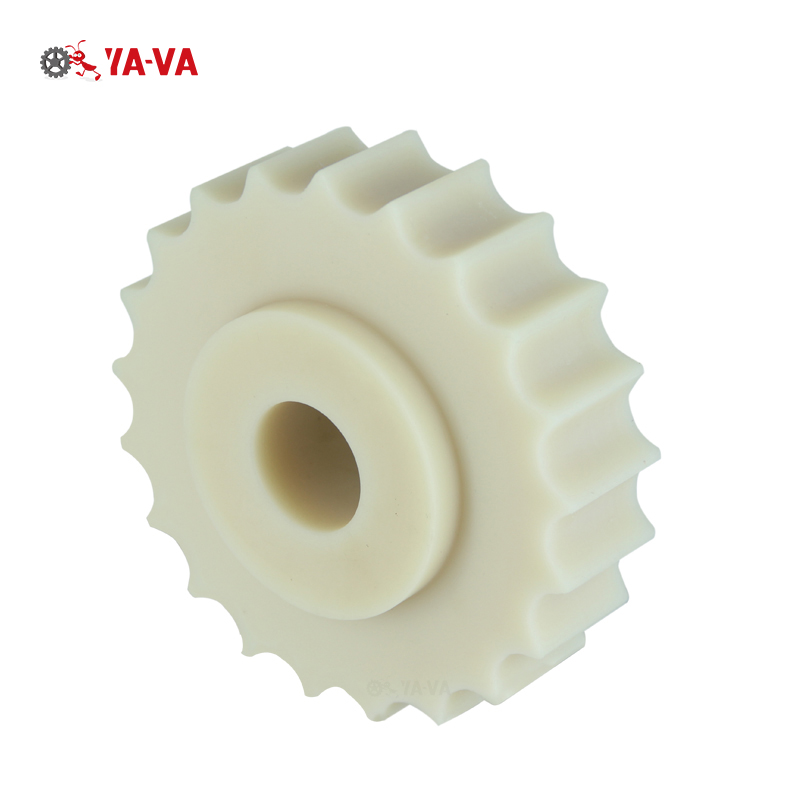
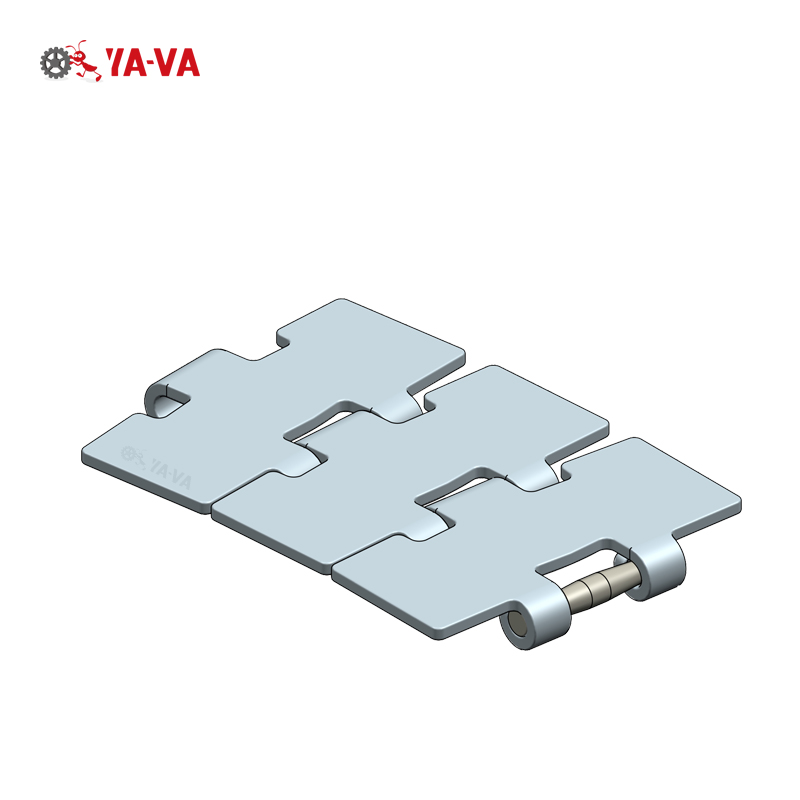
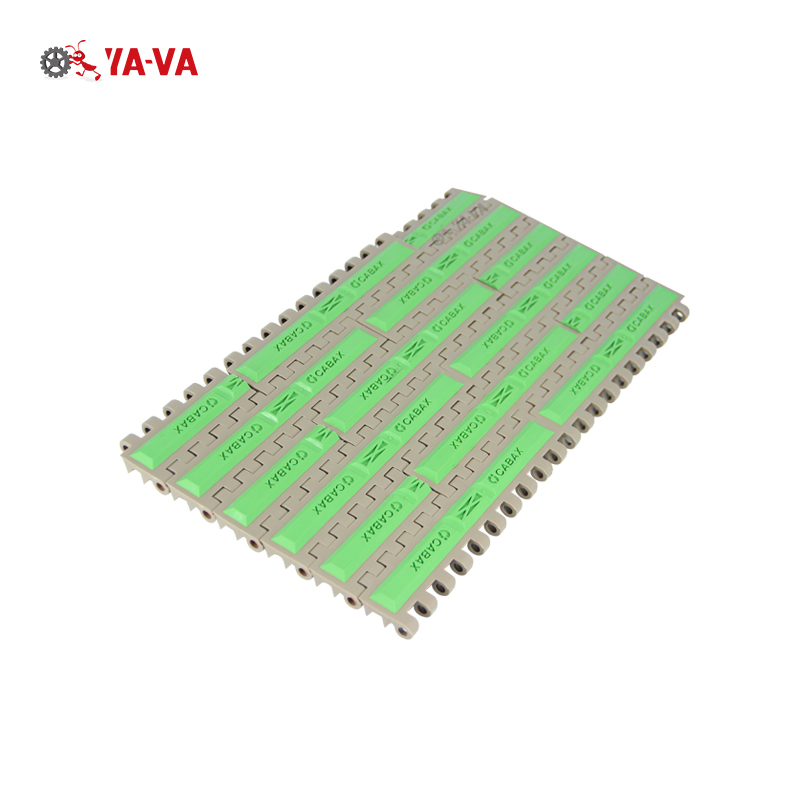
Key technological advances focus on low-friction Polyoxymethylene (POM) formulation, dynamic pressure-free accumulation tables, integrated vertical elevators, and magnetic curve tracking. By integrating precision-machined sprockets (such as the SS881 series) with specialized slat-top chain links (such as the SC881 series), manufacturers achieve smooth transfer points, reduced noise emissions below 65 dB, and dramatically enhanced belt lifespan even under continuous 24/7 heavy-duty pasteurization or freezing cycles.
Deep Application Scenarios Across Food & Beverage Lines
Tailored mechanical belting configurations built to solve complex container handling challenges from raw washing to final case packing.
1. High-Speed PET, Glass & Aluminum Bottling Lines
Bottling lines for mineral water, soft drinks, beer, and dairy products require flawless container stability. Single-file and mass-handling slat chain conveyors utilize flat-top, side-flexing, and low-friction plastic chains to handle fragile glass containers and light-weighted PET bottles without scuffing, tipping, or neck-jamming.
2. Thermal Processing, Pasteurization & Cooling Tunnels
Canned soups, hot-fill juices, and craft beers undergo extreme thermal shocks during processing. Modular mesh belt conveyors (such as the YS300 series) exhibit superior thermal tolerance (-40°C to +90°C), optimized open area percentages for uniform thermal exchange, and robust lateral strength against thermal expansion deformities.
3. Vertical Elevation & Floor-Space Optimization
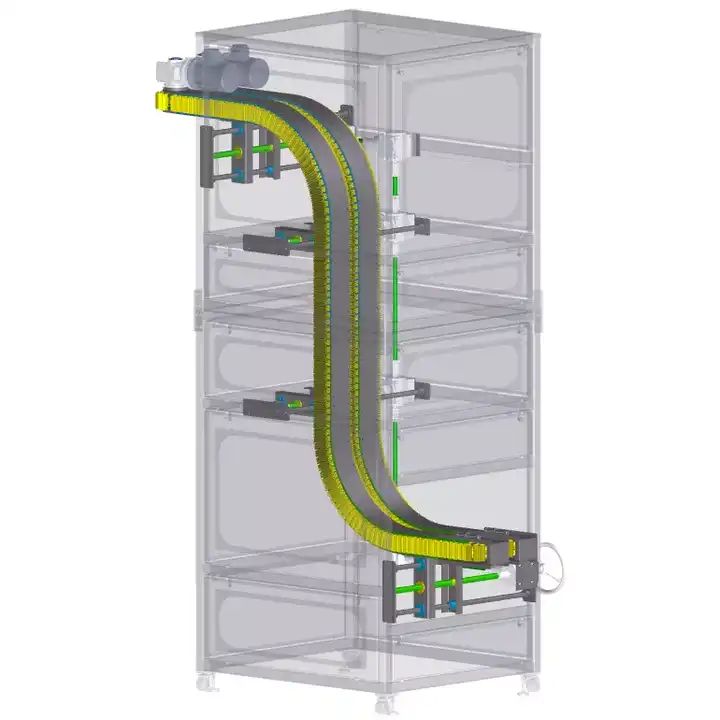
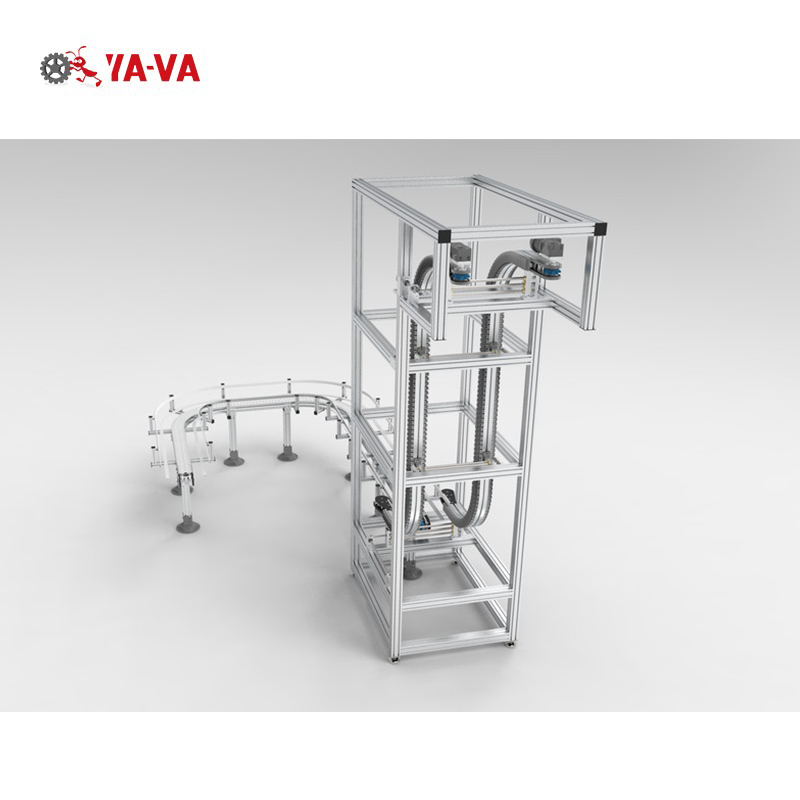
Plant real estate is highly valuable. Wedge gripper conveyors and spiral elevators vertically transport filled bottles, aluminum cans, or cardboard cartons across elevated plant levels. Flexible rubber-lined gripper chains clamp product walls securely without inflicting surface damage, permitting incline angles up to 90 degrees.
4. Dry Food & Bulk Ingredient Inclines
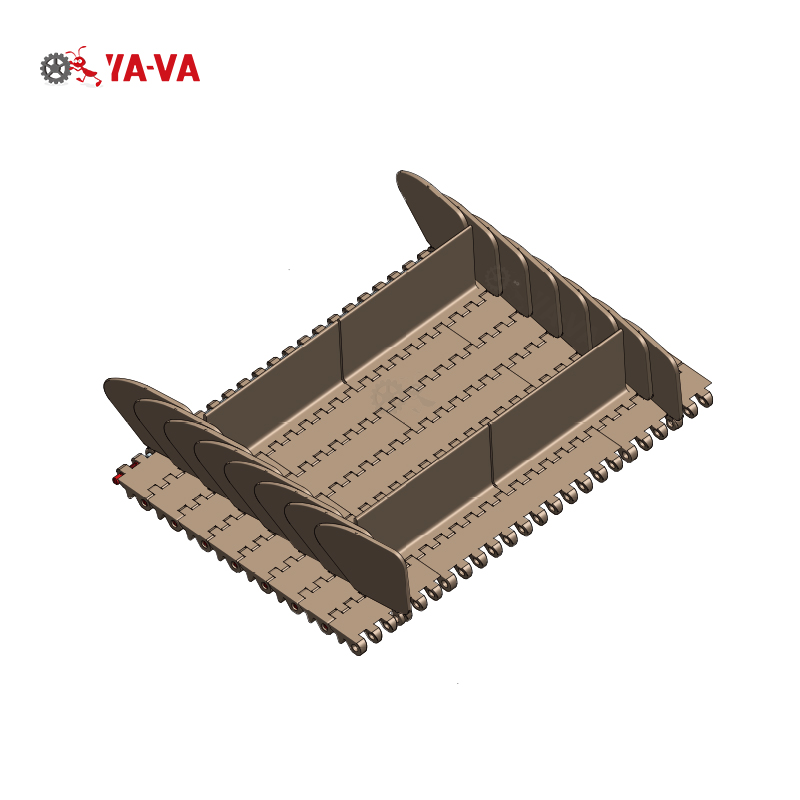
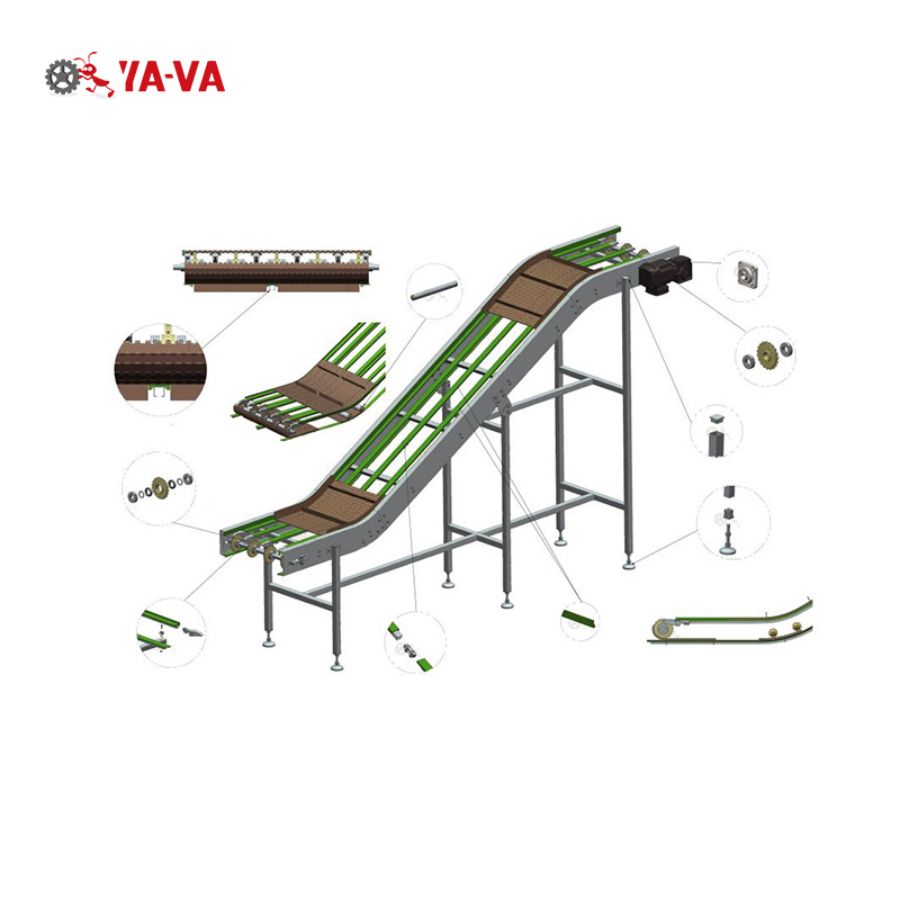
For snack foods, confectioneries, and bulk raw ingredients, POM modular belts equipped with integrated flights and corrugated sidewalls retain materials securely during steep incline conveying, preventing back-slippage and cross-contamination.
Engineering Material Selection & Technical Buyers Guide
Understanding plastic polymers, surface structures, and sprocket mechanical engagement for maximum system longevity.
Our Strength
We are an independent company that has developed, produces and also maintains the conveyor system to ensure that our customers receive the most cost effective solutions available today.





about us
YA-VA is a leading high-tech company providing intelligent conveyor solutions.
And it consists of Conveyor Components Business Unit;Conveyor Systems Business Unit; Overseas Business Unit (Shanghai Daoqin International Trading Co., Ltd.) and YA-VA Foshan Factory.

CHAIN CONVEYORS
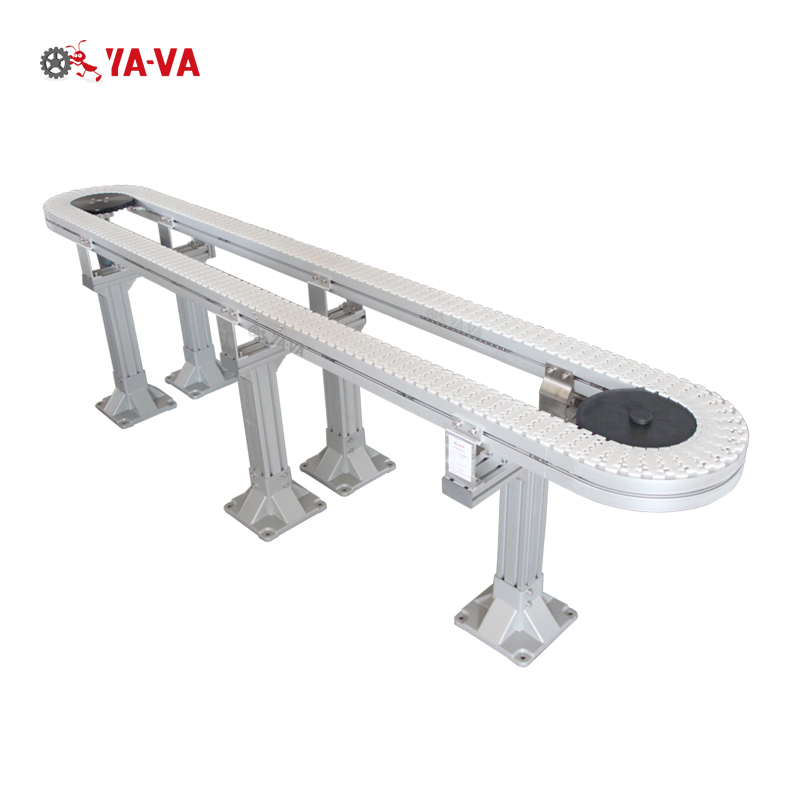
Flexible slat chain conveyor products lines cover a wide range of applications.These multiflexing conveyor systems use plastic chains in many configurations....
Feature Products
More than 20 years focusing on transportation machinery R&D development and manufacturing, In the future Stronger and bigger in the industry scale and brand


Advanced Food & Beverage Conveying Portfolio
Explore our extended industrial range of wedge elevators, curved rollers, modular mesh belts, and flexible plant chain conveyors.

Smart Conveying Solutions & Preventive Maintenance Protocols
Integrating IoT telemetry and predictive maintenance to ensure uninterrupted beverage packaging operations.
Industry 4.0 IoT Integration in Beverage Belting
The modern digital factory requires real-time diagnostic visibility. Next-generation beverage conveyor belts feature integrated sensor brackets, photo-electric eye tracking, and automated frequency inverters (VFDs). Key dynamic capabilities include:
- Dynamic Speed Synchronization: Automatically match conveyor slat speed to upstream blow-molders and downstream casing machines to eliminate line pressure bottle crushing.
- Automated Lubrication Control: Programmed dry lubrication dosing units that apply micro-coatings only during operational cycles, slashing chemical usage by up to 70%.
- Thermal Sensor Monitoring: Continuous bearing and motor temperature surveillance to detect alignment wear before unexpected failure occurs.
Best Practice Maintenance & Cleaning Protocols
Maintaining high OEE across food-grade conveyors requires structured maintenance guidelines. Implementing proper mechanical practices extends chain tensile resilience and sprocket gear engagement life:
- Regular Sprocket Tooth Inspection: Check drive sprockets (such as SS881 series) for hooked tooth wear. Worn sprockets cause chain jumping and premature belt rod elongation.
- Hygienic Clean-in-Place (CIP) Flushing: Execute high-pressure hot water spray flushes (60°C - 70°C) with food-grade sanitizing detergents to strip organic syrup residue from modular hinge pin pockets.
- Catenary Sag & Tension Calibration: Ensure proper catenary return sag behind the drive shaft to accommodate belt thermal contraction in chillers or expansion in hot tunnels.
news and information
YA VA Looks Forward to Welcoming You in June 2026

YA-VA Thailand Bangkok PROPAC
YA-VA Thailand Bangkok PROPACK exhibition concluded successfully two days ago. We would like to express our sincere gratitude to all our valued customers for visiting our booth. Your support is the driving force behind our progress. BOOTH NO:AY38 We sincerely inv...
What is the difference between chain and belt conveyor? How many types of conveyor chains are there?
What is the difference between chain and belt conveyor? Chain conveyors and belt conveyors are both used for material handling, but they differ in design, function, and applications: 1. Basic Structure Feature Chain Conveyor Belt Conveyor Driving Mechanism Uses ...