- No.1068, Nanwan Rd, Kunshan city 215341, Jiangsu Province, P. R. China
- info@ya-va.com
- +86 18017127502
The Evolution of Conveyor Modular Belts in the Dairy Industry
The global dairy sector operates under some of the most stringent sanitary regulations in the food and beverage industry. From raw milk reception and pasteurization to cheese molding, yogurt filling, and final packaging, maintaining absolute hygiene while maximizing throughput is a continuous challenge. Traditional conveying systems, which often relied on PVC or fabric belts and heavy metal chains, frequently fall short in modern dairy facilities. These older systems are prone to fraying, harboring bacteria in hard-to-clean joints, and experiencing frequent downtime due to tracking issues and tension adjustments.
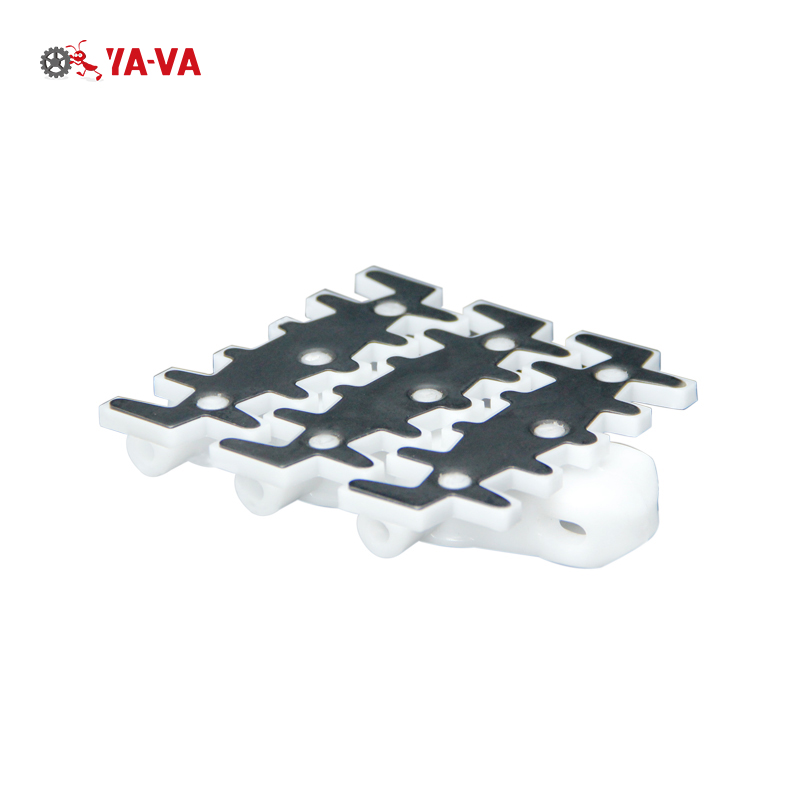
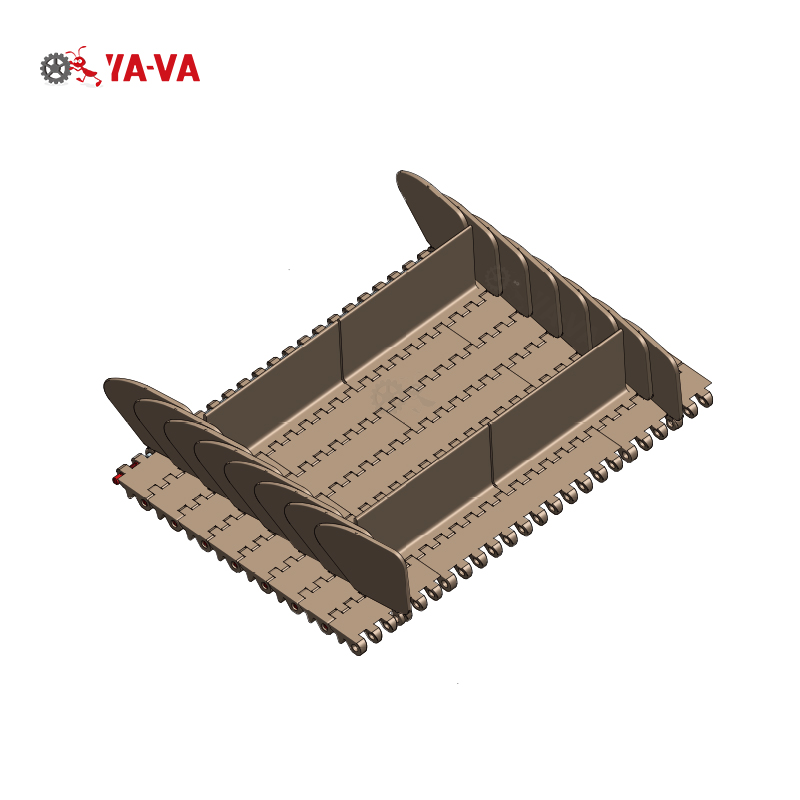
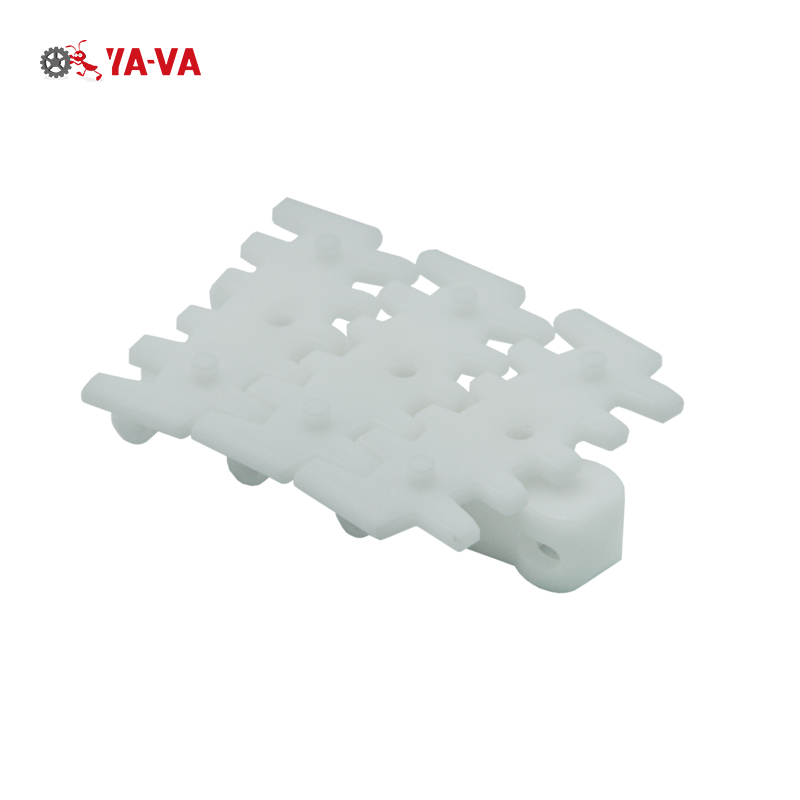
To address these challenges, the integration of a specialized conveyor modular belt for dairy industry applications has become the standard for modern processing plants. Modular plastic belts are constructed from interlocking plastic segments driven by high-precision sprockets. This design eliminates tracking issues, reduces belt tension requirements, and offers unparalleled ease of cleaning, making it the perfect match for the wet, high-humidity, and temperature-variable environments typical of dairy processing.
Uncompromised Hygiene & FDA Compliance
Our modular conveyor belts are engineered using FDA-approved and 3-A sanitary standard compliant materials, featuring open-hinge structures that enable efficient Clean-in-Place (CIP) washdowns, minimizing microbial contamination risks.
Commercial & Industrial Status of Dairy Conveying
Commercially, the dairy industry is facing rising demand for diverse products, including plant-based dairy alternatives, specialized cheeses, and high-protein yogurts. This diversification requires production lines to be highly flexible and capable of rapid product changeovers. Conveyor modular belts provide the modularity needed to quickly reconfigure lines, change flights, or adjust side guards to accommodate different packaging sizes and formats.
Industrially, the focus has shifted toward reducing water consumption and chemical usage during cleaning cycles. Traditional belts require hours of manual scrubbing and massive volumes of hot water to sanitize. In contrast, modern modular belts with open-hinge designs allow water and sanitizing agents to penetrate directly through the hinges, reducing clean-up times by up to 50% and significantly lowering utility costs. This operational efficiency directly boosts the bottom line of dairy processing plants, making modular belts a highly cost-effective long-term investment.
Technical Analysis: Material Selection for Dairy Environments
Choosing the right material for a conveyor modular belt for dairy industry applications depends heavily on the specific stage of the production process. The three most common materials used include:
- Polyethylene (PE): Best suited for low-temperature applications, such as milk cold storage rooms, ice cream freezing tunnels, and hardening areas. PE remains flexible at temperatures as low as -70°C and offers excellent impact resistance.
- Polypropylene (PP): Ideal for high-temperature processes like pasteurization, bottle rinsing, and hot-fill lines. PP offers high chemical resistance to aggressive cleaning agents but can become brittle at very low temperatures.
- Polyoxymethylene (POM / Acetal): Renowned for its high tensile strength, low coefficient of friction, and superior wear resistance. POM is widely used in high-speed bottling, packaging lines, and heavy-duty case conveying where durability and smooth product transfer are paramount.
In-Depth Application Scenarios in Dairy Processing
1. Milk Bottling and Filling Lines
High-speed liquid filling demands absolute stability to prevent product spillage. Modular belts with flat, low-friction surfaces ensure that plastic jugs, glass bottles, and cartons slide smoothly during accumulation phases. The positive sprocket drive prevents slippage even when the belt is wet from condensation or product overflow, maintaining precise line synchronization with filling and capping machines.
2. Cheese Slicing, Molding, and Packaging
Cheese processing presents unique challenges due to the sticky nature of the product and the presence of acidic whey. Modular belts with non-stick surface textures and specialized flights prevent cheese blocks from adhering to the belt surface. Additionally, the open-area designs allow whey to drain freely, maintaining a clean processing environment and preventing product degradation before packaging.
3. Yogurt Cup Handling and Sorting
Yogurt filling lines require gentle handling to preserve product integrity and prevent seal failures. Curved modular belts allow for smooth, continuous transitions around corners without the need for transfer plates, reducing the risk of cup tipping and product damage. Integrated dynamic transfer grids ensure seamless transfers between different conveyor sections.
Smart Predictive Maintenance Integration
Modern modular conveyor systems are increasingly integrated with IoT sensors that monitor belt tension, temperature, and wear, allowing operators to perform predictive maintenance and avoid costly unplanned downtime.
Future Trends: AI and Sustainability in Dairy Conveying
As the dairy industry transitions toward Industry 4.0, conveyor systems are becoming smarter. Future trends point to the integration of AI-driven sorting mechanisms that work in tandem with modular belts. For example, high-speed vision systems can detect damaged packaging on a modular belt and trigger automated pneumatic sorters to redirect the product without stopping the line. Furthermore, sustainability is driving the development of bio-based or fully recyclable plastic materials for modular belts, helping dairy manufacturers meet their strict environmental and carbon footprint targets.

Chain Conveyors
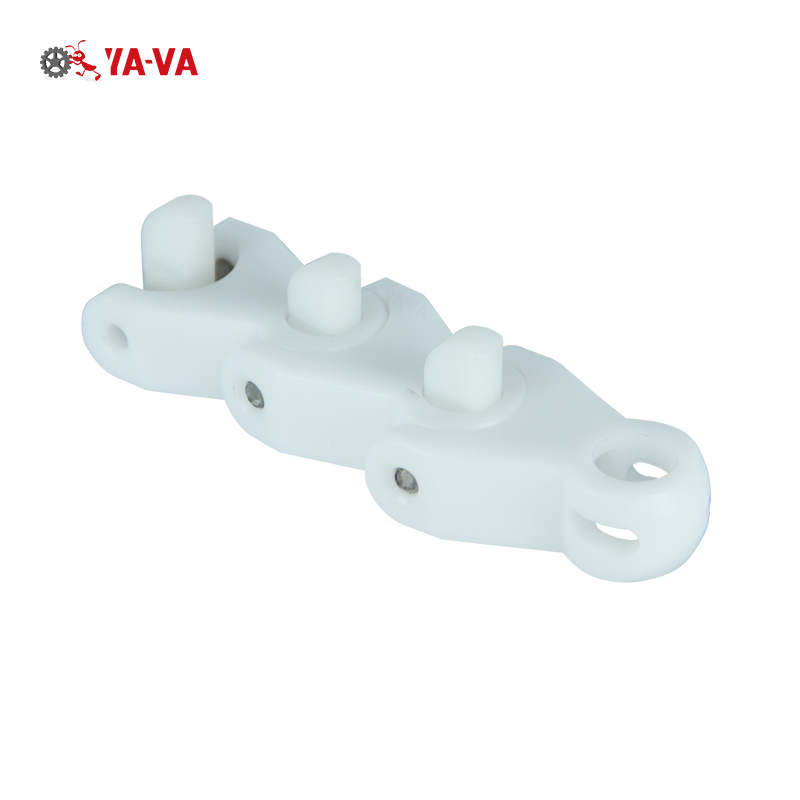
Flexible slat chain conveyor product lines cover a wide range of applications. These multiflexing conveyor systems use plastic chains in many configurations to handle complex layouts in modern dairy plants.
Get in touchOur Strength
We are an independent company that has developed, produces and also maintains the conveyor system to ensure that our customers receive the most cost effective solutions available today.

+300
Dedicated Employees

3
Operating Units

+30
Countries Represented

+1000
Projects per Year

About Us
YA-VA is a leading high-tech company providing intelligent conveyor solutions. Our comprehensive capabilities span across design, manufacturing, and global distribution of state-of-the-art conveyor components and systems.
Our organization consists of the Conveyor Components Business Unit, Conveyor Systems Business Unit, Overseas Business Unit (Shanghai Daoqin International Trading Co., Ltd.), and the YA-VA Foshan Factory, working together to deliver excellence.
Read MoreFeatured Dairy Conveying Systems
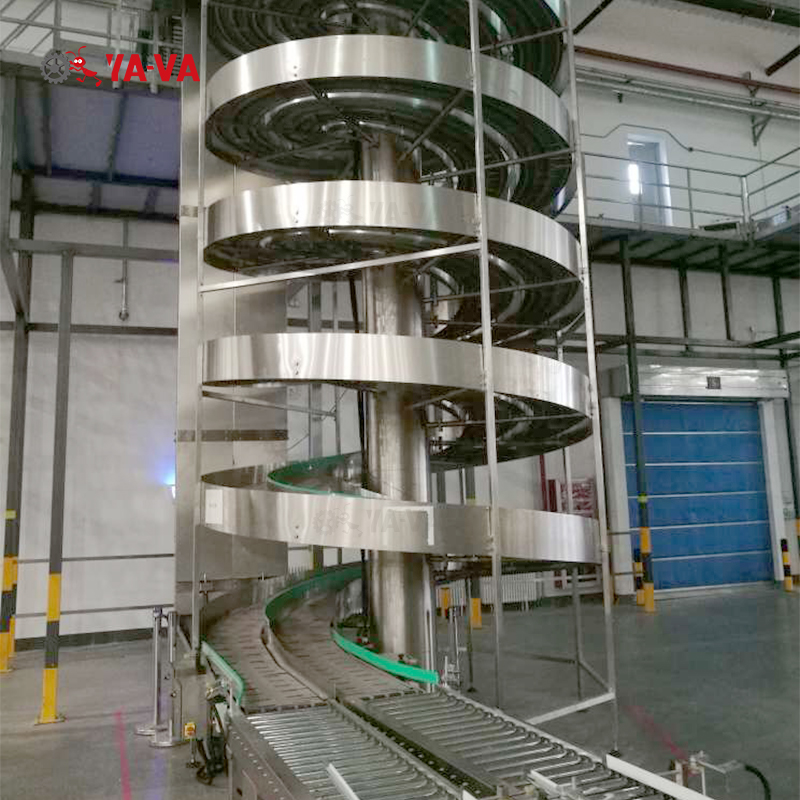
Double Lane Chain Spiral Conveyor for Dairy Cartons
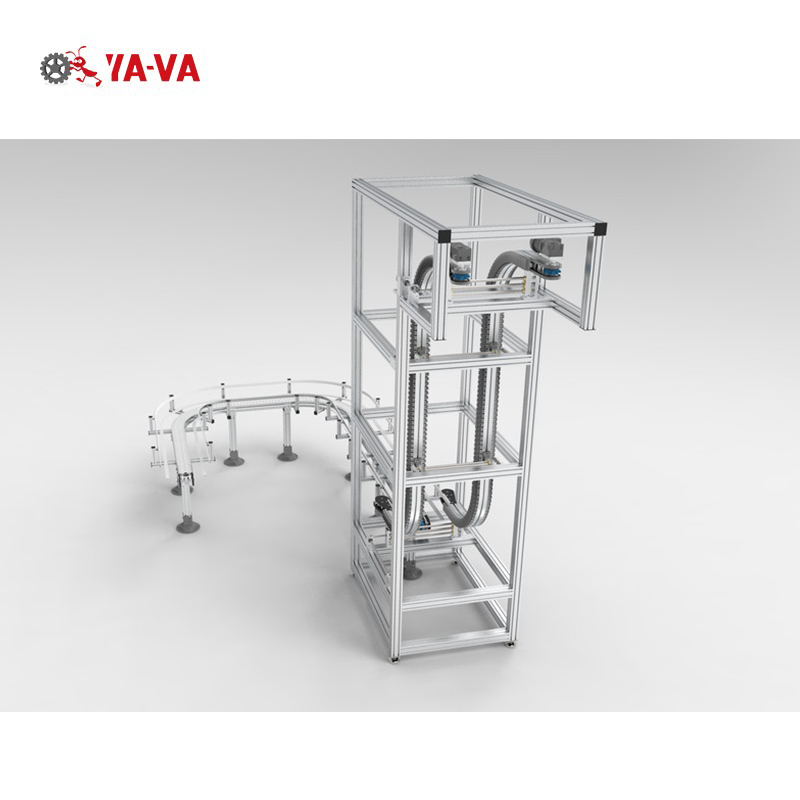
Wedge Conveyors for Dairy Bottle Elevation
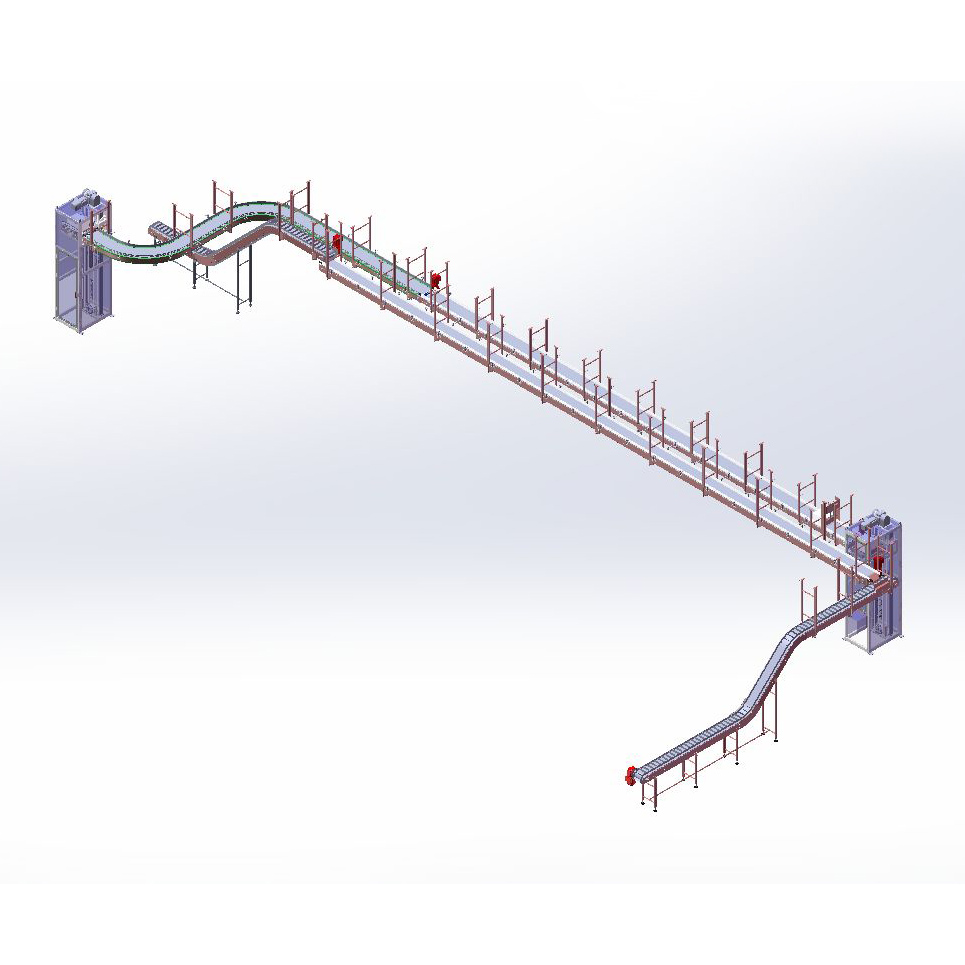
Continuous Vertical Conveyor Lift for Dairy Pallets & Bags
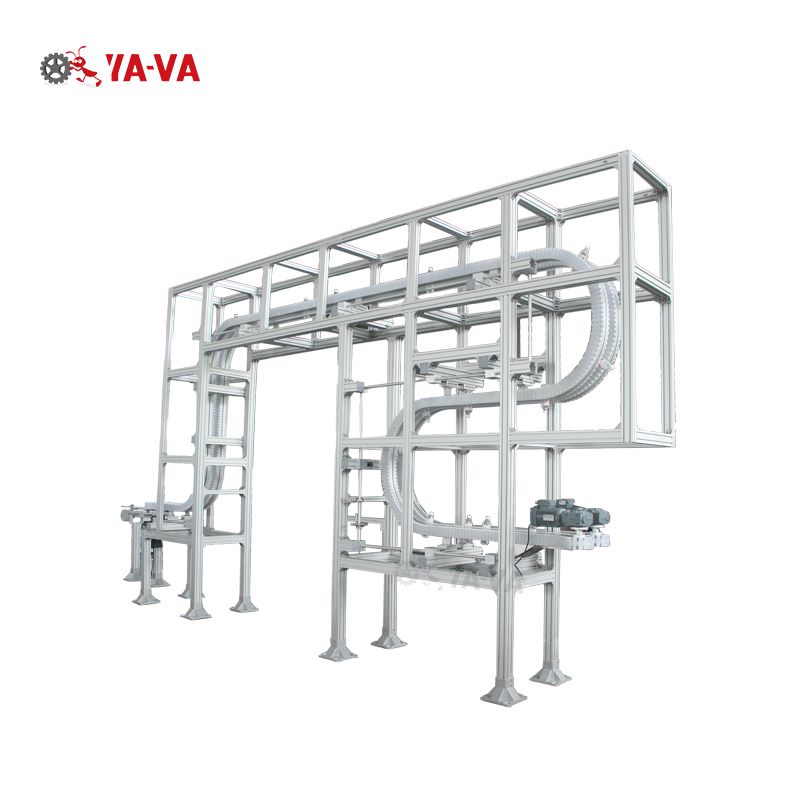
YA-VA Wedge Conveyor System - High-Speed Lift

YA-VA Straight Modular Belt Conveyor for Packaged Cheese

Plastic Roller Curved Conveyor for Dairy Box Accumulation

Chain Driven Curved Roller Conveyor for Heavy Milk Trays

New Flexible Gripper Conveyors for Yogurt & Bottle Rinsing
News and Information
YA VA Looks Forward to Welcoming You in June 2026
Stay tuned for our upcoming exhibitions and live demonstrations of the latest sanitary conveying technologies designed for global food safety standards.

YA-VA Thailand Bangkok PROPAC
Our exhibition concluded successfully. We express our sincere gratitude to all our valued customers for visiting our booth. Your support drives our innovation.
What is the difference between chain and belt conveyor?
Understanding the fundamental design, function, and application differences between chain and belt conveyors to optimize your dairy production line layout.
Our Cooperative Partners