- No.1068, Nanwan Rd, Kunshan city 215341, Jiangsu Province, P. R. China
- info@ya-va.com
- +86 18017127502
Featured Industrial Conveyor Components
Engineered for low friction, high durability, and maximum throughput in modern automated smart factories.
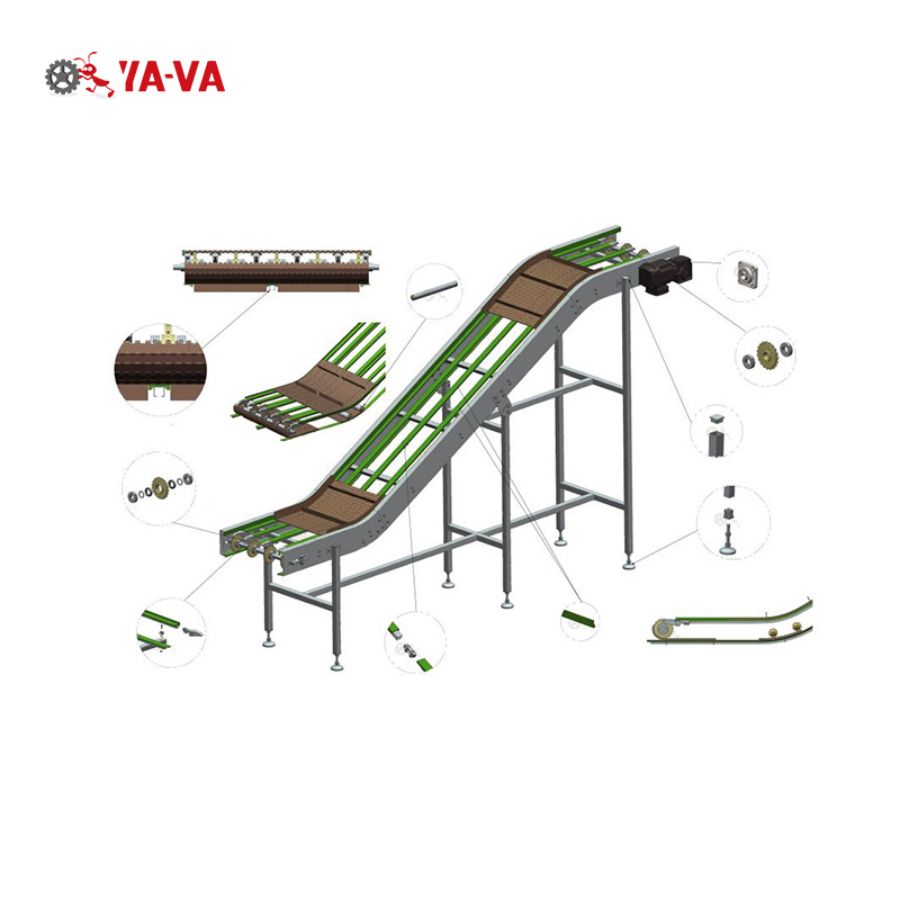
Industrial Landscape: Factory Conveyor Belt Systems in Japan
Japan stands as one of the world's most sophisticated hubs for industrial manufacturing, robotics, and automated production. Known worldwide for the philosophy of Monozukuri (craftsmanship and operational perfection), Japanese facilities require factory conveyor belt systems that exceed strict performance metrics in reliability, noise reduction, hygienic cleanability, and energy efficiency. From automotive giants in Aichi Prefecture to semiconductor cleanrooms in Kyushu and high-speed bento packaging lines in Tokyo and Osaka, industrial conveyor belts form the vital circulatory system of Japanese smart factories.
As Japanese manufacturers increasingly adopt Industry 4.0 paradigms, the demand for modular plastic belts, flexible slat chain conveyors, continuous vertical lifters, and anti-static ESD conveyor tracks has grown exponentially. Top-tier factory conveyor belt suppliers serving Japan must not only supply standard belt hardware but also engineer custom, space-saving conveyor pathways capable of handling compact facility layouts, complex curvature, high load speeds, and strict cleanroom protocols.
Ultra-Precision & Micro-Tolerances
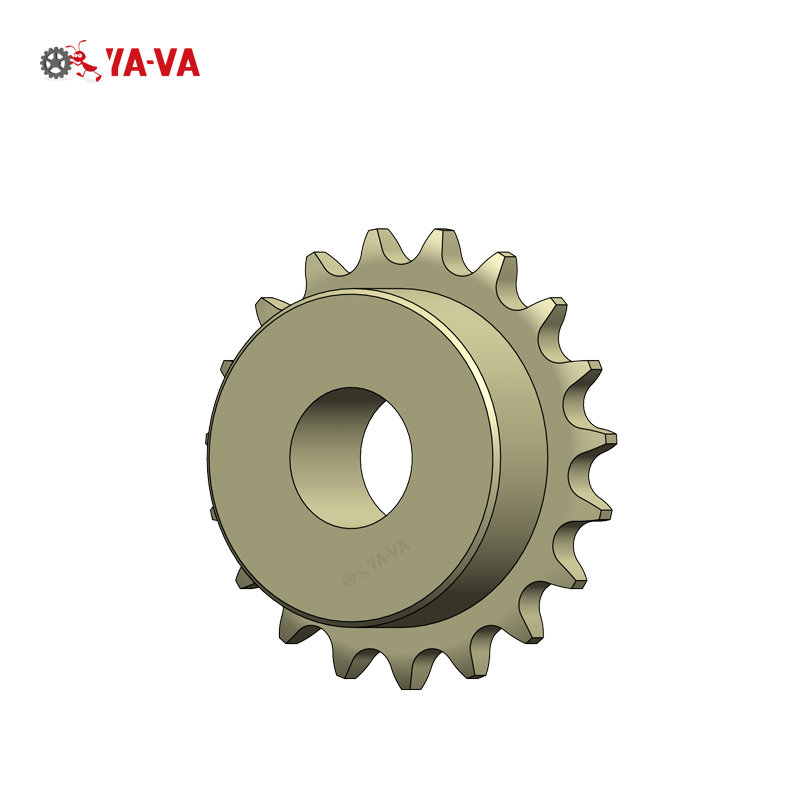
Japanese automated assembly systems demand sub-millimeter indexing accuracy. Advanced POM modular belts and precision-machined sprockets ensure zero slip, minimal vibration, and smooth transfers for delicate micro-electronics and automotive components.
Sanitary Cleanroom Compliance
Food processing, medical device, and pharmaceutical plants across Kanto and Kansai rely on FDA-compliant, washdown-ready plastic modular belts and open-flush stainless steel frames designed to mitigate bacterial retention.
Compact & Vertical Floor Optimization
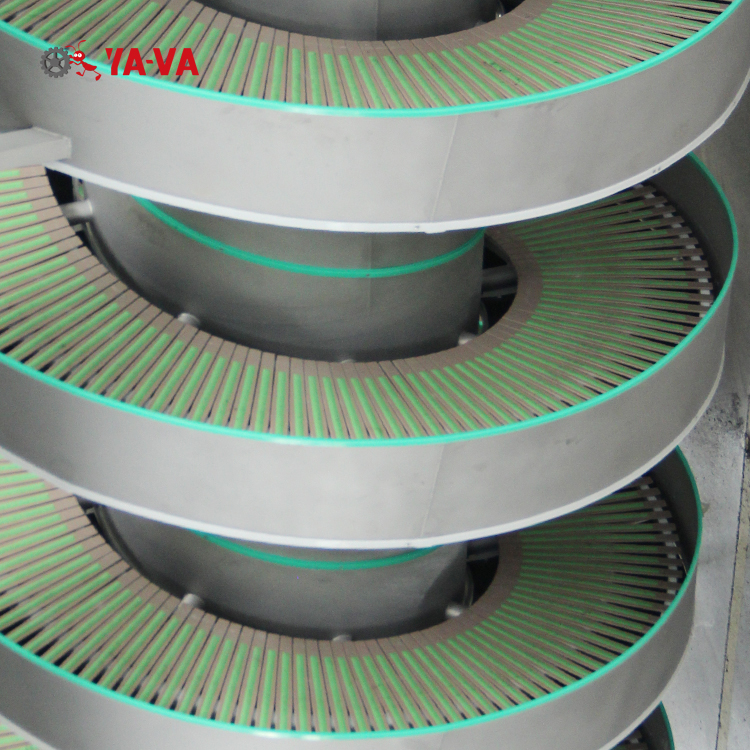
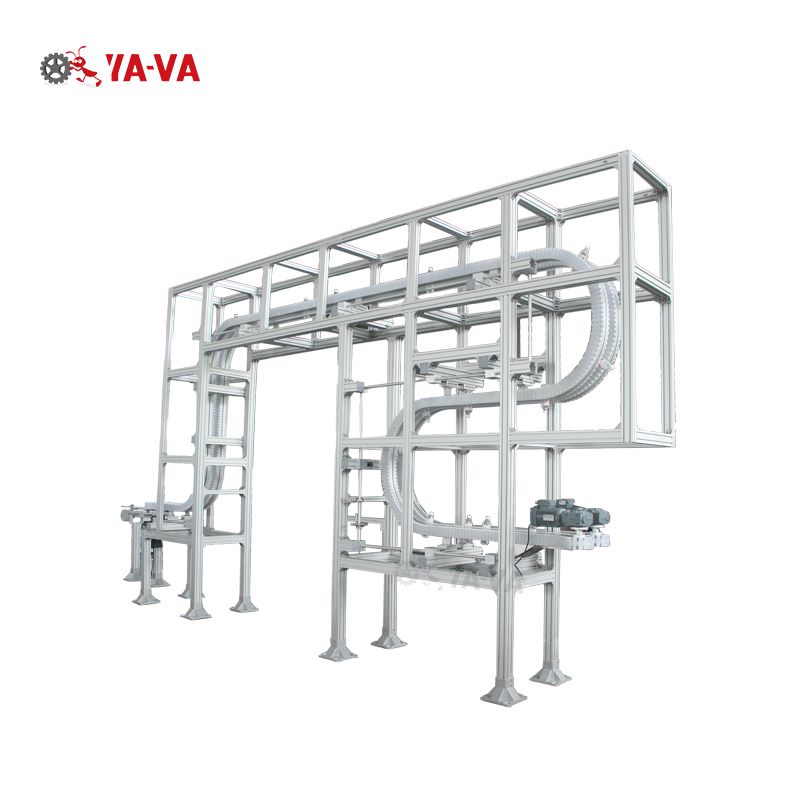
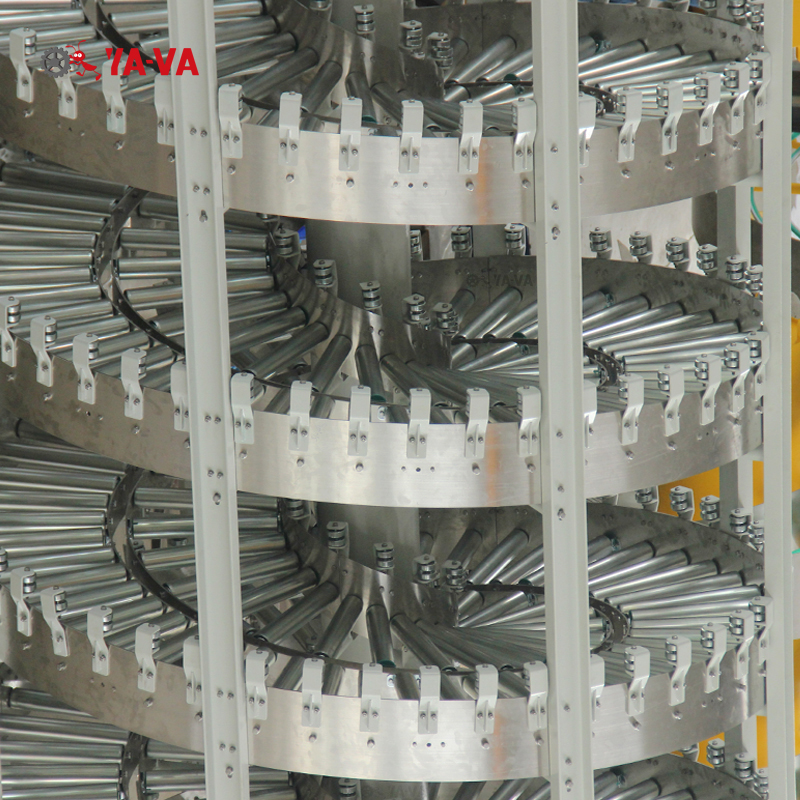
With industrial real estate carrying high premium costs in urban hubs like Yokohama, Saitama, and Kobe, vertical spiral conveyors and flexible wedge elevator belts maximize vertical air space while reducing total floor footprint.
Key Trends Shaping Japan’s Industrial Conveyor Industry
The industrial conveyor market in Japan is undergoing a rapid evolution, propelled by workforce demography shifts, hyper-automation, and rigorous sustainability mandates:
1. Integration with Collaborative Robots (Cobots) & AGVs
Modern conveyor belts supplied to Japanese factories are no longer static transportation lines. They interact dynamically with Autonomous Mobile Robots (AMRs) and automated guided vehicles. Modular belts equipped with optical sensors, RFID tracking tags, and variable frequency drives (VFD) allow seamlessly synchronized stop-and-go indexing during robotic assembly.
2. Low-Friction & Energy Efficient Materials
With Japan's commitment to achieving carbon neutrality by 2050, factories are phasing out heavy, high-friction traditional rubber belts in favor of lightweight polyacetal (POM) and polypropylene (PP) plastic modular chains. These advanced polymers reduce motor torque requirements, lowering overall energy consumption by up to 30% per transport line.
3. High-Flexibility Modular Slat & Gripper Chain Lines
Complex conveyor routing—including 90-degree turns, 180-degree loops, and incline/decline transitions—is crucial for high-density production halls. Flexible side-gripping wedge conveyors and curved flat-top chain conveyors facilitate continuous product flow without requiring manual touchpoints or complex transfer turntables.
Our Strength
We are an independent company that has developed, produces and also maintains the conveyor system to ensure that our customers receive the most cost effective solutions available today.





About Us
YA-VA is a leading high-tech company providing intelligent conveyor solutions. It consists of Conveyor Components Business Unit; Conveyor Systems Business Unit; Overseas Business Unit (Shanghai Daoqin International Trading Co., Ltd.) and YA-VA Foshan Factory.
Read MoreLocalized Application Scenarios across Japanese Prefectures
Understanding regional industrial clusters in Japan allows factory conveyor belt suppliers to provide specialized equipment optimized for unique production environments:
1. Automotive & EV Battery Manufacturing (Aichi / Nagoya Region)
In Toyota City, Nagoya, and surrounding Tokai industrial parks, production lines process heavy vehicle parts, powertrains, and emerging Lithium-Ion EV battery cells. Conveyors used here require high tensile strength, oil/chemical resistance, and extreme impact tolerance. Heavy-duty flat top chains and steel-reinforced plastic modular belts play a crucial role in maintaining continuous assembly speeds without elongation or joint failure.
2. Food Processing & Convenience Store Bento Packaging (Kanto / Kansai)
Japan’s massive ready-to-eat meal industry operates on stringent hygiene protocols. Production facilities across Tokyo, Chiba, Kanagawa, and Osaka utilize open-mesh modular belts for quick washdowns, blanching, freezing, and automated packing. Non-stick POM surfaces prevent food sticking, while stainless steel curve conveyors enable high-density packaging within limited room dimensions.
3. Semiconductor & Precision Electronics Cleanrooms (Kyushu - "Silicon Island")
Kyushu (Kumamoto, Fukuoka) has re-emerged as a global hub for semiconductor manufacturing. Cleanroom conveyor lines in microchip wafer fab plants must meet strict ISO Class 4 or 5 cleanroom standards. Specialized anti-static (ESD) plastic chain conveyors eliminate electrostatic discharge risks that could damage microscopic silicon circuits.
4. Pharmaceutical Bottling & Cosmetics Logistics (Shizuoka / Hyogo)
Pharmaceutical bottling plants demand high-speed vertical elevation and gentle bottle handling. Side-gripper wedge conveyors and single-lane spiral elevators move glass vials, medicine bottles, and cosmetic containers vertically between floors or cleanroom chambers without risking tip-overs, breakage, or cosmetic surface scratching.

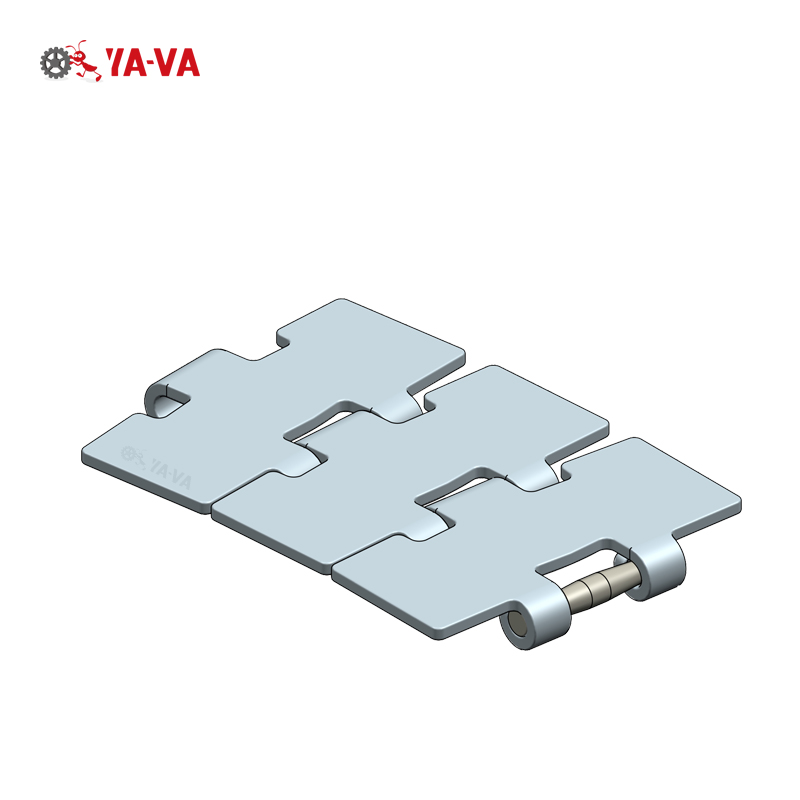
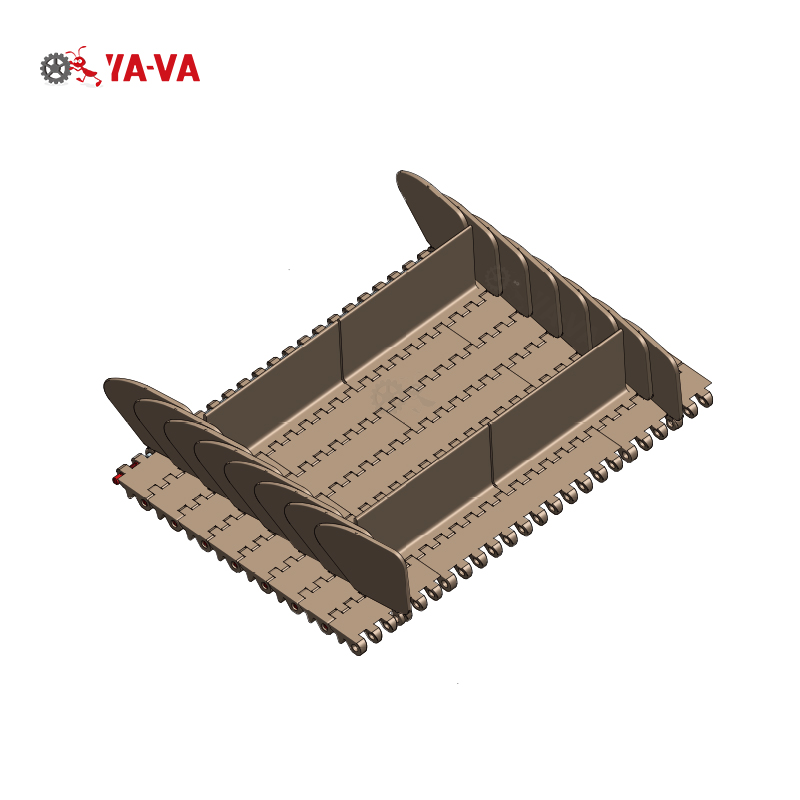
CHAIN CONVEYORS
Flexible slat chain conveyor product lines cover a wide range of applications. These multiflexing conveyor systems use plastic chains in many configurations to deliver optimal material routing through complex factory layouts.
Get in touchSpecialized Modular & Heavy-Duty Conveyor Solutions
Explore our versatile array of modular chain configurations designed for beverage lines, vertical elevators, and high-incline conveyors.
Featured Product Catalog
More than 20 years focusing on transportation machinery R&D development and manufacturing. Building a stronger and bigger brand standard across worldwide markets.


How to Choose the Best Factory Conveyor Belt Supplier in Japan
Selecting an ideal conveyor system partner requires careful evaluation of technical capabilities, material certifications, modular flexibility, and local technical support. When procuring factory conveyor equipment for Japanese manufacturing facilities, engineers should evaluate the following key parameters:
1. Belt Material & Chemical Resistance
Depending on your operating temperature and product exposure, material selection is paramount:
- Polyacetal (POM): Ideal for high load strength, low friction coefficient, and wear resistance in bottle handling, packaging, and automotive lines (-40°C to +90°C).
- Polypropylene (PP): Superior chemical resistance against aggressive acids and cleaning agents, lightweight, food-safe for wet processing (-1°C to +104°C).
- Polyethylene (PE): Outstanding cold temperature ductility, optimal for deep-freeze food processing down to -70°C.
- Stainless Steel (SUS304 / SUS316): Essential for extreme heat applications, heavy industrial forging, or strict pharmaceutical sterile washdown zones.
2. Pitch Size & Transfer Tightness
Small pitch modular belts (such as 0.5-inch or 0.75-inch pitch) minimize the dead gap during nosebar transfers. This prevents delicate packages, micro-vials, or small electronic components from tipping over or catching at transition points between adjacent conveyor sections.
3. Noise Level & Ergonomics
Japanese factory safety standards prioritize worker ergonomics and reduced ambient factory noise. Plastic flat-top chains operate significantly quieter than traditional metal rollers or steel chains, creating a safer and more pleasant operating environment in multi-shift plants.
4. Maintainability & Modular Repair
Unlike continuous rubber belts that require lengthy vulcanization or complete belt replacement upon damage, modular plastic belts allow maintenance technicians to pop out individual damaged module links in minutes, reducing unscheduled factory downtime to near zero.
News and Industry Insights
Stay updated with the latest technological developments, trade exhibitions, and industrial engineering updates from YA-VA.
YA VA Looks Forward to Welcoming You in June 2026
Join our team of automation experts at upcoming international automation expos. We will showcase our newest zero-maintenance plastic modular belts, flexible slat chain conveyors, and dynamic vertical elevators designed for global smart manufacturing hubs.
View Details →
YA-VA Thailand Bangkok PROPAK Exhibition Success
The PROPACK exhibition concluded successfully! We express our sincere gratitude to all our valued global partners and clients for visiting our booth (BOOTH NO: AY38). Your support fuels our continuous innovation in modular conveyor design.
View Details →Chain Conveyor vs. Belt Conveyor: Selection Guide
What is the technical difference between chain and belt conveyors? Learn how driving mechanisms, load capacities, curve capabilities, and hygienic cleaning procedures differ across plastic modular chains, flat top steel chains, and traditional rubber belts.
View Details →Frequently Asked Questions (FAQ)
Common technical inquiries regarding factory conveyor belt procurement, custom design, and industrial integration in Japan.