- No.1068, Nanwan Rd, Kunshan city 215341, Jiangsu Province, P. R. China
- info@ya-va.com
- +86 18017127502
Essential Food-Grade Conveying Solutions
Explore our foundational gravity conveyor modules and key system components designed to maintain hygienic integrity and streamline product movement.
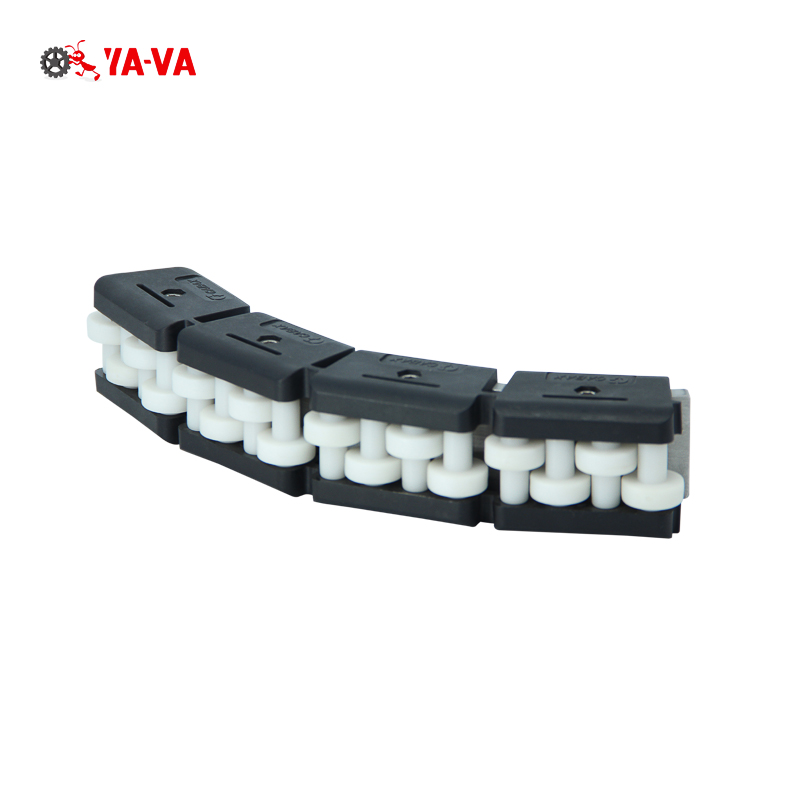
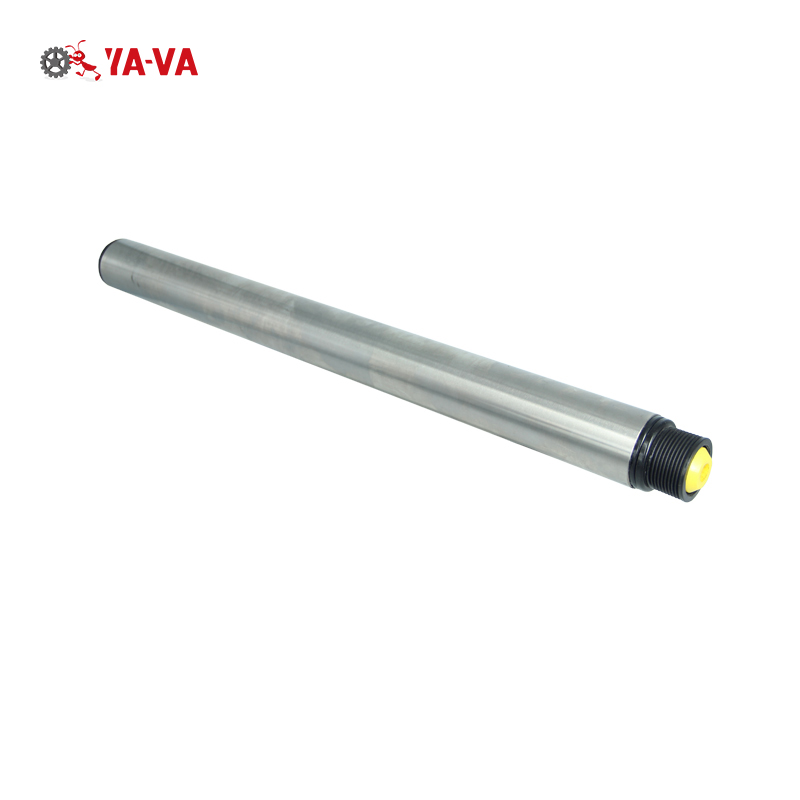
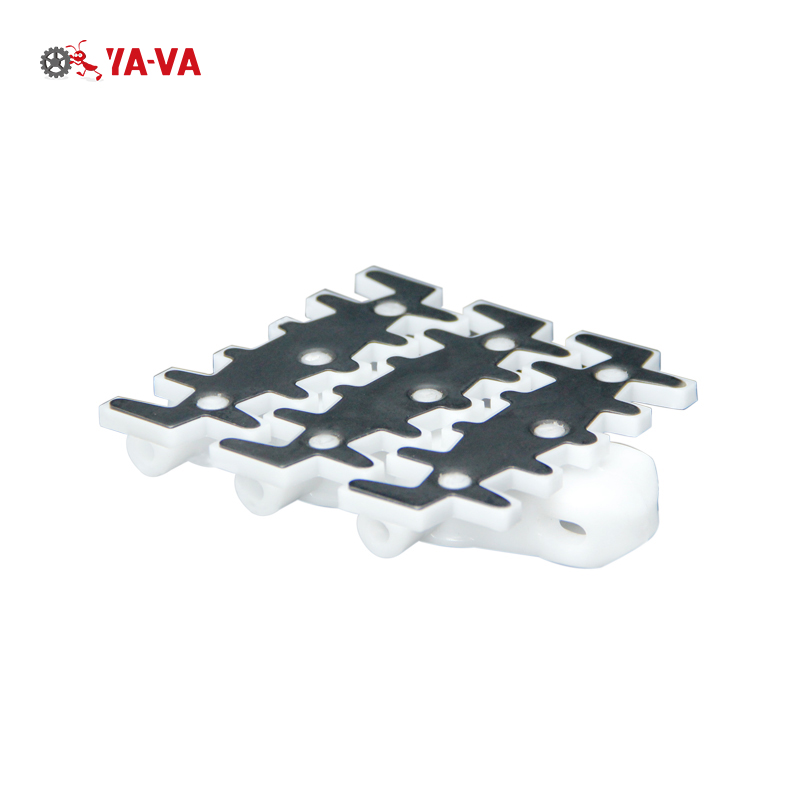
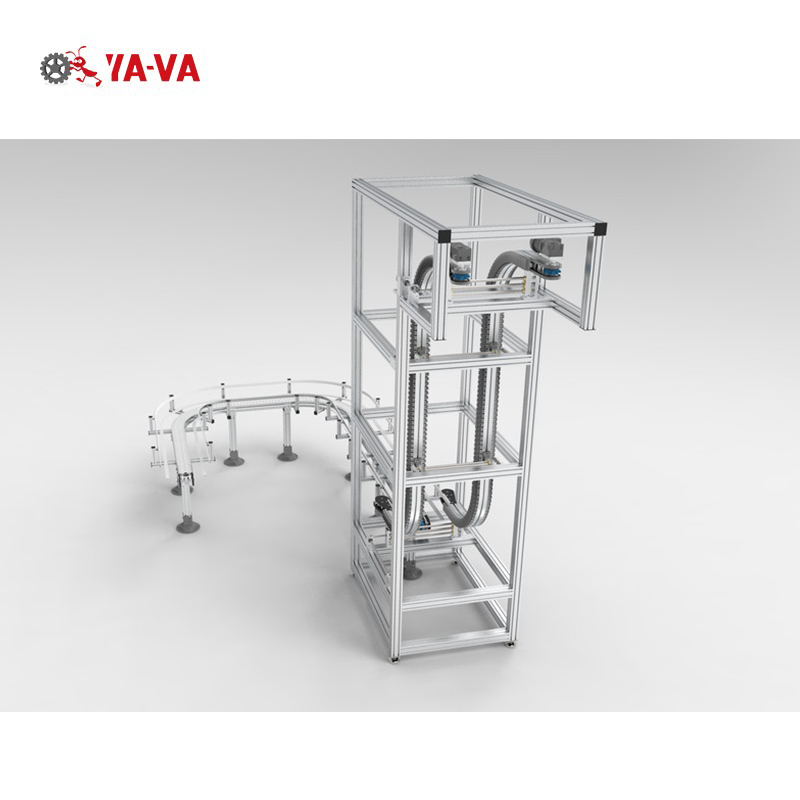
Industrial Landscape of Food-Grade Gravity Conveyors
Analyzing the critical role of gravity-driven logistics, regulatory landscapes, and engineering standards in global food manufacturing.
The Crucial Role of Gravity Conveyor Manufacturers in the Food Industry
In the fast-paced world of food manufacturing, processing, and packaging, efficiency and hygiene are paramount. Gravity conveyor manufacturers for the food industry play a pivotal role in bridging the gap between high-speed automated processing and cost-effective, energy-efficient logistics. Unlike powered conveyor systems that rely heavily on electric motors, complex gearboxes, and continuous energy consumption, gravity conveyors harness the natural force of gravity to move food products, packaged goods, and ingredients through various stages of production. This simplicity not only slashes operational costs but also minimizes mechanical wear and tear, leading to unprecedented uptime and reliability.
Industry Insight: According to global food safety initiatives, over 70% of recall incidents are linked to cross-contamination within processing facilities. Sanitary gravity conveyors engineered with open frames and non-porous materials are critical in mitigating these risks.
Sanitation and Regulatory Compliance: The Ultimate Priority
The food industry operates under some of the strictest regulatory frameworks in the world, governed by bodies such as the Food and Drug Administration (FDA), European Hygienic Engineering & Design Group (EHEDG), and the United States Department of Agriculture (USDA). Gravity conveyor manufacturers must design systems that can withstand rigorous washdown procedures, chemical sanitizers, and high-pressure hot water cleanings. This demand has shifted the manufacturing paradigm toward using high-grade stainless steel (predominantly 304 and 316 grades) and specialized food-grade plastics. Every weld must be continuous and polished, eliminating crevices where bacteria, mold, or organic residue could accumulate. Furthermore, bearings must be hermetically sealed or utilize food-grade lubricants to prevent any risk of chemical contamination of the food products.
Deep Application Scenarios in Food Processing Plants
Gravity conveyors are not a one-size-fits-all solution; their application scenarios are diverse and highly specialized:
- Bakery and Confectionery: After leaving high-temperature ovens, delicate baked goods require gentle cooling. Gravity roller conveyors and decline chutes allow freshly baked bread, pastries, and chocolates to cool naturally while transitioning smoothly to packaging stations without the crushing force of powered belts.
- Meat, Poultry, and Seafood Processing: In raw meat processing, washdown compatibility is critical. Gravity conveyors with open stainless steel frames and easily removable plastic rollers facilitate fast, thorough sanitation between shifts, preventing bacterial buildup.
- Beverage and Canning Lines: Empty cans and bottles are frequently transported using gravity-fed track systems and decline lanes. This method ensures a continuous feed to filling machines without overloading the line, utilizing accumulation zones to absorb speed variations in the production cycle.
- Secondary Packaging and Warehousing: Once food items are sealed in cartons, cases, or trays, gravity wheel and roller conveyors efficiently route them toward palletizing areas. The low-friction movement allows workers to easily handle and sort packed goods with minimal physical strain.
Our Strength & Global Footprint
Delivering reliable, cost-effective, and cutting-edge conveyor systems tailored to the unique requirements of our global food industry clients.
Engineered for Reliability
We are an independent company that has developed, produces, and also maintains advanced conveyor systems to ensure that our customers receive the most cost-effective, reliable, and hygienic solutions available today.





About YA-VA
YA-VA is a leading high-tech company providing intelligent conveyor solutions. Our comprehensive setup consists of the Conveyor Components Business Unit, Conveyor Systems Business Unit, Overseas Business Unit (Shanghai Daoqin International Trading Co., Ltd.), and the state-of-the-art YA-VA Foshan Factory. We combine advanced machinery R&D with strict quality control to deliver world-class material handling systems.
Read MoreTechnology Trends & Innovations in Gravity Systems
How modern engineering, materials science, and smart technologies are transforming traditional gravity conveyors into high-tech logistics assets.
Evolution of Materials: Beyond Standard Stainless Steel
While stainless steel remains the gold standard for structural elements, gravity conveyor manufacturers are increasingly adopting advanced polymers and composite materials. High-Molecular-Weight Polyethylene (HMWPE) and Polyacetal (POM) are now widely used for rollers, side guides, and wear strips. These materials offer exceptional wear resistance, self-lubricating properties, and low coefficients of friction. In food processing environments, this translates to quieter operation, reduced product damage, and elimination of external lubricants that could harbor bacteria. Furthermore, antimicrobial additives are being integrated directly into plastic roller formulations, providing an extra layer of defense against microbial growth on the conveyor surface itself.
Technical Focus: Low-inertia rollers are crucial for lightweight food packaging. By reducing the weight of the roller shells, manufacturers ensure that even the lightest cardboard boxes can trigger roller rotation, preventing blockages and pile-ups on decline lines.
Smart Gravity Systems: Integrating IoT and AI
The rise of Industry 4.0 has not bypassed gravity conveyors. Modern gravity systems are increasingly outfitted with smart sensors, pneumatic flow controllers, and automated sorting gates. By integrating optical sensors and RFID readers along gravity lanes, manufacturers can track product flow in real-time. If a bottleneck is detected downstream, automated brake rollers or pneumatic stops can engage to halt the flow of products, preventing pressure build-up and potential damage. This hybrid approach combines the energy-saving benefits of gravity with the precision control of powered automation, optimizing throughput without escalating energy costs.
Ergonomics and Modular Flexibility
Modern food factories must be agile, frequently changing layouts to accommodate new products or packaging sizes. Consequently, modular gravity conveyors have gained immense popularity. These systems feature lightweight, bolt-together frames and adjustable support stands that allow operators to quickly reconfigure, extend, or relocate conveyor lines. Ergonomic design is also a key focus; systems are engineered with adjustable heights and tilt angles to ensure operators can load and unload products with minimal physical fatigue, thereby enhancing workplace safety and productivity.
Featured Food Industry Conveyor Systems
Discover our range of specialized chain conveyors, modular belt systems, and curved roller configurations engineered for high-throughput food applications.

CHAIN CONVEYORS
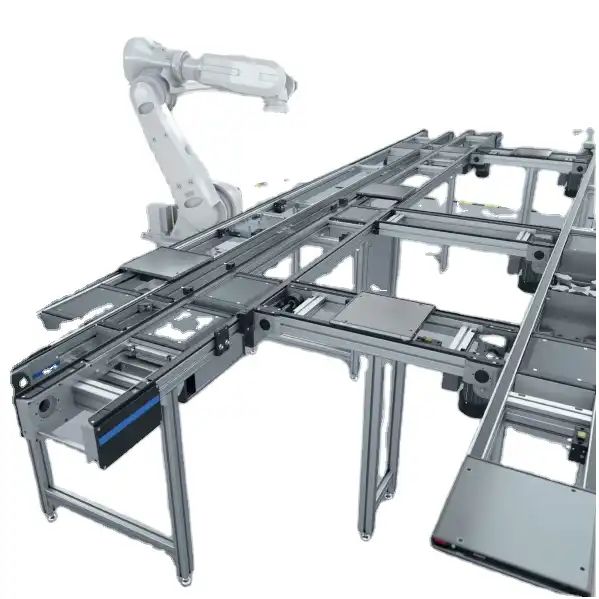
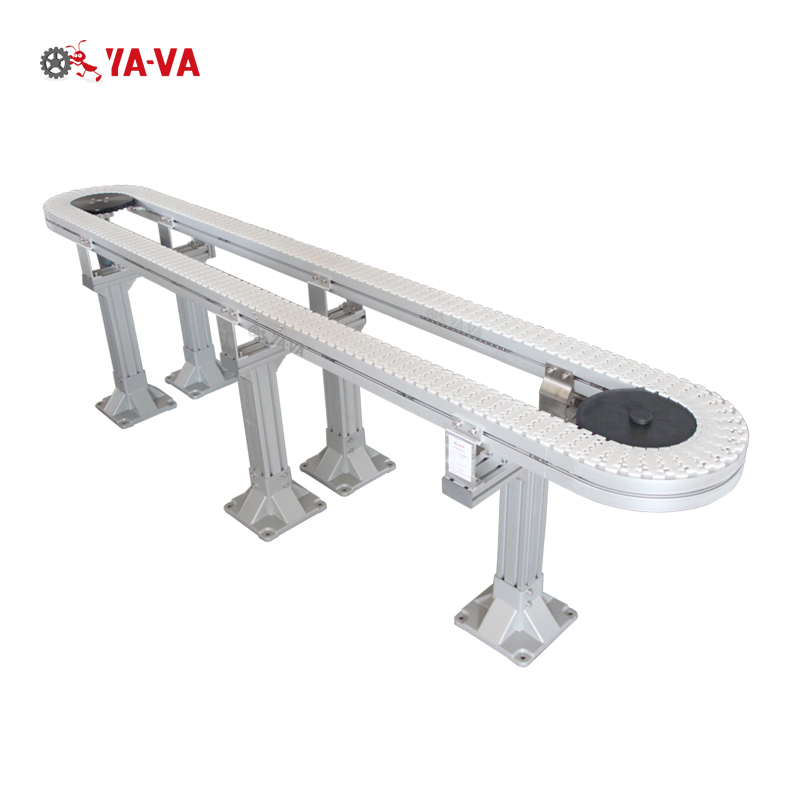
Flexible slat chain conveyor product lines cover a wide range of applications. These multiflexing conveyor systems use plastic chains in many configurations to handle diverse product shapes and delicate food packaging.
Get in TouchFeature Products
With more than 20 years focusing on transportation machinery R&D development and manufacturing, YA-VA is dedicated to building stronger and larger industry-scale brand solutions for global food processors.


Engineering Specifications for Food-Grade Gravity Conveyors
A deep dive into the mechanical details, structural choices, and design considerations that define high-quality sanitary gravity systems.
Roller Design and Bearing Selection
The heart of any gravity roller conveyor is the roller assembly. In food applications, rollers must be chosen based on the weight of the product, the environment (wet or dry), and sanitation requirements. For lightweight packages, plastic rollers made of PVC or polypropylene with stainless steel axles are preferred due to their low weight and corrosion resistance. For heavy cases or raw ingredients, stainless steel rollers are necessary. The bearings within these rollers are critical; they must be shielded or sealed to prevent ingress of water, dust, and cleaning chemicals. Ceramic bearings are also gaining traction because they do not rust and require zero lubrication, eliminating any risk of food contamination.
Frame Construction and Cleanability
The conveyor frame must support the load while preventing any accumulation of food particles or liquids. Traditional channel frames are avoided in the food industry because their U-shape can trap debris. Instead, manufacturers utilize open-frame designs, such as round tube or formed plate frames, which allow water and cleaning agents to flow off easily during washdowns. Furthermore, all joints must be continuously welded and ground smooth to eliminate pitch points and crevices. Leg supports should feature sanitary foot pads with threaded adjustments that are sealed to prevent water from entering the hollow support tubes.
Optimizing Slopes and Decline Angles
Because gravity conveyors rely on the weight of the product to initiate movement, determining the correct decline angle is a critical engineering task. If the angle is too shallow, products will stall on the line; if it is too steep, products will accelerate too quickly, leading to collisions and damage at the discharge end. Factors that influence the required slope include the product's weight, the hardness of the contact surface (e.g., cardboard box vs. plastic tray), and the type of rollers used. Gravity conveyor manufacturers conduct extensive testing to determine the optimal slope, often incorporating adjustable-tilt support stands to allow fine-tuning during installation.
News and Information
Stay updated with the latest events, exhibition highlights, and technical articles from YA-VA.
YA VA Looks Forward to Welcoming You in June 2026
Join us at our upcoming global exhibition where we will showcase our latest advancements in sanitary conveying systems and smart factory automation.

YA-VA Thailand Bangkok PROPAC
YA-VA Thailand Bangkok PROPACK exhibition concluded successfully. We express our sincere gratitude to all our valued customers for visiting our booth. BOOTH NO: AY38...
View DetailsWhat is the difference between chain and belt conveyor?
Chain conveyors and belt conveyors are both used for material handling, but they differ in design, function, and applications. Learn the structural and operational differences...
Our Cooperative Partners
Trusted by leading food brands and packaging companies worldwide to deliver robust material handling systems.






Complete Range of Conveyor System Parts & Components
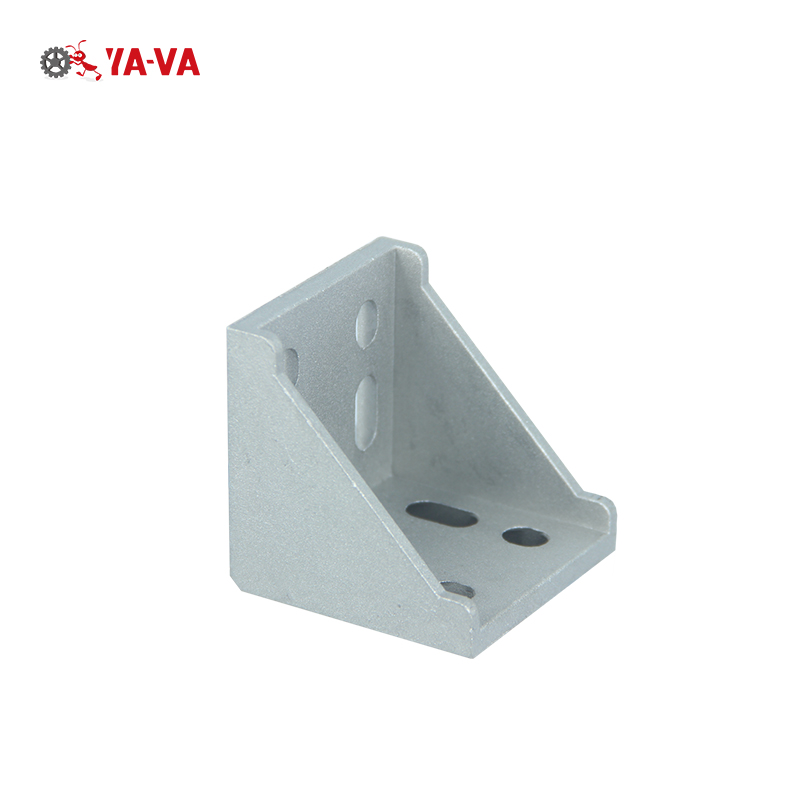
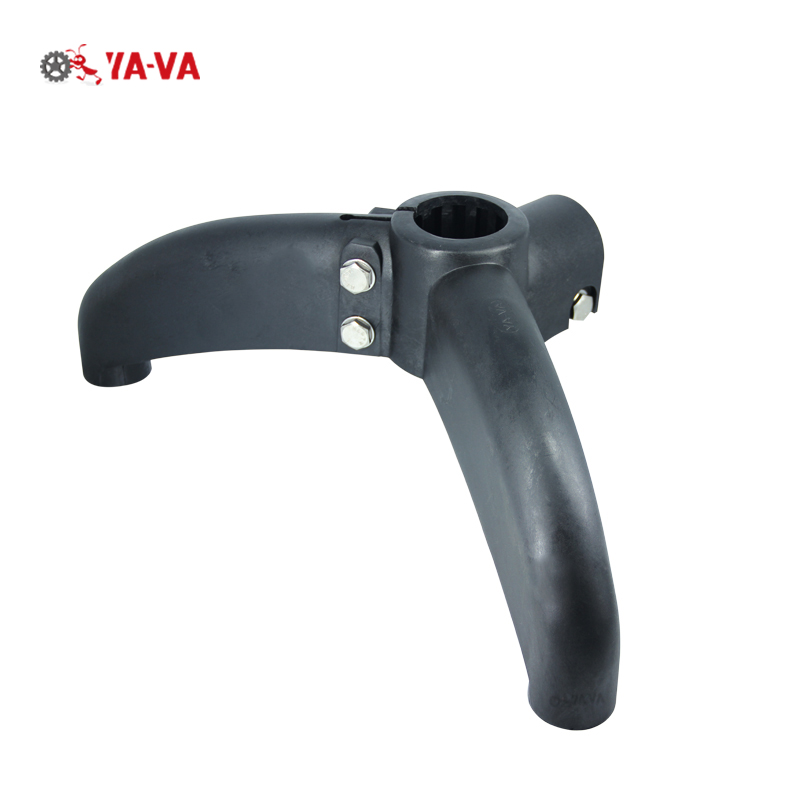
We offer a comprehensive portfolio of high-quality components, including rollers, side guides, chains, and support bases, to keep your food lines running smoothly.