- No.1068, Nanwan Rd, Kunshan city 215341, Jiangsu Province, P. R. China
- info@ya-va.com
- +86 18017127502
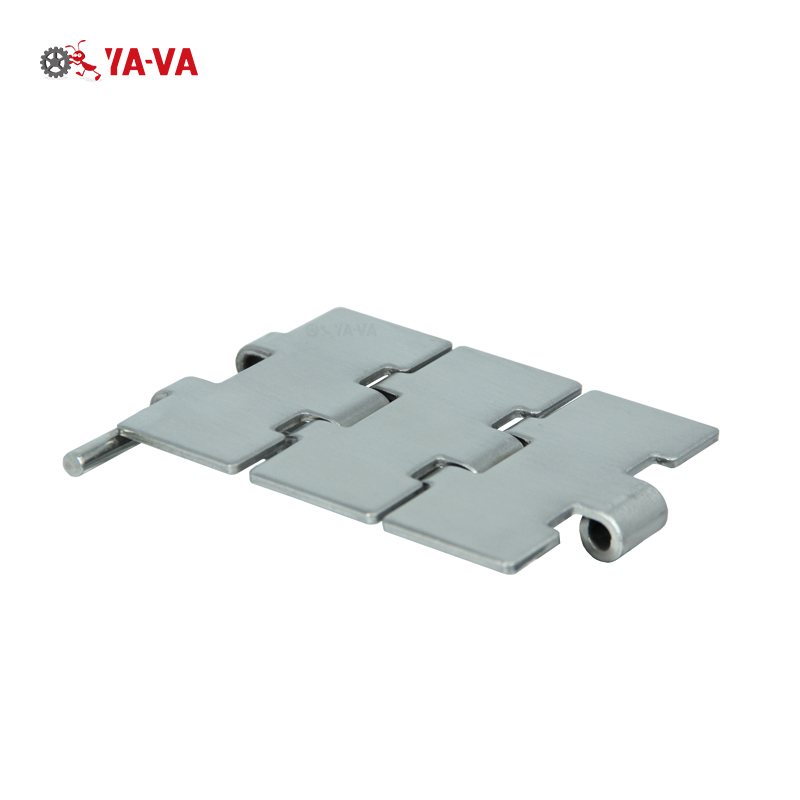
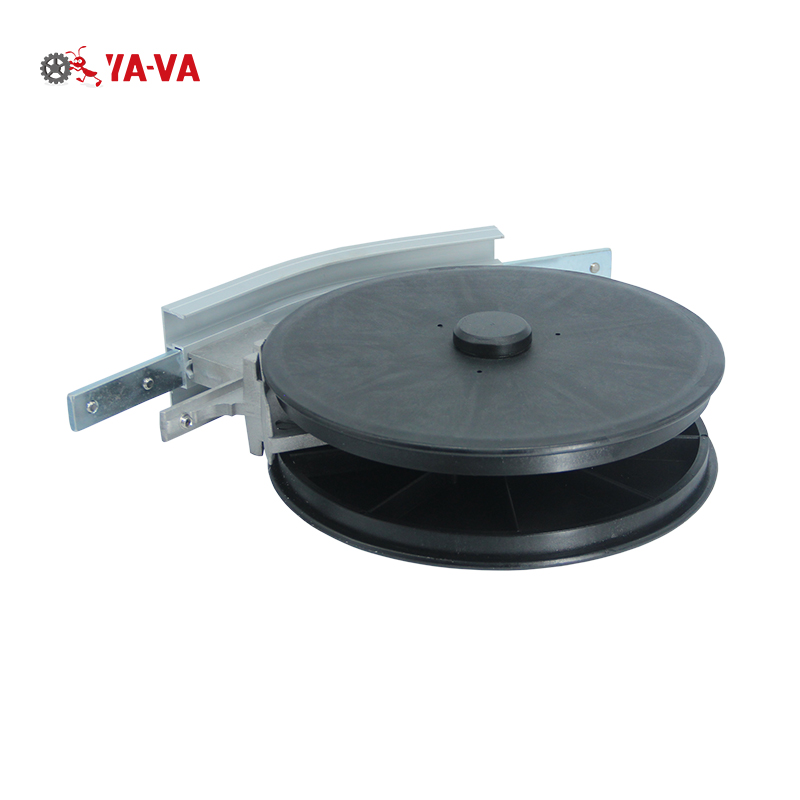
Featured Modular Belt Systems for Smart Logistics
Explore our primary modular belt and conveyor components designed to interface seamlessly with high-performance sprockets for optimized sorting, conveying, and warehousing processes.


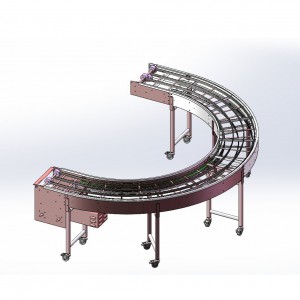
Industrial Guide: Modular Belt Sprockets in Warehousing
1. The Modern Logistics Revolution & Driving Mechanism Dynamics
In the era of hyper-speed global commerce, supply chain networks demand unprecedented efficiency from automated distribution centers. Modern material handling systems have evolved rapidly, transitioning from traditional flat-belt systems to highly complex modular plastic belts driven by precision-engineered modular belt sprockets. The driving mechanism of a conveyor is the heartbeat of any logistics operation. While older friction-driven belts are prone to slippage, tracking errors, and high structural tension, positive-drive modular belt sprockets ensure exact, slip-free engagement. This positive engagement is vital for maintain consistency in sorting, indexing, and high-speed routing.
Key Engineering Insight: Positive-drive sprockets lock into the modular belt geometry, eliminating the tension needed for friction drives. This drastically reduces shaft stress, bearings wear, and energy consumption.
Sprockets act as the critical interface between the conveyor motor drive shaft and the modular belt. By distributing driving forces uniformly across the belt width, they minimize localized stress, preventing premature belt elongation and fatigue failure. In logistics environments where systems operate 24/7, choosing the correct sprocket design directly impacts the operational lifecycle of the entire system.
2. Industrial Status & Technical Development Trends
The global warehousing automation market is experiencing exponential growth, driven by e-commerce fulfillment requirements, micro-fulfillment centers, and automated storage and retrieval systems (ASRS). This industrial shift has highlighted several key trends in modular belt sprocket technology:
- Advanced Polymer Materials: Traditional metal sprockets are being replaced by high-performance engineering plastics like glass-filled nylon, polyoxymethylene (POM/Acetal), and specialized polyurethane. These materials offer exceptional wear resistance, lower coefficients of friction, and reduced noise levels.
- Split Sprocket Designs: To minimize maintenance downtime, split sprockets are becoming the industry standard. These components can be installed or replaced directly on the shaft without dismantling the entire drive shaft assembly, reducing repair times from hours to minutes.
- Thermal and Chemical Resistance: With the rise of cold-chain logistics for fresh food and pharmaceutical distribution, sprockets must perform reliably in temperatures ranging from -40°C to +80°C without losing structural integrity or experiencing excessive thermal expansion.
- AI-Optimized Tooth Profiles: Advanced CAD and AI simulation tools are now used to design sprocket tooth shapes that maximize contact area while facilitating smooth release as the belt rotates off the sprocket, preventing chordal action and vibration.
3. Deep-Dive Application Scenarios in Logistics & Warehousing
High-Speed Sortation Lines & Merging Zones
In sorting hubs, packages must be accelerated, aligned, and diverted in fractions of a second. Conveyors in these zones experience rapid start-stop cycles and sudden load changes. Modular belt sprockets designed for these applications must provide high torque transmission without slipping. The precise positioning offered by positive-drive sprockets ensures that tracking sensors and sorting mechanisms (like shoe sorters or cross-belt diverters) can locate and route packages with millimeter-level accuracy.
Incline & Decline Elevating Conveyors
Moving goods between different mezzanine levels or loading docks requires inclined or declined conveyors. When conveying heavy totes or cartons uphill, any belt slippage can cause packages to slide backwards, resulting in jams or damaged goods. Modular belts equipped with flights or high-friction inserts require robust sprockets that can handle the increased gravitational load. The positive interlocking design guarantees that the belt moves at a constant speed regardless of the load weight.
Spiral Conveyors for Vertical Elevation
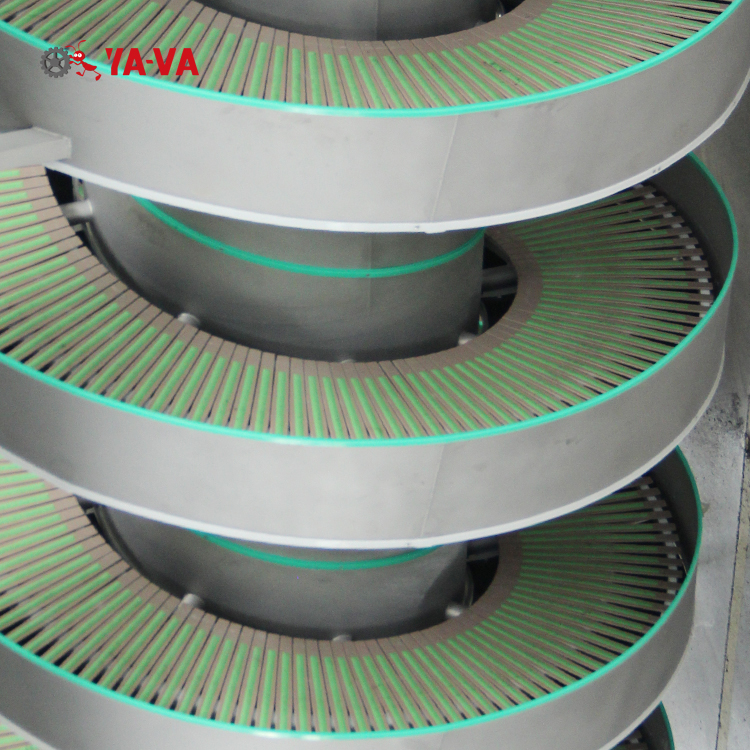
Spiral conveyors are the ultimate space-saving solution in modern warehouses, allowing vertical transport within a small footprint. However, spiral systems introduce complex lateral and radial forces on the belt. The sprockets in spiral conveyors must guide the belt around tight curves while maintaining proper tension. Specialized guide sprockets and drive sprockets with custom tooth widths are critical to prevent the belt from lifting or tracking off-center.
Heavy-Duty Pallet Handling & Packaging Stations
Palletizing zones handle extreme loads, often exceeding 1,000 kg per pallet. Conveyors in these areas must withstand high impact forces when pallets are loaded by forklifts. Heavy-duty sprockets, typically machined from high-strength steel or reinforced polymers, are utilized to transfer the massive torque required to start a fully loaded pallet conveyor from a standstill.
4. Key Design Considerations for Maximum Efficiency
When integrating modular belt sprockets into a warehousing system, engineers must evaluate several parameters to optimize system performance and extend component lifespan:
Sprocket Pitch and Tooth Count
The number of teeth on a sprocket directly influences the smooth operation of the conveyor. A sprocket with a higher tooth count reduces the "chordal effect" (the slight pulsing vertical movement of the belt as it engages the sprocket). Minimizing this effect is critical when conveying fragile items or operating at high speeds, as it reduces overall system vibration and noise.
Bore Profiles: Square vs. Round Shafts
Logistics conveyors primarily utilize square drive shafts. Square shafts transmit torque efficiently along the entire length of the shaft without the need for keyways and keys, which can become points of mechanical failure under high loads. Square-bore sprockets slide easily onto the shaft, allowing them to self-align with the belt links and accommodate thermal expansion or contraction.
Debris and Washdown Management
In warehousing environments, dust, debris, and packaging materials (like stretch wrap or tape) can accumulate on the conveyor frame. Sprockets with open-pocket designs allow debris to pass through rather than build up in the sprocket teeth, which could otherwise cause the belt to mistrack or jump teeth. For food-grade logistics, sprockets must also feature hygienic designs with smooth, easy-to-clean surfaces that resist bacterial growth.
5. Predictive Maintenance & The Future of Sprocket Technology
As warehouses transition toward fully automated "lights-out" operations, unplanned downtime becomes extremely costly. The future of modular belt sprockets lies in smart integration and advanced materials. Research is currently underway on smart sprockets embedded with RFID tags or wear sensors. These sensors communicate with warehouse control systems (WCS) to monitor sprocket wear, tooth deformation, and alignment in real-time, alerting maintenance teams before a breakdown occurs.
Additionally, the development of self-lubricating polymer compounds is eliminating the need for external lubricants, ensuring clean operations and reducing maintenance overheads. By selecting premium-grade modular belt sprockets and maintaining precise shaft alignment, logistics operators can achieve maximum system uptime, lower energy consumption, and a highly optimized material handling workflow.
Our Strength
We are an independent company that has developed, produces and also maintains the conveyor system to ensure that our customers receive the most cost effective solutions available today.

+300
Employees

3
Operating Units

+30
Countries Represented

+1000
Projects Per Year

About YA-VA
YA-VA is a leading high-tech company providing intelligent conveyor solutions. Our organization consists of the Conveyor Components Business Unit, Conveyor Systems Business Unit, Overseas Business Unit (Shanghai Daoqin International Trading Co., Ltd.), and the YA-VA Foshan Factory. With decades of combined expertise, we deliver state-of-the-art material handling components that keep global industries moving forward.
Read MoreChain Conveyors
Flexible slat chain conveyor product lines cover a wide range of applications. These multiflexing conveyor systems use plastic chains in many configurations to enable smooth, multi-directional product flow, making them ideal for complex routing layouts in packaging, logistics, and manufacturing.
Get in touch
News & Information
Stay updated with the latest events, exhibition highlights, and technical insights from the conveyor industry.
YA VA Looks Forward to Welcoming You in June 2026
Join us for upcoming industry events where we showcase our latest advancements in modular belt sprockets, intelligent sorting systems, and next-generation warehouse automation solutions.

YA-VA Thailand Bangkok PROPAC
YA-VA Thailand Bangkok PROPACK exhibition concluded successfully. We would like to express our sincere gratitude to all our valued customers for visiting our booth. Your support is the driving force behind our progress. BOOTH NO:AY38.
What is the difference between chain and belt conveyor?
Chain conveyors and belt conveyors are both used for material handling, but they differ in design, function, and applications. Chain Conveying systems utilize positive sprocket drives, whereas traditional belt conveyors rely on friction pulleys...
High-Quality Conveyor Components & Accessories
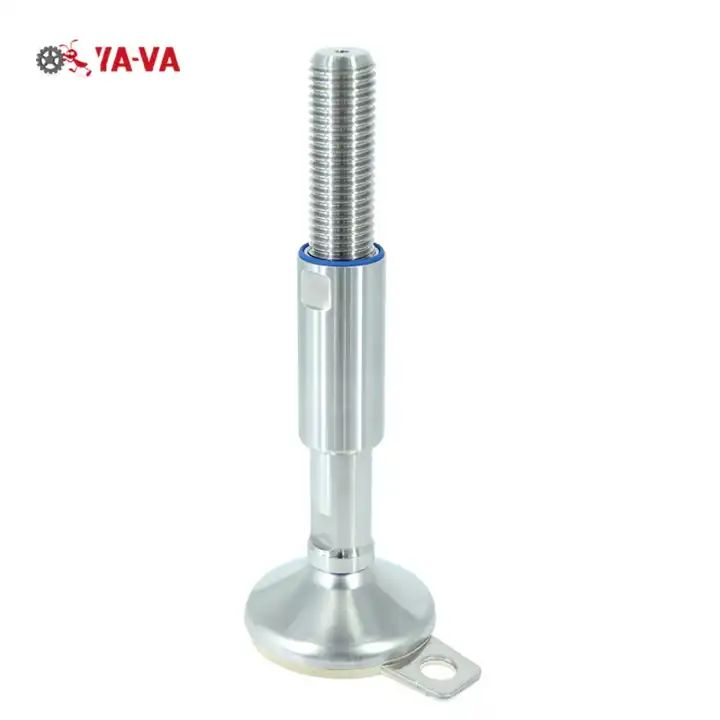
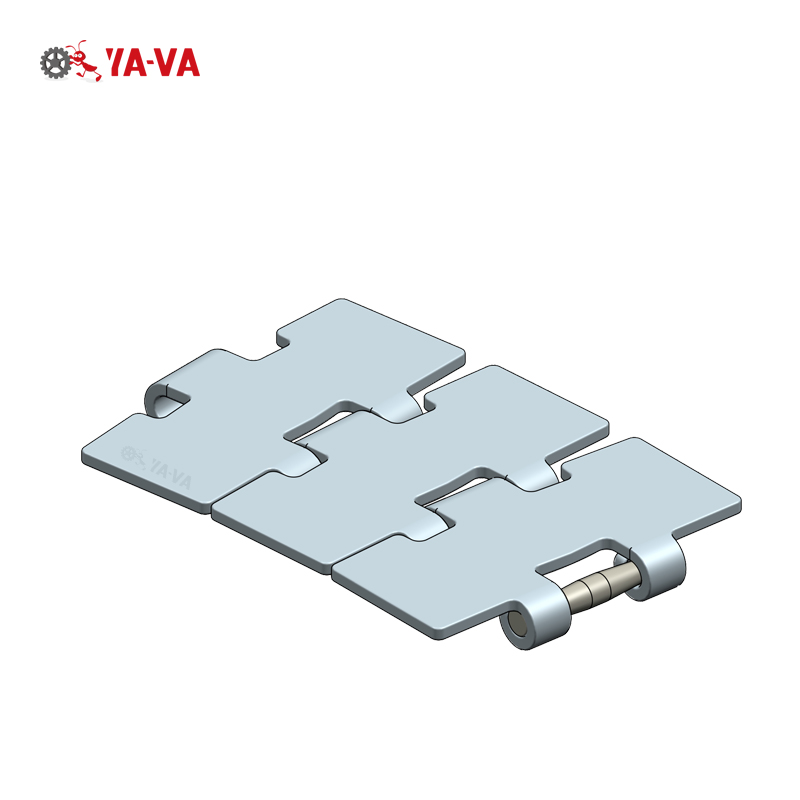
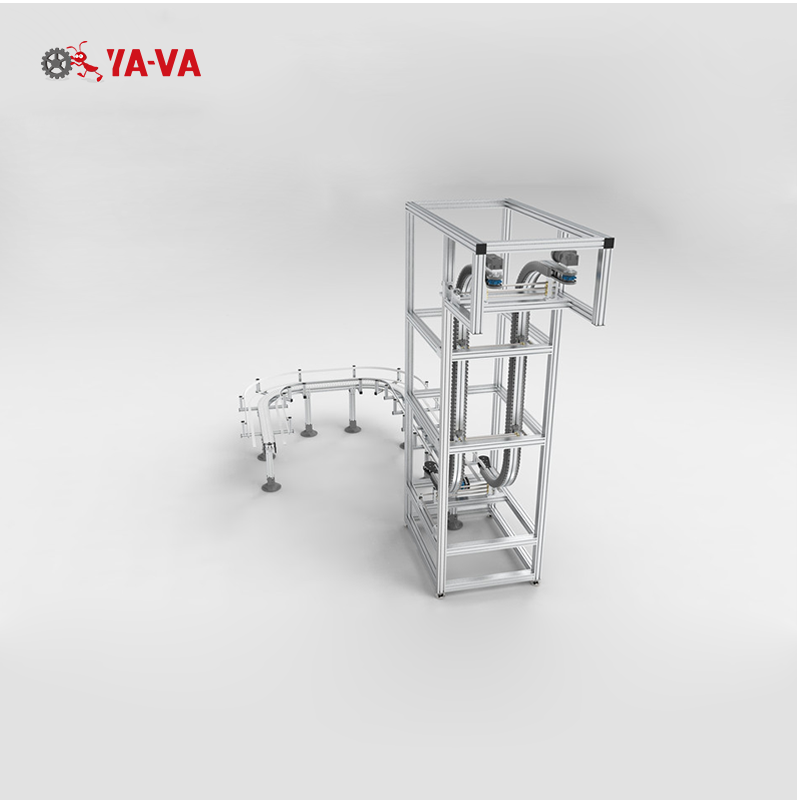
Browse our comprehensive range of high-precision components, leveling feet, and specialty chains engineered to support high-efficiency logistics and warehousing operations.


Our Partners
Trusted by industry leaders worldwide to deliver reliable, efficient, and innovative conveying systems.






For inquiries about our products or pricelist, please leave your contact details and we will be in touch within 24 hours.


