- No.1068, Nanwan Rd, Kunshan city 215341, Jiangsu Province, P. R. China
- info@ya-va.com
- +86 18017127502
Featured Conveyor Systems for Tire Processing
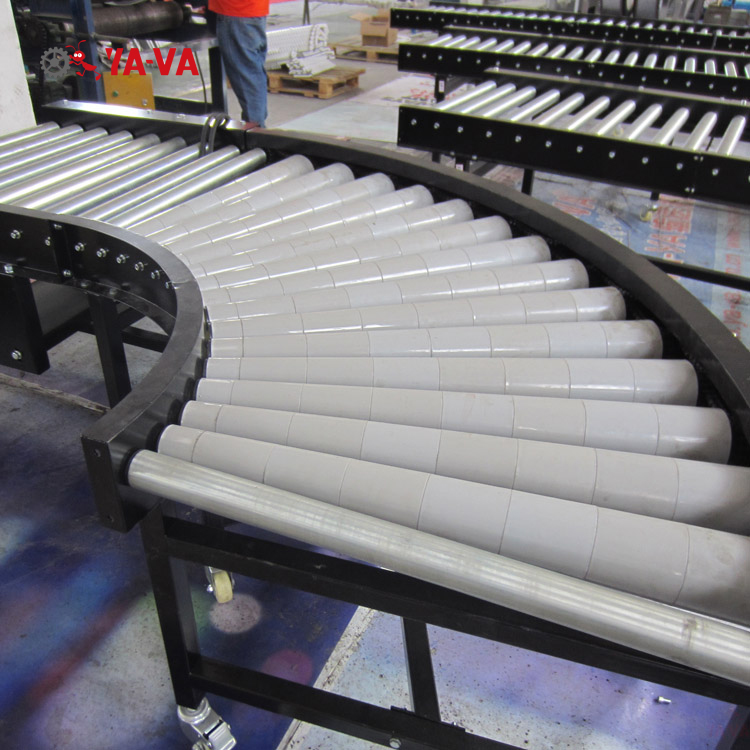
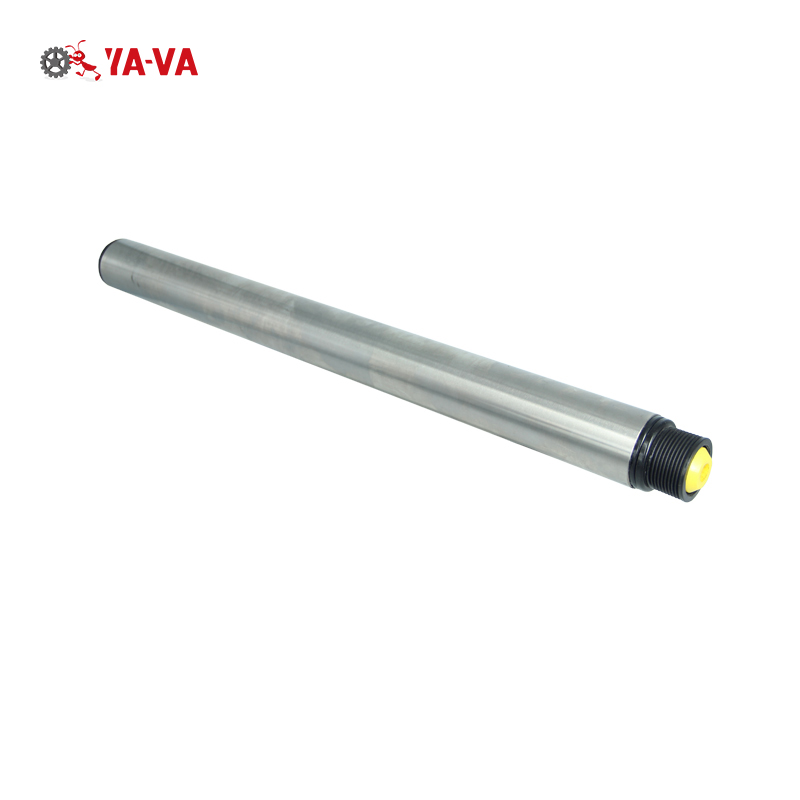
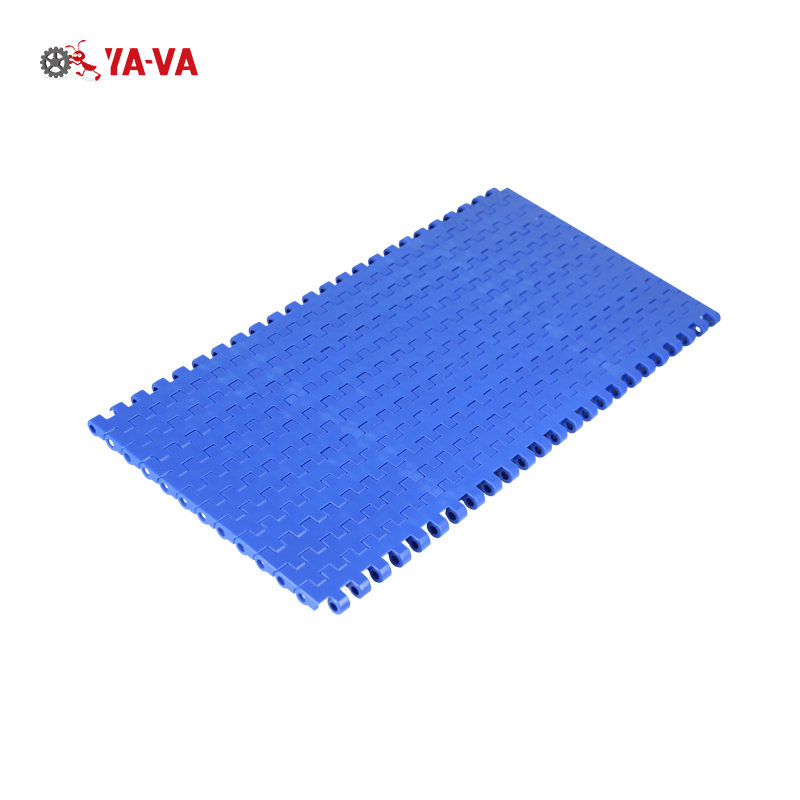
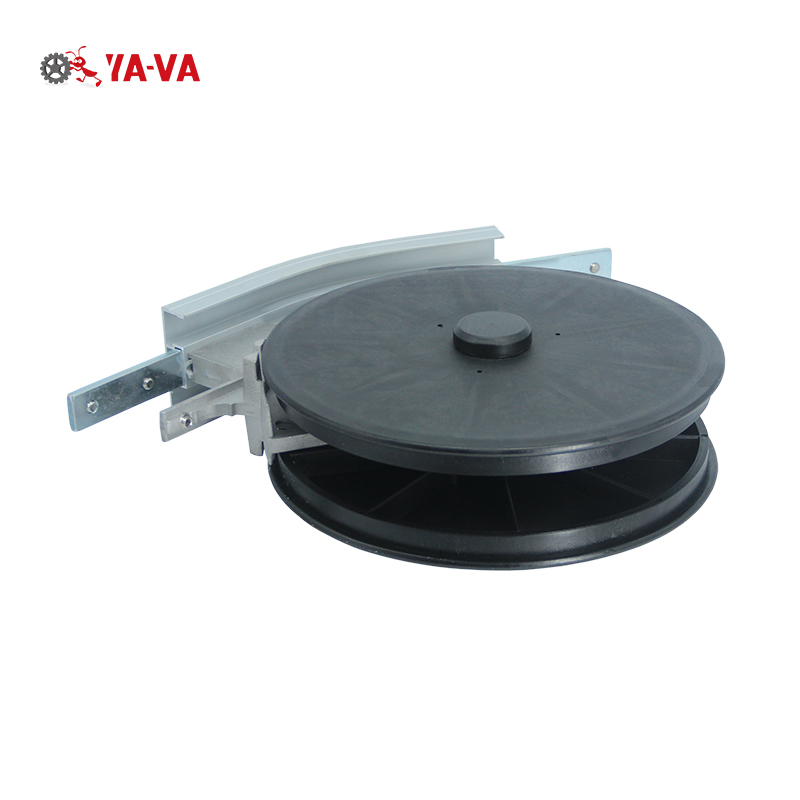
Explore our primary modular conveyor units engineered to handle high-temperature materials, heavy green tires, and complex directional layouts.
The Strategic Importance of Modular Conveyor Chains in Modern Tire Manufacturing
Meeting the Demands of High-Throughput Production Environments
The tire and rubber manufacturing industry operates under some of the most challenging conditions in modern industrial automation. From raw compounding and mixing to curing, cooling, inspection, and packaging, every stage of tire production requires robust, reliable, and highly efficient material handling systems. A key technology driving productivity, safety, and energy efficiency in this sector is the modular conveyor chain for tire & rubber industry applications. Unlike traditional fabric belts or heavy steel chains, advanced plastic modular chains offer a unique balance of durability, low maintenance, and design flexibility, making them the preferred choice for major tire manufacturers worldwide.
In the current industrial landscape, tire manufacturing is undergoing a rapid transition toward smart factory automation (Industry 4.0). This shift is driven by the need to handle a wider variety of tire designs—such as large-diameter tires for electric vehicles (EVs) and heavy-duty commercial vehicle tires—while reducing operating costs and carbon footprints. As production lines become more automated, the reliability of conveying equipment directly impacts overall equipment effectiveness (OEE). Modular conveyor chains provide the technical foundation for this automation by ensuring smooth transitions, precise positioning, and continuous operation in demanding environments.
Industrial Status & Market Dynamics
Historically, tire manufacturing relied heavily on traditional roller conveyors and rubber flat belts. While functional, these older systems presented significant drawbacks. Flat belts are prone to mistracking, slippage, and tearing, especially when exposed to sharp tire components, oils, and high temperatures. Traditional roller conveyors, on the other hand, can cause surface deformation on soft "green" tires and are noisy and energy-intensive.
Today, the industrial standard has shifted towards modular plastic conveyor chains. This transition is motivated by the material benefits of engineering polymers like Polyoxymethylene (POM), Polypropylene (PP), and Polyethylene (PE). These materials are highly resistant to the chemicals, oils, and heat typically found in rubber processing plants. Furthermore, the modular design allows for quick repair by replacing individual links instead of the entire belt, reducing unplanned downtime from hours to minutes.
Deep Application Scenarios in Tire & Rubber Production
A tire goes through a highly complex manufacturing process, and each stage requires a specific material handling approach. Here is how modular conveyor chains optimize performance across different production zones:
Raw Rubber & Compounding
Handling raw, sticky rubber slabs before mixing requires belts with excellent release properties. Cleated modular belts prevent materials from adhering to the surface, ensuring clean and efficient transfer to the mixers.
Tread & Sidewall Cooling
After extrusion, hot rubber treads must be cooled. Open-grid modular chains allow maximum airflow and water drainage, ensuring even cooling and preventing shrinkage or distortion of the profiles.
Green Tire Handling
Uncured "green" tires are highly delicate and easily deformed. Low-friction, flat-top modular chains provide a stable, continuous carrying surface that protects the soft rubber structure from damage.
Curing Press Feeding
Conveyors feeding curing presses must withstand high temperatures and heavy loads. Specialty heat-resistant modular materials ensure reliable operation right up to the mold entrance.
Final Inspection & Sorting
Cured tires must be sorted and routed to inspection stations. Modular chains with integrated rollers allow for smooth, low-pressure accumulation and 90-degree transfers without scuffing the finished tires.
Warehouse & Palletizing
At the end of the line, heavy stacks of finished tires are conveyed to warehousing zones. Heavy-duty wide modular belts support high load limits, reducing the wear and tear associated with traditional rollers.
High-Performance Chain Conveyors for Tire Plants
Flexible slat chain conveyor product lines cover a wide range of applications. These multiflexing conveyor systems use plastic chains in many configurations to transport both components and completed tires smoothly. Designed for high load capacity, low noise, and minimal maintenance, our systems ensure that your plant runs at peak efficiency.
YA-VA focuses on transportation machinery R&D development and manufacturing. With over 20 years of experience, we provide custom engineered solutions tailored to the specific needs of the tire and rubber industry, helping manufacturers scale their operations and improve product quality.
Get in touch
Technological Innovations and Future Trends
Smart Materials and Anti-Static Properties
One of the key challenges in rubber processing is the buildup of static electricity. During the dry compounding and mixing phases, static charges can pose safety risks and affect electronic control systems. Modern modular chains address this by incorporating anti-static and flame-retardant additives directly into the polymer matrix. This ensures a safe working environment and complies with global safety standards.
In addition, the development of cut-resistant and abrasion-resistant materials has significantly extended the lifespan of conveyor belts in areas where steel-belted radial tire components are handled. Sharp steel cords can easily slice through standard rubber belts, but high-impact modular plastics withstand these harsh demands, preventing catastrophic belt failures.
Energy Efficiency and Sustainability
Energy consumption is a major operational cost for tire plants. Traditional conveyor systems with heavy steel components require high-power motors to operate. Plastic modular chains, being significantly lighter, reduce the overall mass of the conveyor system. When paired with low-friction wear strips, they require much less drive power, leading to direct energy savings. Furthermore, because modular chains do not require lubrication, they eliminate the risk of oil contamination on the tires and reduce environmental impact.
Modular Design for Rapid Scalability
The modular nature of these conveyor chains offers unparalleled flexibility for plant designers. As production demands change, lines can be easily lengthened, shortened, or rerouted by adding or removing modules. This level of adaptability is essential for modern tire plants that must rapidly scale up production or reconfigure layouts to accommodate new machinery.
Our Strength & Global Footprint
We are an independent company that has developed, produces, and maintains advanced conveyor systems to ensure our customers receive the most cost-effective solutions available today.

Dedicated Employees

Operating Units

Countries Represented

Projects Completed Annually

About YA-VA
YA-VA is a leading high-tech company providing intelligent conveyor solutions. Our comprehensive structure consists of the Conveyor Components Business Unit, Conveyor Systems Business Unit, Overseas Business Unit (Shanghai Daoqin International Trading Co., Ltd.), and the YA-VA Foshan Factory.
By integrating design, manufacturing, and direct customer support, we deliver seamless material handling systems that optimize factory floor space, enhance worker safety, and maximize throughput in tire manufacturing and other heavy industries.
Read More About UsComprehensive Range of Modular Conveyor Solutions
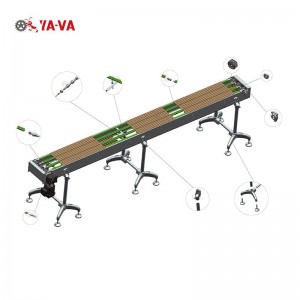
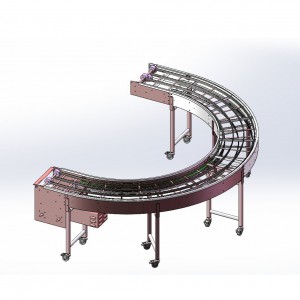
From straight runs to vertical spirals, explore our full catalog of modular conveyor systems designed to keep tire production lines moving efficiently.


News & Information
Stay updated with the latest technological developments, exhibition schedules, and industry guides from YA-VA.
YA VA Looks Forward to Welcoming You in June 2026
We are excited to present our latest smart conveying systems at the upcoming international trade exhibition. Save the date and join our engineering team to discuss customized automated solutions for your facility.

YA-VA Thailand Bangkok PROPAC Exhibition Recap
The exhibition concluded successfully. We express our sincere gratitude to all our valued customers for visiting our booth. Your support is the driving force behind our progress.
Chain vs. Belt Conveyors: Differences & Types
What is the difference between chain and belt conveyors? Learn about the design, structural variations, and optimal industrial applications for each system in this comprehensive comparison.
Cooperative Partners
Trusted by leading manufacturing brands globally to optimize automated workflows.