- No.1068, Nanwan Rd, Kunshan city 215341, Jiangsu Province, P. R. China
- info@ya-va.com
- +86 18017127502
Engineered Intralogistics Solutions
Precision-engineered continuous vertical and horizontal conveying machinery tailored for high-density logistics automation.
The Evolution of Modular Plastic Conveyor Belts in Modern Logistics and Warehousing
In the modern era of rapid fulfillment, omnichannel distribution, and intelligent warehousing, global supply chains face unprecedented challenges regarding cycle times, picking throughput, and operational uptime. At the core of automated material handling systems (AMHS) resides the mechanical transport mechanism. Historically dominated by traditional flat rubber belts, roller conveyors, and steel chain mechanisms, contemporary logistics centers are undergoing a structural shift toward solutions engineered by dedicated modular plastic conveyor belt manufacturers.
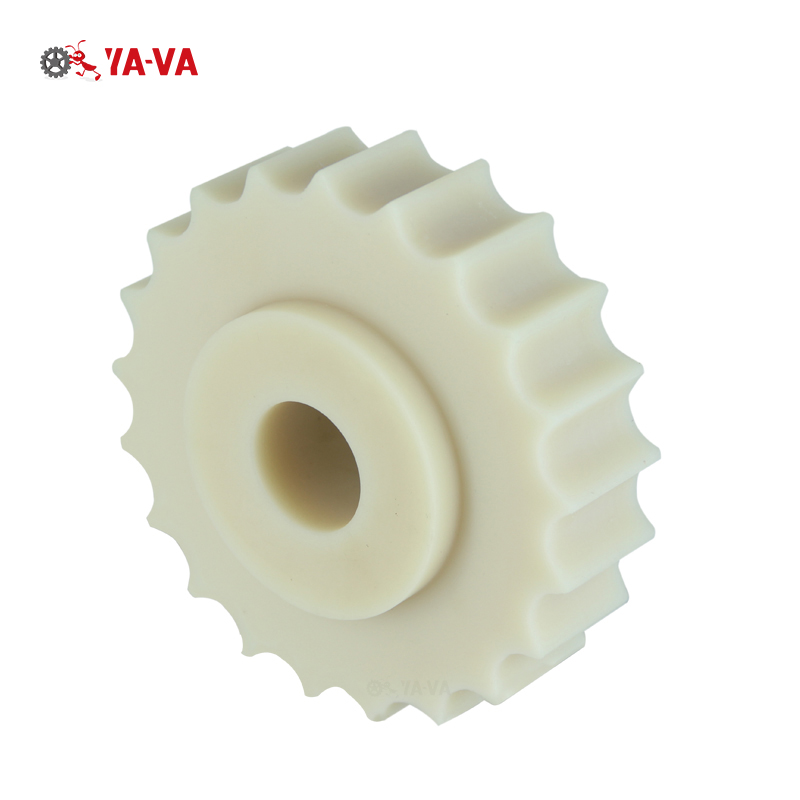
Positive Sprocket Engagement
Eliminates belt mistracking, slipping, and edge friction common in tensioned rubber belting, reducing structural energy loss up to 30%.
Modular Repairability
Interlocking thermoplastic links allow swift module-level replacements in minutes without replacing full belts or vulcanizing seams.
Complex Geometric Routing
Supports zero-tangent radius turns, steep incline flights, dynamic spiral descents, and accumulation tables with a unified drive platform.
Industrial Landscape & High-Speed Fulfillment Dynamics
Modern distribution hubs (DCs), cross-dock facilities, and fulfillment warehouses operate under demanding service level agreements (SLAs). Conventional PVC and rubber belting suffer from inherent operational liabilities: constant tension monitoring, susceptibility to tracking offset, edge fraying under side-loading, and catastrophic downtime when longitudinal tears occur. In contrast, modular plastic conveyor belts engineered from Polypropylene (PP), Polyethylene (PE), and Polyoxymethylene (POM/Acetal) utilize positive drive mechanisms that interlock directly with precision-machined sprockets. This design completely eliminates tracking issues, reduces tension-induced bearing strain on terminal pulleys, and accommodates dynamic acceleration profiles typical of high-speed sortation loops.
Furthermore, the rapid emergence of automated guided vehicles (AGVs), autonomous mobile robots (AMRs), and automated storage and retrieval systems (AS/RS) demands continuous, deterministic interfaces. Modular plastic conveyor belts deliver consistent surface friction, predictable coefficient coefficients (low back-pressure rollers for dynamic carton accumulation), and dimensional stability across diverse ambient conditions—including cold storage environments ranging down to -40°C.
Application Scenarios Across the Modern Intralogistics Ecosystem
Leading manufacturers customize modular conveyor topologies across diverse process segments in intralogistics:
1. Parcel Induction, Alignment, and Centering: Modular belts integrated with angled roller tops facilitate passive product positioning, barcode reading alignment, and lateral diverting without the maintenance headaches of pneumatic pushers or shoe sorters. Dynamic product rotation and spacing can be tuned precisely prior to inline dimensioning, weighing, and scanning (DWS) portals.
2. Tight Radius Curve Navigation: Warehouses consistently battle footprint constraints. Side-flexing modular belts maximize spatial efficiency by negotiating ultra-tight turns, eliminating the dead zones and fragile motorized tapered rollers associated with curve roller conveyors.
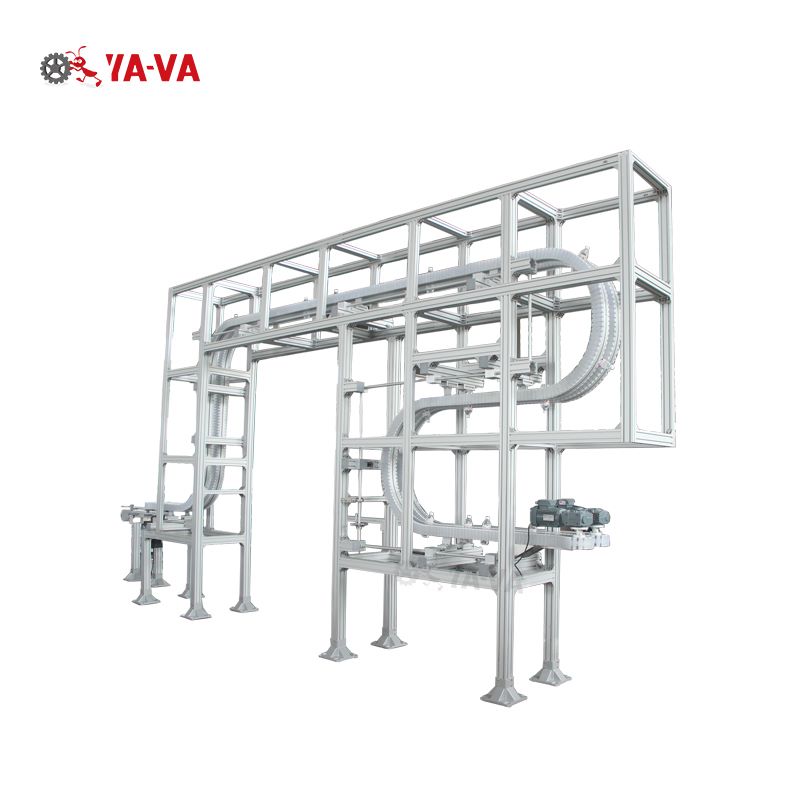
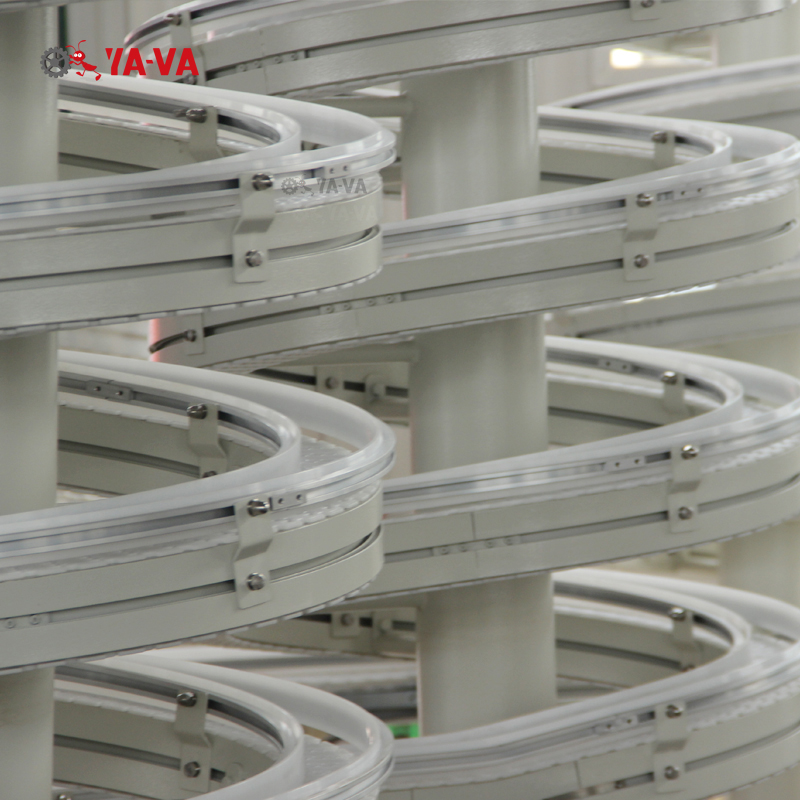
3. Multi-Level Elevation and Continuous Buffering: Using wedge gripper conveyors and high-density flexible spiral systems, facilities vertically bridge mezzanine sorting decks with ground-level dispatch bays, preserving continuous throughput rates that surpass discontinuous freight elevators.
4. Low Backline Pressure (LBP) Accumulation: Sensitive carton handling and high-capacity packaging lines leverage integrated micro-rollers within the plastic modules, effectively reducing line pressure and product scuffing during downstream jams or pacing halts.
Our Engineering Strength
YA-VA is an independent company that develops, produces, and maintains turnkey conveyor systems to ensure that our customers receive the most cost-effective and operationally resilient solutions available today.





YA-VA Intelligent Conveyor Solutions: Comprising our Conveyor Components Business Unit, Conveyor Systems Business Unit, Overseas Business Unit (Shanghai Daoqin International Trading Co., Ltd.), and YA-VA Foshan Factory.
Learn More About YA-VATechnological Innovations & Future Directions in Belt Manufacturing
The convergence of Industry 4.0 automation and sustainable intralogistics is steering modular belt manufacturing toward specialized polymer formulations and digital integration. As warehouses scale up operational speeds to exceed 2.5 meters per second, friction and electrostatic dissipation (ESD) become paramount safety factors.
1. Anti-Static and Flame-Retardant Formulations
Frictional charging inherent in continuous plastic-on-wearstrip contact presents risks in environments handling volatile solvents, e-commerce electronics, or combustible cardboard dust. Leading manufacturers incorporate carbon-black nano-additives and specialized antistatic agents directly into the injection-molded resins, achieving surface resistivity values compliant with ATEX regulations and ISO standards. Additionally, self-extinguishing flame-retardant polymers (UL94 V-0 certified) are increasingly mandated in massive automated facilities to mitigate structural fire risks.
2. IoT-Enabled Diagnostic Conveyor Belts
Next-generation conveyor belts are transforming from passive mechanical components into intelligent edge devices. Through integrated RFID chips embedded within specific flight modules and thermal monitoring sensors positioned along wearstrip profiles, facilities monitor localized temperature rises, sprocket engagement backlash, and micro-elongation under mechanical fatigue. This transition enables true predictive maintenance, allowing modular segments to be flagged for replacement during scheduled shift intervals prior to operational failure.
3. Sustainable Lifecycle and Circular Polymers
Modern sustainability targets push logistics operators toward zero-landfill goals. Traditional fiber-reinforced rubber belts represent severe disposal liabilities due to complex vulcanized compositions that resist recycling. Modular plastic conveyor belts, consisting of homogeneous thermoplastic polymers, are 100% recyclable. Damaged modules and trimmed chain links are crushed, remelted, and reconstituted into lower-tensile secondary industrial components, substantially minimizing the ecological footprint of logistics hubs.
Specialized Chain & Modular Slat Systems
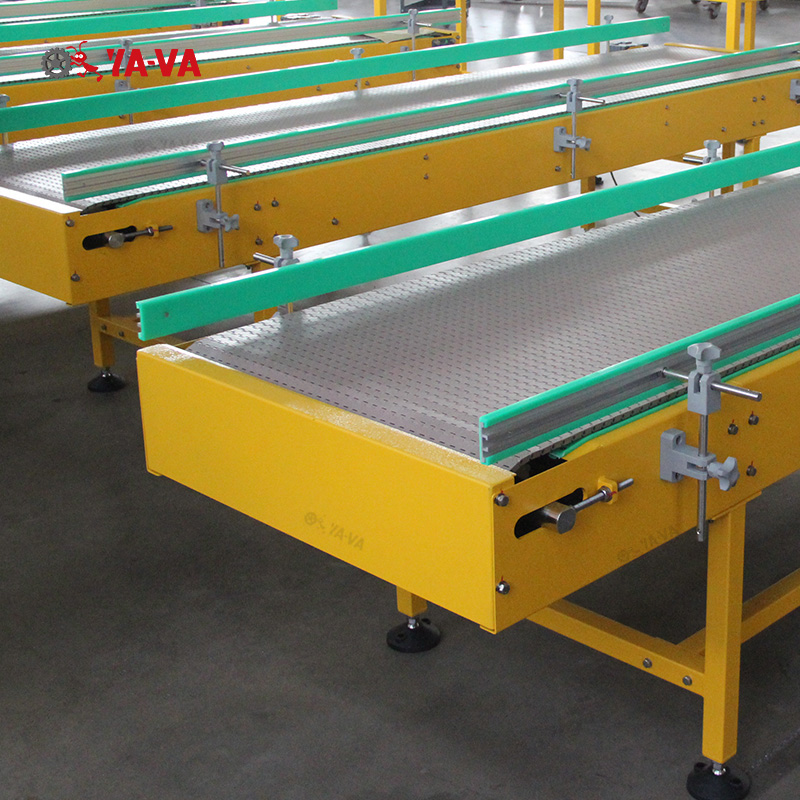
Flexible slat chain conveyor product lines cover a comprehensive range of parcel dispatch, food logistics, and assembly scenarios. These multiflexing conveyor systems utilize plastic chains in customizable configurations to meet strict engineering constraints.
Specialized Logistics Conveying Systems
More than 20 years focusing on transportation machinery R&D and manufacturing. Scalable modular components designed for maximum operational longevity.


Technical Insights & Industry News
Stay updated on trade exhibitions, engineering comparisons, and modular conveying innovations.
YA VA Looks Forward to Welcoming You in June 2026
Join our automation specialists at upcoming international exhibitions showcasing our next-generation modular plastic chains and robotics handling belts.
View Details →
YA-VA Thailand Bangkok PROPAC
YA-VA Thailand Bangkok PROPACK exhibition concluded successfully. We express sincere gratitude to all valued customers for visiting booth AY38.
View Details →Difference Between Chain and Belt Conveyors
What is the engineering difference between chain and belt conveyors? Comprehensive analysis of drive mechanics, load profiles, and wear life in intralogistics.
View Details →Trusted by Global Logistics Leaders
Delivering robust conveying systems across warehouse distribution networks globally.






Comprehensive Warehouse & Modular Components Portfolio
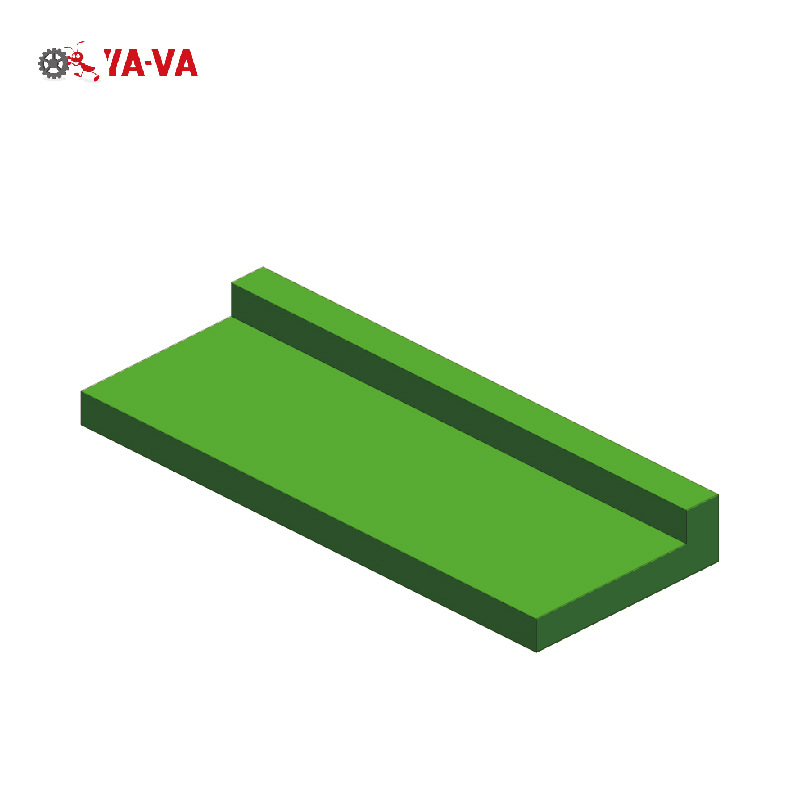
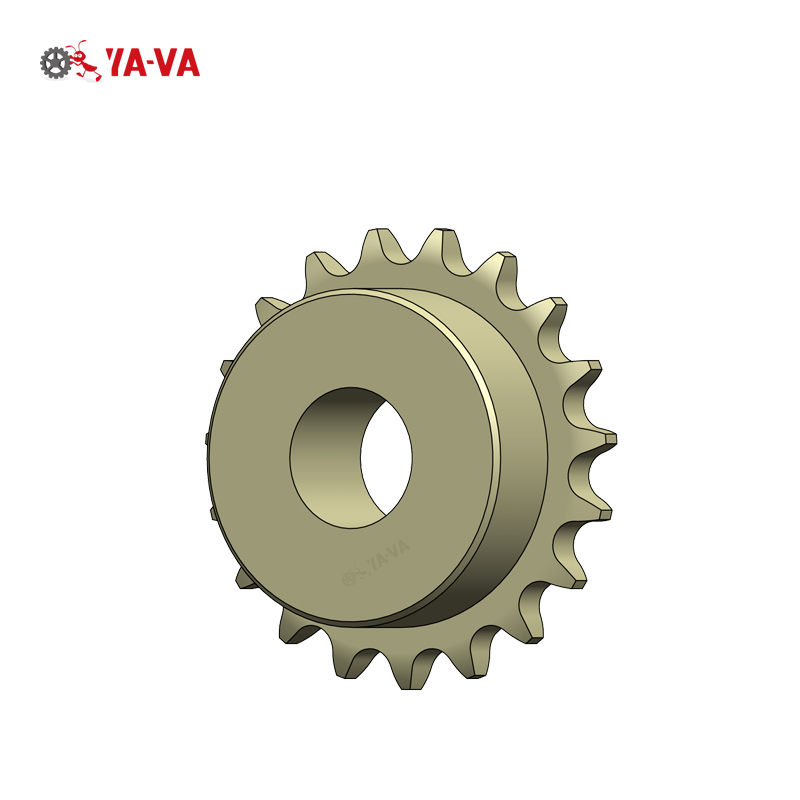
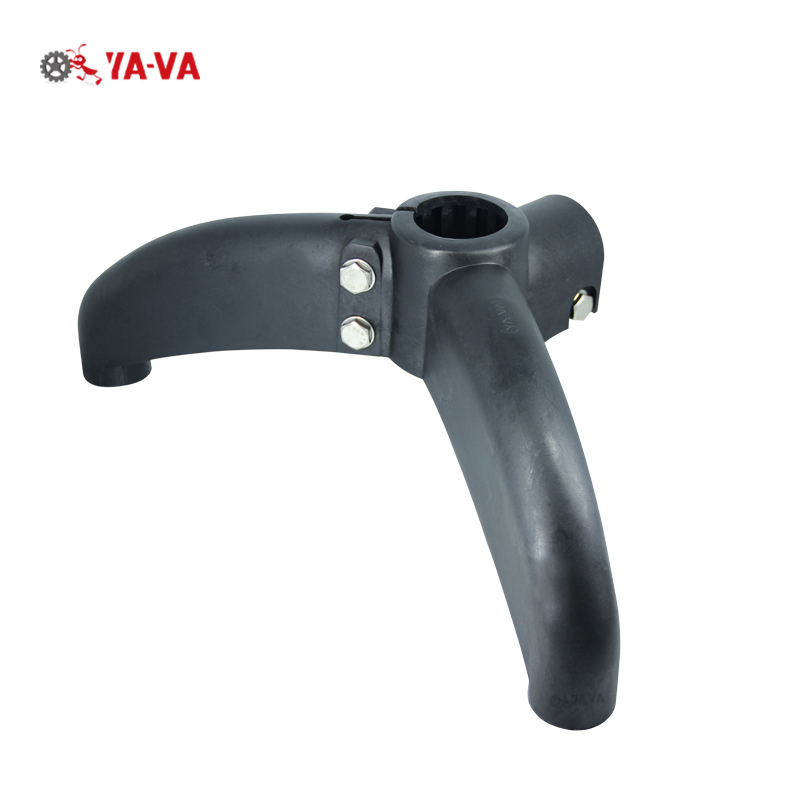
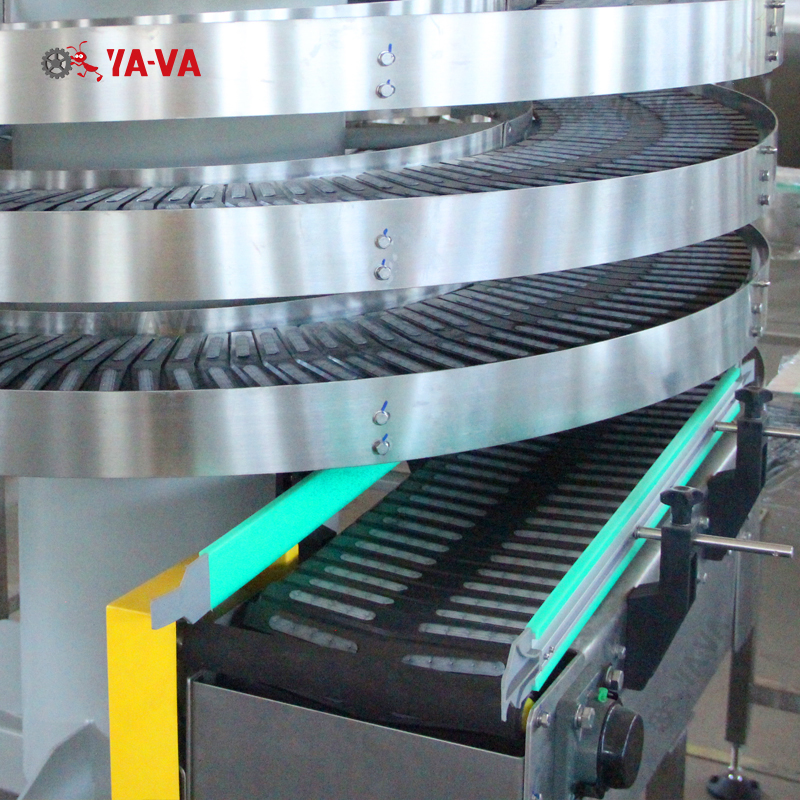
Full inventory of OEM-grade modular chains, drive sprockets, side guides, and integrated sorting solutions.
Need Custom Modular Belting For Your Warehouse Expansion?
For inquiries regarding our modular plastic conveyor belts, engineering designs, or replacement component pricelists, please connect with our technical engineers. We guarantee a response within 24 hours.
Request System Specification


