- No.1068, Nanwan Rd, Kunshan city 215341, Jiangsu Province, P. R. China
- info@ya-va.com
- +86 18017127502
Premium Component Solutions
Engineered plastic conveyor components designed to optimize flow, reduce maintenance, and withstand the challenging conditions of rubber processing.
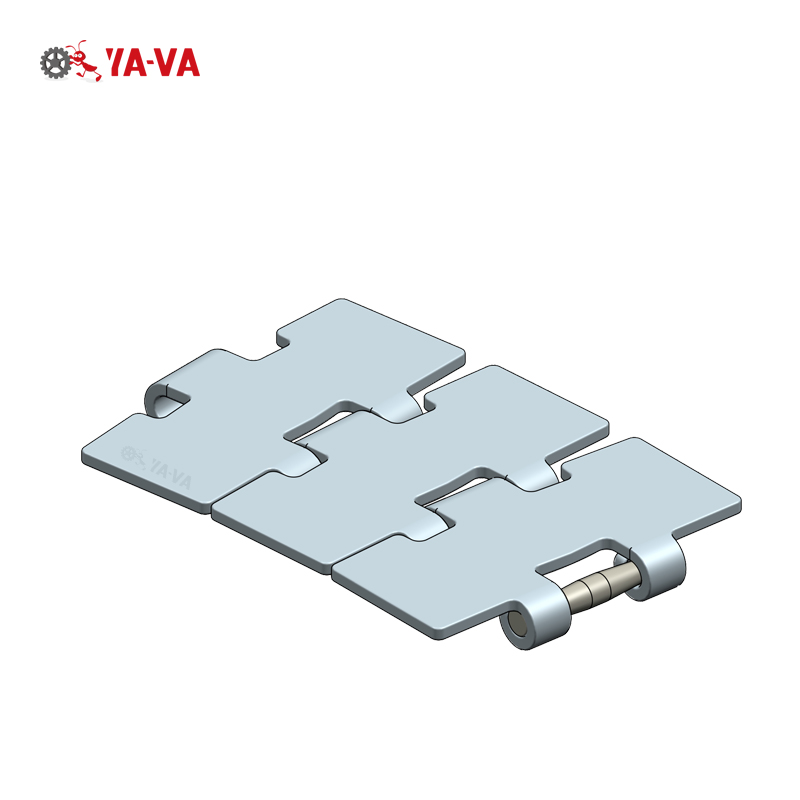
Factory stock high quality SC881 flat top chains for tire & rubber processing
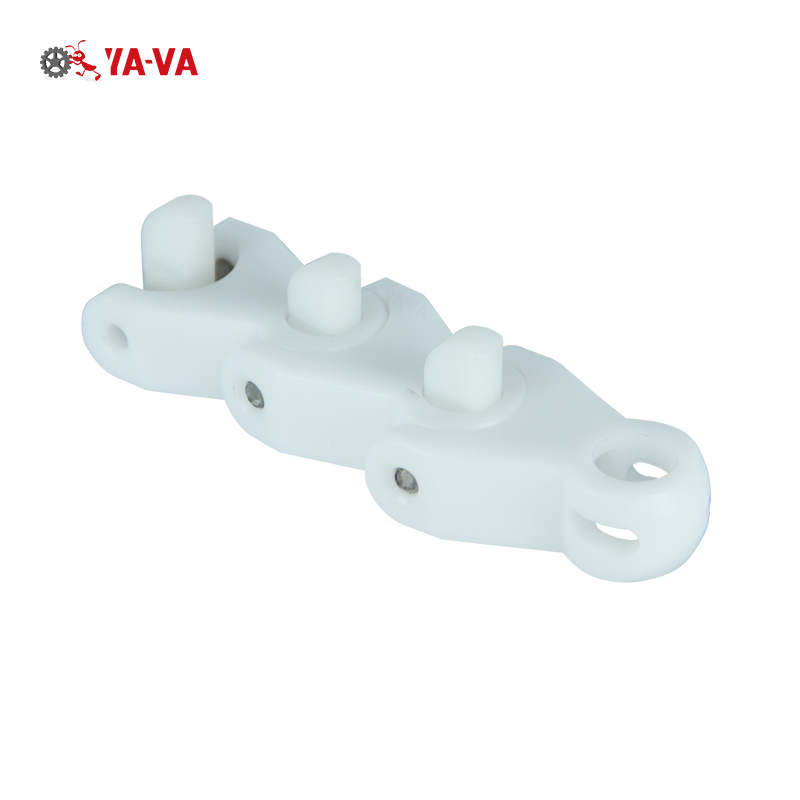
Plastic multiflex chain 1701TAB curve case chain for complex tire layouts
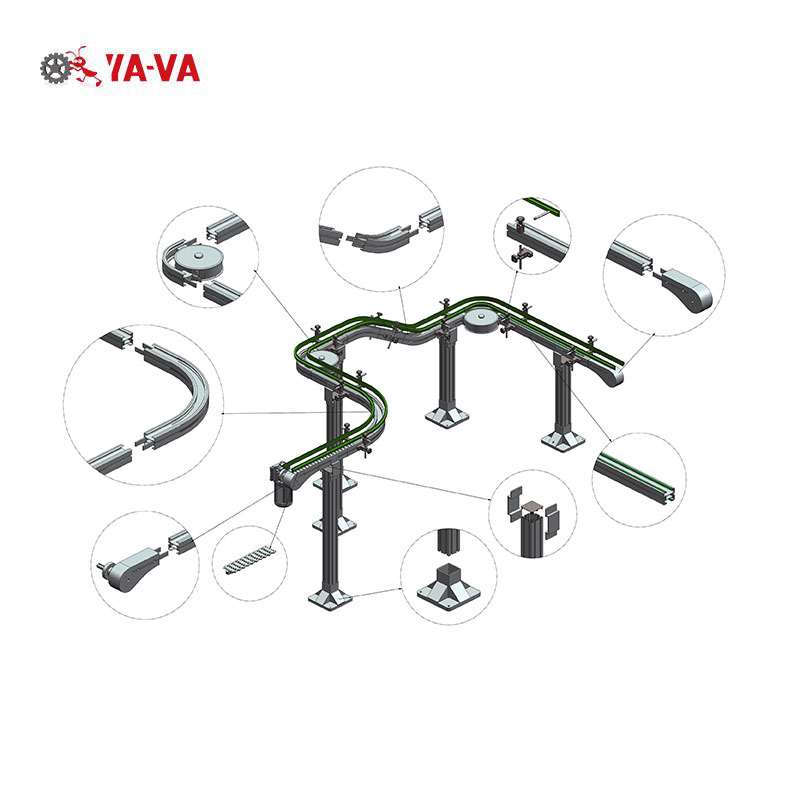
Aluminium Conveyors Component & Drive Units for Tire Production Lines
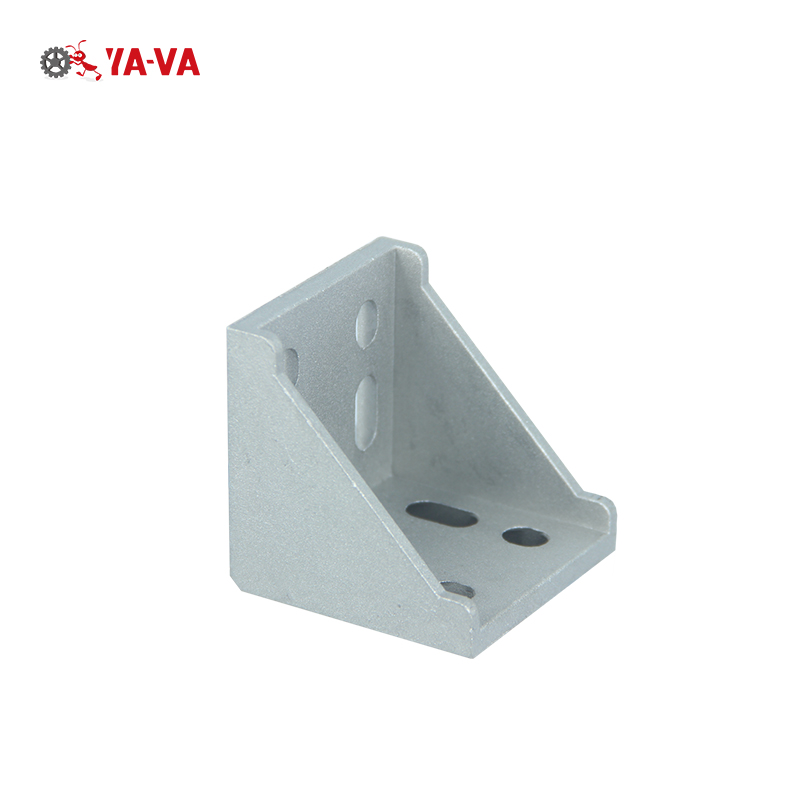
Conveyor turning track——corner track for high-load rubber transportation
The Paradigm Shift: Plastic Conveyor Parts in the Modern Tire & Rubber Industry
The tire and rubber manufacturing industry operates under some of the most punishing industrial conditions in the world. From the initial compounding of raw materials to the high-heat curing processes and final quality inspection, conveyor systems are the lifelines of production efficiency. Traditionally, heavy steel chains and fabric belts dominated these assembly lines. However, the rise of advanced engineering polymers has catalyzed a massive paradigm shift. Today, specialized plastic conveyor parts are replacing metal components, offering unparalleled benefits in wear resistance, weight reduction, noise mitigation, and maintenance-free longevity.
In rubber processing facilities, raw materials are sticky, abrasive, and often subjected to chemical release agents and extreme heat. Traditional metal conveyors present multiple failure points: they require heavy oil lubrication (which can contaminate raw rubber compounds), they are prone to corrosion from cooling water, and their heavy weight demands high energy consumption. High-performance plastic conveyor parts, manufactured from specialized polymers like Polyoxymethylene (POM/Acetal), Polypropylene (PP), and Polyamide (Nylon), provide a clean, self-lubricating, and highly resilient alternative that directly addresses these industrial pain points.
Deep-Dive Application Scenarios Across the Tire Production Cycle
1. Raw Compound Handling and Extruded Rubber Cooling Lines
After the rubber compounding and mixing phase in the Banbury mixer, the hot, uncured rubber is extruded into sheets, treads, or sidewalls. At this stage, the rubber is extremely hot, sticky, and highly susceptible to deformation. Modular plastic belts with open-grid designs are extensively utilized on cooling lines. The plastic material prevents the sticky hot rubber from adhering to the conveyor surface, while the open-grid structure allows cooling water and air to circulate efficiently around the profile. Additionally, the non-porous nature of engineering plastics ensures that release agents and chemical sprays do not degrade the conveyor structure over time.
Industry Insight: Uncured "green" rubber is highly sensitive. Standard metal conveyors can transfer heat unevenly or cause physical marking on the tread profiles, leading to structural defects in the cured tire. Custom-engineered plastic modular belts offer a gentle, uniform support surface that preserves product integrity.
2. Green Tire Conveying & Assembly
A green tire is a complex assembly of multiple rubber components, steel belts, and beads that has not yet been cured. It is highly delicate; any external pressure, impact, or sudden stop on the conveyor line can warp the tire out of round, rendering it scrap. Plastic multiflex chains and flat top modular belts provide smooth, low-friction accumulation. By utilizing plastic chains with low-backpressure rollers, tires can accumulate gently on the line without scuffing or deforming. The flat, stable surface of plastic modular belts ensures that the green tire remains perfectly centered as it moves toward the vulcanization presses.
Global Strength & Technical Expertise
We are an independent company that has developed, produces and also maintains the conveyor system to ensure that our customers receive the most cost effective solutions available today. Our dedicated engineering teams design plastic conveyor parts that directly withstand the mechanical and chemical stresses of the tire and rubber manufacturing process.





About YA-VA
YA-VA is a leading high-tech company providing intelligent conveyor solutions. Our comprehensive setup consists of the Conveyor Components Business Unit, Conveyor Systems Business Unit, Overseas Business Unit (Shanghai Daoqin International Trading Co., Ltd.), and the YA-VA Foshan Factory.
Read MoreEngineering Materials: The Science Behind Plastic Conveyor Performance
The success of plastic conveyor parts in the tire and rubber industry is rooted in advanced polymer science. Standard plastics cannot survive the continuous frictional heat and weight loads of heavy tire manufacturing. Therefore, YA-VA utilizes specialized engineering plastics tailored for specific thermal, mechanical, and chemical requirements:
- Polyoxymethylene (POM / Acetal): Known for high mechanical strength, stiffness, and an extremely low coefficient of friction. POM is the material of choice for flat top chains and modular belts handling cured tires, where high load capacity and wear resistance are paramount.
- Polypropylene (PP): Offers excellent chemical resistance against the aggressive release agents, solvents, and water sprays used during the rubber shaping and vulcanization steps. PP also performs exceptionally well in elevated wet environments, such as tread cooling water baths.
- Polyamide (PA / Nylon): Highly wear-resistant with excellent thermal stability. PA components are frequently used in high-temperature zones near curing presses where continuous exposure to hot metal molds and steam is common.
Operational Advantages: Maintenance, Noise, and Energy Savings
Switching from traditional metal conveyor components to plastic parts yields immediate and long-term financial benefits for tire manufacturers. One of the most significant advantages is the complete elimination of external lubrication. Metal chains require constant oiling to prevent wear and rust. In a tire facility, this oil can easily migrate onto the rubber compounds, ruining the vulcanization process and causing tire delamination. Plastic conveyor parts operate entirely dry, eliminating contamination risks and reducing maintenance labor costs.
Furthermore, plastic systems dramatically lower factory noise levels. The metal-on-metal screech of traditional chains is replaced by the quiet operation of polymer links sliding over low-friction plastic wear strips. This improvement in ergonomics creates a safer and more productive environment for factory operators. Finally, because engineering plastics are substantially lighter than steel, the drive motors require less energy to start and run the conveyor, contributing to lower utility bills and a smaller carbon footprint for the facility.

Advanced Chain Conveyors
Flexible slat chain conveyor product lines cover a wide range of applications. These multiflexing conveyor systems use plastic chains in many configurations to navigate tight turns, vertical inclines, and long straight runs. They are highly adaptable for transporting green tires, finished tires, and raw rubber components through complex factory layouts.
Get in touchFuture Trends: Smart Conveying and Industry 4.0 in Tire Manufacturing
As tire manufacturers embrace digital transformation, the humble conveyor belt is evolving into a smart, data-gathering asset. The integration of IoT sensors within plastic conveyor systems allows for real-time monitoring of belt speed, temperature, and wear patterns. By analyzing this data, predictive maintenance models can alert maintenance teams to replace a worn sprocket or wear strip before a catastrophic failure occurs, completely eliminating unplanned downtime.
Additionally, sustainability is driving material innovation. The next generation of plastic conveyor parts will incorporate bio-based polymers and recycled engineering plastics, reducing the environmental footprint of the conveyor manufacturing process without compromising tensile strength or wear life. As global tire brands commit to net-zero carbon goals, these eco-friendly material handling solutions will become standard specifications for new plant designs.
Featured Conveyor Solutions for Tire Plants
Explore our comprehensive catalog of modular belts, curved rollers, and flexible gripper systems built to streamline tire assembly and logistics.

YA-VA Straight modular Belt Conveyor for heavy rubber sheets

Plastic Roller Curved Conveyor for tire sorting and distribution

Heavy-duty chain driven curved roller conveyor for tire lines

New Flexible Gripper Conveyors for vertical tire elevation

Roller spiral conveyor—Gravity vertical buffer for finished tires

Stainless Steel Conveyors with modular plastic inserts for wet areas

Plastic Curve Chain Conveyor Flat Top Chain Conveyor for tight turns
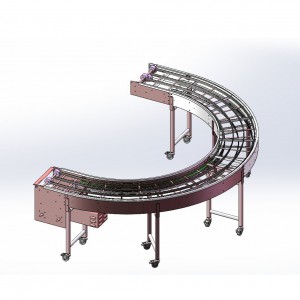
Straight and curved conveyor modular Belt Conveyor for assembly lines
News & Information
Stay updated with our latest global exhibitions, product developments, and technical insights from the conveyor industry.
YA VA Looks Forward to Welcoming You in June 2026
We are excited to present our newest innovations in intelligent plastic conveying systems at the upcoming international automation trade fair. Join us to explore custom tire line configurations.

YA-VA Thailand Bangkok PROPAC
YA-VA Thailand Bangkok PROPACK exhibition concluded successfully two days ago. We would like to express our sincere gratitude to all our valued customers for visiting our booth. Your support is the driving force behind our progress.
What is the difference between chain and belt conveyor? How many types of conveyor chains are there?
Chain conveyors and belt conveyors are both used for material handling, but they differ in design, function, and applications. Dive deep into the structural differences, drive mechanisms, and material selection guides.
Cooperative Partners