- No.1068, Nanwan Rd, Kunshan city 215341, Jiangsu Province, P. R. China
- info@ya-va.com
- +86 18017127502
Featured Tire & Rubber Processing Equipment
High-performance modular conveyor components optimized for heavy-duty rubber processing, cooling lines, and tire distribution systems.


Industrial Status & Evolution of Conveying in Tire & Rubber Manufacturing
How plastic modular belt technology is replacing traditional handling systems to drive automation, reduce downtime, and ensure product quality.
The global tire and rubber manufacturing industry operates under some of the most demanding environmental and mechanical conditions in modern manufacturing. From handling raw, sticky synthetic rubber compounds to moving heavy, hot green tires and finished products, material handling systems are the backbone of production efficiency. Traditionally, tire plants relied heavily on conventional fabric belts, steel chains, and roller conveyors. However, these legacy systems frequently suffered from rubber adhesion, high maintenance costs, oil/chemical degradation, and frequent unscheduled downtime.
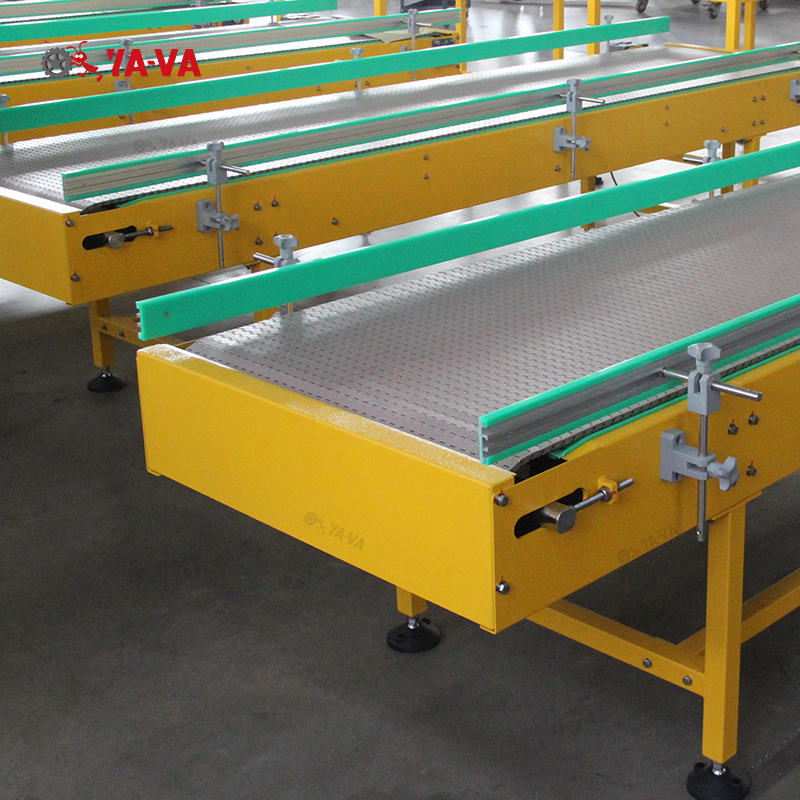
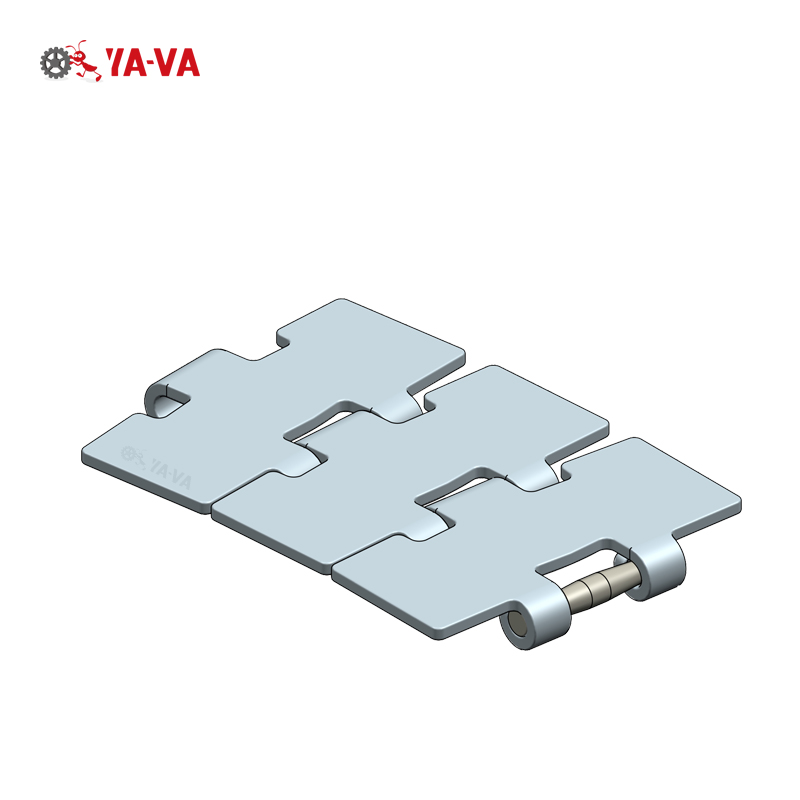
In recent years, the adoption of Plastic Modular Belt Conveyors has transformed the landscape of tire and rubber factories. Unlike traditional fabric belts that can stretch, fray, or absorb processing oils, plastic modular belts are constructed from robust, injection-molded thermoplastic modules linked together by solid plastic hinge rods. This positive-drive mechanism eliminates slippage, tracking problems, and edge wear, making it an ideal choice for the high-torque, continuous duty cycles required in tire production.
📊 High Durability & Impact Resistance
Engineered using advanced polymers like Acetal (POM), Polyethylene (PE), and Polypropylene (PP), these belts withstand heavy impacts from raw rubber bales and steel-belted tire components without deformation.
🌡️ Temperature & Chemical Resilience
Tire manufacturing involves extreme heat (especially around curing presses and extrusion lines) and exposure to processing oils. Modern modular belts are rated to perform reliably in temperatures ranging from -40°C up to 105°C.
💡 Smart Maintenance & Reduced Downtime
If a section of a modular belt is damaged, only the affected modules need to be replaced instead of the entire belt. This modularity reduces repair times from hours to minutes, significantly boosting OEE.
Deep-Dive Application Scenarios of Modular Belts in Tire Production
Analyzing critical production stages where plastic modular belts optimize throughput and preserve product integrity.
⚙️1. Raw Rubber Compounding & Mixing Area
The mixing area is characterized by heavy loads, abrasive carbon black powder, and sticky natural or synthetic rubber bales. Standard conveyor belts often fail due to rubber sticking to the surface, causing carryback and mis-tracking. Plastic modular belts with specialized non-stick surfaces or open-grid designs allow dust and debris to fall through, preventing buildup. The positive sprocket drive ensures that even under massive, unevenly distributed loads of raw rubber, the conveyor runs smoothly without slipping.
⚙️2. Tread and Sidewall Extrusion Cooling Lines
Directly after extrusion, rubber treads and sidewalls are hot, soft, and highly susceptible to stretching or deformation. They must be cooled down rapidly in water baths or air-cooling tunnels. Modular belts with high open areas (up to 50% or more) allow maximum water drainage and airflow, facilitating rapid, uniform cooling. Because the belt material is non-marking and low-friction, it supports the delicate, uncured rubber profiles without altering their critical dimensional tolerances.
⚙️3. Green Tire Building & Storage Systems
A "green" tire (an assembled but uncured tire) is extremely delicate. Any deformation, flat-spotting, or contamination at this stage will result in a defective finished product after curing. Conveying green tires requires gentle handling, precise positioning, and zero slippage. Plastic modular belts provide a stable, flat carrying surface that distributes the tire's weight evenly. Additionally, specialized modular designs incorporate integrated rollers (LBP - Low Back Pressure belts) that allow tires to accumulate gently without scuffing or building up friction.
⚙️4. Curing Press Feeding & Take-Away
Entering and exiting the curing press involves dealing with extreme heat, steam, and residual release agents. Conveyors in this zone must withstand thermal cycles without degrading. High-temperature resistant plastic modular belts are specifically deployed here to receive the hot, newly cured tires. Their open-grid structures help dissipate heat quickly as the tires are transported to the trimming and inspection stations.
⚙️5. Final Inspection, Sorting & Palletizing
Once cured, tires undergo rigorous quality checks, including visual inspection, X-ray scanning, and uniformity testing. Conveyors must accurately route, rotate, and merge tires at high speeds. Modular belts with integrated pop-up transfers, ball-belts (allowing multi-directional movement), and friction-top modules enable precise sorting, centering, and orientation. This level of control is essential for feeding automated warehouse systems and robotic palletizers.
YA-VA: Your Trusted Partner in Intelligent Conveying Solutions
Leveraging decades of research, manufacturing excellence, and global reach to optimize tire and rubber processing plants worldwide.
🏆Our Strength & Global Footprint
YA-VA is a leading high-tech enterprise dedicated to the design, manufacturing, and global distribution of state-of-the-art conveyor components and complete conveyor systems. We understand that in the tire and rubber industry, every minute of downtime translates to massive financial losses. That is why our products are engineered for maximum reliability, ease of maintenance, and seamless integration into automated smart factories.
Our operations span across multiple specialized divisions: the Conveyor Components Business Unit, the Conveyor Systems Business Unit, our dedicated Overseas Business Unit (Shanghai Daoqin International Trading Co., Ltd.), and the state-of-the-art YA-VA Foshan Factory. This structured synergy allows us to provide end-to-end support, from initial design consultation to manufacturing and global after-sales maintenance.





Future Development Trends in Tire Industry Material Handling
Exploring the technological innovations shaping the next generation of industrial conveyor systems.
🚀1. Integration of Smart Sensors & IoT
The Smart Factory (Industry 4.0) model is rapidly becoming the standard in tire manufacturing. Modern modular conveyor belts are increasingly integrated with IoT sensors that monitor belt speed, temperature, motor load, and wear levels in real-time. By utilizing predictive maintenance algorithms, operators can detect anomalies before they cause a breakdown, scheduling maintenance during planned shutdowns and achieving near-zero unscheduled downtime.
🚀2. Energy-Efficient, Low-Friction Materials
Energy conservation is a top priority for tire manufacturers aiming to reduce their carbon footprint. The development of ultra-low friction plastic modular belts significantly reduces the coefficient of friction between the belt and the wear strips. This reduction translates directly to lower motor power requirements, smaller drive components, and substantial energy savings over the system's lifespan.
🚀3. Eco-friendly & Recyclable Polymers
As global sustainability regulations tighten, the demand for green manufacturing processes grows. Future plastic modular belts will incorporate post-industrial recycled plastics or bio-based polymers that maintain high mechanical performance while reducing environmental impact. Additionally, at the end of their operational life, thermoplastic modules can be fully recycled, contributing to a circular economy.
News & Industry Insights
Stay updated with YA-VA's latest exhibitions, technical articles, and conveying system innovations.
YA VA Looks Forward to Welcoming You in June 2026
Join us at the upcoming international industrial machinery exhibition to explore our new range of heavy-duty modular conveyors designed for smart tire factories.
View Details →
YA-VA Thailand Bangkok PROPAC Success
YA-VA Thailand Bangkok PROPACK exhibition concluded successfully. We would like to express our sincere gratitude to all our valued customers for visiting our booth. Your support drives our progress. BOOTH NO: AY38.
View Details →Difference Between Chain and Belt Conveyor
Understanding the differences in design, loading capacity, and maintenance requirements between plastic modular belts and traditional slat chain conveyors for heavy industrial lines.
View Details →Comprehensive Product Range for Industrial Conveying
Explore our full catalog of modular belts, flat top chains, gravity rollers, and vertical elevator systems designed to streamline tire and rubber logistics.
Cooperative Partners & Global Network