- No.1068, Nanwan Rd, Kunshan city 215341, Jiangsu Province, P. R. China
- info@ya-va.com
- +86 18017127502
German Industrial Landscape and the Rise of Spiral Belt Conveyors
Germany has long been recognized as the industrial heart of Europe, leading the continent in automotive engineering, chemical processing, high-tech machinery, and advanced logistics. As factories across Germany transition toward smart manufacturing and Industry 4.0 paradigms, the demand for space-saving, energy-efficient, and highly reliable material handling systems has skyrocketed. Spiral belt conveyors have emerged as a pivotal technology within this modern landscape. By utilizing vertical space to transport goods, they allow German manufacturers to maximize floor space, streamline production workflows, and increase overall plant throughput.
In traditional factory layouts, horizontal conveyors consume vast amounts of premium floor space, creating bottlenecks and limiting operational flexibility. The introduction of spiral belt conveyors has revolutionized this dynamic. These systems offer continuous vertical transport of products in a compact footprint, facilitating smooth elevation changes without damaging fragile items. As German industries seek to optimize their assembly lines, packaging areas, and distribution centers, the integration of high-quality spiral conveyors has transitioned from a luxury to an operational necessity.
"In the highly competitive German market, operational uptime is the ultimate metric of success. Our high-performance spiral belt conveyors are engineered to withstand continuous duty cycles while delivering the highest levels of precision and reliability."
Key Industrial Trends Driving Spiral Conveyor Adoption in Germany
Several key trends are currently shaping the material handling sector in Germany. First and foremost is the relentless pursuit of automation. With labor shortages and rising operational costs, companies are increasingly relying on automated guided vehicles (AGVs), robotic palletizers, and continuous vertical conveying systems. Spiral belt conveyors act as the connective tissue between different vertical levels of a facility, integrating seamlessly with automated systems to ensure a continuous flow of goods.
Another critical trend is energy efficiency and sustainability. The German government's strict environmental regulations and the high cost of energy have pushed manufacturers to seek out machinery with low power consumption. Modern spiral belt conveyors are designed with low-friction materials, optimized drive systems, and smart control interfaces that reduce energy usage compared to traditional incline conveyors or vertical lifts. By minimizing friction and utilizing high-efficiency motors, these systems contribute directly to a facility’s carbon reduction goals.
Furthermore, hygienic design has become a dominant factor in the food, beverage, and pharmaceutical sectors. German standards for cleanliness and contamination prevention are among the strictest in the world. As a result, spiral conveyor manufacturers have developed systems featuring stainless steel construction, open-frame designs for easy washdowns, and food-grade plastic modular belts. These innovations ensure compliance with local regulations while maintaining high operational speeds.
Localized Application Scenarios Across German Regions
The application of spiral belt conveyors varies significantly depending on the regional industrial specialization within Germany. For instance, in the southern region of Baden-Württemberg and Bavaria—the heart of Germany’s automotive industry—spiral conveyors are widely used to transport components between mezzanine storage areas and main assembly lines. The continuous vertical movement ensures that parts like electronic sensors, small motor assemblies, and interior trim pieces are delivered to technicians just-in-time, without interrupting the flow of the production line.
In the northern and western regions, such as Lower Saxony and North Rhine-Westphalia, food processing and packaging plants dominate the landscape. Here, spiral belt conveyors are utilized in cooling, proofing, and freezing applications. For example, in large-scale commercial bakeries, freshly baked goods must cool down before packaging. A spiral cooling tower allows the products to travel a long distance in a controlled environment while occupying a minimal footprint. In the beverage industry, spiral systems smoothly elevate or lower bottles and cans between filling stations and packaging machinery, preventing tipping and product loss.
Additionally, the logistics hubs around Frankfurt and the port city of Hamburg rely heavily on high-speed spiral conveyors for e-commerce fulfillment. As online shopping continues to grow, distribution centers must handle thousands of packages per hour. Multi-tier mezzanine systems are used to store inventory, and spiral conveyors provide the fastest and most reliable method to transport packages from upper picking levels down to the main sorting and shipping docks.
The Role of a Trusted Exporter: Meeting German Quality Standards
Exporting machinery to Germany requires a deep understanding of local engineering standards and regulatory frameworks. German buyers expect robust construction, precise engineering, and complete compliance with European safety standards, including the CE marking and relevant DIN standards. As a leading exporter of intelligent conveyor solutions, YA-VA ensures that every spiral belt conveyor shipped to Germany is manufactured to the highest quality specifications.
Our export process is designed to be seamless and risk-free for our German partners. We handle all aspects of international logistics, customs documentation, and transport coordination, ensuring that the equipment arrives at the customer's facility on schedule and in perfect condition. By utilizing high-grade materials and advanced manufacturing techniques at our production facilities, we provide conveyor systems that match or exceed the durability of locally manufactured alternatives, offering an exceptional price-to-performance ratio.
Uncompromising After-Sales Service and Local Engineering Support
The purchase of a spiral belt conveyor is a long-term investment, and its success depends heavily on the quality of after-sales support. At YA-VA, we recognize that even the most reliable machinery requires regular maintenance and occasional technical assistance. That is why we have established a comprehensive after-sales service network in Germany to support our customers throughout the equipment's lifecycle.
Our after-sales service program includes local installation support, commissioning, and operator training to ensure that the conveyor system is integrated correctly and operated safely. We also offer customized preventative maintenance contracts, where qualified technicians inspect the equipment periodically to identify and resolve potential issues before they cause costly downtime. In the event of a mechanical or electrical issue, our rapid-response team is available to provide technical support and dispatch replacement parts quickly.
By combining world-class engineering with dedicated local support, YA-VA has built a reputation as a trusted partner for German industries. We are committed to helping our customers optimize their material handling processes, reduce operational costs, and achieve long-term success in an increasingly competitive global market.
Our Strength
We are an independent company that has developed, produces and also maintains the conveyor system to ensure that our customers receive the most cost effective solutions available today.

Employees Worldwide

Operating Units

Countries Represented

Projects Per Year

About Us
YA-VA is a leading high-tech company providing intelligent conveyor solutions.
And it consists of Conveyor Components Business Unit;Conveyor Systems Business Unit; Overseas Business Unit (Shanghai Daoqin International Trading Co., Ltd.) and YA-VA Foshan Factory.
Read MoreFeature Products
More than 20 years focusing on transportation machinery R&D development and manufacturing. In the future, stronger and bigger in the industry scale and brand.

YA-VA Straight conveyor modular Belt Conveyor
Learn More
Plastic Roller Curved Conveyor
Learn More
degree chain driven curved roller conveyor
Learn More
New Flexible Gripper Conveyors
Learn More
Roller spiral conveyor——Gravity
Learn More
Stainless Steel Conveyors
Learn MoreNews and Information
YA VA Looks Forward to Welcoming You in June 2026
Stay tuned for our upcoming exhibition and product launches planned for June 2026. We will be presenting our latest smart conveyor technologies and system components designed for global industries.

YA-VA Thailand Bangkok PROPAC
YA-VA Thailand Bangkok PROPACK exhibition concluded successfully. We would like to express our sincere gratitude to all our valued customers for visiting our booth. BOOTH NO: AY38.
What is the difference between chain and belt conveyor? How many types of conveyor chains are there?
Chain conveyors and belt conveyors are both used for material handling, but they differ in design, function, and applications. Learn the structural features and driving mechanisms of both solutions.
Our Complete Product Line
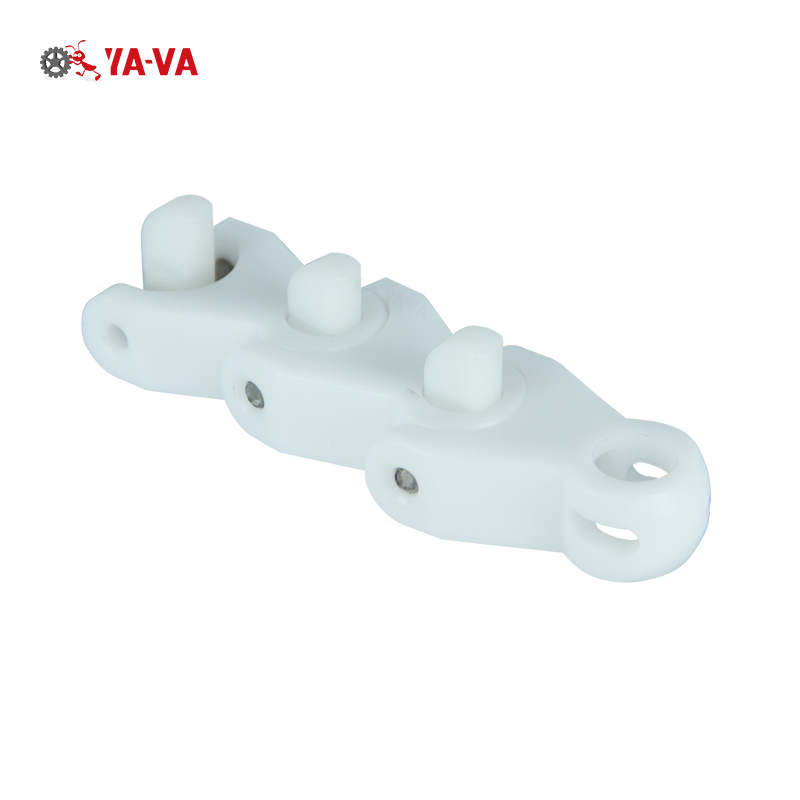
Plastic multiflex chain 1701TAB curve case chain
View Details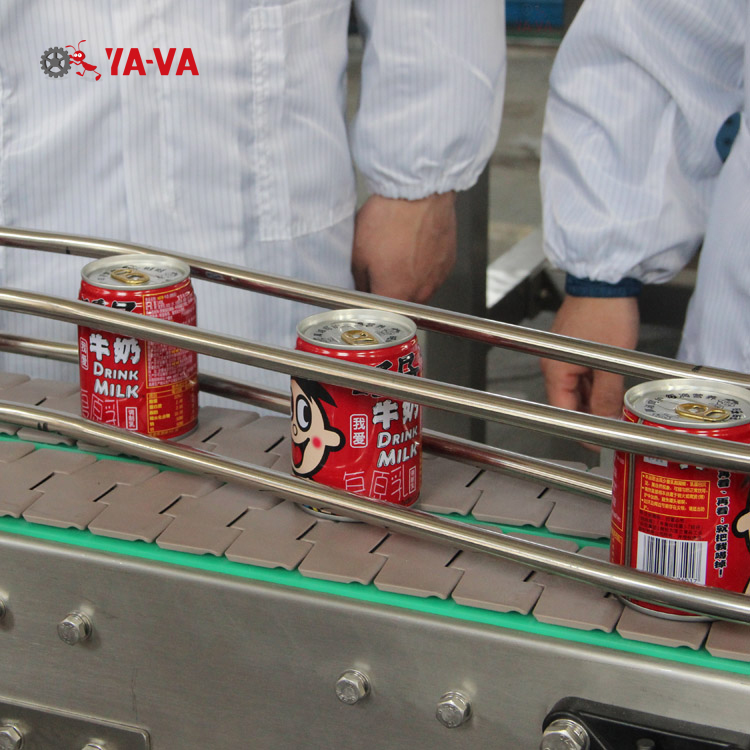
Table Flat Top Conveyor Chain
View Details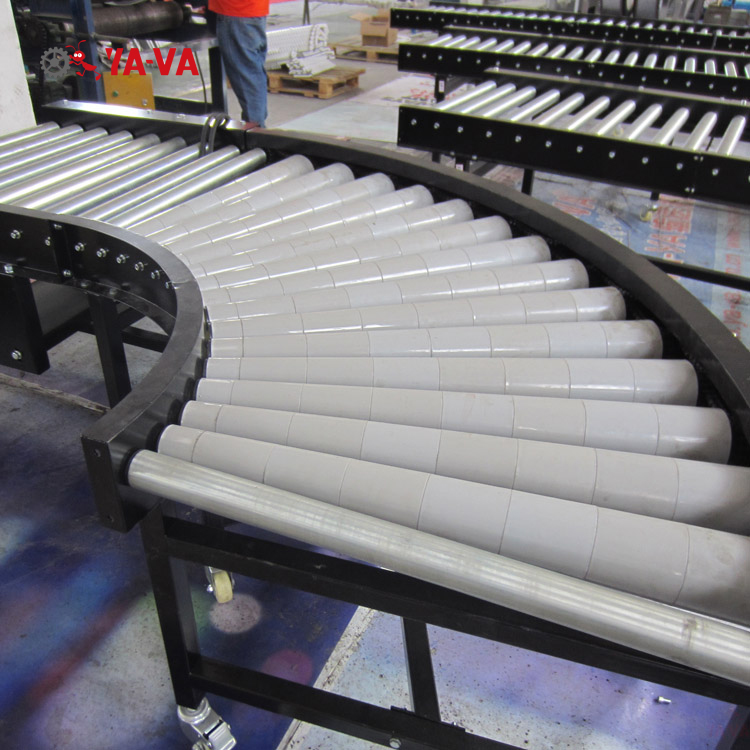
Plastic Roller Curved Conveyor
View Details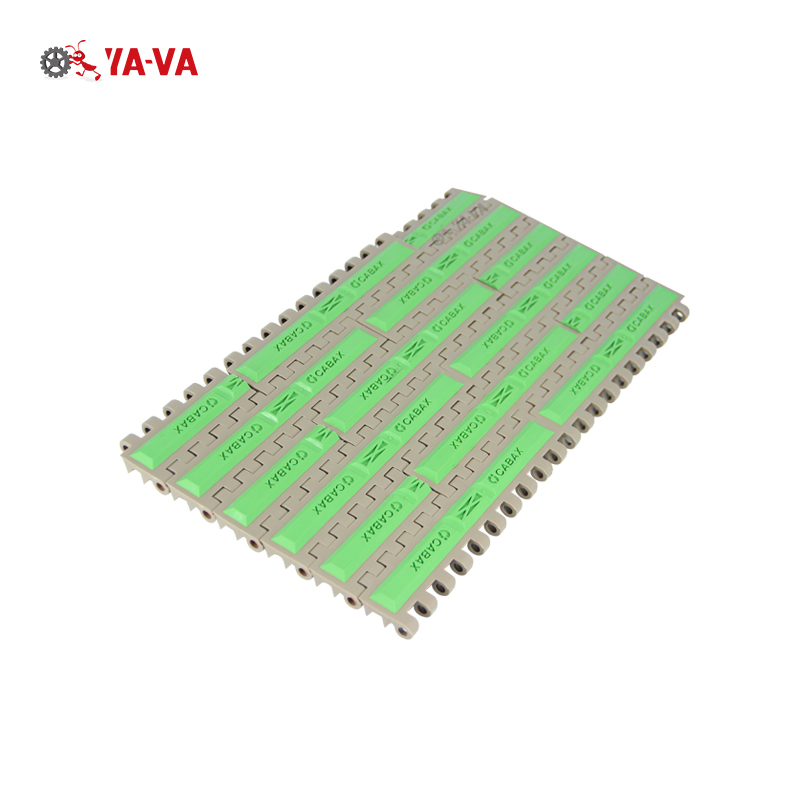
conveyor belt——YS300-16
View Details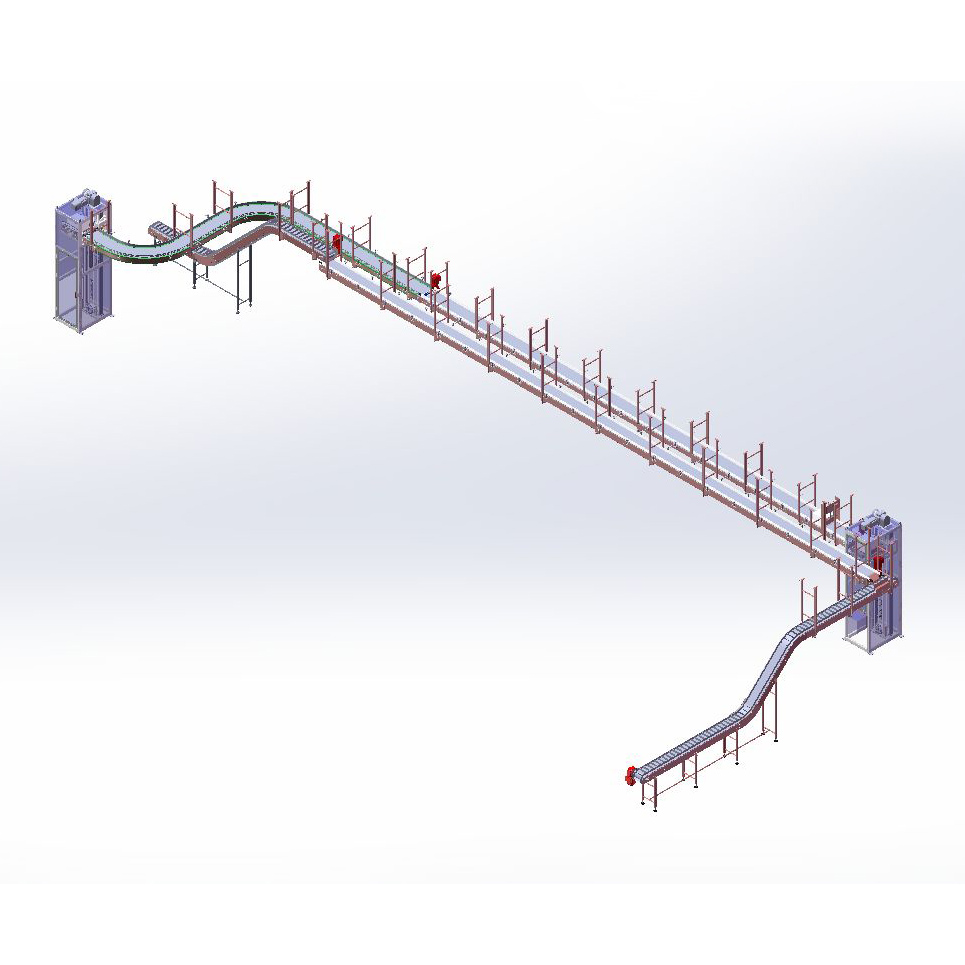
Continuous Vertical Conveyor Lift
View Details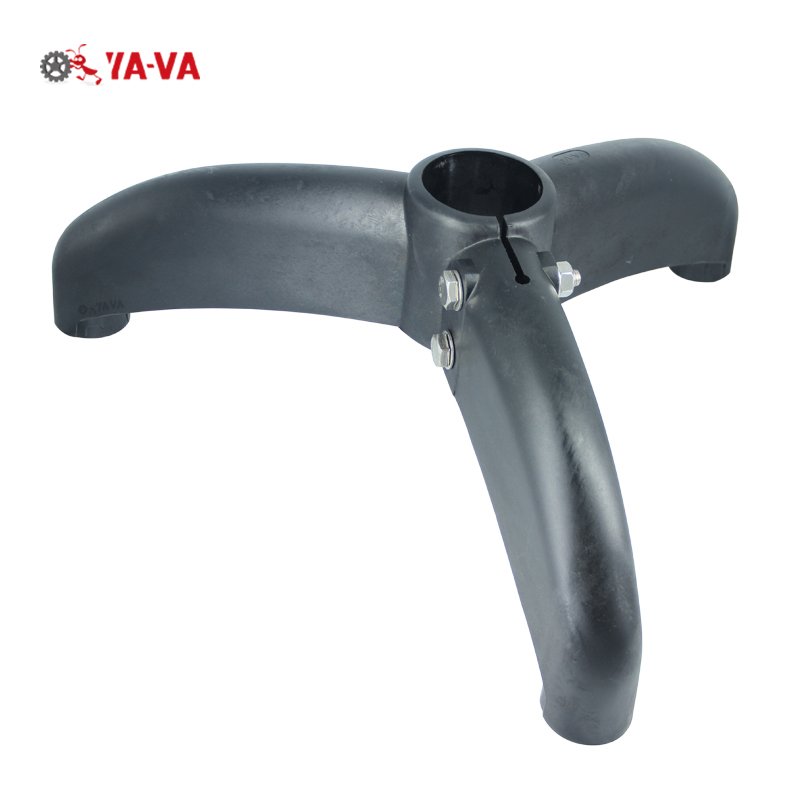
plastic support base bipod for conveyor components
View Details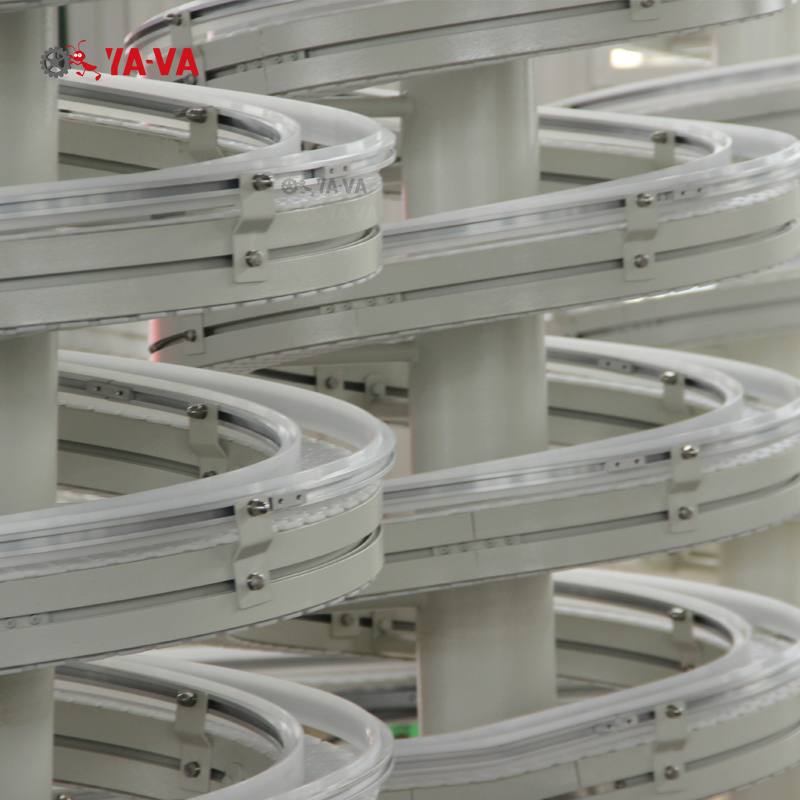
Flexible chain spiral conveyor
View Details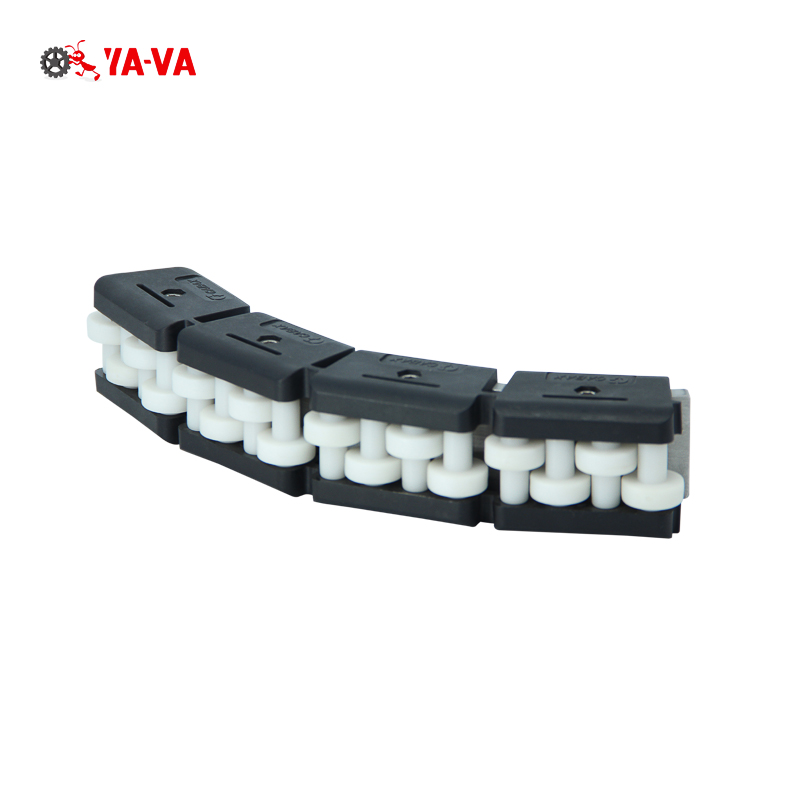
conveyor system parts---roller side guide
View DetailsOur Partners