- No.1068, Nanwan Rd, Kunshan city 215341, Jiangsu Province, P. R. China
- info@ya-va.com
- +86 18017127502
Key Vertical Handling Solutions
Optimized transport systems engineered specifically for pharmaceutical cleanrooms and packaging lines.
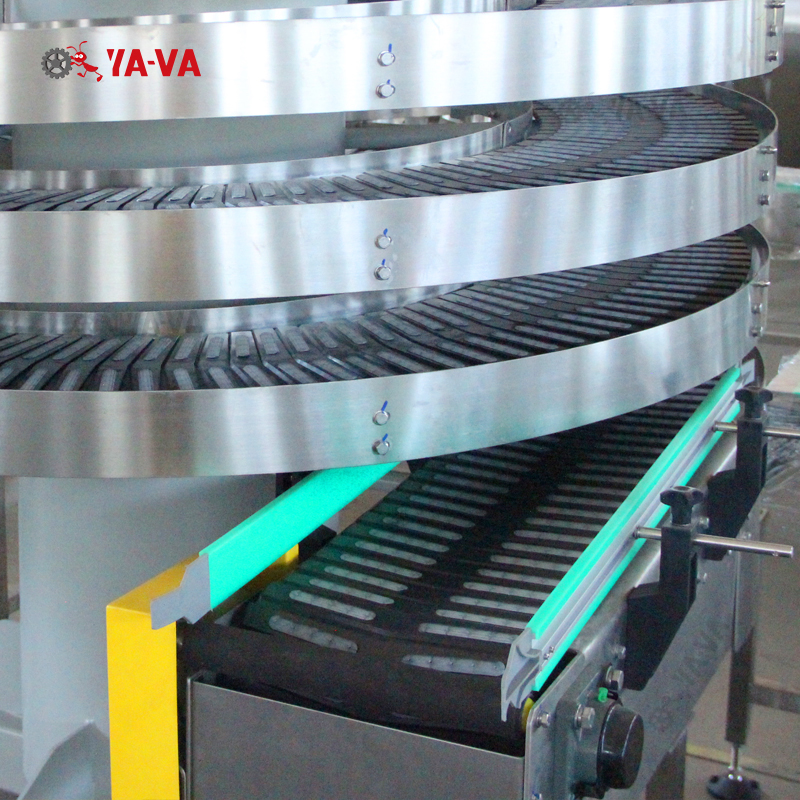
Pharmaceutical Chain Spiral Conveyor (Low Distance Vertical Lift)
Learn More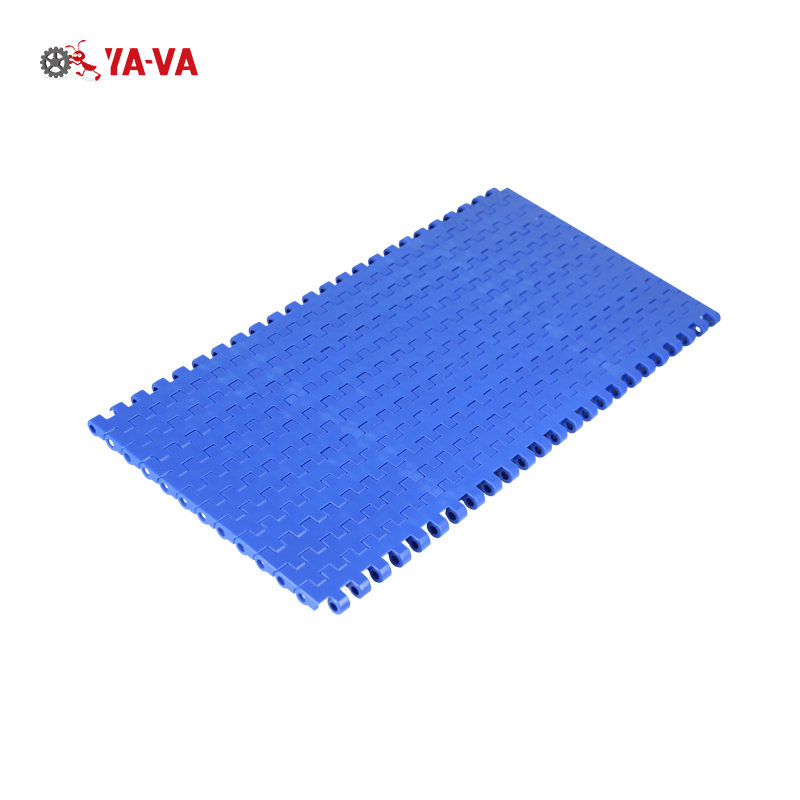
FDA-Grade Cleated Modular Conveyor Belt (Hygienic Easy Clean)
Learn More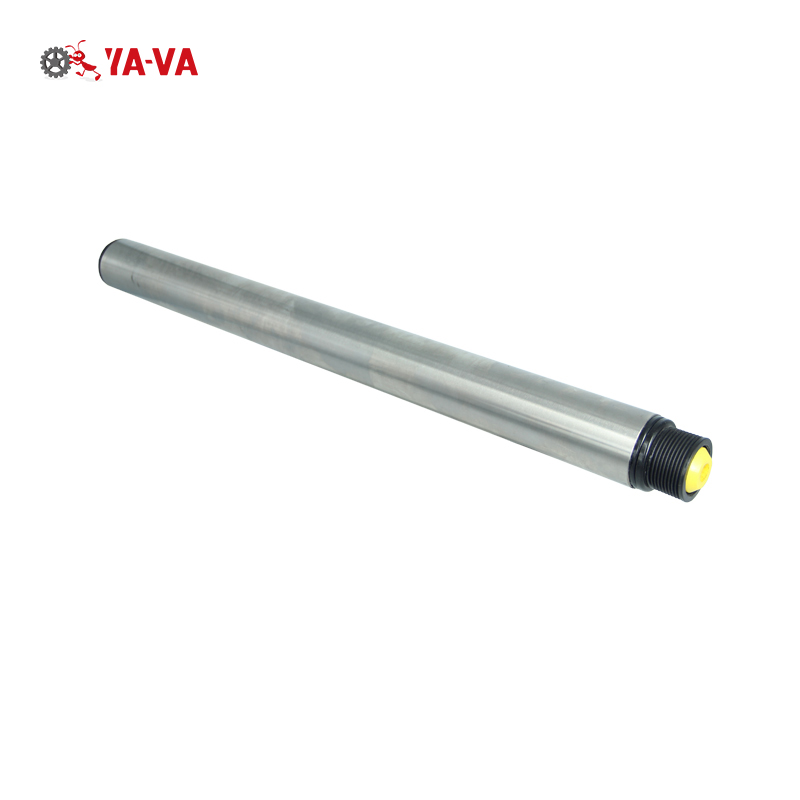
Precision Pharmaceutical Conveyor Roller (Low Noise & Vibration)
Learn More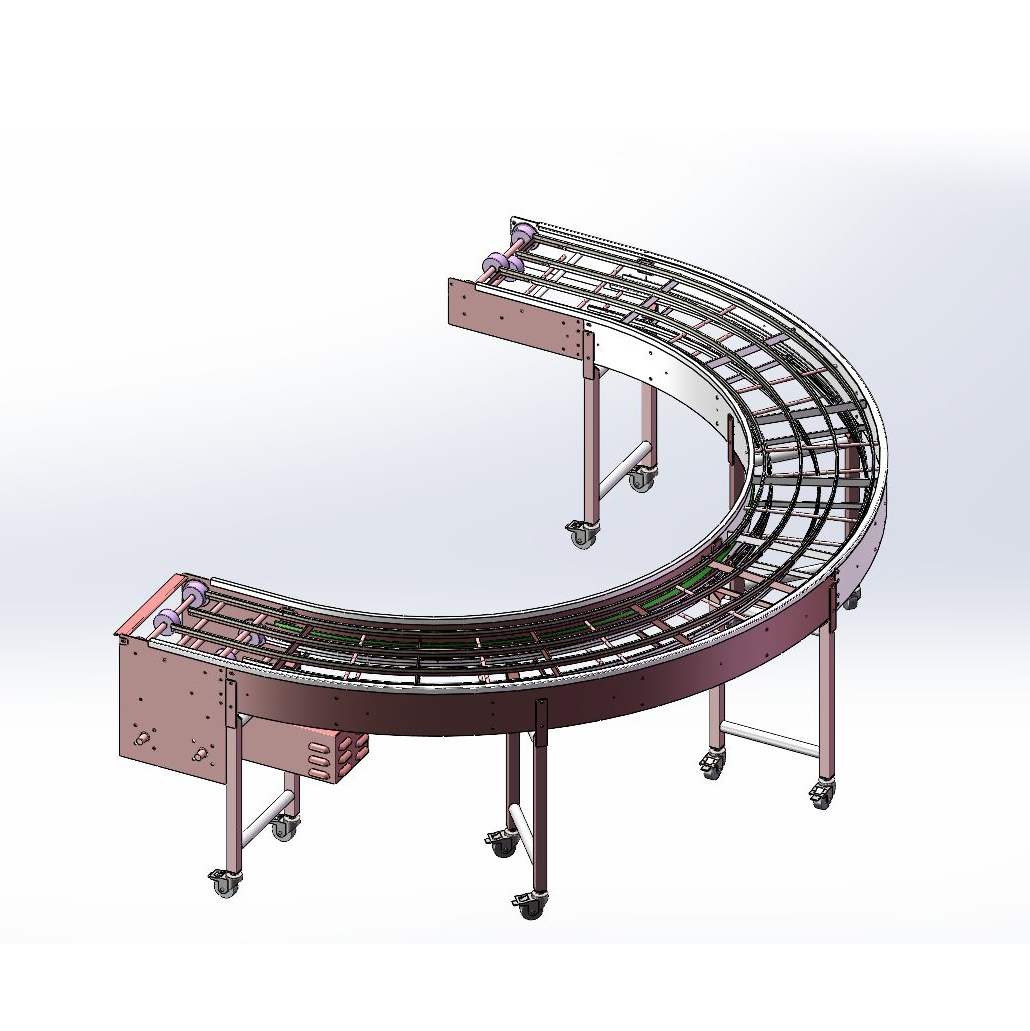
Straight & Curved Modular Belt Conveyor for Blister Packs
Learn MoreThe Crucial Role of Spiral Conveyor Systems in Modern Pharmaceutical Manufacturing
The global pharmaceutical industry is undergoing an unprecedented transformation. Driven by strict regulatory standards, the rise of personalized medicine, and the constant demand for operational efficiency, manufacturers are compelled to optimize every square meter of their production facilities. In this high-stakes environment, material handling is no longer just about moving products from point A to point B; it is a critical process variable that directly impacts product quality, facility throughput, and regulatory compliance. Among the most innovative solutions addressing these challenges today are Spiral Conveyor Systems.
Vertical conveying has transitioned from a simple space-saving utility to a highly specialized engineering discipline. In modern pharmaceutical plants, where cleanrooms are expensive to build and maintain, vertical space utilization is a commercial necessity. Spiral conveyors offer a continuous, gentle, and highly efficient method of transporting delicate pharmaceutical products—such as glass vials, syringes, blister packs, and cartoned medications—between different elevations. This comprehensive guide explores the industrial landscape, technological trends, application scenarios, and design standards of spiral conveyor systems engineered specifically for the pharmaceutical sector.
SEO Insight: Integrating high-efficiency vertical conveying systems not only reduces the physical footprint of the production facility by up to 60% but also enhances cleanroom air circulation dynamics by consolidating vertical transport pathways.
Industrial Landscape: The Shift Toward Vertical Automation
The commercial landscape of pharmaceutical manufacturing is characterized by soaring cleanroom construction costs and rigorous safety standards. Building a Class 100 (ISO 5) or Class 10,000 (ISO 7) cleanroom can cost thousands of dollars per square meter, making horizontal floor space one of the most expensive assets in a pharmaceutical plant. Consequently, facility planners are turning to vertical integration to maximize their Return on Investment (ROI).
Traditionally, incline conveyors or vertical reciprocating elevators were used to change product elevations. However, these systems often suffer from significant drawbacks: incline conveyors require a massive horizontal footprint to achieve height differences without causing product slippage, while reciprocating elevators are slow, batch-oriented, and prone to mechanical failures that can halt entire production lines. Spiral conveyor systems solve both issues by providing a continuous product flow with a minimal footprint, typically requiring less than 4 square meters of floor space to lift products several meters high.
Footprint Optimization
Saves up to 60% of valuable cleanroom floor space compared to traditional incline conveyors by utilizing vertical space efficiently.
Gentle Product Handling
Continuous smooth movement prevents tipping, scratching, or damage to fragile glass vials, ampoules, and syringes.
High-Throughput Continuous Flow
Eliminates the bottlenecks associated with reciprocating lift elevators, maintaining line speed and productivity.
Hygienic Cleanroom Design
Constructed with FDA-compliant materials and open structural frames that facilitate rapid sanitization and washdown.
Deep-Dive: Pharmaceutical Application Scenarios
1. Vial and Ampoule Elevation in Sterile Cleanrooms
In the aseptic filling of liquid injectables, glass vials and ampoules must travel from washers, through depyrogenation tunnels, and into filling and capping machines. Any vertical elevation during this process must be handled with extreme care. The fragile nature of glass combined with the high value of sterile liquid products makes product tipping or breakage unacceptable. Spiral conveyors designed with low-friction, high-precision plastic modular chains ensure a smooth transition. The continuous helical path maintains a constant speed, eliminating the jerky starts and stops that cause liquid sloshing or vial collisions.
2. Dynamic Vertical Accumulation and Buffering
Packaging lines are inherently prone to short stoppages, such as when a labeling machine runs out of labels or a cartoner experiences a minor jam. In a continuous pharmaceutical line, a stoppage downstream can force the upstream sterile filling process to shut down, which is highly undesirable as it increases contamination risks. Spiral conveyors can act as dynamic accumulation buffers. By utilizing a dual-spiral design (one upward, one downward) or a reversible spiral, the system can temporarily store products vertically during downstream delays and feed them back into the line once operation resumes, ensuring uninterrupted upstream production.
3. Secondary Packaging and Serialization Lines
Once medications are cartoned, they enter secondary packaging where they must be serialized to comply with global anti-counterfeiting regulations (such as the US Drug Supply Chain Security Act - DSCSA). Serialization requires high-resolution cameras to scan 2D barcodes on cartons. Spiral conveyors are used to elevate cartons to overhead transport lines, saving floor space for operators and auxiliary equipment. The precise tracking of product orientation on the spiral belt ensures that cartons arrive at the scanning station in the correct position, maintaining a 100% read rate and preventing false rejects.
Technological Trends: AI, IoT, and Smart Vertical Conveying
The integration of Industry 4.0 technologies is redefining pharmaceutical material handling. Modern spiral conveyors are no longer isolated mechanical components; they are intelligent, connected systems. By embedding IoT sensors throughout the conveyor frame, manufacturers can monitor real-time operating metrics such as motor temperature, belt tension, chain wear, and vibration levels. This data is processed by AI-driven predictive maintenance algorithms, allowing operators to schedule maintenance before a component fails, thereby avoiding costly unscheduled downtime.
Additionally, the adoption of direct-drive motors and energy-efficient variable frequency drives (VFDs) has reduced energy consumption while providing precise speed control. In cleanroom environments, the elimination of traditional gearboxes and drive chains—which require lubrication and can release particulates—is a major step forward. Magnetic drive systems and self-lubricating plastic chains ensure that the conveyor operates cleanly, quietly, and efficiently, meeting the strict ISO particulate cleanliness standards.
Hygienic Design Standards: FDA, GMP, and Cleanroom Compliance
Hygienic design is the most critical factor when selecting a spiral conveyor for pharmaceutical applications. The system must comply with Current Good Manufacturing Practices (cGMP) and FDA regulations. This dictates the materials used and the structural design of the conveyor:
- Material Quality: Structural frames are typically constructed from 304 or 316L stainless steel, featuring smooth, polished surfaces that resist bacterial adhesion and corrosion.
- FDA-Compliant Plastics: The conveyor belts are made from food-grade, high-density polyethylene (HDPE), polypropylene (PP), or polyacetal (POM), ensuring no toxic chemicals leach into the products.
- Washdown Capability (CIP): Conveyors must withstand aggressive sanitizing agents and high-pressure hot water washdowns. Open-frame designs eliminate hollow bodies and crevices where bacteria or product residue could accumulate.
- Particulate Control: For cleanrooms, the conveyor must minimize friction-induced wear, which generates airborne micro-particles. Special wear strips and low-friction materials are utilized to maintain ISO Class 5 compliance.
Economic Feasibility and Long-Term ROI
While the initial capital expenditure for a high-quality pharmaceutical spiral conveyor may be higher than that of a standard flat belt conveyor, the long-term return on investment is substantial. The primary driver of ROI is the dramatic reduction in cleanroom floor space requirements. By saving valuable square footage, pharmaceutical companies can install more processing equipment within the same cleanroom boundary, increasing overall plant capacity without expanding the physical building.
Furthermore, the reduction in product damage and waste—particularly in vial filling and packaging—directly improves profitability. When combined with predictive maintenance that prevents unexpected line stops, the operational savings quickly offset the initial equipment cost, making spiral conveyors a highly strategic investment for modern pharmaceutical manufacturers.
Our Strength in Conveying Technology
We are an independent company that has developed, produces and also maintains the conveyor system to ensure that our customers receive the most cost effective solutions available today.
Our customized vertical conveying systems are engineered to meet the stringent demands of the pharmaceutical, food, and packaging industries globally.

+300
Employees

3
Operating Units

+30
Countries Represented

+1000
Projects Per Year

About Us
YA-VA is a leading high-tech company providing intelligent conveyor solutions.
Our operations consist of the Conveyor Components Business Unit, Conveyor Systems Business Unit, Overseas Business Unit (Shanghai Daoqin International Trading Co., Ltd.), and the YA-VA Foshan Factory.
For more than 20 years, we have focused on transportation machinery R&D development and manufacturing. We strive to build a stronger and larger presence in the industry scale and brand, offering unparalleled service to our pharmaceutical and industrial manufacturing partners.
Read More
Chain Conveyors for Pharmaceutical Packing
Flexible slat chain conveyor product lines cover a wide range of applications. These multi-flexing conveyor systems use plastic chains in many configurations to adapt to complex layout demands, including tight turns, inclines, and vertical movements.
Designed for clean operation, low noise, and minimal maintenance, they are the ideal transport medium for secondary pharmaceutical packaging and serialization processes.
Get In TouchOur Full Range of Conveying Products
Explore our comprehensive catalog of high-performance conveyor components and systems.
Pharmaceutical Chain Spiral Conveyor - Low Distance
View Product
Hygienic FDA Cleated Modular Conveyor Belt
View Product
Low-Vibration Precision Conveyor Roller
View Product
Modular Belt Conveyor for Straight & Curved Packaging Lines
View Product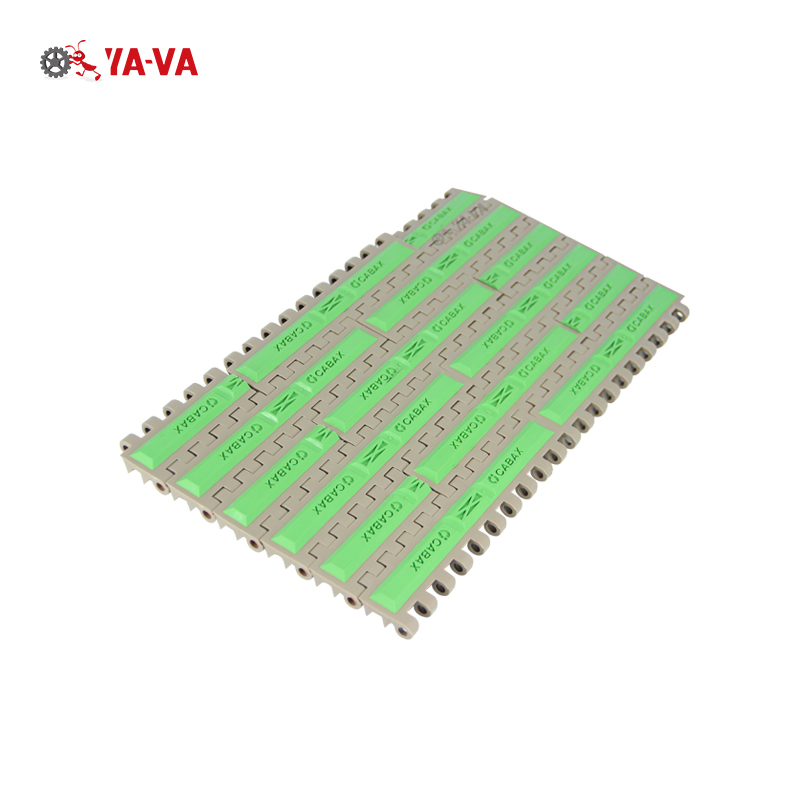
High-Speed Pharmaceutical Conveyor Belt YS300-16
View Product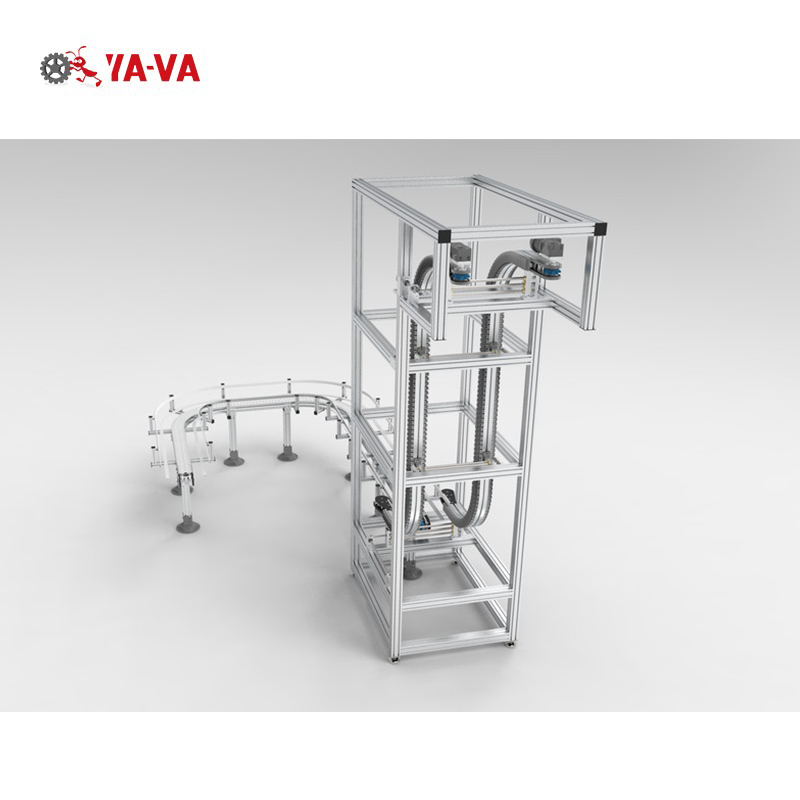
Vertical Wedge Conveyor for Bottle & Vial Elevation
View Product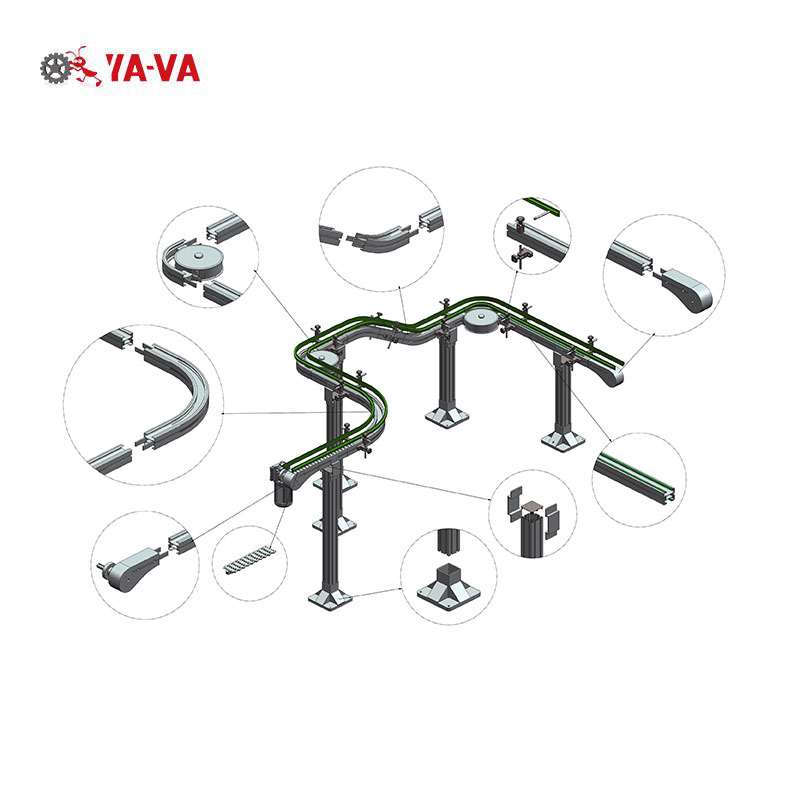
Aluminium Conveyor Component with Protective Cover
View Product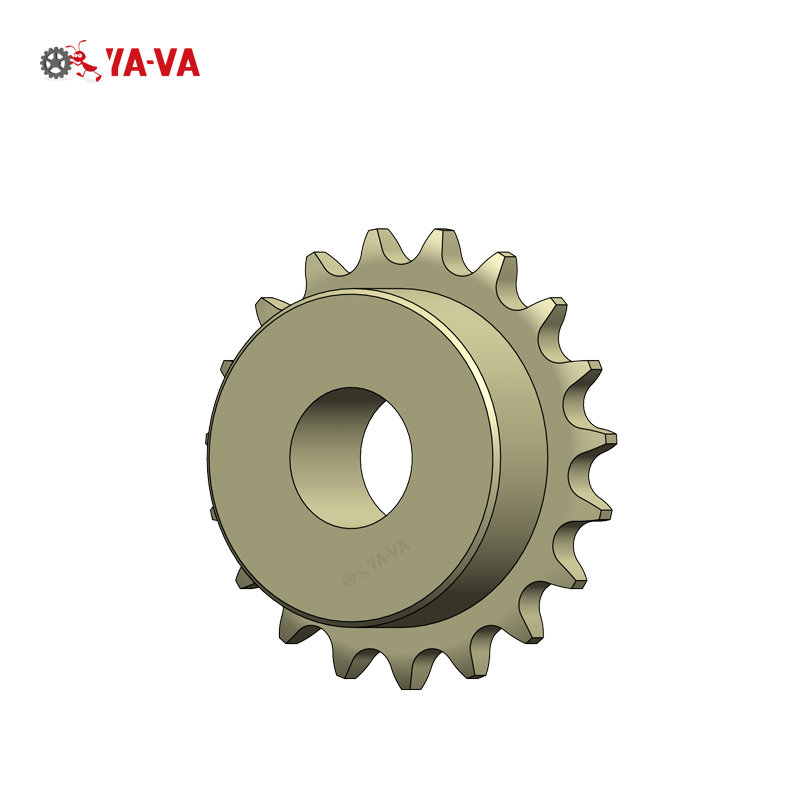
Sprockets 40P Plastic Flexible Chains for Cleanrooms
View ProductNews and Information
Stay updated with the latest trends and exhibition news from YA-VA.
YA VA Looks Forward to Welcoming You in June 2026
We are preparing for the upcoming international exhibitions in 2026. Join us to discover the latest advancements in intelligent vertical conveying systems.

YA-VA Thailand Bangkok PROPAC Exhibition
The exhibition concluded successfully. We express our sincere gratitude to all valued customers who visited our booth AY38. Your support drives our progress.
What is the difference between chain and belt conveyor?
An in-depth analysis comparing structural features, driving mechanisms, and applications between chain and belt conveyor systems in modern factories.
Our Cooperative Partners
Trusted by leading global brands in pharmaceutical, food, and manufacturing industries.