- No.1068, Nanwan Rd, Kunshan city 215341, Jiangsu Province, P. R. China
- info@ya-va.com
- +86 18017127502
Key Conveying Systems for Pharmaceutical Packaging


The Role of Sprockets for Plastic Modular Belts in Modern Pharmaceutical Production
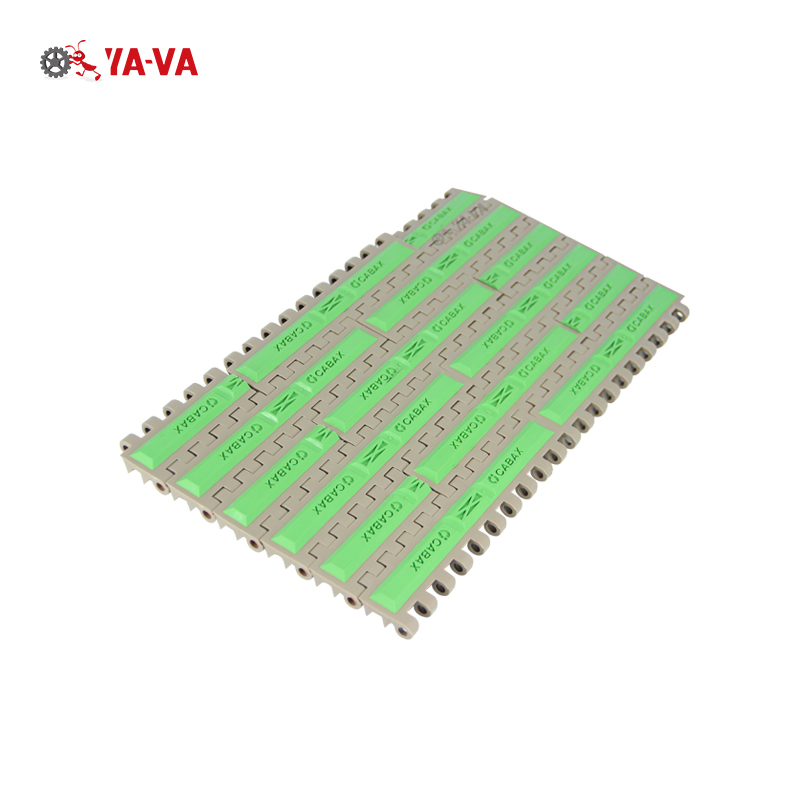
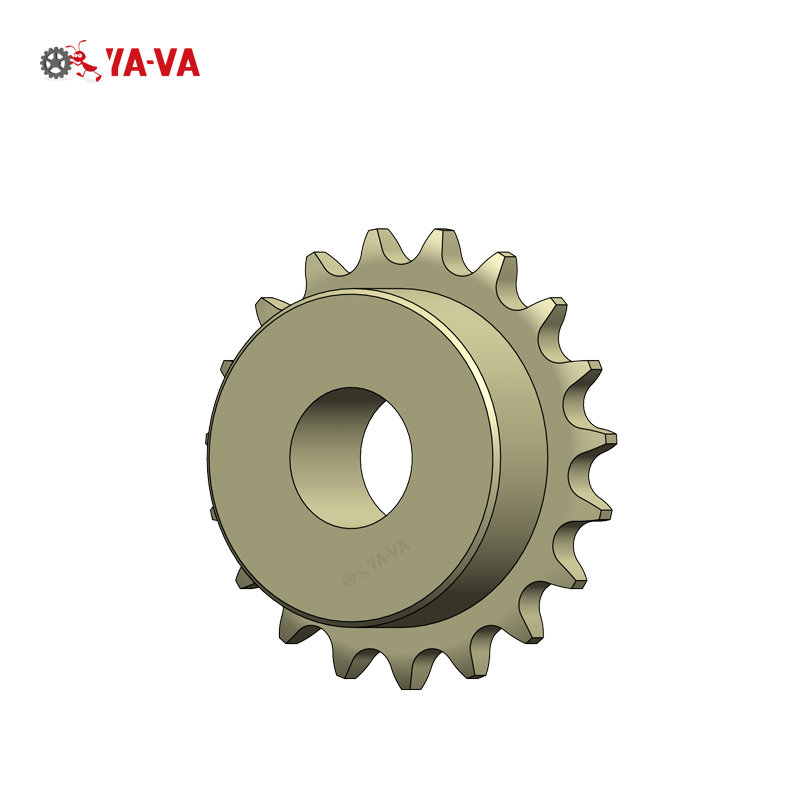
In the highly regulated world of pharmaceutical manufacturing, every component in a production line must perform with absolute precision and adhere to strict sanitary guidelines. Plastic modular belt systems have become the gold standard for conveying materials in cleanroom environments, packaging lines, and filling stations. However, the performance of these belts is entirely dependent on the sprockets that drive them. High-quality sprockets for plastic modular belts for the pharmaceutical industry ensure that conveyor systems run smoothly, without slip, and with minimal vibration, protecting fragile vials, ampoules, and packaged medicines from damage.
Industry Insight: Modern pharmaceutical logistics demands zero contamination and maximum uptime. The integration of self-lubricating, open-structure sprockets reduces cleaning time by up to 40% while maintaining compliance with FDA and EU GMP Annex 1 requirements.
Meeting Strict Cleanroom and Hygiene Regulations
Conveyor systems operating in pharmaceutical facilities must comply with rigorous standards set by regulatory bodies such as the FDA, EMA, and ISO. Cleanroom environments (typically ISO Class 5 to ISO Class 8) require machinery that generates minimal dust, is easy to sanitize, and does not harbor bacterial growth. Conventional metal chains and flat belts often require external lubrication, which is a major source of contamination. Plastic modular belts driven by plastic sprockets eliminate the need for external oil or grease, reducing the risk of product contamination. Furthermore, sprockets designed with open-window geometries allow cleaning agents to flow freely through the drive shaft during Clean-in-Place (CIP) cycles, ensuring all sanitization protocols are thoroughly met.
Technical Alignment: How Sprockets Minimize Chordal Action
One of the persistent challenges in modular belt conveying is "chordal action" (or the polygon effect), which causes slight pulsations and speed variations as the belt engages with the sprocket teeth. In pharmaceutical packaging, where delicate glass containers like vials must be transported at high speeds, even minor vibrations can lead to tipping, breakage, or misalignment at critical filling nozzles. By utilizing precision-machined sprockets with optimized tooth profiles and larger pitch diameters, engineers can significantly minimize chordal action. This ensures a smooth, continuous velocity profile, which is essential for vision inspection systems, printing serialization codes, and maintaining stable container orientation.
Material Selection for Pharma-Grade Sprockets
Sprockets used in pharmaceutical machinery must withstand aggressive chemical washdowns, high temperatures from sterilization processes, and continuous friction. The most common materials utilized include:
- UHMW-PE (Ultra-High-Molecular-Weight Polyethylene): Known for its exceptional wear resistance, self-lubricating properties, and low noise levels. It is highly resistant to chemical cleaning agents.
- PEEK (Polyether Ether Ketone): Used in high-temperature applications, such as drying tunnels or sterilization outfeeds, offering superior mechanical strength and thermal stability.
- FDA-Compliant Acetal: Provides excellent dimensional stability and high tensile strength, preventing tooth deformation under heavy loads.
Key Application Scenarios in Pharmaceutical Facilities
1. Aseptic Vial and Ampoule Filling Lines
In aseptic filling zones, containers must move seamlessly from washing and sterilization tunnels to the liquid filling needles. The sprockets driving the plastic modular belts must deliver vibration-free motion. Any sudden movement could spill valuable liquid formulations or cause glass-on-glass contact, leading to micro-cracks. Split sprocket designs are highly valued here, as they allow maintenance teams to replace worn parts quickly without removing the drive shaft, preserving cleanroom integrity.
2. Blister Packaging and Cartoning
Once tablets or capsules are sealed in blister packs, they are conveyed at high speeds to cartoning and wrapping machines. These lines require precise indexing where the belt must stop and start synchronously with robotic pick-and-place systems. Sprockets with positive drive engagement guarantee that there is zero belt slippage, ensuring that every blister pack is perfectly aligned with the packaging pocket every single time.
3. Serialization and Vision Inspection Stations
To combat counterfeit medicines, global regulations mandate unique serialization codes on every pharmaceutical package. Vision inspection systems scan these codes at milliseconds-level speeds. If the modular belt vibrates due to poorly machined sprockets, the cameras will capture blurred images, leading to false rejects. High-precision machined sprockets ensure the stable, flat tracking required for 100% inspection accuracy.
Future Trends: Smart Conveying and Predictive Maintenance
As the pharmaceutical industry transitions toward Industry 4.0, conveyor systems are becoming smarter. Future developments include sprockets integrated with wear-indicator sensors that communicate with central control systems. These sensors monitor sprocket tooth wear and shaft alignment, alerting operators before a failure occurs. This predictive maintenance approach is critical in pharmaceutical manufacturing, where unplanned downtime can result in the loss of entire batches of temperature-sensitive drugs.
Our Manufacturing Strength & Global Reach
We are an independent company that has developed, produces and also maintains the conveyor system to ensure that our customers receive the most cost effective solutions available today.

+300 Employees

3 Operating Units

Represented in +30 Countries

+1000 Projects / Year

About YA-VA
YA-VA is a leading high-tech company providing intelligent conveyor solutions. Our comprehensive service structure consists of the Conveyor Components Business Unit, Conveyor Systems Business Unit, Overseas Business Unit (Shanghai Daoqin International Trading Co., Ltd.), and the YA-VA Foshan Factory.
With over two decades of dedicated research and development in transportation machinery, we deliver state-of-the-art modular belt systems, custom sprockets, and conveyor components engineered to meet the strict hygiene and operational demands of the global pharmaceutical and food processing sectors.
Read More
CHAIN CONVEYORS
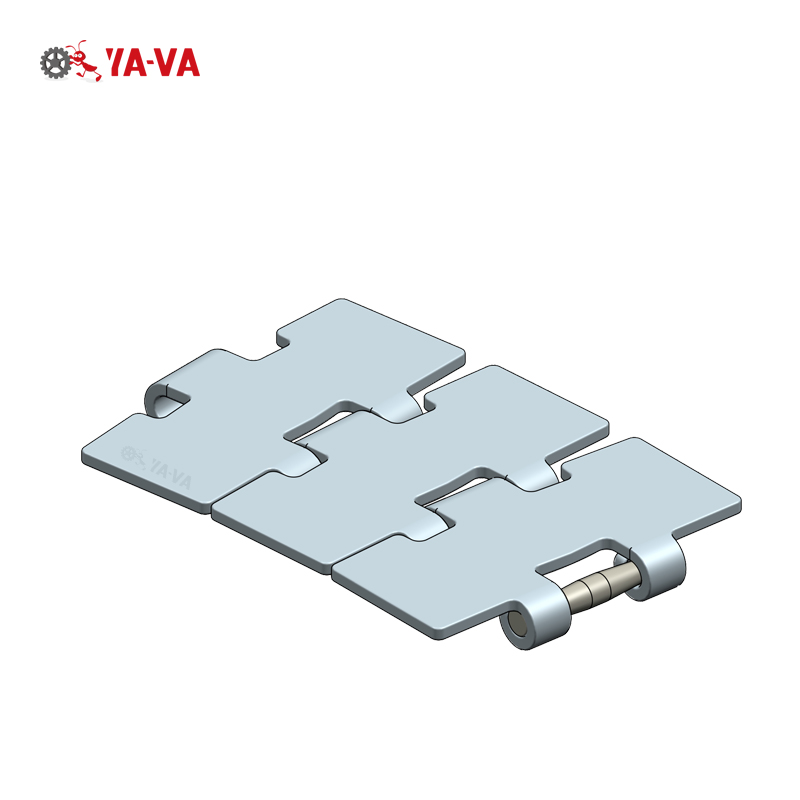
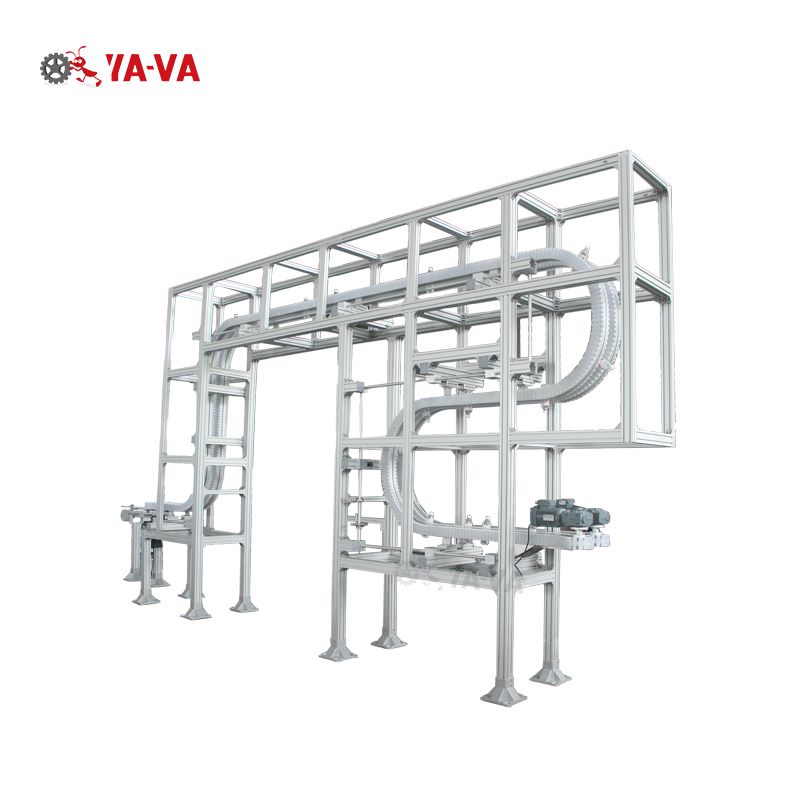
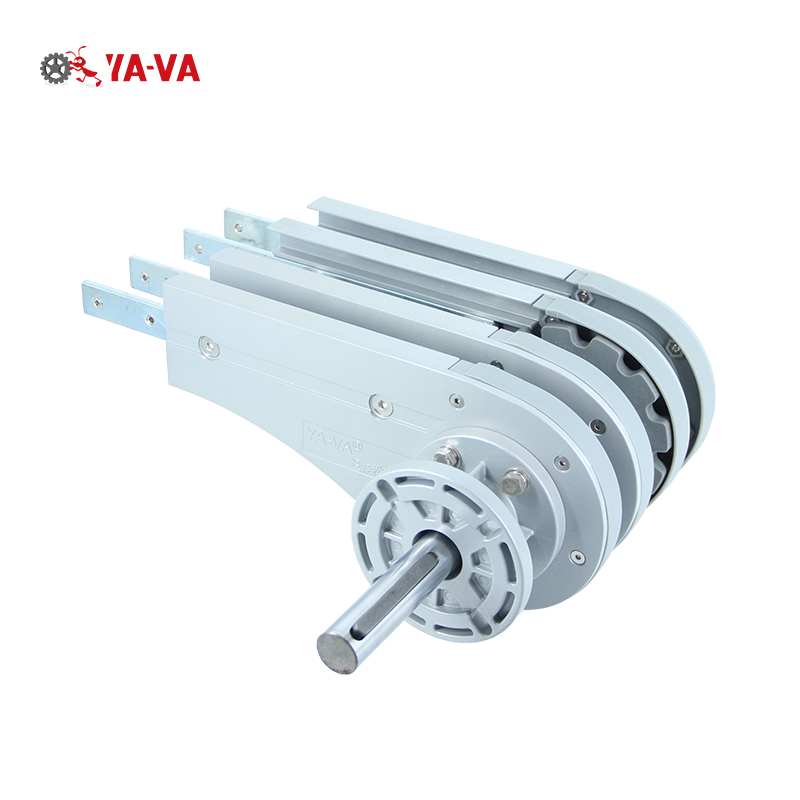
Flexible slat chain conveyor product lines cover a wide range of applications. These multiflexing conveyor systems use plastic chains in many configurations to adapt to complex pharmaceutical plant layouts.
Featured Conveyor Solutions
More than 20 years focusing on transportation machinery R&D development and manufacturing. In the future, we aim to grow stronger and bigger in the industry scale and brand value, providing highly specialized components for the pharmaceutical, biotech, and food manufacturing sectors worldwide.
Our plastic modular belt components are designed to minimize wear, lower energy consumption, and simplify maintenance. Whether you require standard sprockets or custom-machined drive setups, YA-VA provides engineered reliability.
View All CatalogNews & Information
YA VA Looks Forward to Welcoming You in June 2026
Stay tuned for our upcoming technological presentations where we showcase our next-generation cleanroom modular conveyors and smart drive sprockets.

YA-VA Thailand Bangkok PROPAC
YA-VA Thailand Bangkok PROPACK exhibition concluded successfully. We would like to express our sincere gratitude to all our valued customers for visiting our booth. BOOTH NO: AY38.
What is the difference between chain and belt conveyor?
Chain conveyors and belt conveyors are both used for material handling, but they differ in design, function, and applications including driving mechanisms and cleanroom suitability...
Essential Modular Components & Accessories

Our Partners