- No.1068, Nanwan Rd, Kunshan city 215341, Jiangsu Province, P. R. China
- info@ya-va.com
- +86 18017127502
Essential Food Industry Conveyors
Discover our highly efficient conveying solutions designed to streamline food production and packaging workflows.
Why Stainless Steel Gravity Conveyors are Vital for the Food Industry
In the highly regulated food manufacturing landscape, maintaining absolute hygiene while optimizing throughput is a constant challenge. The Stainless Steel Gravity Conveyor for Food Industry has emerged as an indispensable tool, offering a seamless blend of mechanical simplicity, energy efficiency, and unmatched cleanliness. Gravity conveyors rely on natural gravitational forces to move items down a decline, eliminating the need for electric motors and complex wiring in areas where manual handling or gravity-assisted flows are optimal. Utilizing high-grade stainless steel (typically Grade 304 or 316) ensures that these systems can withstand the harsh washdown environments, corrosive sanitizing agents, and extreme temperatures common in food processing facilities.
Key Benefits at a Glance:
- Uncompromising Hygiene: Non-porous stainless steel surfaces prevent bacterial accumulation, mold growth, and cross-contamination.
- Zero Energy Consumption: Gravity-driven operation reduces electricity usage, contributing directly to carbon footprint reduction and lower operating costs.
- Low Maintenance & High Reliability: Fewer moving parts, no motors, and no drive belts mean minimal mechanical wear and maximum uptime.
- Washdown Compatibility: IP66/IP69K-rated structural integrity allows for high-pressure, high-temperature chemical cleaning.
Commercial & Industrial Reality of Food-Grade Conveying
Today's food processing industry faces unprecedented pressures: rising labor costs, strict food safety regulations (such as FSMA and EHEDG), and the urgent need for operational sustainability. Historically, food factories relied heavily on powered belt systems for every stage of production. However, modern facilities are strategically integrating gravity-based stainless steel systems in packaging, sorting, and storage zones. By doing so, operators significantly reduce their capital expenditure (CAPEX) and ongoing maintenance costs. The simplicity of gravity rollers allows fast assembly, quick reconfiguration of line layouts, and easy integration with automated sorting mechanisms, making them highly agile assets in dynamic manufacturing plants.
From a commercial standpoint, investing in premium stainless steel gravity conveyors pays dividends in longevity. Unlike carbon steel or painted frames that rust, chip, or harbor contaminants when exposed to water and cleaning acids, stainless steel maintains its structural integrity and sanitary properties for decades. This eliminates the risk of product recalls due to physical contaminants like paint chips or rust flakes, protecting both consumer health and brand reputation.
Future Technological Trends: AI and IoT in Gravity Conveying
While gravity conveyors are fundamentally simple mechanical systems, the wave of Industry 4.0 and Artificial Intelligence (AI) is transforming how they are monitored and maintained. Modern smart food factories are embedding IoT-enabled sensors directly into the stainless steel roller bearings. These sensors monitor temperature, vibration, and rotation speed, feeding data back to centralized AI-driven predictive maintenance platforms. If a bearing begins to fail due to wear or water ingress during washdown, the AI system alerts maintenance teams before a breakdown occurs, avoiding costly unscheduled downtime.
Furthermore, AI-driven optical sorting cameras are being positioned above gravity decline lines. As packages slide down the stainless steel rollers, vision systems inspect labels, check for package integrity, and direct sorting gates to route products to different packaging lines. This combination of simple, energy-efficient gravity conveying with cutting-edge AI oversight represents the future of cost-effective, high-tech food manufacturing.
Our Strength
We are an independent company that has developed, produces and also maintains the conveyor system to ensure that our customers receive the most cost effective solutions available today.

+300 Employees
Dedicated professionals driving innovation and support worldwide.

3 Operating Units
Advanced manufacturing facilities ensuring consistent quality.

+30 Countries
Global network delivering local solutions and technical service.

+1000 Projects / Year
Proven track record of successful installations across diverse sectors.

About Us
YA-VA is a leading high-tech company providing intelligent conveyor solutions. Our comprehensive capabilities encompass the research, design, production, and service of advanced conveying systems, parts, and modular components.
We operate through dedicated business units: the Conveyor Components Business Unit, the Conveyor Systems Business Unit, our Overseas Business Unit (Shanghai Daoqin International Trading Co., Ltd.), and the state-of-the-art YA-VA Foshan Factory.
Read MoreDeep Dive: Application Scenarios in Food Processing
The versatility of a Stainless Steel Gravity Conveyor for Food Industry makes it suitable for numerous stages of the food supply chain. Below, we examine the primary scenarios where these systems provide maximum value:
1. Packaging and Cartoning Areas
Once food products are sealed in primary packaging (such as flow wraps, cans, or trays), they must be consolidated into secondary cartons. Gravity rollers are ideal for transporting these cartons from the packing stations down to the sealing and palletizing zones. Because the packages are already sealed, the conveyor acts as an accumulation buffer, allowing operators to manage fluctuations in production speeds without stopping the machines.
2. Washdown Zones & Raw Material Processing
In meat, poultry, seafood, and dairy processing, wet environments are standard. Conveyors in these zones must handle raw ingredients, juices, and heavy water exposure. Stainless steel gravity conveyors featuring open-frame designs allow water and food debris to fall through, preventing accumulation. The rollers can be easily lifted or swung out of the way for deep cleaning, ensuring no organic matter remains trapped to form biofilm.
3. Cold Storage and Freezing Chambers
Operating powered conveyor belts in sub-zero temperatures presents major mechanical challenges, including belt shrinkage, grease solidification, and motor failure. Stainless steel gravity conveyors, equipped with specialized low-temperature bearings and synthetic lubricants, perform flawlessly in blast freezers and cold storage units. They facilitate the movement of boxed frozen goods using gravity, avoiding the power losses and maintenance issues of motorized systems in extreme cold.
4. Bakery and Confectionery Cooling Lines
Freshly baked goods, such as bread, pies, and cookies, need time to cool before packaging to prevent moisture buildup inside the wrapper. Long, descending gravity roller tracks made of food-grade stainless steel allow products to cool naturally as they move gently down the line. The thermal conductivity of stainless steel also aids in heat dissipation, ensuring a controlled cooling process.
Chain Conveyors
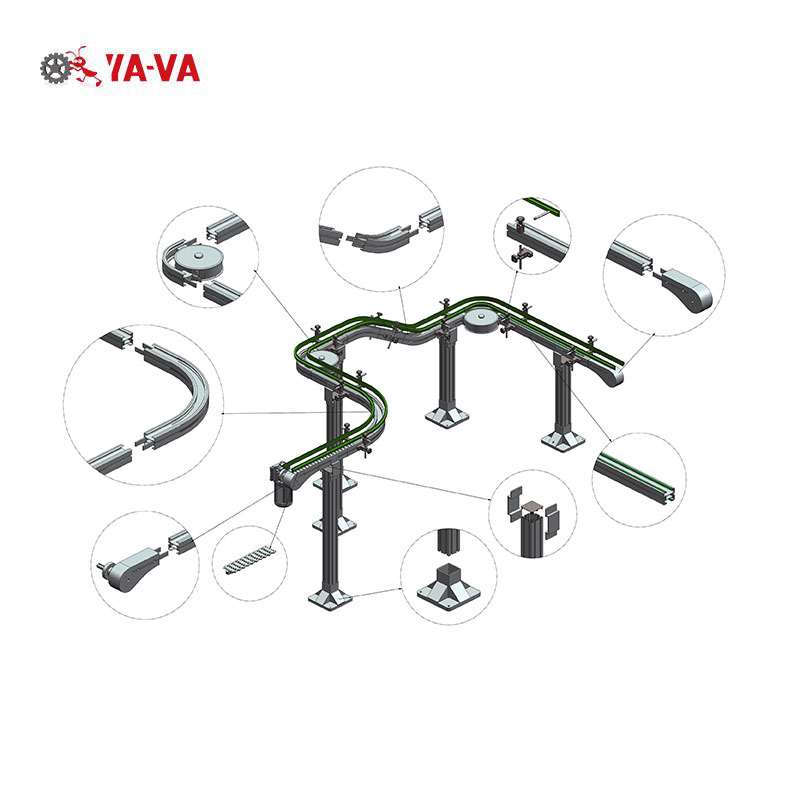
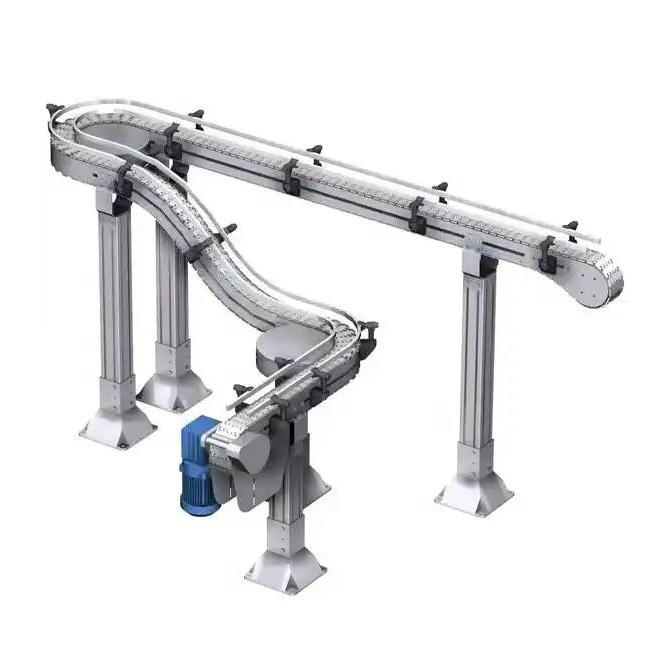
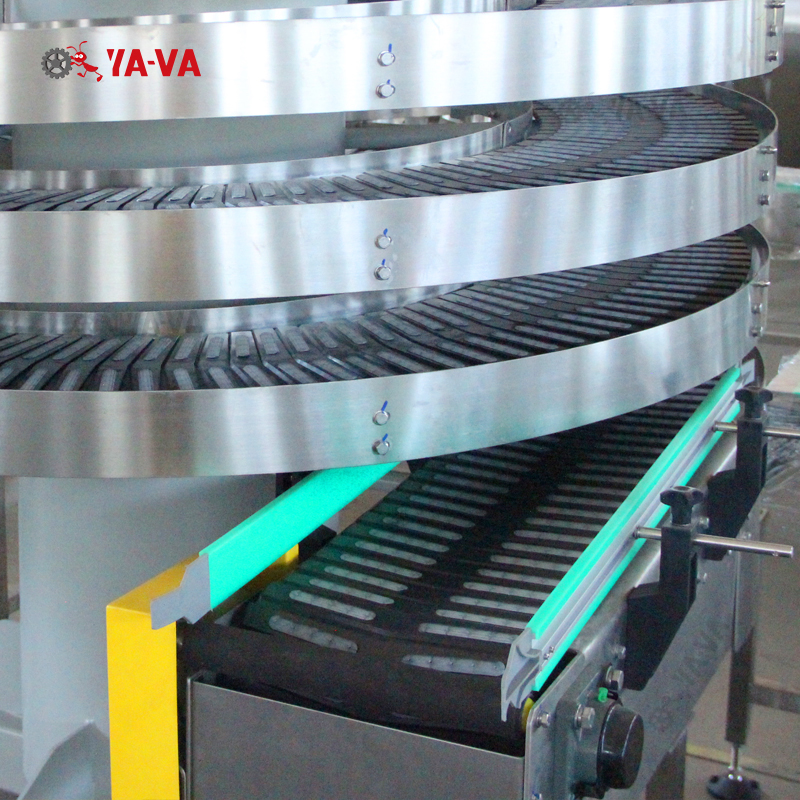
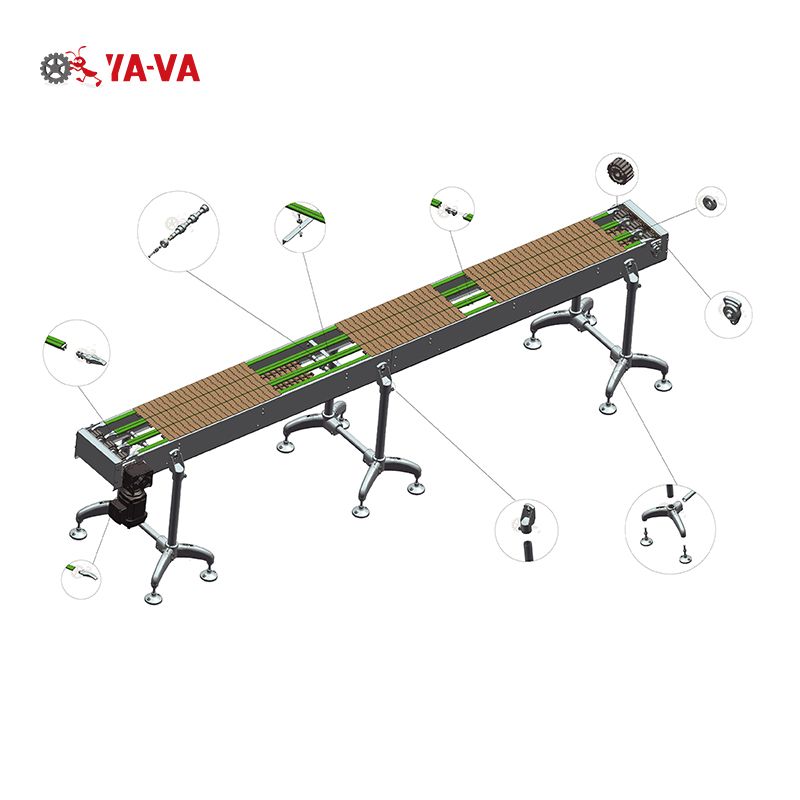
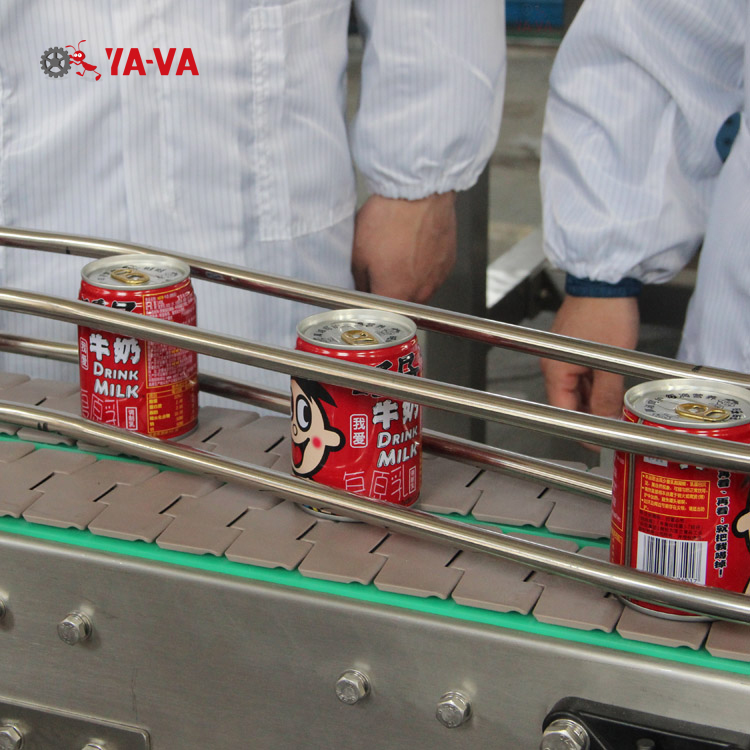
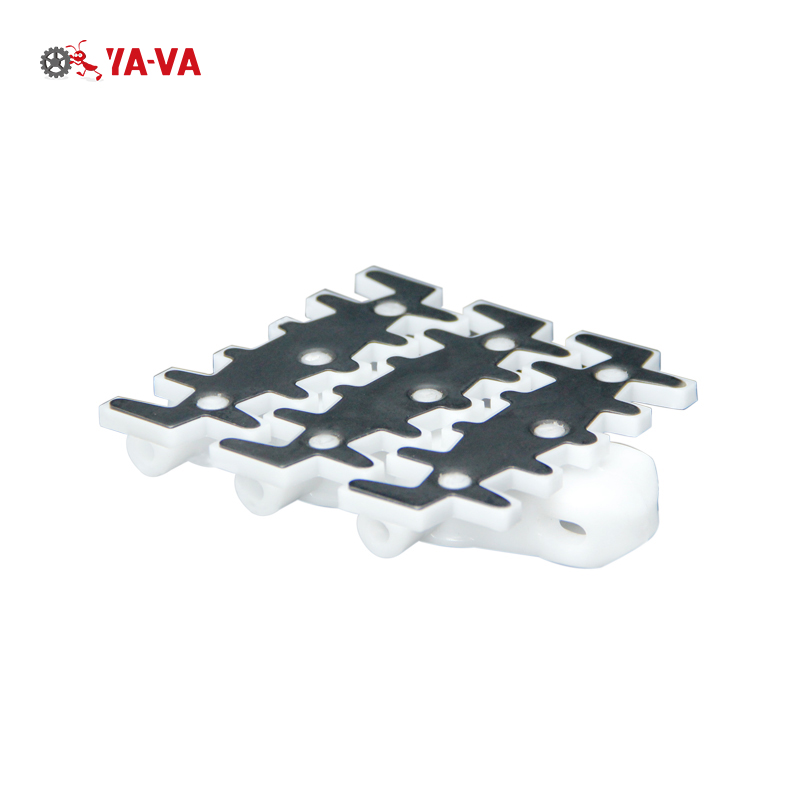
Flexible slat chain conveyor product lines cover a wide range of applications. These multiflexing conveyor systems use plastic chains in many configurations to handle diverse product shapes and sizes smoothly and efficiently. Designed for high reliability and low maintenance, they are an essential component of modern high-speed packaging lines.
Get in Touch
Feature Products
More than 20 years focusing on transportation machinery R&D development and manufacturing. In the future, stronger and bigger in the industry scale and brand.


Engineering Design Considerations for Food-Grade Gravity Conveyors
When specifying a Stainless Steel Gravity Conveyor for Food Industry, engineering teams must focus on specific design details to ensure compliance with food safety authorities like the FDA and USDA. Every aspect, from the frame structure to the roller bearings, must be optimized for hygiene and durability.
Frame Construction: Open vs. Closed Profiles
Traditional industrial conveyors often use hollow square tubing for structural frames. In the food industry, this is a major hazard. Condensation and organic matter can seep into hollow sections through microscopic weld cracks, creating an unreachable breeding ground for bacteria (such as Listeria). Food-grade gravity conveyors utilize open-profile frames made of solid stainless steel sheet metal bent into C-channels or L-shapes. This design ensures that all surfaces are fully exposed for visual inspection, chemical sanitization, and high-pressure washing.
Roller Selection and Pitch
Rollers can be made of stainless steel tubing or high-density food-grade plastics. Stainless steel rollers are highly durable and resist impact from heavy crates, while plastic rollers offer quiet operation and lighter weight. The pitch (distance between roller centers) must be calculated based on the size of the product packages. A rule of thumb is to have at least three rollers supporting the product at all times to ensure smooth sliding and prevent tipping.
Bearing Protection
Bearings are the most vulnerable component of any conveyor roller. In food plants, high-pressure washdowns can easily blast water and cleaning chemicals past standard bearing seals, washing out lubrication and causing premature failure. Food-grade gravity rollers utilize double-sealed, shield-protected precision bearings, often packed with H1 food-grade grease. Some advanced designs feature labyrinth seals that physically deflect water during sanitization cycles, extending the roller’s service life significantly.
News and Information
Stay updated with our latest corporate developments, exhibitions, and industry technical articles.
YA VA Looks Forward to Welcoming You in June 2026
Join us at the upcoming international packaging and logistics technology exhibition to explore our latest automated solutions.
View Details
YA-VA Thailand Bangkok PROPAC
YA-VA Thailand Bangkok PROPACK exhibition concluded successfully. We would like to express our sincere gratitude to all our valued customers for visiting our booth. Your support is the driving force behind our progress. BOOTH NO: AY38.
View DetailsWhat is the difference between chain and belt conveyor?
Chain conveyors and belt conveyors are both used for material handling, but they differ in design, function, and applications. Chain conveyors use plastic or metal chains in many configurations, while belt conveyors rely on wide continuous belts...
View Details





Our Complete Product Portfolio
Explore our full range of conveyor components, systems, and accessories engineered to support high-performance industrial production lines.