- No.1068, Nanwan Rd, Kunshan city 215341, Jiangsu Province, P. R. China
- info@ya-va.com
- +86 18017127502
High-Performance Battery Conveying Systems
The Industrial Landscape of New Energy & Battery Manufacturing
The global transition toward electrification, renewable energy storage, and smart mobility has triggered an unprecedented expansion in the production capacity of lithium-ion batteries, solid-state cells, and hydrogen fuel cell systems. Central to this industrial revolution is the establishment of ultra-modern "Gigafactories." These high-throughput manufacturing plants operate under incredibly stringent parameters, demanding high-speed, continuous, and micro-precise movement of components. From the initial processing of electrode coatings to the final assembly of massive battery packs, material handling systems represent the physical backbone of these operations.
Within this context, table top chains have transitioned from standard packaging line accessories to specialized, highly engineered components essential for new energy automation. The manufacturing of modern batteries is not a simple assembly task; it involves handling highly sensitive chemical compounds, delicate copper and aluminum current collector foils, and heavy, high-voltage battery modules. Any contamination, static discharge, or mechanical vibration during conveying can compromise cell integrity, leading to catastrophic thermal runaway risks or reduced cycle life. Consequently, custom-designed table top chains have become the gold standard for transporting cells and modules safely and efficiently.
"In the new energy sector, automation is not just about speed; it is about maintaining absolute product purity, preventing electrostatic discharge (ESD), and ensuring absolute process repeatability. Modern table top chains provide the micro-positioning and clean environment necessary to achieve these standards."
Commercial Challenges in Battery Assembly Lines
Battery manufacturers face intense commercial pressure to decrease the cost per kilowatt-hour ($/kWh) of produced cells while simultaneously scaling production volumes. To achieve this, assembly lines must run continuously with zero unplanned downtime. Traditional roller conveyors or standard PVC belts often fall short in these harsh production environments. They can generate particulate debris through friction, fail to dissipate static electricity, or degrade when exposed to aggressive organic solvents used in electrolyte filling processes.
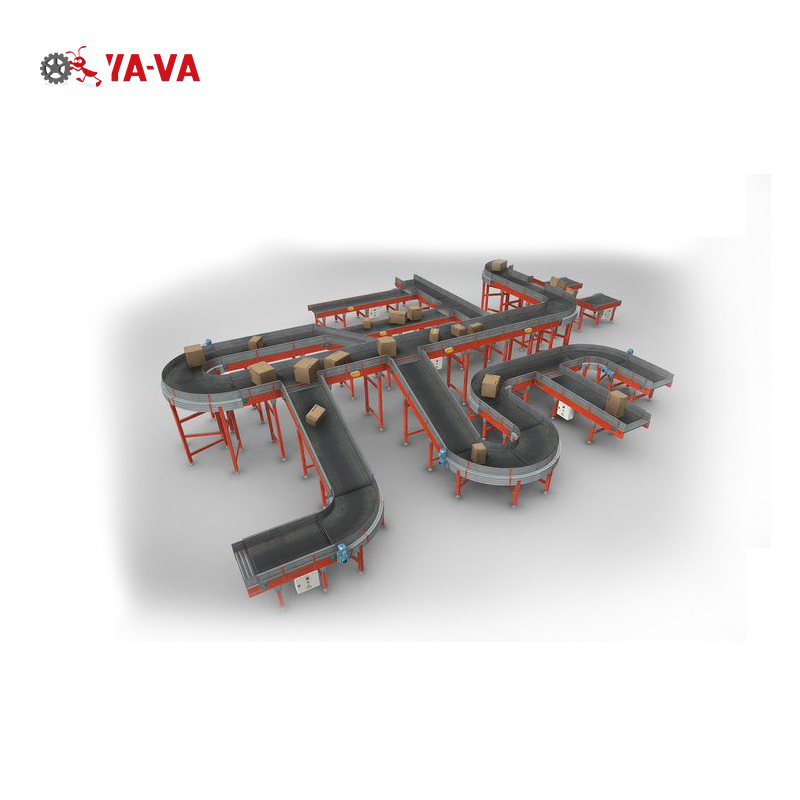
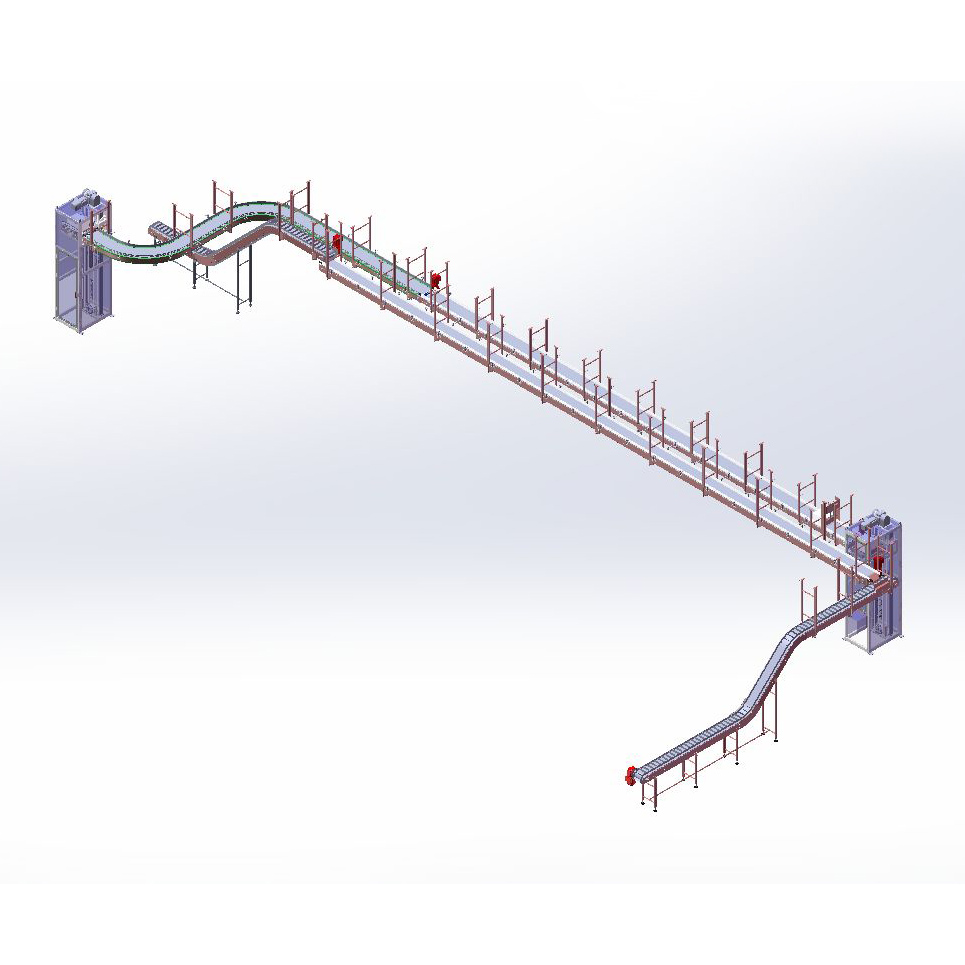
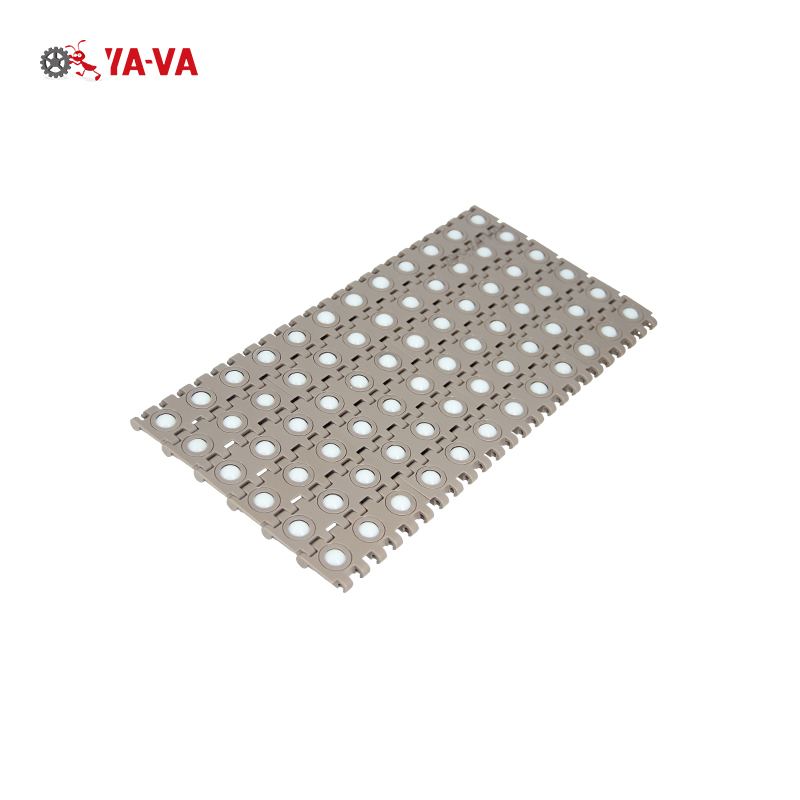
Engineered plastic table top chains solve these challenges by utilizing high-performance polymers such as POM (Polyoxymethylene) infused with carbon fibers or anti-static additives. This ensures that the conveyor surface remains static-dissipative (ESD safe), preventing high-voltage cells from short-circuiting or accumulating dust. Additionally, modular table top chains allow for complex layouts, including tight horizontal curves, vertical inclines, and spiral accumulation zones, maximizing the utilization of expensive cleanroom footprint.
Our Strength
We are an independent company that has developed, produces and also maintains the conveyor system to ensure that our customers receive the most cost effective solutions available today.




Deep Application Scenarios of Table Top Chains in Battery Production
To fully appreciate the role of modular conveying technology in the battery value chain, it is necessary to examine specific assembly stages where table top chains deliver critical performance advantages.
1. Battery Cell Assembly & Electrolyte Filling (Cleanroom ISO Class 4-6)
During the cell assembly phase (whether producing cylindrical, prismatic, or pouch cells), maintaining an ultra-clean environment is paramount. Particulate contamination can pierce the micro-thin polymer separators between anodes and cathodes, leading to internal short circuits. Table top chains designed for this stage are manufactured from low-wear, low-friction materials that minimize dust generation. Furthermore, during the electrolyte filling stage, the conveyor components must resist aggressive organic solvents (such as dimethyl carbonate or ethyl methyl carbonate) and lithium salts. Specialized PVDF or chemical-resistant acetal chains prevent material degradation and swelling, ensuring continuous line operation without track distortion.
2. Cell Formation, Aging, and Sorting
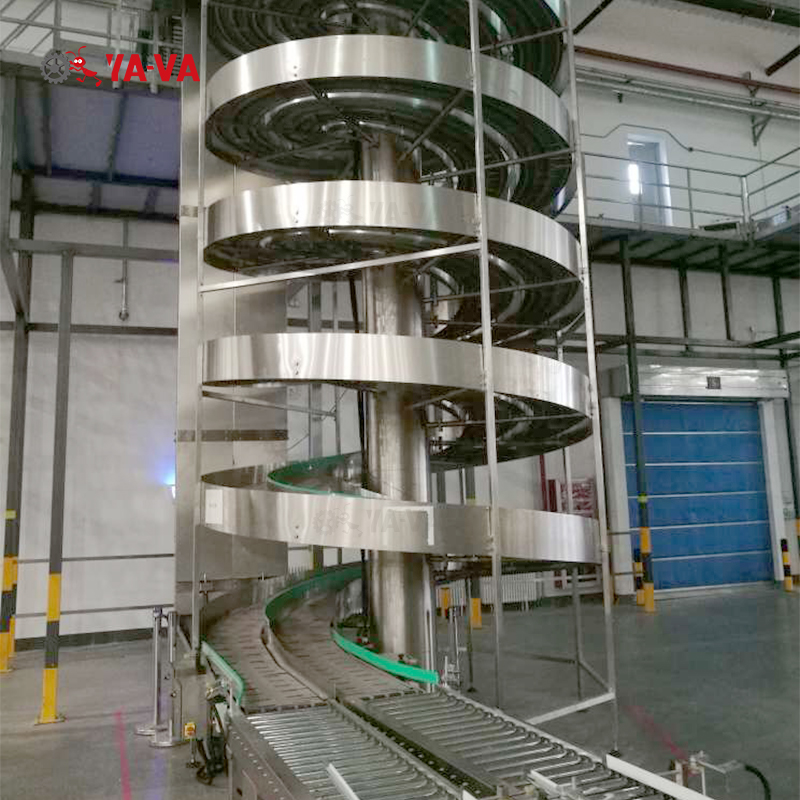
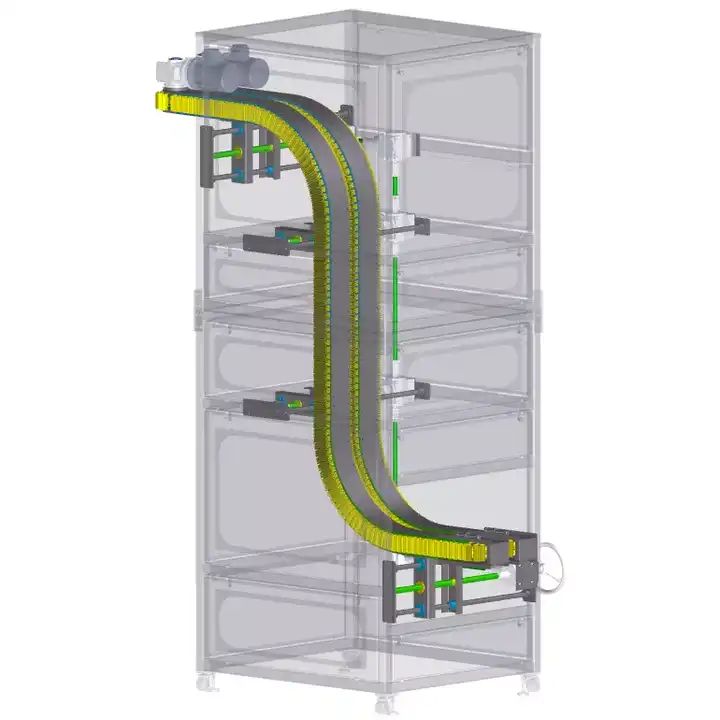
Once cells are assembled and sealed, they undergo formation and aging, where they are repeatedly charged and discharged to stabilize their chemical structure. This process takes several days and requires vast storage buffers. Vertical spiral conveyors and multi-lane table top chain systems are utilized to transport cells into vertical aging chambers. The stability of the table top chain is vital here; cells must be kept perfectly upright and stable to prevent electrolyte leakage or uneven wetting of the electrodes. The integration of high-friction inserts or specialized product fixtures on the chain links allows for smooth vertical transfer without product slippage.
3. Module Assembly & Heavy-Duty Stacking
Individual battery cells are grouped, bound, and welded into modules. These modules are significantly heavier and require robust conveying systems. Heavy-duty table top chains, often reinforced with stainless steel pins and thick plastic links, handle these high payloads with ease. During laser welding and testing phases, precision positioning is critical. Table top chains integrated with indexing mechanisms and precision stop-gates allow robotic welding arms to locate the battery terminals with sub-millimeter accuracy, ensuring perfect weld quality and electrical conductivity.

About Us
YA-VA is a leading high-tech company providing intelligent conveyor solutions.
Our comprehensive structure consists of the Conveyor Components Business Unit, the Conveyor Systems Business Unit, our Overseas Business Unit (Shanghai Daoqin International Trading Co., Ltd.), and the state-of-the-art YA-VA Foshan Factory.
For more than 20 years, we have focused on transportation machinery R&D development and manufacturing. In the future, we aim to grow even stronger and bigger in industry scale and brand reputation, delivering cutting-edge automation directly to the new energy sector.
Chain Conveyors
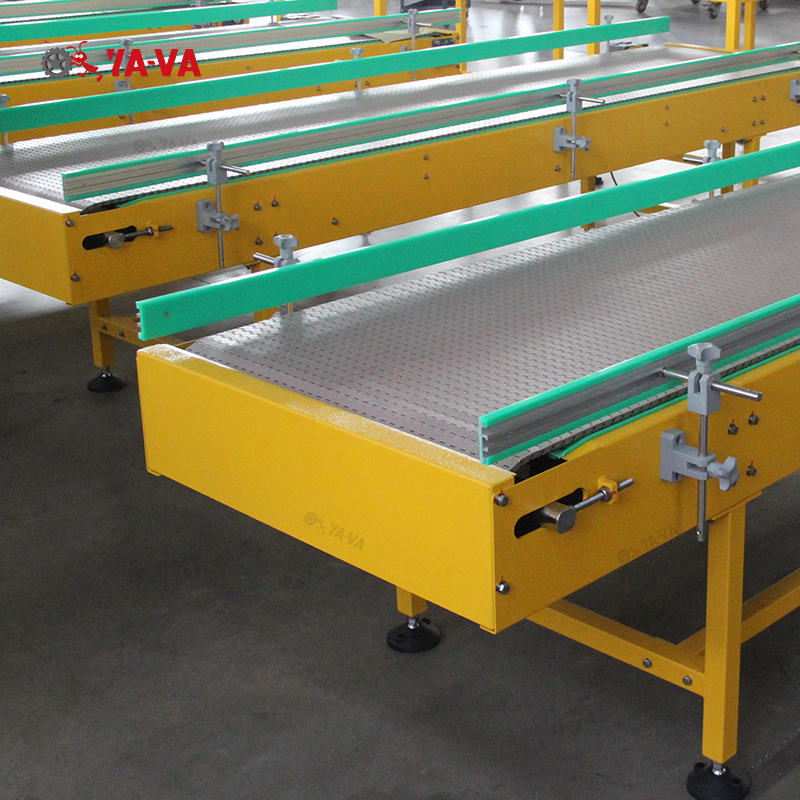
Flexible slat chain conveyor products lines cover a wide range of applications. These multiflexing conveyor systems use plastic chains in many configurations to adapt to complex factory layouts, tight spaces, and high-speed production requirements.
Especially in battery module assembly and cell handling, our chain conveyors provide smooth transitions, gentle product handling, and robust reliability under continuous operation.
Get in Touch
Future Trends in New Energy Conveying and Table Top Chains
As the battery and new energy sectors mature, the conveyor systems supporting them must evolve. We are observing several key technological trends that will shape the design of table top chains in the coming years:
1. Smart Conveying & IoT Integration
Modern factories are transitioning to Industry 4.0 standards. Conveyor lines are no longer passive transport tracks; they are smart systems integrated with sensors and RFID tracking. Table top chains are now being designed to carry embedded RFID tags or run alongside smart sensors that monitor chain tension, temperature, and wear in real-time. This allows for predictive maintenance, preventing unexpected line stops that can cost battery manufacturers thousands of dollars per minute.
2. High-Efficiency, Low-Carbon Manufacturing
The new energy industry is deeply committed to reducing its carbon footprint. Consequently, there is a growing demand for conveyor systems that consume less energy. Next-generation table top chains utilize advanced ultra-low-friction plastic compounds that reduce the coefficient of friction by up to 30%. This significantly lowers the motor torque required to drive the conveyor, resulting in lower electricity consumption across the assembly plant.
3. Modular Customization for Rapid Line Scaling
Battery technology is evolving rapidly, with cell formats (e.g., Tesla's 4680 cylindrical cells vs. large prismatic cells) changing frequently. Conveyor lines must be flexible enough to adapt to new layouts with minimal reconstruction. Modular table top chains allow factory engineers to easily reconfigure, lengthen, or shorten conveyor tracks, ensuring that the assembly line can scale alongside future battery innovations.
News and Information
YA VA Looks Forward to Welcoming You in June 2026
Stay tuned for our upcoming technological showcases and industrial conveyor innovations designed for global new energy integration.
View Details →
YA-VA Thailand Bangkok PROPAC Exhibition
YA-VA Thailand Bangkok PROPACK exhibition concluded successfully. We would like to express our sincere gratitude to all our valued customers for visiting our booth. Your support is the driving force behind our progress. BOOTH NO:AY38 We sincerely invite...
View Details →What is the difference between chain and belt conveyor?
Chain conveyors and belt conveyors are both used for material handling, but they differ in design, function, and applications. 1. Basic Structure Feature Chain Conveyor Belt Conveyor Driving Mechanism...
View Details →Comprehensive Conveyor Component Range
Explore our full range of material handling systems, customized and optimized for battery manufacturing, packaging, and cleanroom logistics.
Our Partners