- No.1068, Nanwan Rd, Kunshan city 215341, Jiangsu Province, P. R. China
- info@ya-va.com
- +86 18017127502
Featured Solutions for Tire & Rubber Handling
Explore our high-performance conveyor components tailored to maintain line stability and precise height adjustment under demanding industrial conditions.
The Industrial Landscape of Tire & Rubber Manufacturing
The tire and rubber manufacturing sector is one of the most demanding heavy industries in the world. Characterized by aggressive raw materials, continuous high-temperature vulcanization processes, and massive load fluctuations, the machinery operating in these facilities must be built to survive. From the initial stages of compounding and mixing raw rubber polymer blocks to the final stages of tire inspection and warehousing, material handling systems form the backbone of production. Within these systems, adjustable conveyor feet play a vital, yet frequently overlooked, role in ensuring continuous uptime, structural safety, and operational precision.
In a standard tire production facility, conveyors are subjected to harsh environmental conditions. The presence of carbon black—a highly abrasive reinforcing agent used in rubber compounding—creates a fine, conductive dust that can penetrate mechanical parts, causing premature wear and binding. Furthermore, the chemicals used in rubber vulcanization, such as sulfur, zinc oxide, and various processing oils, present a corrosive environment for structural components. Conveyor support systems, particularly the leveling feet, must be engineered with specialized materials and sealing mechanisms to withstand these chemical attacks while supporting thousands of kilograms of machinery and raw materials.
Why Mechanical Stability Matters in Rubber Processing
Even minor floor subsidence or structural vibration can lead to conveyor frame misalignment. In tire manufacturing, where uncured rubber components (green tires) are highly sensitive to deformation, any belt mistracking caused by unlevel conveyors can ruin the product geometry, leading to high scrap rates and costly production halts.
Historically, tire factories relied on rigid, permanently welded steel supports to secure their conveyor frameworks. However, as modern tire manufacturing transitions toward modular, flexible factory layouts that can adapt to changing tire sizes and production runs, the demand for high-strength, flexible, and micro-adjustable leveling systems has surged. Today's adjustable conveyor feet are engineered to provide precise leveling, vibration isolation, and high load capacities, allowing manufacturers to quickly reconfigure lines while maintaining perfect mechanical alignment.
Our Strength & Global Footprint
We are an independent company that has developed, produces and also maintains the conveyor system to ensure that our customers receive the most cost effective solutions available today.




Deep-Dive Application Scenarios in Tire & Rubber Plants
Understanding where and how adjustable conveyor feet are deployed within a tire manufacturing plant reveals their critical engineering requirements. The production journey of a tire is divided into several distinct zones, each presenting unique challenges to the conveyor system’s support structure.
1. Raw Material Compounding & Mixing Area
The manufacturing process begins in the compounding area, where natural and synthetic rubbers are mixed with carbon black, oils, and chemical additives. The conveyor systems here transport heavy raw rubber bales (often weighing up to 35kg or more each) and drop them into the Banbury mixers. This dropping action creates massive shock loads. Adjustable conveyor feet used in this zone must feature heavy-duty thread sizes (M24 to M30) and be constructed from high-tensile steel or reinforced polyamide bases. Vibration-damping rubber pads vulcanized to the foot base are essential to absorb these impacts, preventing the shock waves from cracking the factory floor or shaking loose the conveyor frame bolts.
2. Rubber Extrusion & Calendering Lines
Once the rubber compound is mixed, it is extruded into continuous strips for treads and sidewalls, or calendered into steel-cord reinforced sheets. The extruded rubber profiles are hot, sticky, and highly susceptible to stretching. They are transported through long cooling water troughs and conveyor lines. Here, the conveyors must be perfectly level. If the conveyor slants even slightly, the uncured tread profile can slide or deform, ruining the tread pattern consistency. Adjustable leveling feet with articulating ball joints are critical in this phase, allowing engineers to compensate for uneven concrete floors and align the cooling lines to sub-millimeter precision.
3. Tire Building Machine (TBM) Feeders
At the Tire Building Machine, the various components—inner liner, body plies, steel belts, beads, and tread—are assembled. This is a highly automated, high-precision process. The feed conveyors must deliver these components with absolute repeatability. Any structural vibration can cause the plies to shift during feeding, resulting in a defective tire. Conveyor leveling feet in this area are equipped with fine-thread adjustments to allow micro-positioning and are anchored securely to the floor using integrated bolt-down holes to eliminate all lateral movement.
4. Curing & Vulcanization Press Areas
The "green" tire is placed into a curing press where high heat (up to 200°C) and steam pressure vulcanize the rubber into its final shape. The conveyors feeding the curing presses operate in high-temperature, high-humidity environments filled with steam and chemical release agents. Standard steel leveling feet would rust rapidly under these conditions. Consequently, adjustable feet in this zone must be manufactured from SUS304 or SUS316 stainless steel. These feet must feature hygienic, smooth threads or be covered with protective sleeves to prevent the buildup of sticky mold-release residues and carbon dust.
5. Final Inspection & Sorting Lines
After curing, finished tires go through rigorous quality control, including balance testing, uniformity testing, and visual inspection. The conveyor systems in this area run at high speeds, sorting tires into different lanes based on test results. The rapid start-stop nature of sorting diverters generates significant dynamic forces. The adjustable feet supporting these sorting conveyors must possess high shear resistance and be securely anchored to the floor to prevent the conveyor frames from shifting over time due to inertial forces.

About YA-VA
YA-VA is a leading high-tech company providing intelligent conveyor solutions.
Our comprehensive structure consists of the Conveyor Components Business Unit, Conveyor Systems Business Unit, Overseas Business Unit (Shanghai Daoqin International Trading Co., Ltd.), and the YA-VA Foshan Factory.
With over two decades of dedicated research and development in transportation machinery, YA-VA is committed to delivering state-of-the-art automation components and systems that meet the rigorous standards of global heavy industries, including tire and rubber manufacturing.
Read MoreTechnical Specifications & Selection Criteria for Conveyor Feet
Selecting the right adjustable conveyor feet for a tire and rubber facility requires a deep understanding of mechanical loads and environmental factors. Using the wrong leveling foot can lead to catastrophic structural failure or frequent maintenance shutdowns. Below are the key engineering specifications to consider:
- Load Capacity: Tire conveyors carry heavy payloads. Leveling feet must support both the static weight of the conveyor structure and the dynamic loads of moving rubber materials. Typical load ratings for industrial-grade feet range from 1,500 kg (approx. 15,000 N) up to 10,000 kg (approx. 100,000 N) per foot.
- Base Material: Reinforced Polyamide (PA) bases offer excellent impact resistance and chemical durability, making them suitable for standard lines. However, for extreme heat zones near curing presses, solid stainless steel (SUS304/SUS316) bases are preferred due to their thermal stability and corrosion resistance.
- Articulation Angle: Industrial floors, especially in older tire plants, are rarely perfectly flat. Leveling feet with a ball-joint spindle design allow for a tilt angle of up to 15 to 20 degrees, ensuring the base remains flat on the floor even if the spindle is angled.
- Vibration Damping: High-frequency vibrations from motors and heavy rollers can loosen fasteners and damage conveyor bearings. Leveling feet with integrated anti-slip, vibration-damping rubber pads (NBR or Polyurethane) help isolate the conveyor frame, reducing noise and mechanical wear.
- Thread Protection: In environments with heavy carbon black dust, open threads can become clogged, making future adjustments impossible. Leveling feet with stainless steel thread covers or telescopic sleeves protect the spindle from dust accumulation.
Engineering Formula for Load Calculation
When designing support frames, always calculate the total load (Conveyor Weight + Maximum Product Weight) and multiply by a safety factor of 1.3 to 1.5 to account for dynamic shocks, then divide by the number of supporting feet to determine the required load capacity per foot.

Chain Conveyors Systems
Flexible Slat Chain Conveyor Solutions
Flexible slat chain conveyor product lines cover a wide range of applications. These multiflexing conveyor systems use plastic chains in many configurations, providing versatile routing options and robust support. Designed to integrate seamlessly with our heavy-duty adjustable leveling feet, these systems ensure stable operation even when conveying heavy tire components through complex plant layouts.
Get in touchFuture Trends: Smart Leveling & Industry 4.0
As the tire and rubber industry moves toward smart manufacturing and Industry 4.0, even simple components like conveyor leveling feet are undergoing technological evolution. The integration of sensors and advanced materials is paving the way for smarter, more reliable material handling systems.
One major trend is the development of smart leveling feet. These feet are embedded with load cells or strain gauges that continuously measure the weight distribution across the conveyor frame. If a conveyor section becomes overloaded or if the floor shifts, the sensor transmits a wireless signal to the central control system, alerting maintenance teams before a structural failure occurs. This predictive maintenance capability is crucial for 24/7 tire plants where unplanned downtime can cost tens of thousands of dollars per hour.
Another trend is the use of advanced self-lubricating materials and antimicrobial polymers in the foot bases. While antimicrobial properties are traditionally valued in the food sector, they are increasingly used in the rubber industry to resist the growth of molds and fungi in warm, humid cooling line areas. Furthermore, manufacturers are focusing on sustainable designs, using recycled plastics and low-carbon steel to reduce the environmental footprint of their conveyor components.
By investing in high-quality, adjustable conveyor leveling feet, tire manufacturers can ensure their automated systems operate at peak efficiency, maintaining the precise product geometry required for modern high-performance tires while minimizing maintenance costs.
News & Information
YA VA Looks Forward to Welcoming You in June 2026
Stay tuned for our upcoming exhibitions and product showcases where we will present our latest heavy-duty conveyor components and smart leveling accessories designed for the rubber industry.
View Details →
YA-VA Thailand Bangkok PROPAC
YA-VA Thailand Bangkok PROPACK exhibition concluded successfully two days ago. We would like to express our sincere gratitude to all our valued customers for visiting our booth. Your support is the driving force behind our progress. BOOTH NO:AY38 We sincerely invite...
View Details →What is the difference between chain and belt conveyor? How many types of conveyor chains are there?
What is the difference between chain and belt conveyor? Chain conveyors and belt conveyors are both used for material handling, but they differ in design, function, and applications: 1. Basic Structure Feature Chain Conveyor Belt Conveyor Driving Mechanism Uses...
View Details →Cooperative Partners






Explore Our Full Conveyor Component Catalog
Browse our complete range of flexible chain systems, modular belts, and heavy-duty rollers designed for the modern tire & rubber processing plant.
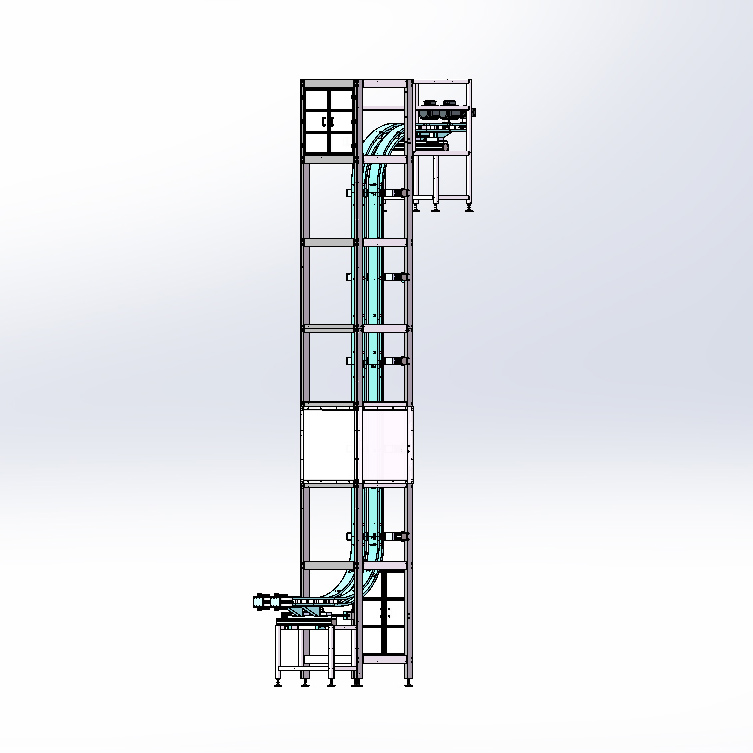
Tire & Rubber Gripper Conveyor for Vertical Elevation
View Details →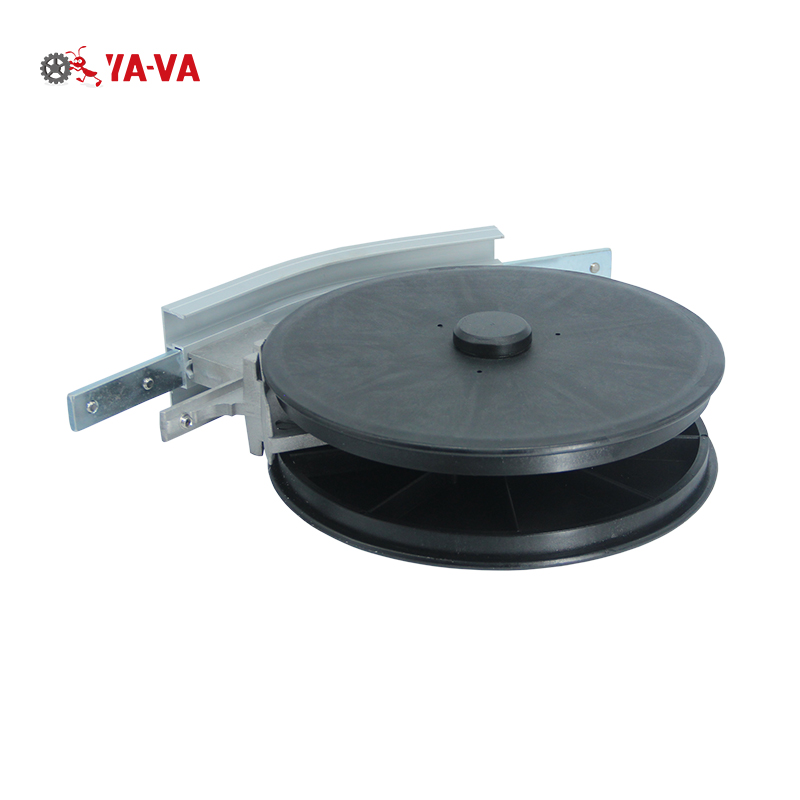
Flexible Chain Conveyor Wheel Bend for Tire Transition Lines
View Details →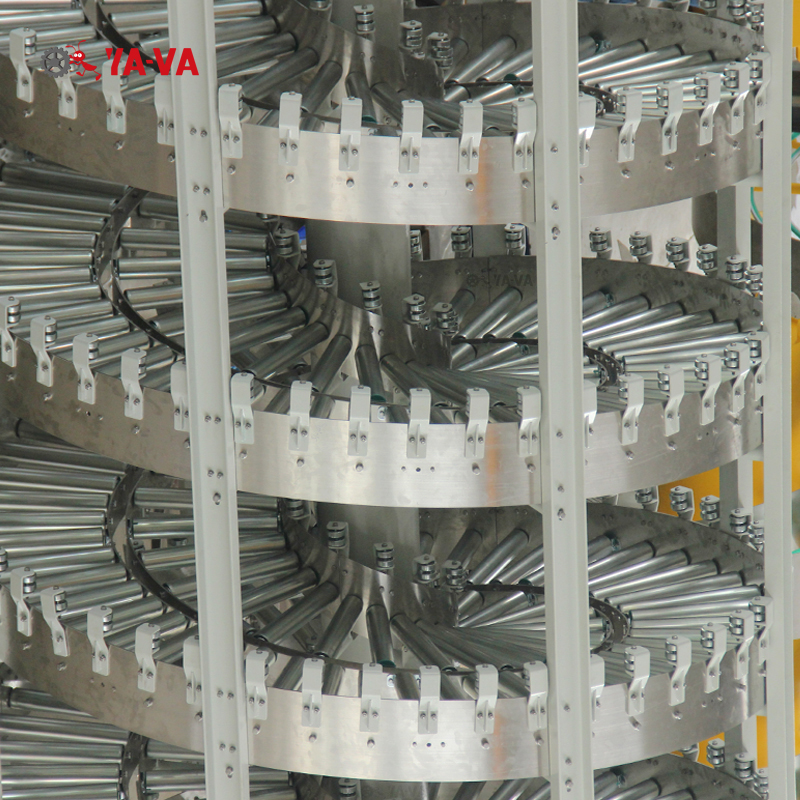
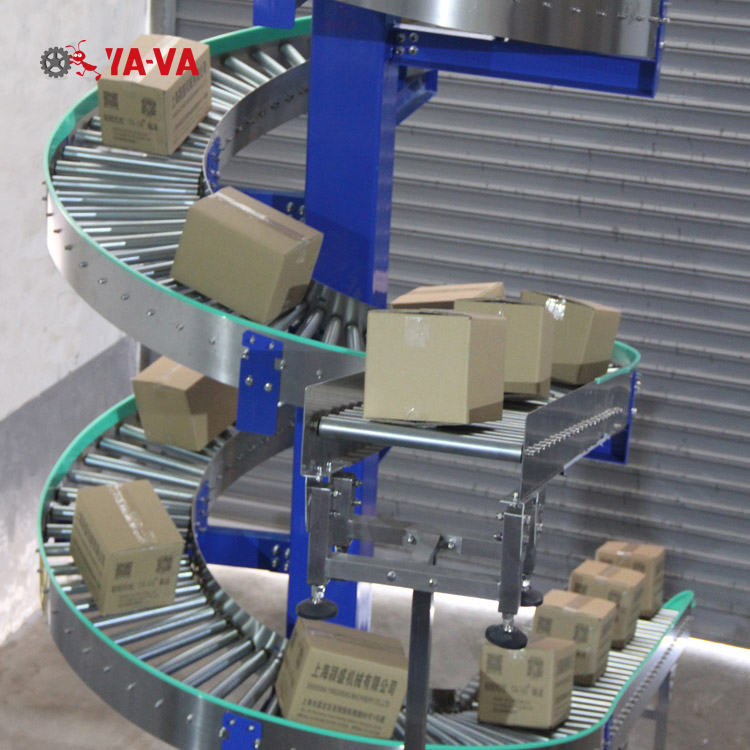
Heavy-Duty Double Lane Spiral Conveyor for Rubber Bales
View Details →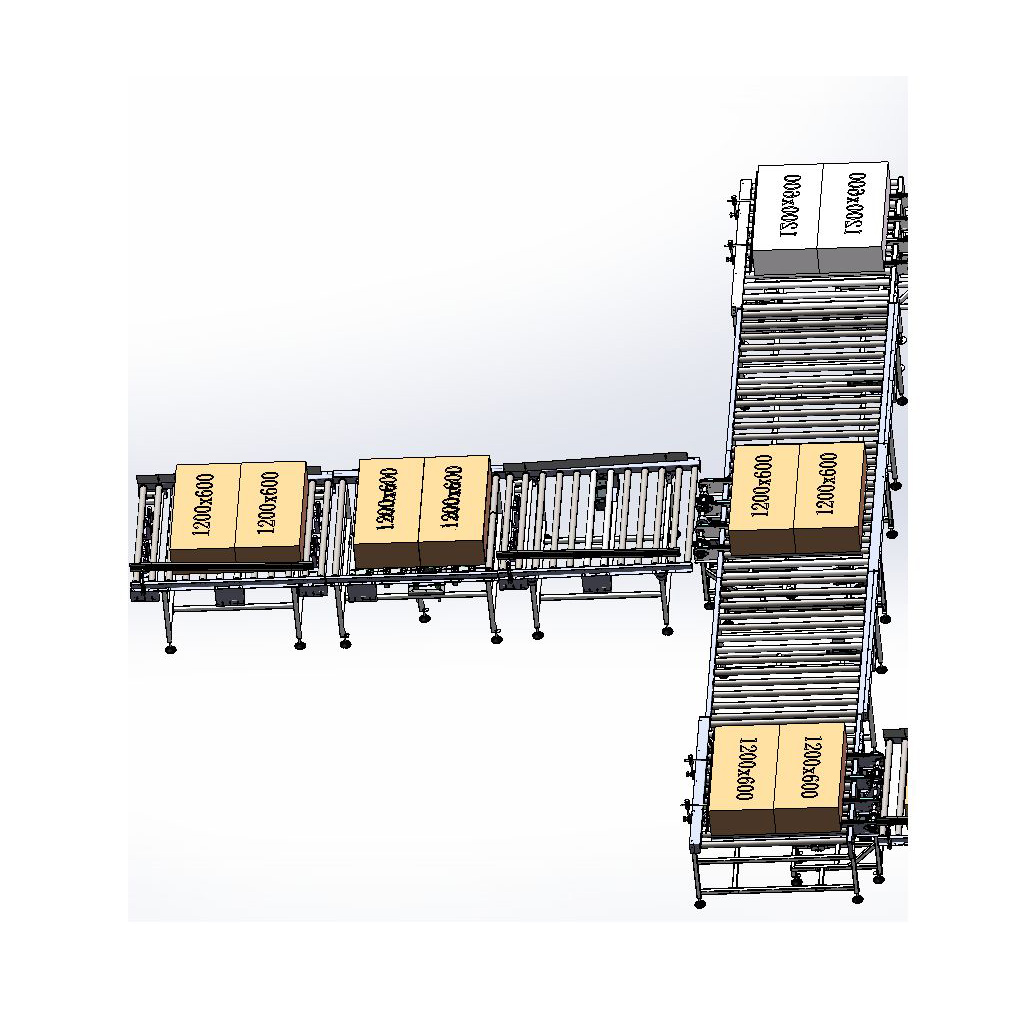
Straight & Curved Roller Conveyor with Adjustable Feet Support
View Details →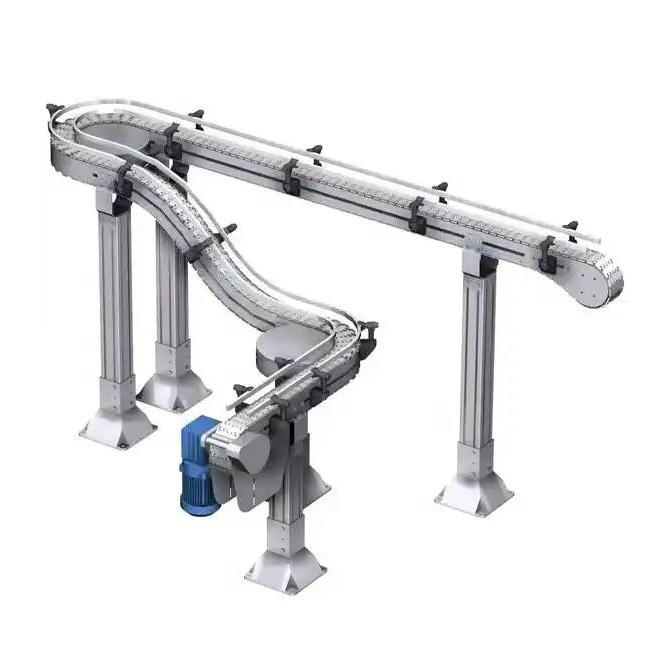
YA-VA Flex Chain Conveyor System for Tire Component Transport
View Details →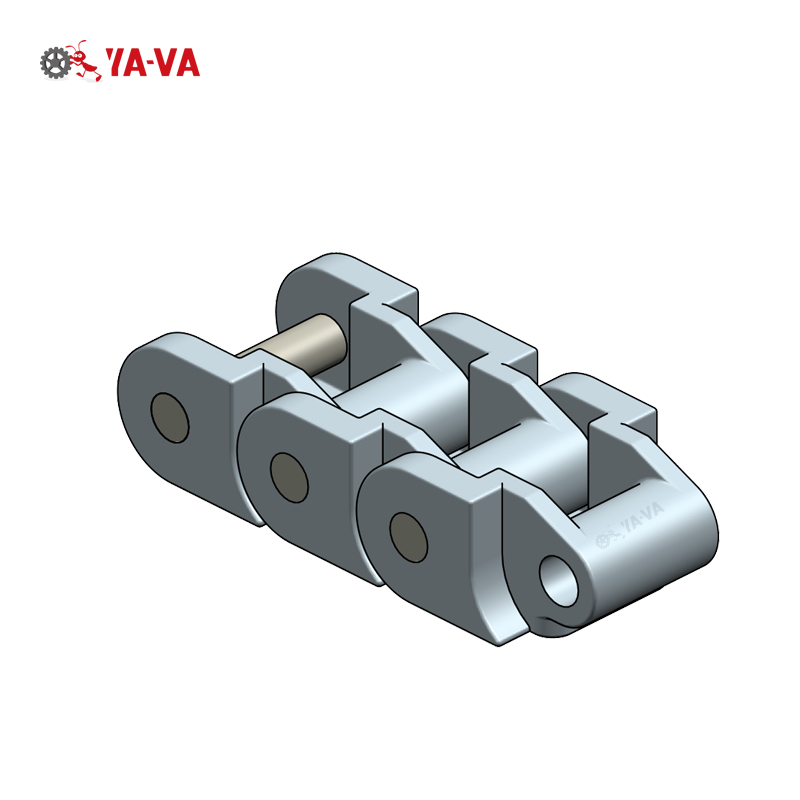
Miniature & Flexible Chains for Precision Rubber Part Handling
View Details →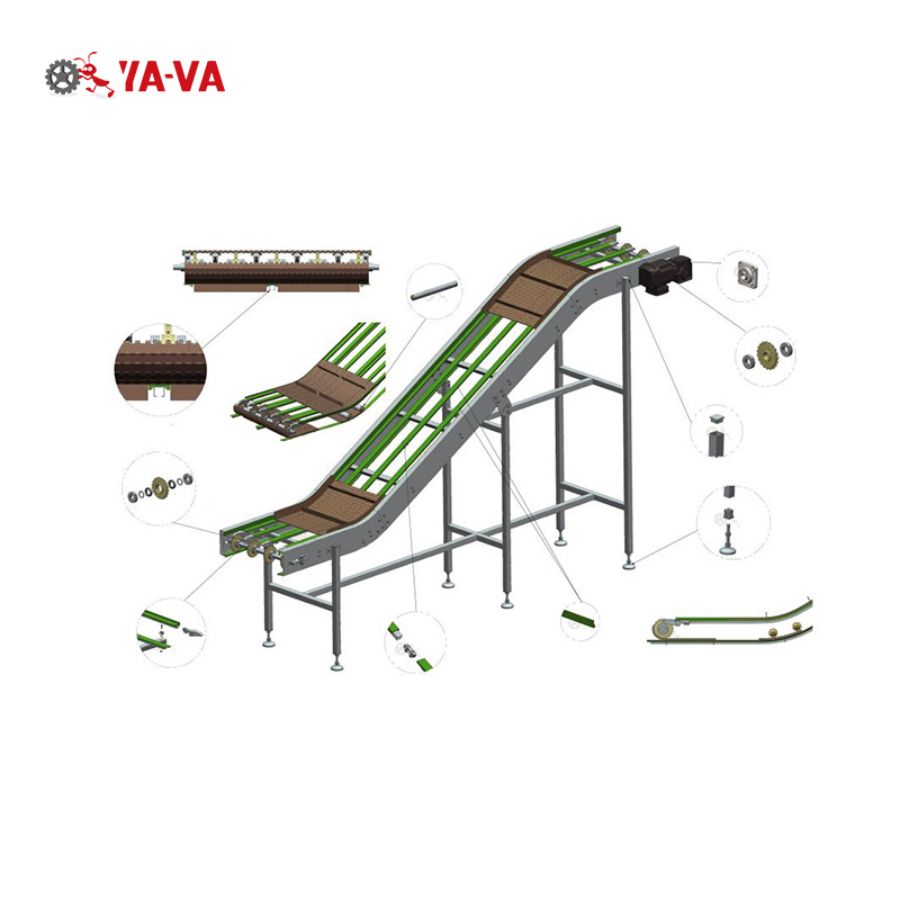
Modular Plastic Belts for Cooling Lines in Tire Manufacturing
View Details →