- No.1068, Nanwan Rd, Kunshan city 215341, Jiangsu Province, P. R. China
- info@ya-va.com
- +86 18017127502
Essential Logistics Sprocket & Drive Solutions
High-performance modular drive components designed to deliver zero-slippage power transmission, smooth corner transitions, and maintenance-free operation across automated distribution hubs.
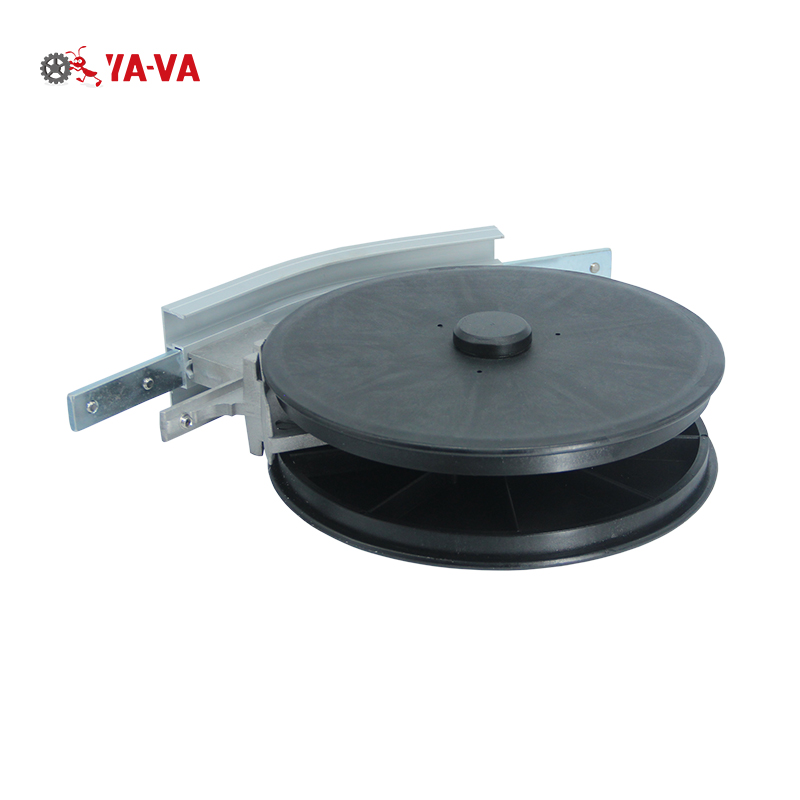
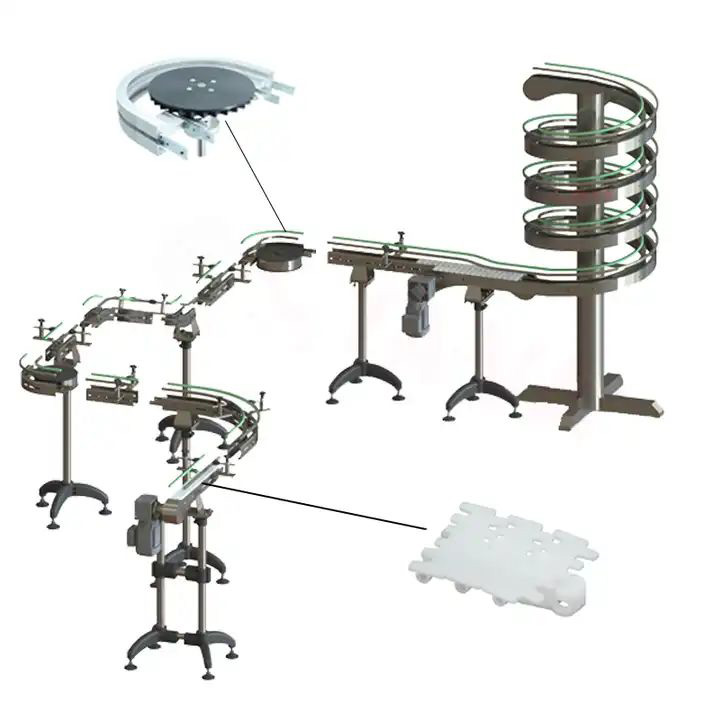
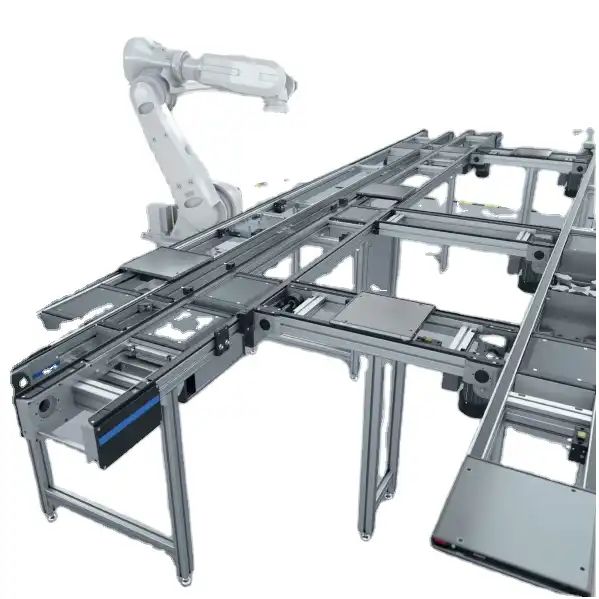
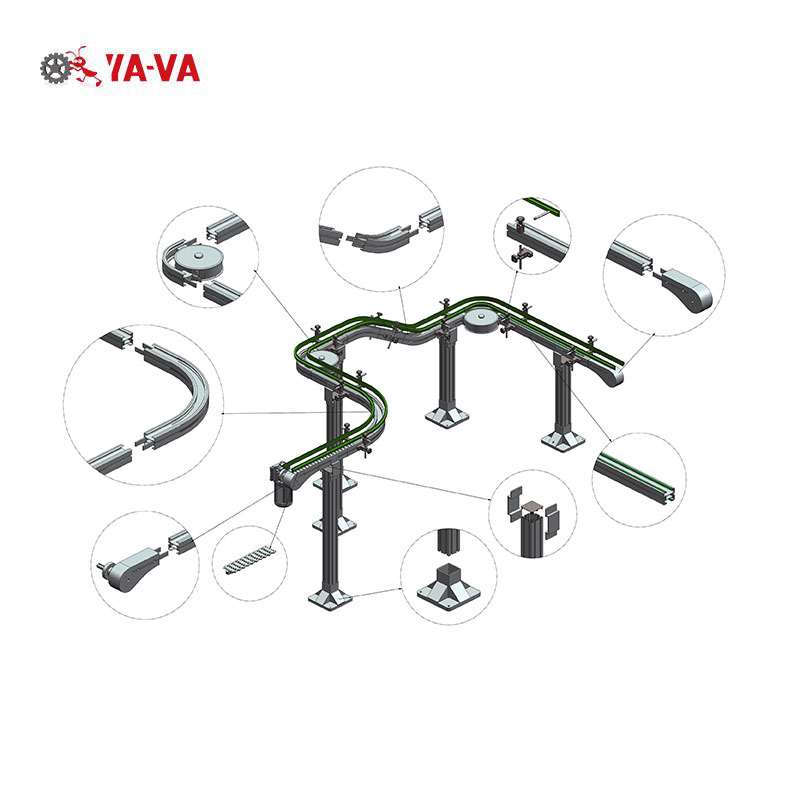
1. Industrial Landscape & The Strategic Role of Conveyor Belt Sprockets in Modern Logistics
In the contemporary global economy, the logistics and warehousing sector has underwent a monumental transformation driven by e-commerce exponential growth, same-day delivery expectations, and global supply chain automation. Modern Automated Storage and Retrieval Systems (AS/RS), parcel sortation matrix hubs, and cross-docking facilities rely heavily on continuous material handling networks. At the heart of these automated networks sits an unassuming yet critical mechanical power transmission element: the conveyor belt sprocket.
Unlike traditional friction-driven smooth belt systems, modular plastic belts and chain conveyors utilized in modern fulfillment centers depend on positive mechanical engagement powered by precise, high-durability sprockets. The sprocket converts rotational torque from electric gearmotors into linear kinetic displacement with zero percentage belt slip. This positive engagement is vital for high-acceleration sortation lines, precise package indexing, and synchronized barcode scanning zones.
Why Precision Sprocket Dynamics Matter for E-Commerce Fulfillment
In ultra-high-throughput logistics centers processing over 40,000 parcels per hour, belt slippage of even 0.5% leads to cumulative positioning errors, misaligned sensor triggers, package collisions, and catastrophic line jams. Engineering-grade drive sprockets eliminate slip entirely, maintaining precise tracking, constant pitch alignment, and optimal power efficiency across multi-kilometer conveyor runs.
Key Technological Driver: Polymeric & Composite Materials vs. Metallic Sprockets
Historically, heavy industrial logistics relied on cast iron or carbon steel sprockets. However, the shift toward clean, low-noise, and energy-efficient warehousing environments has accelerated the adoption of ultra-high-molecular-weight polyethylene (UHMW-PE), polyacetal (POM), and reinforced polyamide sprockets. These advanced materials offer significant advantages:
- Acoustic Attenuation: Lowers operational decibel levels in sorting halls, meeting strict OSHA occupational noise standards.
- Reduced Coefficient of Friction: Decreases drive torque requirements by up to 22%, yielding massive annual electrical energy savings.
- Self-Lubricating Properties: Eliminates the need for external grease or oil, preventing package contamination and reducing dust accumulation.
- Corrosion and Wear Resistance: Resists washdown chemicals, high humidity, and aggressive abrasive dust present in corrugated box operations.
YA-VA Engineering Strength & Manufacturing Capabilities
As an independent global manufacturer, YA-VA engineers integrated conveyor systems and high-precision drive components trusted by tier-1 logistics operators worldwide.





About YA-VA Intelligent Conveyor Solutions
YA-VA is a leading high-tech enterprise specializing in R&D and manufacturing of intelligent conveyor solutions, precision drive sprockets, and automated modular components.
Our global presence comprises the Conveyor Components Business Unit, Conveyor Systems Business Unit, Overseas Business Unit (Shanghai Daoqin International Trading Co., Ltd.), and the advanced YA-VA Foshan Manufacturing Center. We ensure seamless product lifecycle management—from custom sprocket profile prototyping to full-scale logistics facility installations.
Learn More About Us2. In-Depth Engineering Mechanics & Tooth Profile Optimization
Selecting and designing conveyor belt sprockets for logistics applications requires rigorous mechanical engineering evaluation. Drive sprockets interact dynamically with modular belt hinges and chain links, making pocket geometry, tooth curvature, and pitch alignment paramount.
Mitigating Chordal Action (Polygonal Effect) in High-Speed Lines
Chordal action is an inherent physical phenomenon in chain and modular belt drives, caused by the belt link rising and falling as the sprocket rotates. In high-speed warehousing lines running over 120 meters per minute, severe chordal motion creates velocity fluctuations, elevated noise, and premature chain joint wear.
Engineering Solution: Modern logistics sprockets utilize optimized tooth counts (typically 12 to 24 teeth depending on shaft real estate) and parabolic pocket geometry. Increasing tooth count reduces linear speed variation from over 13% (on 6-tooth sprockets) down to under 1.5% (on 18-tooth sprockets), ensuring velvet-smooth item transfers over high-speed transfer gaps.
Split Sprocket vs. Solid Sprocket Architecture
Downtime in a fulfillment center can cost up to $10,000 per minute. Traditional solid sprockets require entire head shafts to be dismounted, bearings unbolted, and drive chains detached during sprocket replacement.
To combat maintenance downtime, YA-VA engineers split-sprocket systems. Split sprockets feature two interlocking precision-molded segments that bolt directly onto square or round drive shafts without dismantling the conveyor frame or shaft assemblies. Maintenance technicians can perform complete sprocket swaps in under 15 minutes, maximizing Mean Time Between Failures (MTBF) and operational uptime.
3. Deep-Dive Application Scenarios in Logistics & Warehousing
A. Automated Cold-Chain & Refrigerated Fulfillment Warehouses
Cold-storage logistics facilities (operating at temperatures down to -30°C) present extreme mechanical challenges. Standard polymers become brittle, and thermal contraction alters shaft-to-sprocket clearances. Optimized cold-chain sprockets are manufactured from specialized impact-modified UHMW polymers with widened tooth clearance pockets. This accommodates thermal contraction while preserving positive engagement without structural cracking.
B. High-Speed Matrix Package Sortation & Cross-Docking
Cross-docking hubs utilize shoe sorters, pop-up divert wheels, and modular belt incline/decline units. Here, sprockets face extreme start-stop torque spikes. Heavy-duty molded square-bore sprockets absorb shock loads through keyless shaft engagement, distributing rotational torque evenly across square drive shafts (e.g., 40mm x 40mm or 60mm x 60mm) and eliminating keyway shear failures.
C. Heavy-Duty Automated Pallet Handling & AS/RS Racking
Moving 1500kg payloads on wooden or plastic pallets demands steel-reinforced or stainless steel sprocket assemblies. Double-pitch chain sprockets integrated with heavy leveling supports provide rigid support against heavy impact loading during forklift placement or automated crane deposition.
Featured Modular Belt Conveyors & Drive Units
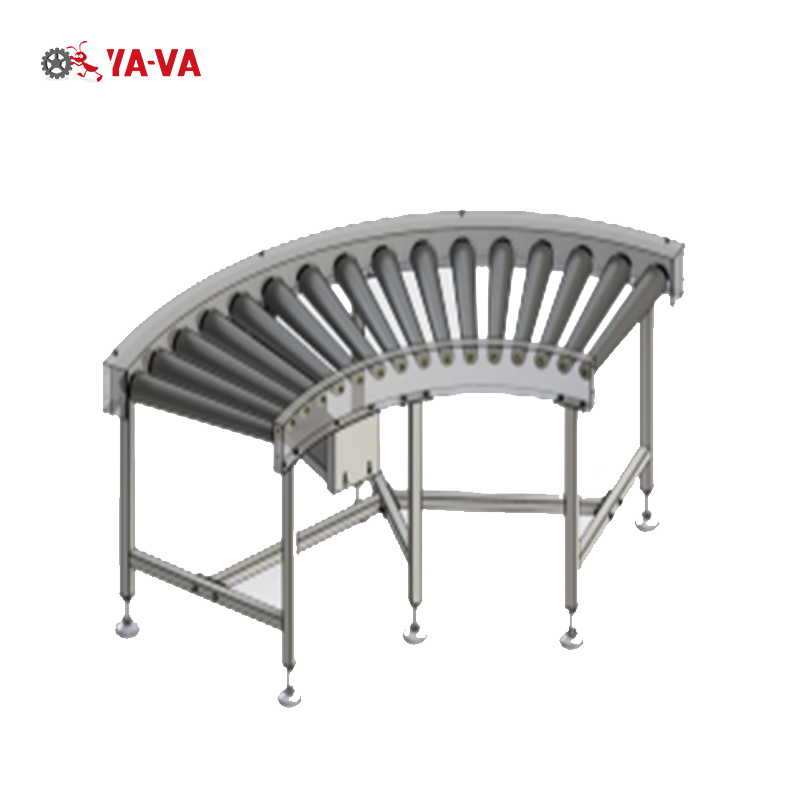
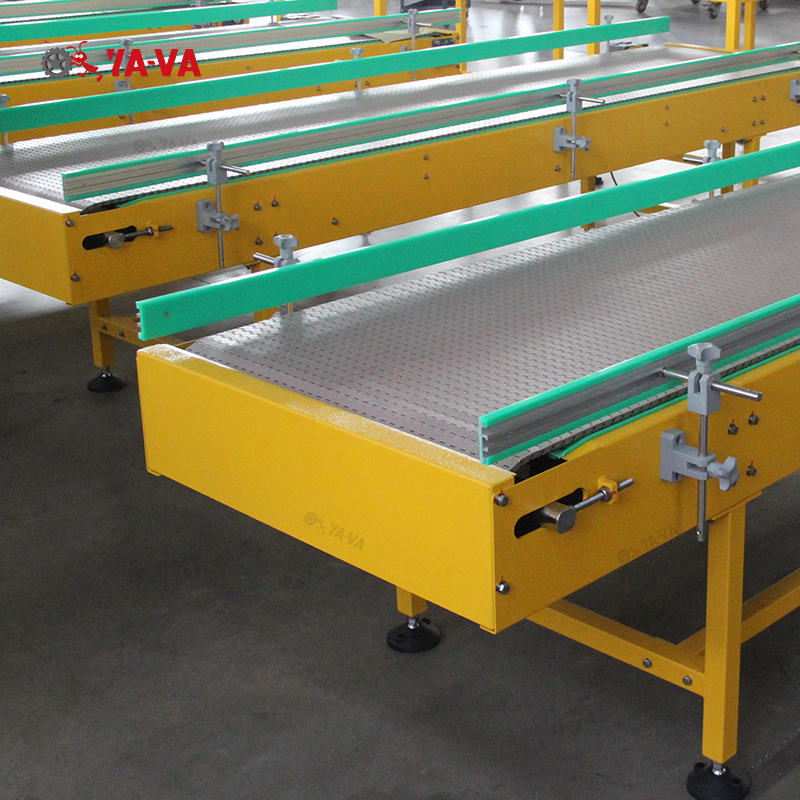
Leveraging 20+ years of R&D, YA-VA manufactures complete modular belt conveyers, curved chain transfers, and specialized drive assemblies for global logistics networks.


4. Industry Trends: Smart Warehousing, AI Diagnostics, and Green Logistics
As Logistics 4.0 matures, the integration of Artificial Intelligence (AI) and Internet of Things (IoT) sensors into mechanical conveying systems is redefining maintenance workflows. Sprockets and drive shafts are no longer static components; they are central data-collection nodes.
AI-Enabled Predictive Maintenance & Wear Sensing
Unscheduled conveyor stoppage caused by sprocket tooth shear or shaft misalignment is a critical failure point in dark warehouses (fully automated facilities). Modern smart sprocket setups integrate optical vibration sensors, acoustic emission micro-transducers, and thermal imaging diagnostics:
- Acoustic Resonance Tracking: AI algorithms analyze high-frequency acoustic patterns emitted during tooth-to-belt meshing. Micro-changes in vibration frequency signal uneven tooth wear months before visual degradation occurs.
- Torque Strain Gauge Telemetry: Smart drive hubs send real-time torque profiles to cloud analytics platforms. Sudden spikes in driving torque alert plant managers to localized belt jams, debris binding, or improper shaft alignment.
- Thermal Wear Monitoring: Infrared sensors track bearing and sprocket friction temperatures, triggering automated maintenance tickets before heat causes polymer deformation.
Energy Efficiency & Decarbonization in Materials Handling
Warehousing hubs are massive energy consumers. Utilizing advanced low-friction polymer sprockets combined with high-efficiency IE4/IE5 gearmotors directly contributes to corporate Scope 2 carbon footprint reduction targets. By optimizing sprocket drive friction coefficients, facilities achieve up to 15% reduction in total conveyor drive kW consumption across thousands of cumulative conveying meters.
5. Engineering Checklist for Selecting Logistics Conveyor Belt Sprockets
To ensure optimal performance, extended lifespan, and seamless integration, conveyor design engineers should evaluate the following parameters when specifying sprocket assemblies:
Sprocket Specification Matrix:
- Pitch Compatibility: Exact match with modular belt pitch (e.g., 0.5 in, 1.0 in, 2.0 in, or flexible chain pitch standards).
- Shaft Geometry & Bore Size: Square bore (e.g., 40mm, 60mm) to prevent keyway chatter, or round bore with standard keyway & set screws.
- Material Formulation: Virgin Polyacetal (POM) for high load strength, UHMW-PE for ultra-low noise/wear, or Stainless Steel for ultra-heavy pallet duty.
- Operating Environment: Temperature range (-30°C cold room to +80°C drying tunnels), chemical exposure, washdown frequency.
- Tooth Count vs. Spatial Envelope: Balance between minimizing chordal action (higher tooth count) and meeting tight nose-bar transfer radii (lower tooth count).
Latest Industry Insights & News
YA-VA Looks Forward to Welcoming You in June 2026
Join YA-VA at the upcoming global logistics and packaging machinery trade exhibitions to experience next-generation drive sprockets and smart conveyor systems.
View Details →
YA-VA Thailand Bangkok PROPACK Showcase
YA-VA Thailand Bangkok PROPACK exhibition concluded successfully. We express our sincere gratitude to all global logistics partners who visited BOOTH AY38.
View Details →Chain vs. Belt Conveyors: Technical Comparison
What is the difference between chain and belt conveyors? Discover design parameters, drive sprocket mechanics, and application suitability for automated warehouses.
View Details →Full Range of Conveyor Sprockets & Modular Components
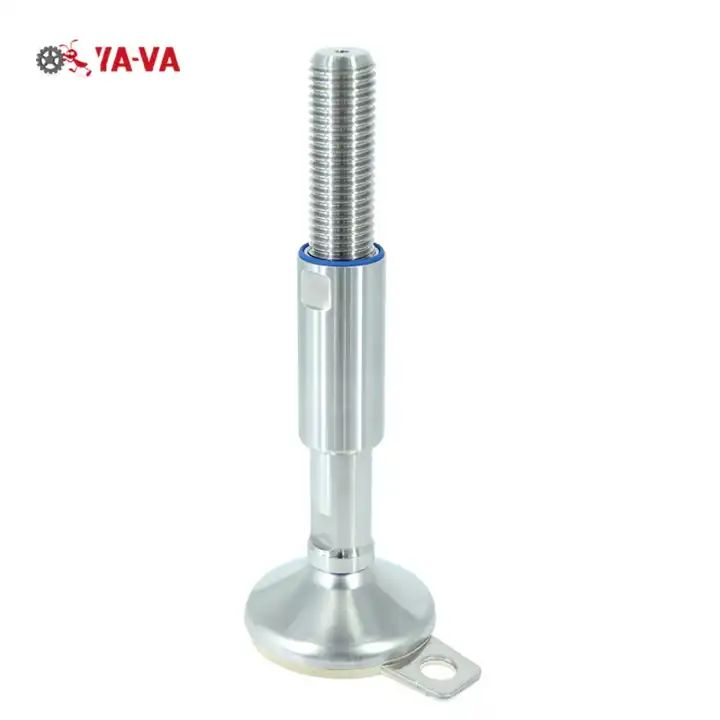
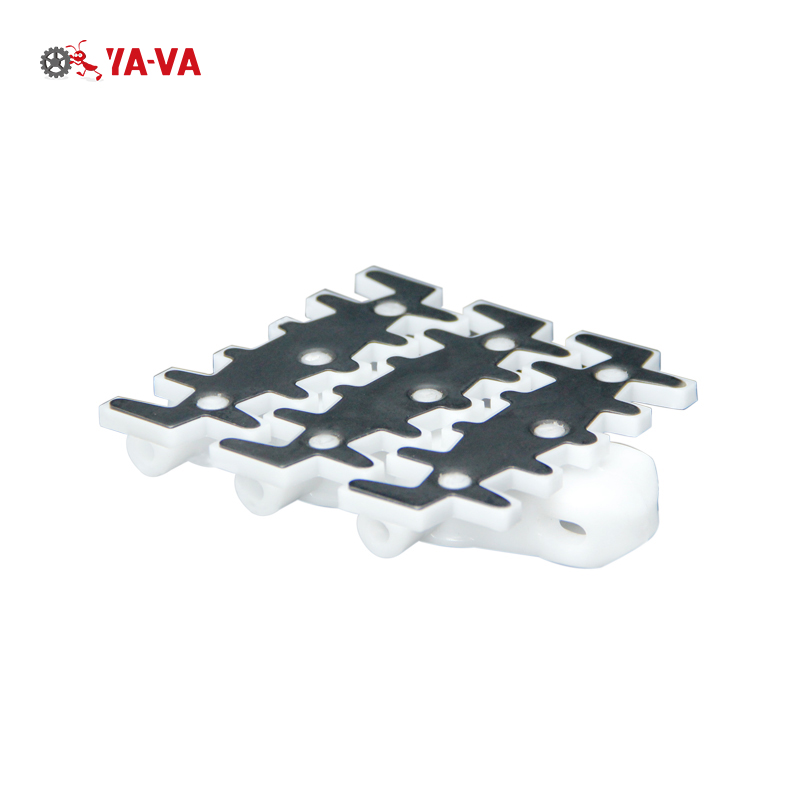
Browse our comprehensive portfolio of drive components, leveling feet, curved roller transfers, and flexible top chains optimized for logistics and material handling.
Trusted by Global Logistics & Automated Manufacturing Leaders