- No.1068, Nanwan Rd, Kunshan city 215341, Jiangsu Province, P. R. China
- info@ya-va.com
- +86 18017127502
Featured Conveyor Systems for New Energy
Precision-engineered conveyor systems designed for battery cell handling, EV assembly lines, and new energy manufacturing environments requiring high reliability and clean operation.
Gravity Conveyor Manufacturers in the Battery & New Energy Era
The global battery and new energy industry is undergoing an unprecedented transformation. With the explosive growth of electric vehicles (EVs), energy storage systems (ESS), and photovoltaic (PV) manufacturing, the demand for highly efficient, clean, and intelligent material handling systems has surged dramatically. Gravity conveyor manufacturers are now at the heart of this industrial revolution, supplying mission-critical conveyor systems to some of the world's most advanced new energy production facilities.
According to global industry reports, the lithium battery production capacity is projected to exceed 6,000 GWh annually by 2030. This staggering scale requires manufacturing automation at every step — from electrode coating to cell formation, module assembly, and pack testing. Gravity conveyors and intelligent roller conveyor systems play an indispensable role in moving battery cells, trays, packs, and finished modules efficiently across production lines.
⚡ Commercial & Industrial Landscape
Major battery manufacturers including CATL, BYD, LG Energy Solution, Panasonic, and Samsung SDI have all heavily invested in automated conveyor infrastructure within their gigafactories. The scale of these factories — often exceeding 1,000,000 square meters — requires conveyor systems that are modular, scalable, and capable of handling diverse product sizes and weights without compromising throughput speed or product safety.
For gravity conveyor manufacturers, this represents both a massive market opportunity and a stringent technical challenge. Battery manufacturing environments impose unique requirements: electrostatic discharge (ESD) protection to prevent cell damage, clean room compatibility, precise speed control for fragile electrode assemblies, and chemical resistance in electrolyte-exposed areas. These specifications have driven manufacturers to innovate beyond traditional conveyor designs.
In the new energy vehicle supply chain, conveyor systems must seamlessly integrate with robotic arms, AGV (Automated Guided Vehicle) systems, vision inspection stations, laser welding cells, and formation/aging equipment. The complexity of these integrated lines means that conveyor manufacturers must offer not just hardware, but complete system integration expertise and after-sales engineering support.
📈 Development Trends
Several key trends are reshaping how gravity conveyor manufacturers serve the battery and new energy sector:
- Modular & Flexible Architecture: As battery chemistries and cell formats evolve (cylindrical 46xx, prismatic, pouch), production lines must be reconfigured rapidly. Modular conveyor systems with quick-swap components allow factories to adapt without major downtime.
- Digital Twin & IoT Integration: Leading manufacturers now embed sensors and connectivity into conveyor systems, enabling real-time monitoring, predictive maintenance, and integration with factory MES/SCADA systems. This digital layer dramatically reduces unplanned downtime in 24/7 battery production environments.
- ESD-Safe & Cleanroom-Compatible Design: Electrostatic discharge is a critical concern in battery cell handling. The adoption of ESD-compliant plastics, grounded roller systems, and anti-static belt materials is now standard in new energy applications.
- Energy-Efficient Drive Systems: As sustainability becomes a core metric for new energy manufacturers, gravity conveyor systems increasingly utilize energy-regenerative drives, low-friction plastic chains, and variable frequency drives to minimize energy consumption on the production floor.
- AI-Driven Quality Control Integration: Modern conveyor lines for battery manufacturing incorporate AI vision inspection systems at key transfer points, enabling real-time defect detection without slowing throughput. Conveyors serve as the backbone infrastructure that makes this integration possible.
Key Trends Driving Conveyor Innovation
Smart Automation Integration
Gravity conveyors are now designed to natively interface with robotic arms, AGVs, and AI inspection systems — forming the intelligent backbone of next-generation battery gigafactories.
Green & Energy-Efficient Design
Low-friction plastic modular belts, energy-regenerative drives, and gravity-assisted transfer zones reduce energy consumption by up to 40% compared to conventional powered systems.
ESD Protection & Clean Operation
Battery cell handling demands ESD-safe conveyor materials, grounded roller assemblies, and cleanroom-compatible designs — now standard in leading gravity conveyor manufacturer offerings.
IoT & Predictive Maintenance
Embedded sensors and cloud connectivity enable real-time conveyor health monitoring, predictive maintenance alerts, and seamless MES integration for zero-downtime production targets.
Modular & Scalable Architecture
Plug-and-play modular conveyor components allow rapid reconfiguration of battery production lines as cell formats evolve from prismatic to cylindrical 4680 and beyond.
Global Supply Chain Support
Top gravity conveyor manufacturers maintain global service networks and local engineering teams to support the rapid international expansion of battery gigafactory projects.
Deep-Dive: Conveyor Applications in Battery & New Energy
From raw material input to finished pack dispatch, gravity conveyor systems serve every critical stage of modern battery and new energy manufacturing.
⚡ Battery Cell Formation & Aging Lines
During cell formation and aging, thousands of cells must move precisely between charge/discharge cabinets. Gravity roller conveyors with adjustable lane widths and ESD-safe surfaces enable continuous, non-stop cell flow while protecting sensitive electrochemical processes from vibration and static discharge.
🔋 Module Assembly & Stacking
Battery module assembly requires gentle yet precise handling of prismatic cells and pouch cells stacked in precise configurations. Modular belt conveyors with speed synchronization and buffer accumulation zones ensure zero-gap flow between robotic stacking stations and welding cells.
🚗 EV Battery Pack Assembly Lines
At the pack level, heavy-duty pallet conveyor systems transport battery packs (often 300–600 kg) through BMS installation, sealing, pressure testing, and final OCV inspection. Chain-driven roller conveyors with heavy load capacity and precision positioning are the standard choice for leading EV OEMs globally.
☀️ Photovoltaic Panel Manufacturing
In PV module production, large-format glass substrates and finished solar panels require wide-belt conveyors with uniform support and minimal contact pressure. Plastic modular belt systems with customizable surface textures prevent scratching while maintaining throughput of hundreds of panels per hour.
🔄 Energy Storage System (ESS) Production
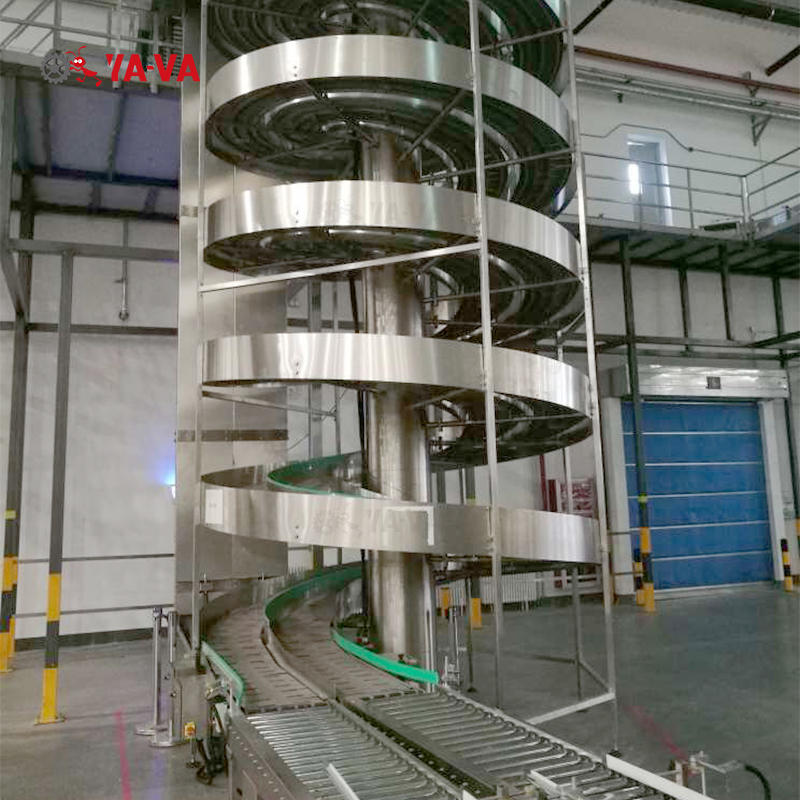
Utility-scale energy storage manufacturing demands conveyor systems that can handle both small cylindrical cells and large prismatic modules within the same integrated line. Flexible gripper conveyors and spiral elevation systems efficiently connect multi-floor manufacturing layouts without increasing footprint.
♻️ Battery Recycling & Second-Life Processing
The emerging battery recycling industry requires conveyor systems capable of handling used packs with varying shapes, weights, and potentially hazardous materials. Stainless steel conveyors with chemical-resistant coatings and sealed bearing assemblies are specifically designed for this demanding application environment.
Why Choose YA-VA as Your Conveyor Partner
We are an independent company that has developed, produces and also maintains the conveyor system to ensure that our customers receive the most cost effective solutions available today.





About Us
YA-VA is a leading high-tech company providing intelligent conveyor solutions. With decades of experience in the conveyor industry, we have built a reputation for engineering excellence, innovative design, and unwavering customer support across the globe.
YA-VA consists of the Conveyor Components Business Unit, Conveyor Systems Business Unit, Overseas Business Unit (Shanghai Daoqin International Trading Co., Ltd.), and YA-VA Foshan Factory. This integrated structure allows us to control the entire value chain — from component manufacturing to complete system integration and global aftersales service.
In the rapidly growing battery and new energy sector, YA-VA has emerged as a preferred conveyor partner for leading manufacturers. Our engineering teams possess deep expertise in ESD-safe systems, cleanroom-compatible designs, and high-payload pallet conveyor systems — exactly the capabilities that modern gigafactories demand.
Read More About Us
CHAIN CONVEYORS
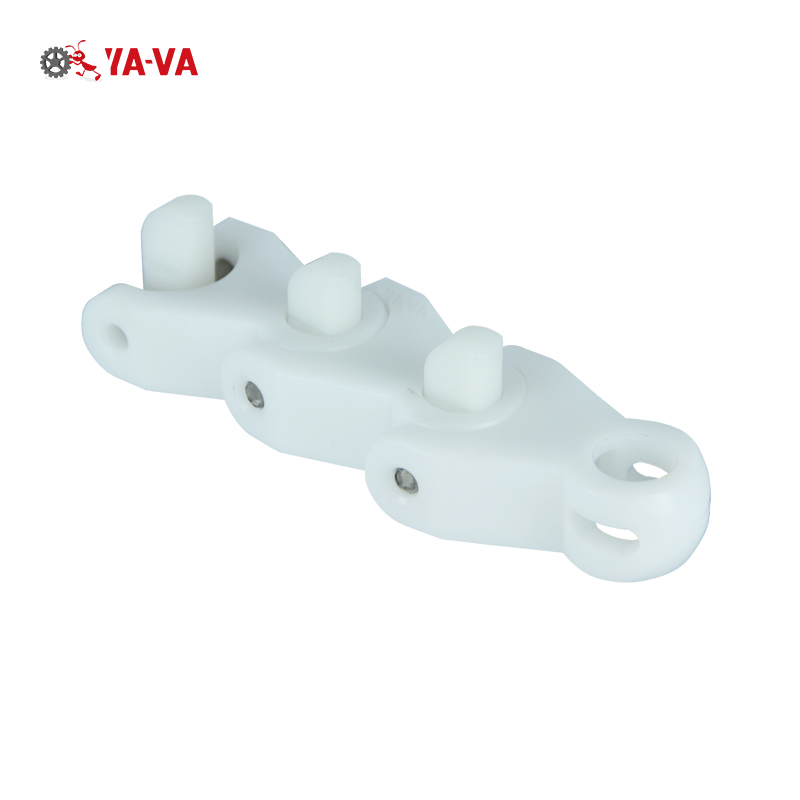
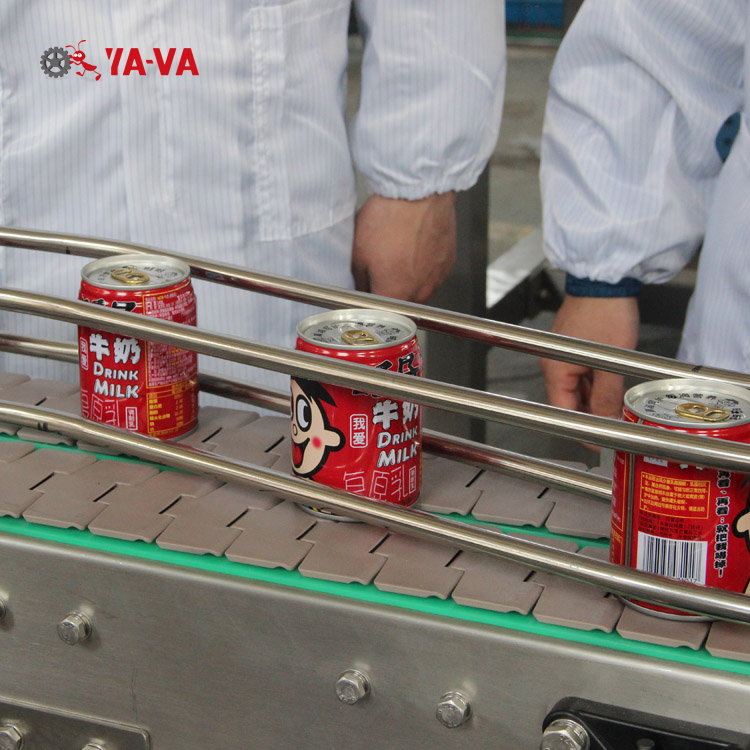
Flexible slat chain conveyor products lines cover a wide range of applications. These multiflexing conveyor systems use plastic chains in many configurations, delivering outstanding performance in battery cell transport, EV module handling, and new energy component assembly lines.
YA-VA chain conveyors are designed for durability, low maintenance, and silent operation — critical attributes for the demanding environments found in modern battery gigafactories and new energy production facilities worldwide.
Get in TouchFeature Products for Battery & New Energy Lines
More than 20 years focusing on transportation machinery R&D development and manufacturing. In the future, stronger and bigger in the industry scale and brand.

Battery Line Straight Modular Belt Conveyor

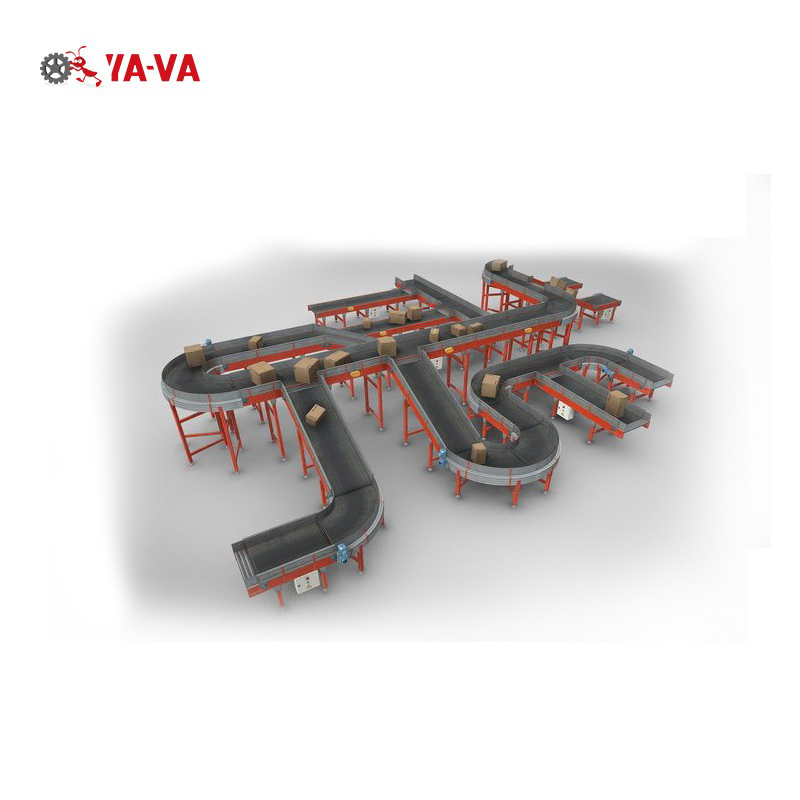
EV Cell Plastic Roller Curved Conveyor

New Energy Chain Driven Curved Roller Conveyor

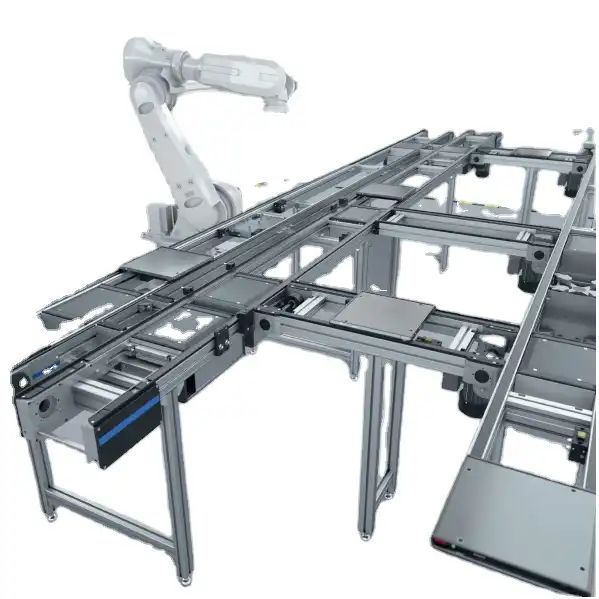
Battery Pack Flexible Gripper Conveyor

ESS Module Gravity Spiral Roller Conveyor

Battery Recycling Stainless Steel Conveyor
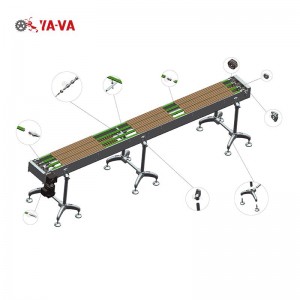
PV Panel Plastic Curve Chain Flat Top Conveyor
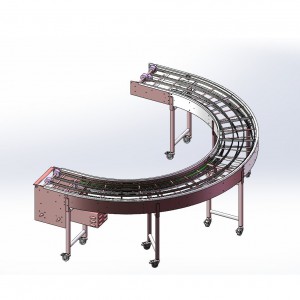
New Energy Straight & Curved Modular Belt Conveyor
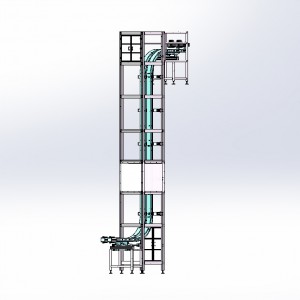
Gigafactory Elevating & Orientation Gripper Conveyor System
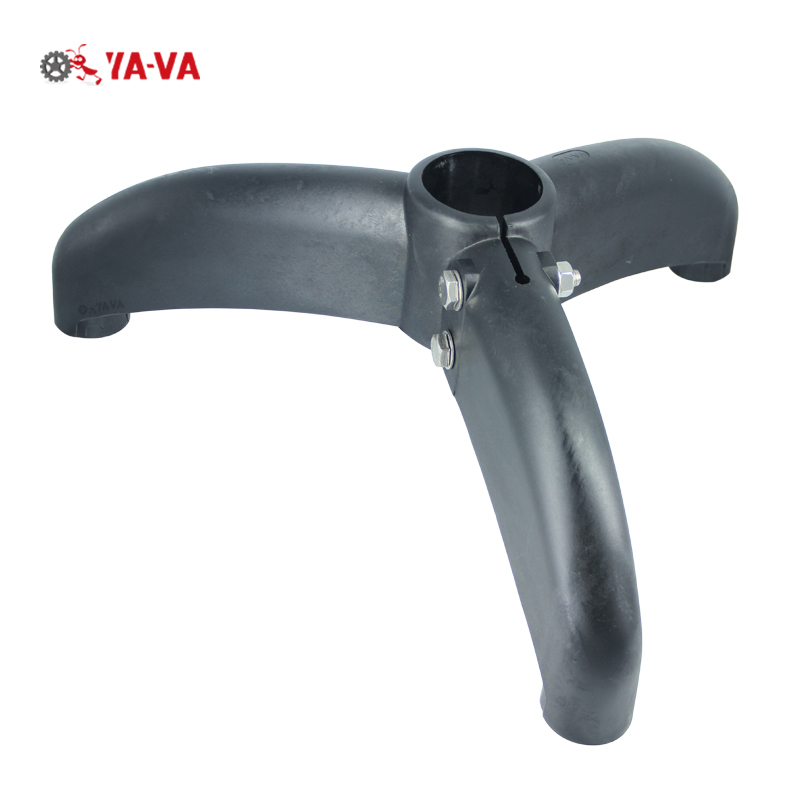
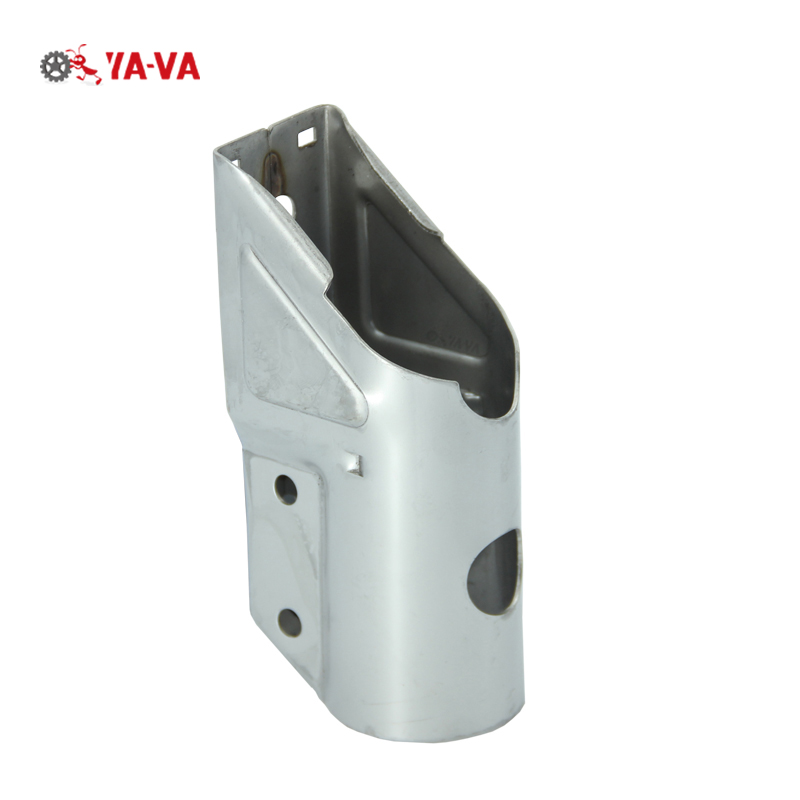
Complete Conveyor Components for New Energy Lines
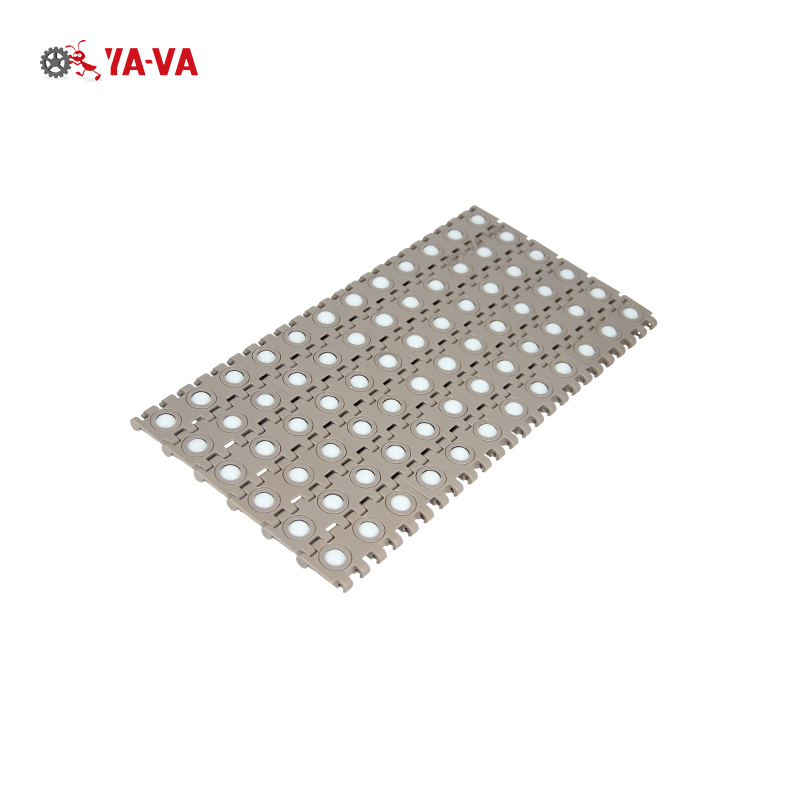
From modular belts and conveyor chains to structural components and accessories — everything you need to build, expand, or upgrade your battery manufacturing conveyor system.
News and Information
YA-VA Looks Forward to Welcoming You in June 2026
Stay tuned for YA-VA's upcoming exhibition presence in June 2026. We look forward to showcasing our latest intelligent conveyor solutions for battery and new energy manufacturing to global industry partners.

YA-VA Thailand Bangkok PROPAC
YA-VA Thailand Bangkok PROPACK exhibition concluded successfully. We would like to express our sincere gratitude to all our valued customers for visiting our booth. Your support is the driving force behind our progress. BOOTH NO:AY38
What is the difference between chain and belt conveyor? How many types of conveyor chains are there?
Chain conveyors and belt conveyors are both used for material handling, but they differ in design, function, and applications. Understanding these differences is key to selecting the right conveyor system for battery and new energy manufacturing lines.
Our Global Cooperative Partners