- No.1068, Nanwan Rd, Kunshan city 215341, Jiangsu Province, P. R. China
- info@ya-va.com
- +86 18017127502
High-Efficiency Transfer Systems
Explore our robust baseline gravity conveyance units and key assembly modules, engineered to eliminate power costs and accelerate throughput across modern Japanese manufacturing frameworks.
Industrial Landscape: The Vital Role of Gravity Conveyors in Japan
Japan continues to set benchmark standards for lean operations and structural ergonomics on a global scale. As domestic industries face demographic challenges and rising operational costs, production facilities located throughout industrial powerhouses such as the Greater Tokyo Area, Chukyo Industrial Zone (Nagoya), and the Hanshin Industrial Region (Osaka and Kobe) are under pressure to optimize square-footage productivity. Within this high-precision ecosystem, gravity conveyor systems represent a critical asset. Rather than relying entirely on fully motorized handling networks, Japanese facilities actively implement hybrid architectures that exploit the natural force of gravity.
The modern manufacturing landscape across Japan is deeply committed to Kaizen (continuous improvement) and Monozukuri (the art of manufacturing excellence). Gravity roller conveyors serve as the literal backbone for pull production systems (Kanban), line-side component delivery, and order accumulation zones. Because gravity conveyors function without complex electronic controllers, variable frequency drives, or energy-draining motors, they align cleanly with corporate Carbon Neutrality (Decarbonization) commitments set forward by Japanese environmental initiatives. From tier-1 automotive suppliers in Aichi Prefecture to consumer electronics assembly points in Kanagawa, gravity conveyor lines deliver high reliability with near-zero power draw.
Karakuri Kaizen Synergy
Gravity systems integrate seamlessly with mechanical, unpowered Karakuri mechanisms, utilizing counterbalance and gravitational decline to redirect, index, and sort items without electricity.
Zero Power Consumption
Critical for reducing facility emissions and achieving ESG benchmarks across Japan's stringent supply-chain audits, offering sustainable operational advantages.
High Durability & Low Maintenance
Designed with precision bearings and low-friction rollers that sustain high throughput around the clock with negligible wear, ensuring uncompromised production uptime.
Next-Gen Trends: Merging Gravity Rollers with Smart Tech
While the fundamental mechanical concept of a gravity conveyor relies on physics rather than complex electronics, modern Japanese logistics and industrial operations demand sophisticated synergy with Industry 4.0 innovations. Forward-looking manufacturing facilities do not view gravity conveyors in isolation; instead, they integrate them with autonomous mobile robots (AMRs), automatic guided vehicles (AGVs), and smart sorting cells.
One notable advancement in Japan is the hybrid pickup and drop-off (P&D) station. Mobile robots drop finished sub-assemblies onto mild-incline gravity lanes equipped with precision speed-limiting rollers and centrifugal brakes. This gravity-fed buffer stores totes safely and moves them gently to manual pack stations without consuming additional battery or network overhead.
Furthermore, the integration of optical IoT vision sensors and AI-driven load-balancing monitors enables facility supervisors to dynamically track movement speed, chute capacity, and product flow along non-motorized roller runs. This hybrid fusion yields extreme operational flexibility, allowing facilities to maintain ultra-compact configurations while avoiding line congestion.

Localized Application Scenarios Across Japanese Sectors
Engineered to address local space constraints, strict clean-room requirements, and rapid line changeovers across major Japanese economic segments.
Automotive & Precision Parts
Line-side kitting conveyors engineered for Toyota Production System (TPS) methodologies. Facilitates ergonomic tote presentations to assembly workers with minimal physical strain.
E-Commerce & 3PL Hubs
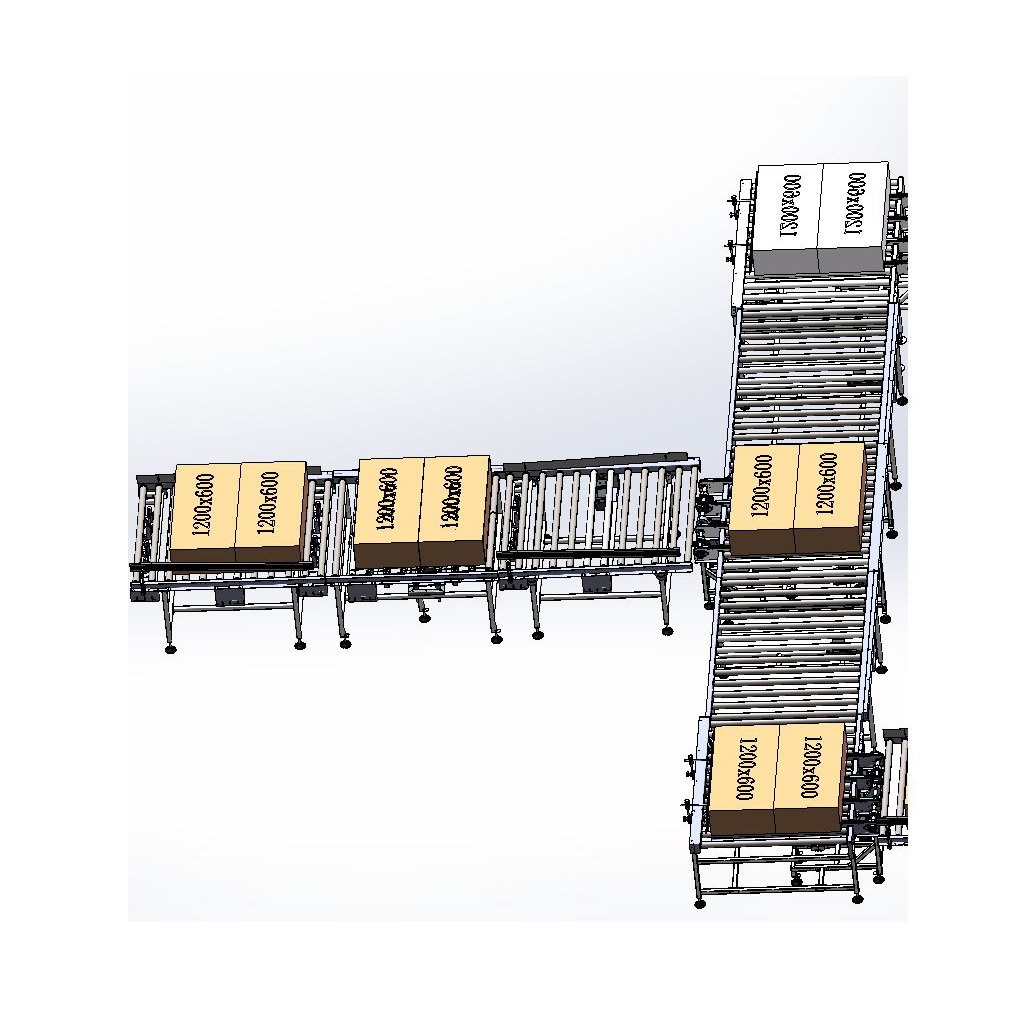
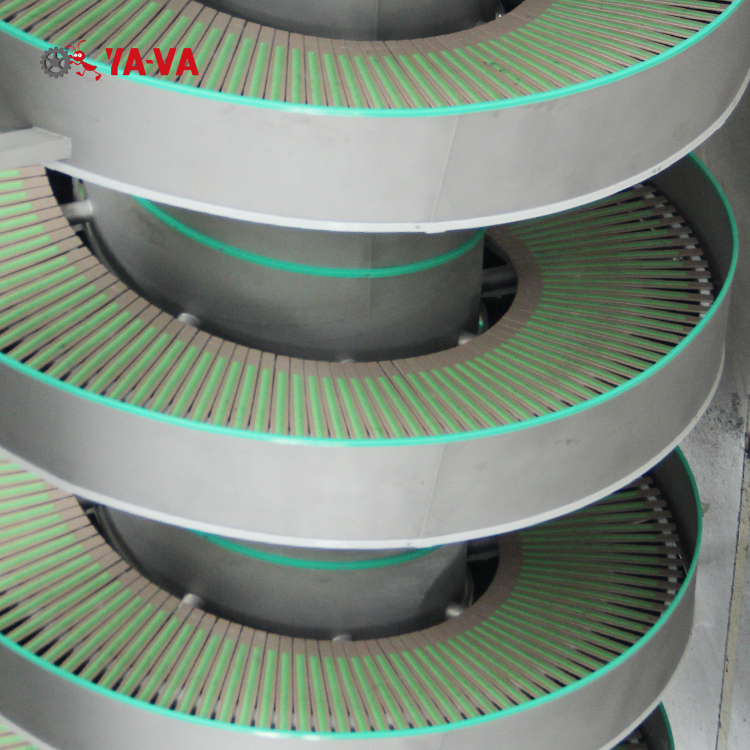
High-volume distribution centers in Tokyo Bay and Osaka utilize gravity spiral drop chutes and expandable roller tables for rapid truck off-loading and package buffering.
Food, Beverage & Pharma
Sanitary stainless steel gravity rollers and wash-down compatible modular components adhering to Japanese JAS and international HACCP cleanliness standards.
Our Strength & Engineering Capacity
We are an independent company that has developed, produces and also maintains the conveyor system to ensure that our customers receive the most cost effective solutions available today. Backed by extensive manufacturing capabilities, we deliver tailored conveyor components and complete turnkey systems to top-tier international and regional facilities.





About YA-VA Intelligent Conveyor Solutions
YA-VA is a leading high-tech company providing intelligent conveyor solutions. And it consists of Conveyor Components Business Unit; Conveyor Systems Business Unit; Overseas Business Unit (Shanghai Daoqin International Trading Co., Ltd.) and YA-VA Foshan Factory.
For more than two decades, YA-VA has focused on transportation machinery R&D development and precision manufacturing. By prioritizing structural stability, component wear resistance, and seamless adaptability, we provide systems that easily drop into modern Japanese factory topologies.
Read More About Our TechnologyFeatured Mechanical Solutions
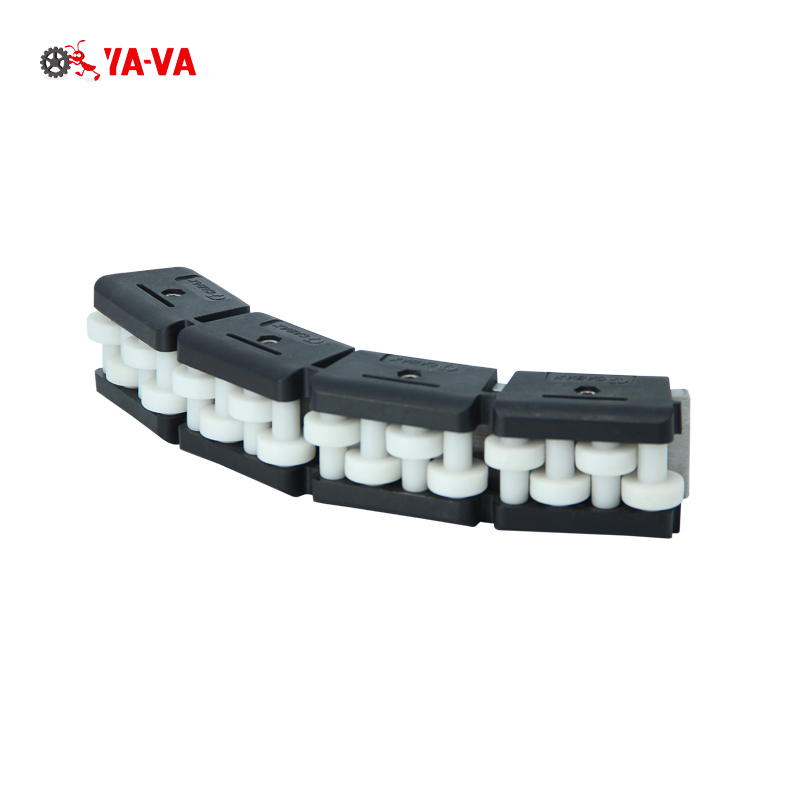
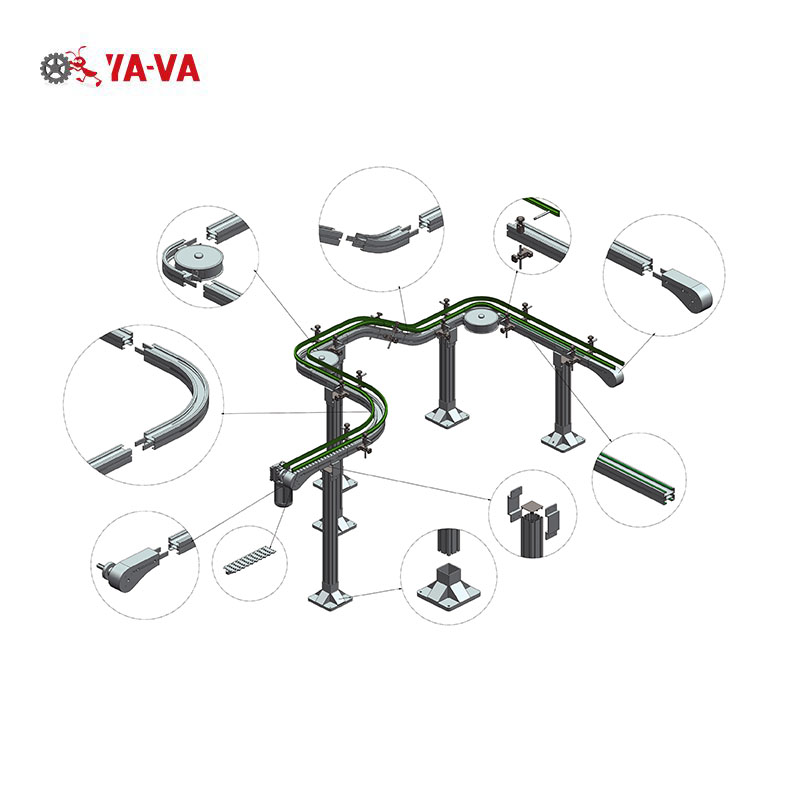
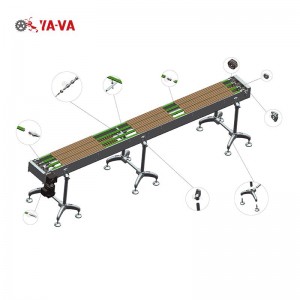
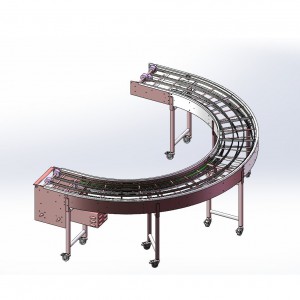
Flexible slat chain conveyor products lines cover a wide range of applications. These multiflexing conveyor systems use plastic chains in many configurations, making them versatile complements to low-friction gravity runs.


News and Industrial Insights
Keep up to date with international exhibition participations, continuous engineering innovations, and structural comparison guides between chain, belt, and unpowered gravity roller solutions.
YA VA Looks Forward to Welcoming You in June 2026
Preparing our next-generation material handling innovations for international logistics expos, highlighting low-carbon footprint roller designs and modular automation units.
View Details →
YA-VA Thailand Bangkok PROPAC
YA-VA Thailand Bangkok PROPACK exhibition concluded successfully two days ago. We would like to express our sincere gratitude to all our valued customers for visiting our booth.
View Details →What is the difference between chain and belt conveyor?
Chain conveyors and belt conveyors are both used for material handling, but they differ in design, function, and applications: 1. Basic Structure Feature Chain Conveyor Belt Conveyor Driving Mechanism Uses...
View Details →Trusted by Global & Regional Leaders
Our components, roller subsystems, and custom turnkey systems power mission-critical production and distribution networks across leading international brands.






Specialized Conveyor Components & Vertical Modules
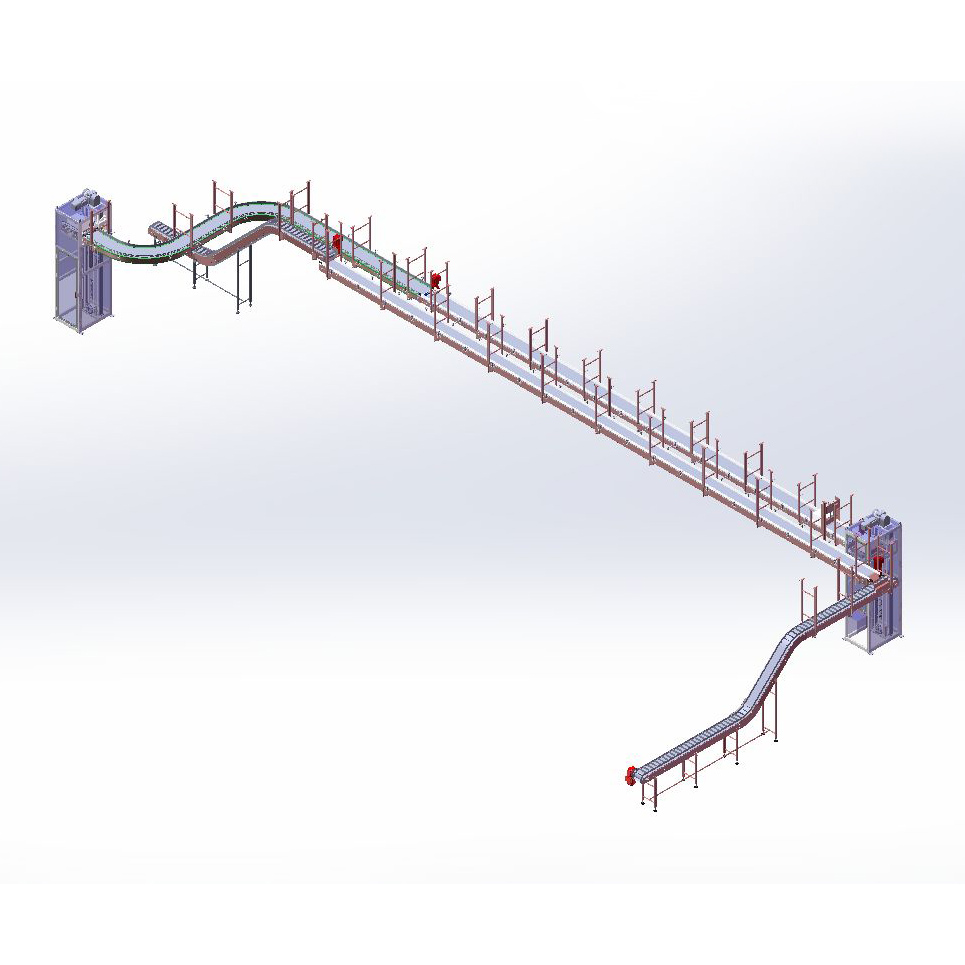
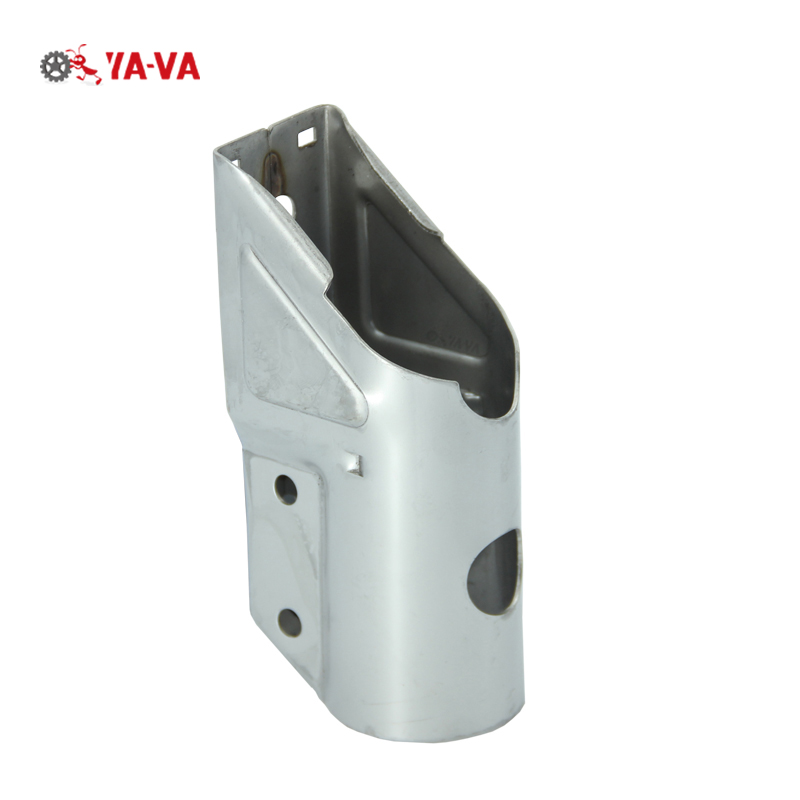
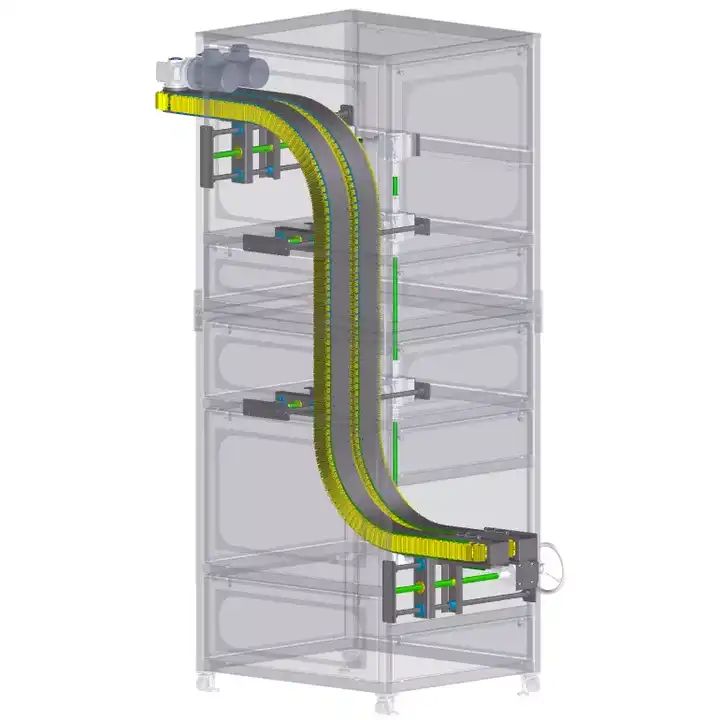
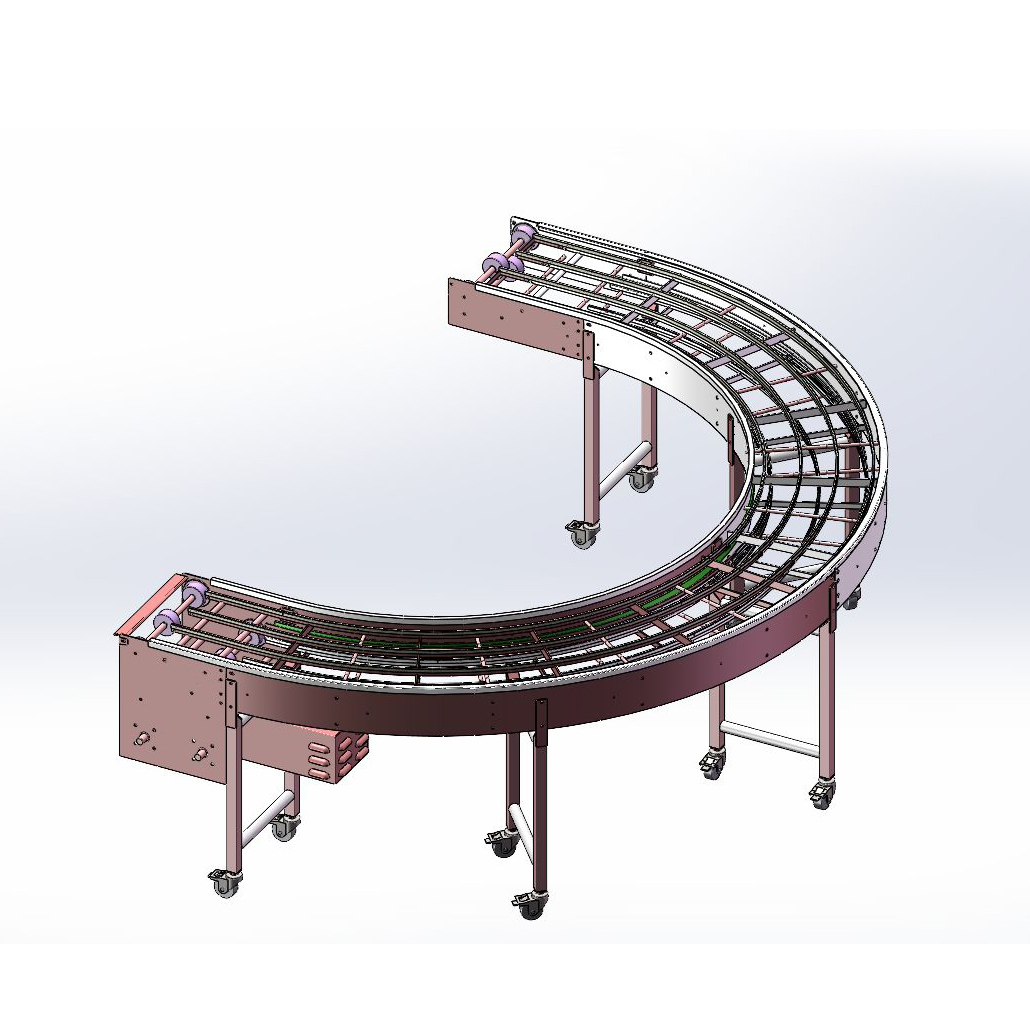
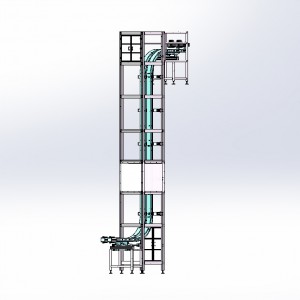
Essential structural parts, continuous vertical lifters, and specialized gravity tracks designed for seamless integration into existing material handling infrastructure.