- No.1068, Nanwan Rd, Kunshan city 215341, Jiangsu Province, P. R. China
- info@ya-va.com
- +86 18017127502
Essential Automotive Modular Conveying Components
Engineered for heavy-duty loads, high impact resistance, and seamless assembly integration.
Our Strength
We are an independent company that has developed, produces and also maintains the conveyor system to ensure that our customers receive the most cost effective solutions available today.





About Us
YA-VA is a leading high-tech company providing intelligent conveyor solutions. Our comprehensive structure consists of the Conveyor Components Business Unit, Conveyor Systems Business Unit, Overseas Business Unit (Shanghai Daoqin International Trading Co., Ltd.), and the state-of-the-art YA-VA Foshan Factory.
Read MoreThe Critical Role of Modular Belt Manufacturers in the Automotive Industry
The automotive manufacturing industry demands absolute precision, durability, and operational efficiency. In modern assembly plants, material handling systems form the backbone of the entire production process. From the initial stamping of sheet metal to the final assembly and inspection of completed vehicles, components must move continuously, safely, and without disruption. Modular belt manufacturers have emerged as critical partners in this landscape, transitioning factories from traditional roller and chain conveyors to advanced modular plastic belt systems.
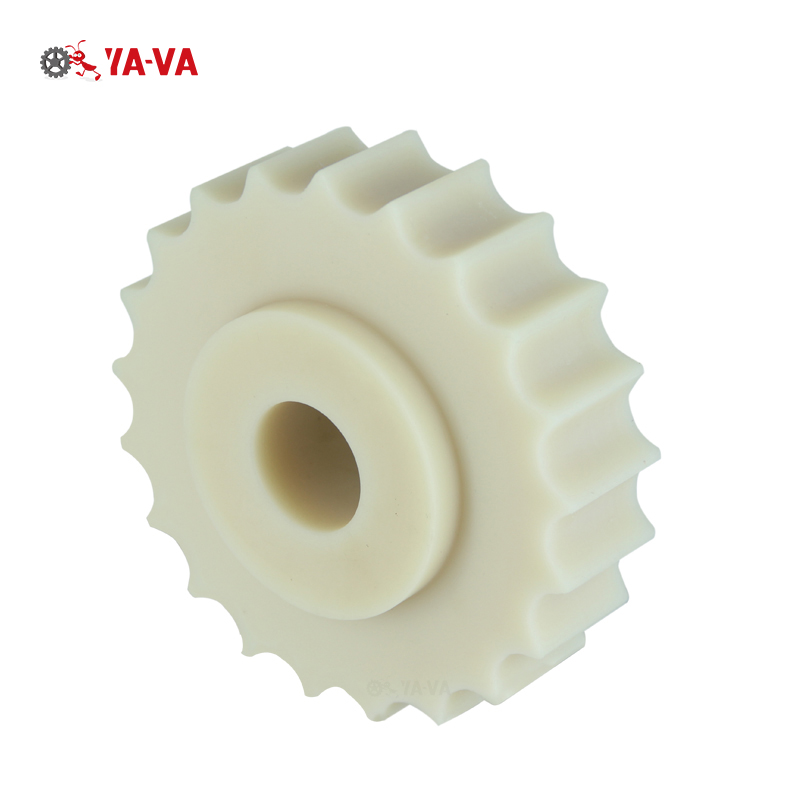
Why Modular Belts? Unlike traditional flat rubber belts that are prone to tracking issues, stretching, and tearing, or heavy steel chains that require constant lubrication and consume massive amounts of energy, modular plastic belts consist of interlocking plastic modules driven by positive sprockets. This design guarantees precise tracking, high load capacities, and rapid, localized repairs, significantly minimizing costly assembly line downtime.
Optimizing Stamping and Press Shop Environments
In the press shop, metal coils are cut and stamped into body panels under immense force. This process creates sharp steel scrap, heavy impacts, and a highly oily environment due to drawing lubricants. Traditional conveyor systems fail rapidly under these conditions, as sharp metal edges easily slice through rubber belts. Modular belt manufacturers provide specialized cut-resistant materials, such as modified polyamides and acetals, which withstand the punishing impact of sharp metal parts. Open-grid modular designs allow lubricating oils and small metal debris to drain away, preventing contamination and ensuring a clean, safe working environment.
Body in White (BIW) and Robotic Welding Lines
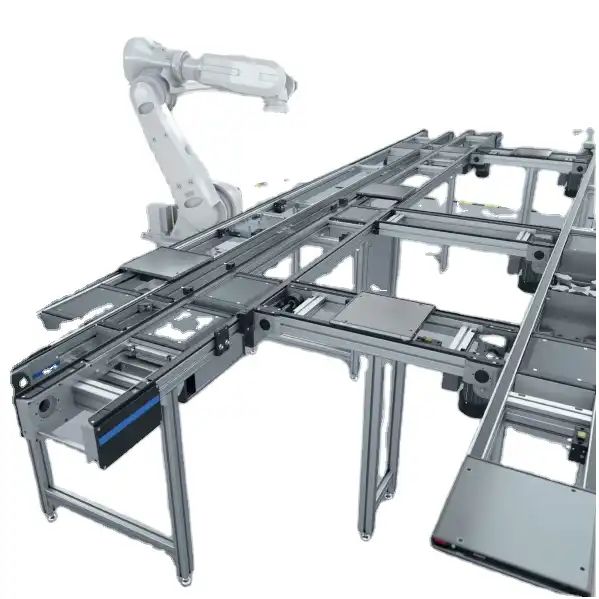
The Body in White (BIW) stage involves assembling the structural frame of the vehicle through automated welding. Conveyors in this zone must support massive, concentrated loads and resist weld spatter and high temperatures. Heavy-duty modular plastic belts, reinforced with glass fibers or formulated with flame-retardant additives, provide the necessary thermal and mechanical stability. These belts allow robots to interface precisely with the vehicle body, ensuring sub-millimeter positioning accuracy during welding operations.
Advanced Applications: Paint Shops and the Electric Vehicle (EV) Revolution
Silicone-Free Conveying in the Paint Shop
The paint shop is perhaps the most sensitive area of any automotive plant. The presence of even a single molecule of silicone can cause surface defects (cratering) on a freshly painted vehicle, leading to expensive rework. Leading modular belt manufacturers formulate paint-shop-compatible belts that are certified 100% silicone-free. These belts must also withstand chemical pre-treatment baths, electrodeposition (E-coat) processes, and the high temperatures of drying ovens. The lightweight nature of plastic modular belts reduces the energy required to drive these long oven conveyors, contributing to the plant's overall energy efficiency.
Electric Vehicle (EV) Battery Assembly: A New Frontier
The global shift toward electric vehicles has introduced entirely new assembly challenges. EV battery packs are heavy, highly sensitive, and pose significant safety risks during assembly, such as thermal runaway and electrostatic discharge (ESD). Modular belt manufacturers have responded by developing specialized static-dissipative (ESD-safe) plastic modules.
These materials safely discharge static electricity to the ground, protecting sensitive battery management systems (BMS) and electronic components. Furthermore, flame-retardant modular belts help contain potential battery fires, ensuring worker safety and protecting valuable factory assets. High-friction and non-slip surfaces are also utilized to securely transport heavy battery cells up steep inclines during multi-level factory layouts.

CHAIN CONVEYORS
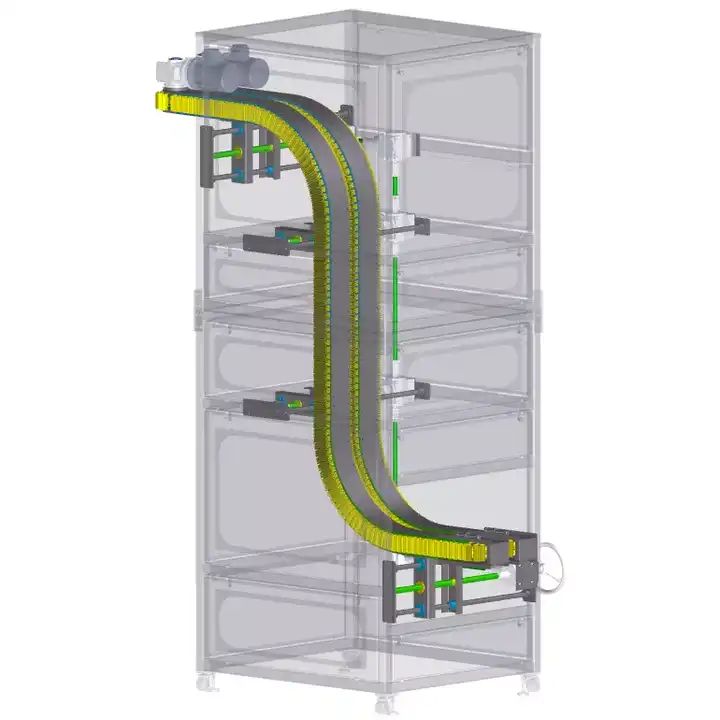
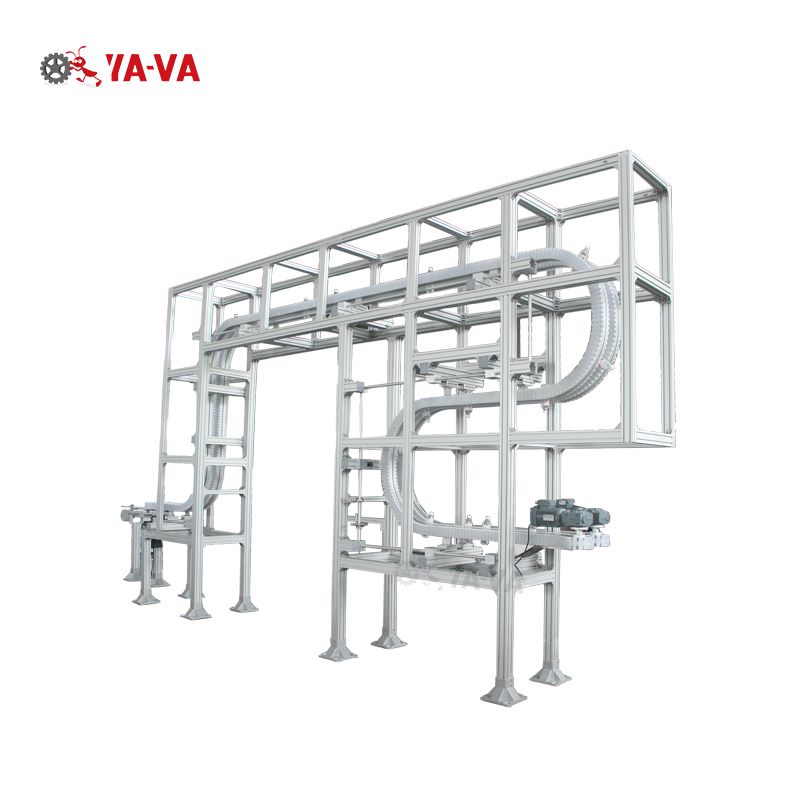
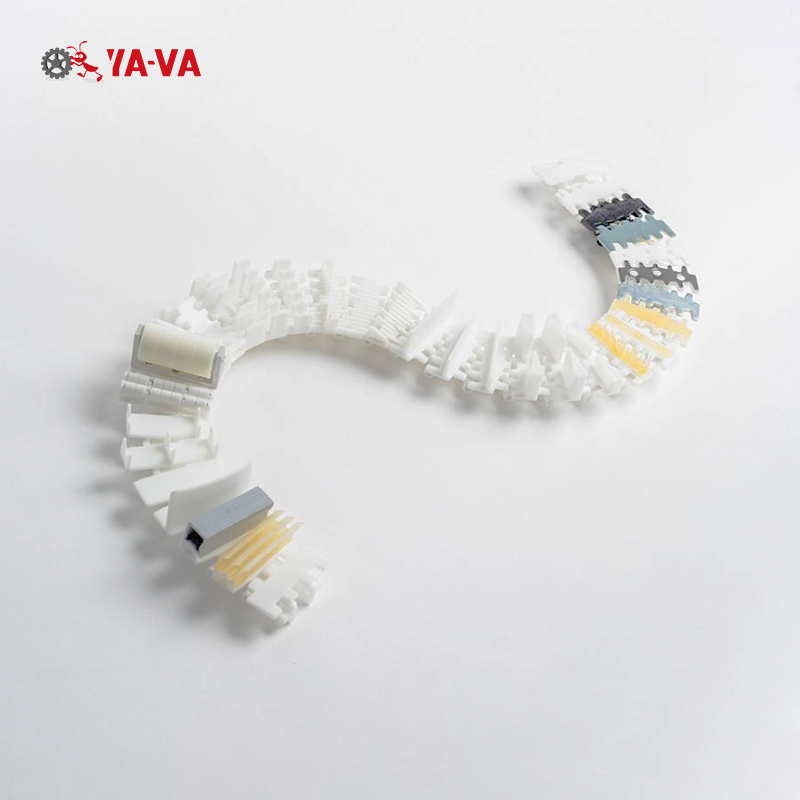
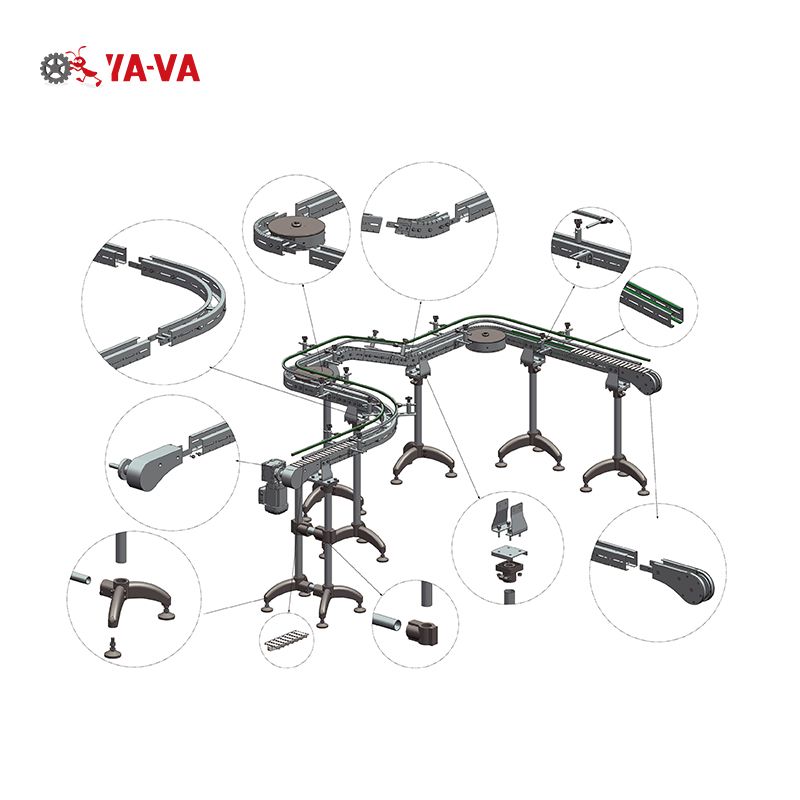
Flexible slat chain conveyor products lines cover a wide range of applications. These multiflexing conveyor systems use plastic chains in many configurations. The design allows for horizontal and vertical directional changes, making them ideal for complex factory layouts where space is at a premium.
YA-VA's chain conveyors are widely utilized in automotive parts logistics, conveying everything from small electrical connectors to sub-assemblies like dashboards and brake systems. Our modular design ensures that these systems can be easily configured, expanded, or relocated as production demands evolve.
Get in touchKey Features of Flexible Slat Chains:
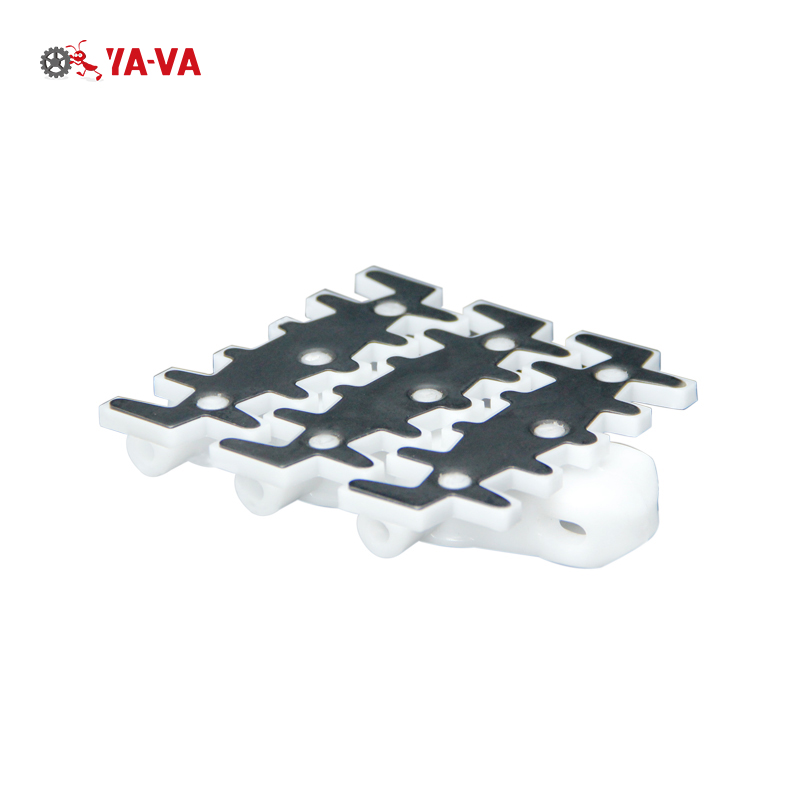
- Multiflexing Capability: Tight radius curves and vertical inclines save valuable floor space.
- Low Friction: High-performance plastics reduce power consumption and wear.
- Modular Components: Standardized parts allow for rapid maintenance and minimal spare parts inventory.
- High Load Capacity: Engineered to handle heavy automotive components with ease.
Featured Industrial & Automotive Solutions
More than 20 years focusing on transportation machinery R&D development and manufacturing. In the future, we aim to grow stronger and bigger in industry scale and brand reputation.

YA-VA Straight conveyor modular Belt Conveyor

Plastic Roller Curved Conveyor

degree chain driven curved roller conveyor

New Flexible Gripper Conveyors

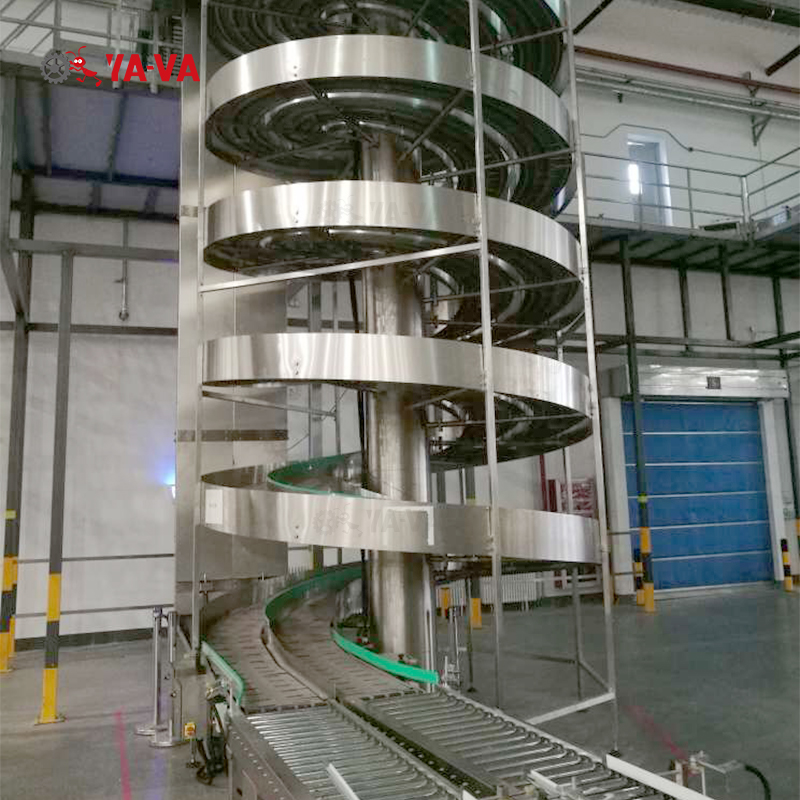
Roller spiral conveyor——Gravity

Stainless Steel Conveyors
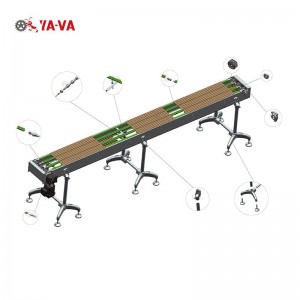
Plastic Curve Chain Conveyor Flat Top Chain Conveyor
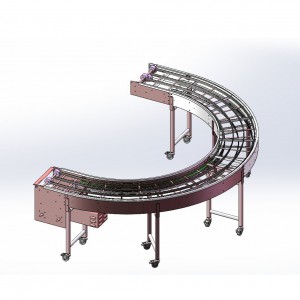
Straight and curved conveyor modular Belt Conveyor
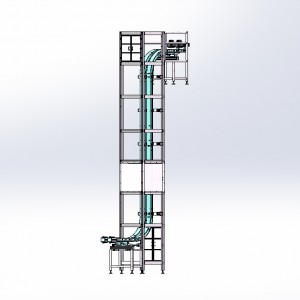
Elevating Lowering and Orientation gripper conveyor system
Key Trends Shaping the Future of Automotive Conveying
As automotive manufacturers transition toward Industry 4.0, conveyor systems are evolving from passive mechanical transport systems into intelligent, data-driven assets. Leading modular belt manufacturers are at the forefront of this digital transformation, integrating smart sensors and IoT capabilities into their designs.
1. Predictive Maintenance and Smart Conveyors
Unplanned downtime in an automotive assembly plant can cost thousands of dollars per minute. By embedding wear sensors within the modular plastic links or sprocket drives, manufacturers can monitor belt tension, temperature, and link wear in real-time. This data is transmitted directly to the plant's supervisory control system, allowing maintenance teams to schedule repairs during planned shutdowns, completely avoiding catastrophic failures.
2. Lightweighting for Energy Efficiency
With global pressure to reduce carbon footprints, automotive plants are looking for ways to cut energy consumption. Traditional steel chain conveyors are extremely heavy and require large, power-hungry motors to operate. Plastic modular belts, made from advanced polymers like Acetal (POM) or Polypropylene (PP), offer high strength-to-weight ratios. This reduction in system weight translates to lower friction, smaller motor requirements, and significant energy savings over the lifecycle of the conveyor.
Technical Material Comparison:
- Acetal (POM): Ideal for heavy-duty vehicle and chassis conveying due to its high tensile strength and extremely low coefficient of friction.
- Polypropylene (PP): Offers superior chemical resistance, making it suitable for pre-treatment and washing zones.
- Polyamide (Nylon/PA): Best suited for high-temperature drying ovens and paint shop environments.
3. Ergonomic Worker-Rider Belts
In final assembly lines, workers must walk alongside moving vehicles to install trim, dashboards, and wiring harnesses. Modern automotive plants utilize wide, flat modular belts as "worker-rider" systems. These belts run flush with the factory floor, allowing both the vehicle and the assembly workers to travel together. The textured, slip-resistant surface of the modular plastic belt reduces worker fatigue, prevents slips and falls, and provides a much safer working environment compared to traditional steel slat conveyors.
News & Information
Stay updated with the latest industry trends, trade shows, and technical insights from YA-VA.
YA VA Looks Forward to Welcoming You in June 2026
We are preparing to showcase our latest innovations in smart conveying and modular belt technologies. Join us to explore how we are shaping the future of automotive and industrial automation.

YA-VA Thailand Bangkok PROPAC
YA-VA Thailand Bangkok PROPACK exhibition concluded successfully. We express our sincere gratitude to all our valued customers for visiting our booth. Your support drives our progress. BOOTH NO: AY38.
What is the difference between chain and belt conveyor?
Chain conveyors and belt conveyors are both used for material handling, but they differ in design, function, and applications. Chain conveyors use linked metal or plastic chains driven by sprockets, ideal for heavy loads and harsh environments, whereas belt conveyors use a continuous loop of material driven by pulleys, offering smoother transport for delicate items.
Our Cooperative Partners
Trusted by leading global manufacturers across the automotive, packaging, and logistics industries.






Comprehensive Modular & Slat Chain Product Range
Explore our complete catalog of high-durability modular belts, chains, and system components.