- No.1068, Nanwan Rd, Kunshan city 215341, Jiangsu Province, P. R. China
- info@ya-va.com
- +86 18017127502
Dairy Industry Transition & Handling Products
Explore our specialized transition and handling equipment designed to ensure smooth product flow, prevent bottle damage, and maintain strict sanitation standards across your dairy facility.
Commercial and Industrial Status of Dairy Conveying
The global dairy processing industry is undergoing a monumental shift driven by population growth, rising demand for protein-rich diets, and rapid urbanization. From fluid milk, cheese, and yogurt to specialized dairy powders and infant formulas, processing plants must run at unprecedented speeds while maintaining absolute product safety. In this high-stakes environment, the choice of conveying technology is no longer just a mechanical consideration—it is a critical driver of plant efficiency, regulatory compliance, and overall profitability.
Historically, traditional fabric belts and classic stainless steel chains dominated dairy processing lines. However, these older systems presented significant sanitation challenges. Fabric belts are prone to fraying, delamination, and harboring bacteria like Listeria monocytogenes within their fibrous structures. Traditional chains, with their complex links and hard-to-reach pins, require extensive manual cleaning and lubrication, which increases the risk of product contamination. Today, modular plastic conveyor belts have emerged as the gold standard for modern dairy plants, solving these historical pain points through superior hygienic designs, robust materials, and modular flexibility.
Industrial Insight: The Sanitation Imperative in Dairy Processing
According to food safety statistics, dairy products are among the most sensitive to bacterial contamination. The presence of fats, proteins, and moisture creates an ideal breeding ground for biofilms. Modern modular belts, manufactured from food-grade polymers like Polyoxymethylene (POM), Polypropylene (PP), and Polyethylene (PE), feature non-porous surfaces and open-hinge designs that facilitate direct access during Clean-in-Place (CIP) cycles. This significantly reduces water consumption, chemical usage, and cleaning downtime.
From a commercial perspective, dairy processors operate on tight margins where equipment reliability directly impacts the bottom line. Modular conveyor belts offer a distinct advantage: if a section of the belt is damaged, only the affected modules need to be replaced, rather than the entire belt. This reduces maintenance costs and cuts downtime from hours to minutes. Furthermore, the integration of smart sensors and automated controls onto modular conveying platforms allows plants to track throughput in real-time, optimize line balancing, and prevent bottlenecks at critical filling and packaging stages.
Key Development Trends in Dairy Modular Conveyors
As dairy plants evolve toward Industry 4.0, several key trends are shaping the design and implementation of modular conveyor systems:
Waterless & Dry Lubrication
Traditional conveyor lines required heavy water-and-soap lubrication to minimize friction. Modern modular materials are engineered with built-in low-friction additives, enabling completely dry operations. This eliminates slippery floors, reduces water bills, and prevents moisture-related bacterial growth.
Antimicrobial Material Tech
The integration of antimicrobial agents directly into the plastic resin of the modules helps inhibit the growth of mold, mildew, and bacteria on the belt surface. This provides an extra layer of defense between scheduled washdowns, crucial for cheese and fresh yogurt lines.
Intelligent Sorting & IoT
Modular belts are increasingly integrated with smart diverters, vision inspection systems, and weight sensors. These AI-driven components communicate directly with the conveyor control system to automatically sort, reject, or redirect dairy packages based on quality criteria.
In addition to these trends, sustainability has become a core corporate metric for dairy brands. Traditional washdowns consume millions of gallons of water annually. By switching to modular belts with open-hinge structures, plants can clean their conveyors up to 50% faster, saving massive volumes of heated water and harsh chemical detergents. This not only aligns with global environmental standards but also yields substantial cost savings that boost the plant's return on investment (ROI).
Deep Dive: Dairy Application Scenarios
Dairy processing is not a single uniform environment; it consists of multiple distinct zones, each presenting its own set of challenges. Modular conveyor systems are uniquely adaptable to these varying conditions:
- Liquid Milk Filling & Carton Packaging: In high-speed filling lines (handling up to 50,000 cartons per hour), stability is paramount. Even minor vibrations can cause product spillage or carton damage. Modular flat-top belts provide an ultra-smooth, stable conveying surface, ensuring that paperboard cartons, plastic jugs, and glass bottles remain upright during rapid transport, acceleration, and accumulation.
- Cheese Processing, Molding & Curing: Cheese production involves highly corrosive environments due to the presence of whey, salt brine, and lactic acids. Stainless steel chains can corrode over time, whereas modular plastic belts made from chemically resistant polymers are completely unaffected. Additionally, in cheese curing rooms, perforated modular belts allow air to circulate freely around the cheese blocks, promoting uniform aging.
- Yogurt Cup Handling & Shrink Wrapping: Yogurt cups are lightweight and top-heavy, making them prone to tipping. Side-flexing modular belts and custom wedge grippers are used to elevate, lower, and turn cups smoothly. The positive drive mechanism of modular belts prevents slippage, allowing precise positioning for multi-pack grouping and shrink-wrapping machines.
- Cold Room & Spiral Freezing: Ice cream and frozen dairy desserts must be transferred quickly into blast freezers or cold storage rooms. Standard conveyor belts become brittle and crack in sub-zero temperatures. Specialized low-temperature modular belts made from polyethylene remain flexible and durable down to -40°C, ensuring continuous operation without cracking or catching.
Case Study: Maximizing Throughput in a High-Volume Milk Plant
A major European dairy processor faced frequent downtime on their milk crate handling lines due to belt wear and high friction. By replacing their traditional chain systems with heavy-duty modular plastic belts, they eliminated the need for external lubricants, reduced energy consumption by 22%, and achieved a 99.8% uptime rate over a 12-month period.
Our Strength
We are an independent company that has developed, produces and also maintains the conveyor system to ensure that our customers receive the most cost effective solutions available today.





About Us
YA-VA is a leading high-tech company providing intelligent conveyor solutions. Our comprehensive structure consists of the Conveyor Components Business Unit, Conveyor Systems Business Unit, Overseas Business Unit (Shanghai Daoqin International Trading Co., Ltd.), and the state-of-the-art YA-VA Foshan Factory.
With over two decades of dedicated research and development in transportation machinery, we specialize in delivering highly customized, hygienic modular conveyor systems that meet the rigorous standards of the food, beverage, and dairy industries globally.
Read More About UsChain Conveyor Solutions
Flexible slat chain conveyor product lines cover a wide range of applications. These multiflexing conveyor systems use plastic chains in many configurations to handle complex layouts, tight turns, and vertical elevation changes seamlessly.
Get In Touch
News & Information
YA VA Looks Forward to Welcoming You in June 2026
Stay tuned for our upcoming innovations and global exhibitions. We are preparing to showcase our next generation of smart, waterless modular conveyor systems designed specifically for clean-room dairy environments.

YA-VA Thailand Bangkok PROPAC
YA-VA Thailand Bangkok PROPACK exhibition concluded successfully. We would like to express our sincere gratitude to all our valued customers for visiting our booth. Your support is the driving force behind our progress. BOOTH NO:AY38 We sincerely invite you...
What is the difference between chain and belt conveyor? How many types of conveyor chains are there?
What is the difference between chain and belt conveyor? Chain conveyors and belt conveyors are both used for material handling, but they differ in design, function, and applications: 1. Basic Structure Feature Chain Conveyor Belt Conveyor Driving Mechanism Uses...
Our Cooperative Partners






Featured Dairy Conveying Machinery
More than 20 years focusing on transportation machinery R&D development and manufacturing. Explore our core modular belt and roller conveyor configurations tailored for dairy and beverage processing.


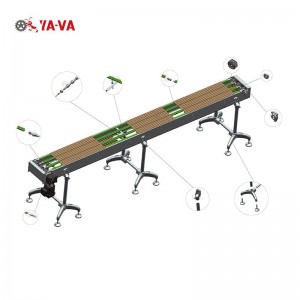
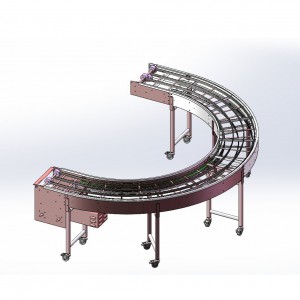
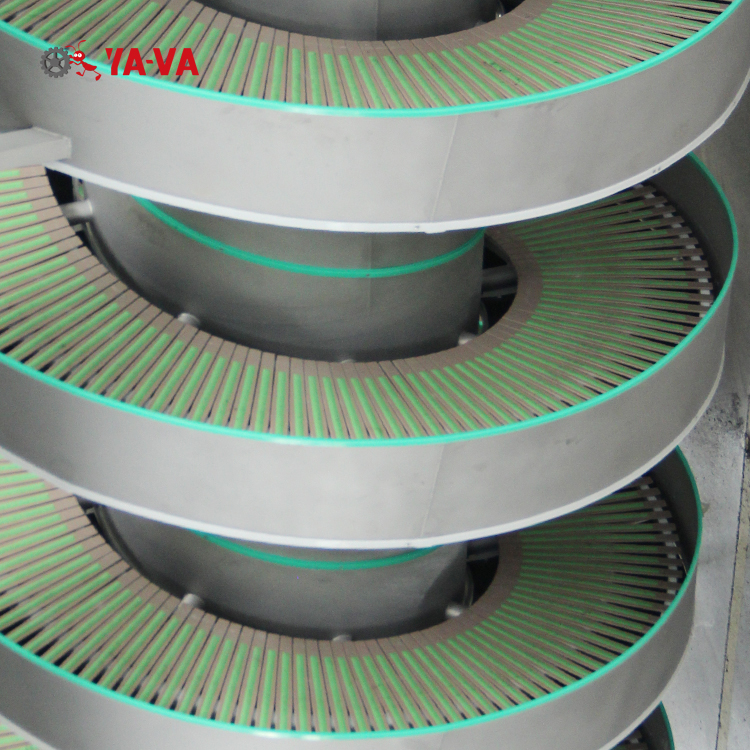 Chain Spiral Conveyor——Single Lane
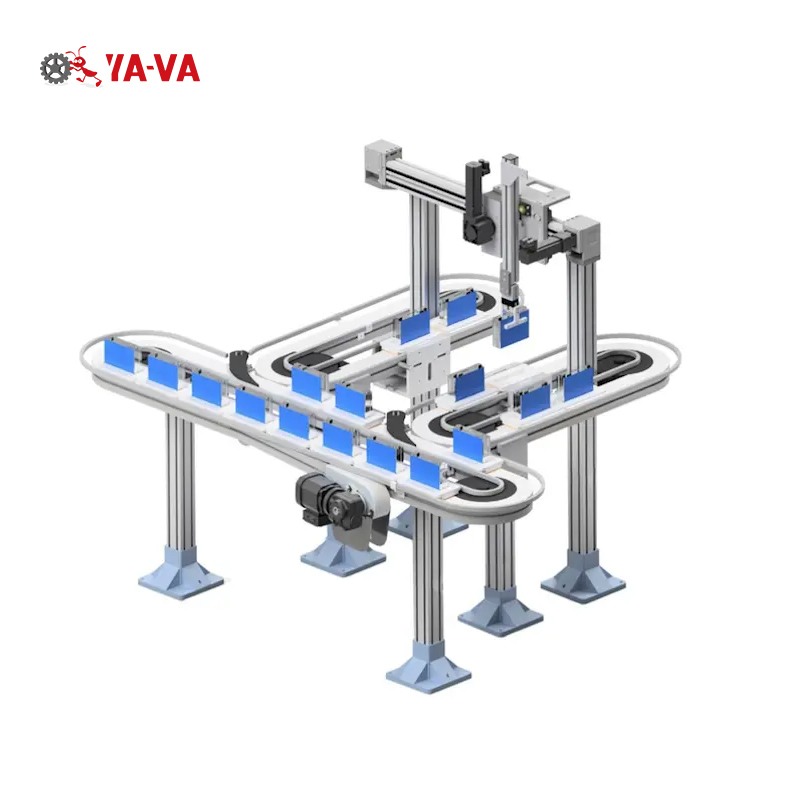 Factory made plastic modular design beverage industry flexible chain conveyor/modular belt conveyor/sideflexing conveyor system line
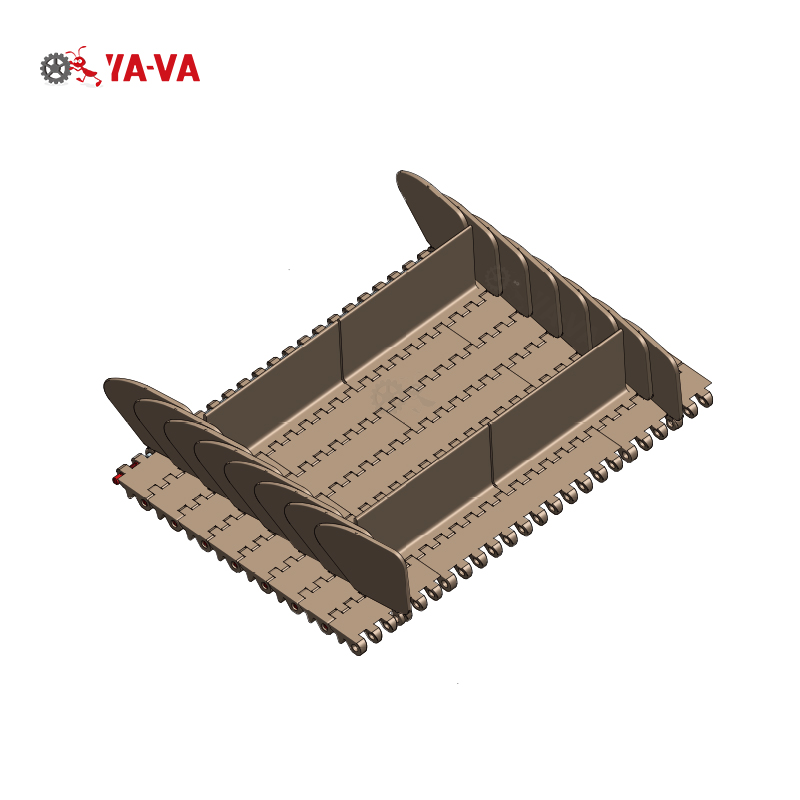 Factory direct production POM modular conveyor belt with flight and side walls
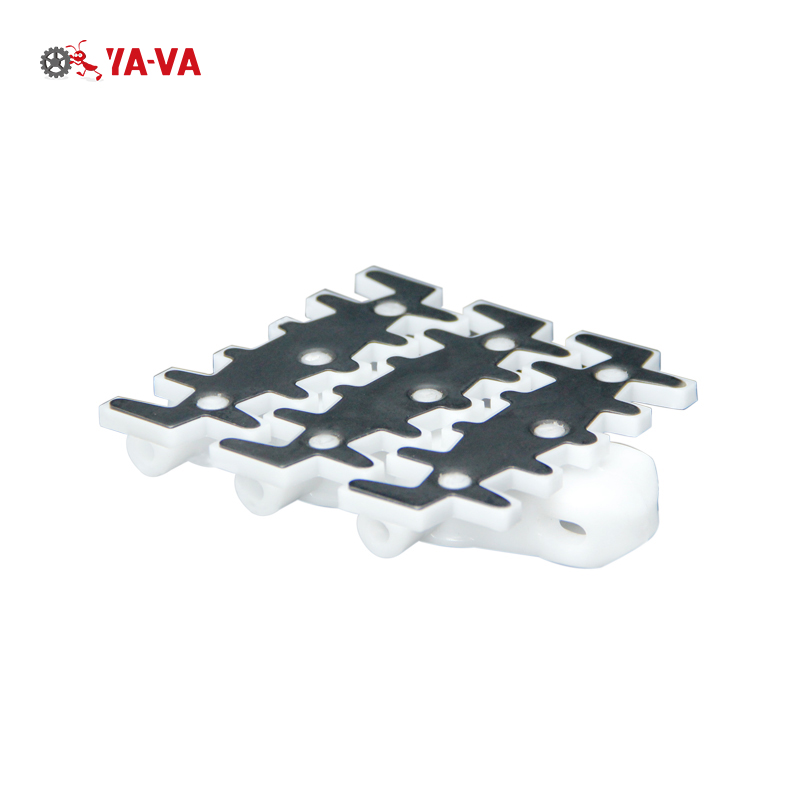 flexible conveyor parts--83 Wide Chain
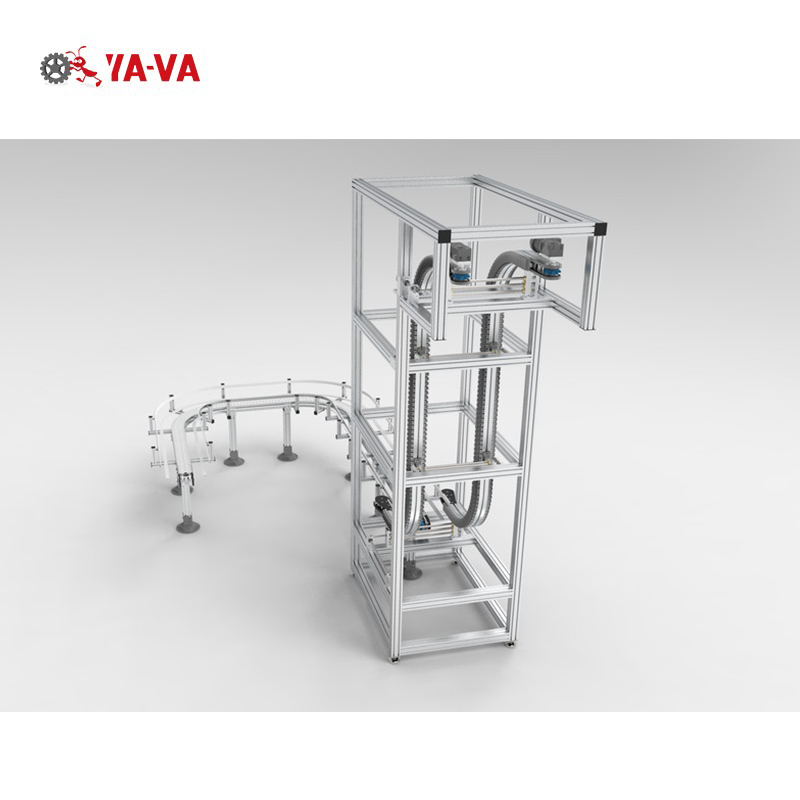
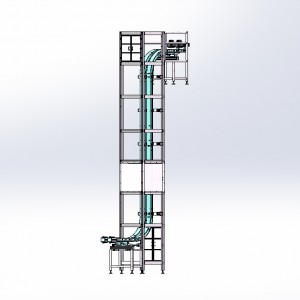 Elevating Lowering and Orientation gripper conveyor system/customized bottle inclined conveyor system flexible side gripper conveyor


