- No.1068, Nanwan Rd, Kunshan city 215341, Jiangsu Province, P. R. China
- info@ya-va.com
- +86 18017127502
Industrial Landscape of Food Grade Modular Conveyor Systems
In the fast-paced world of food processing and packaging, the demand for high-efficiency, sanitary, and flexible material handling solutions has never been more critical. The global food industry is undergoing a massive transformation, driven by shifting consumer preferences, stricter food safety regulations, and the urgent need for operational automation. At the center of this transformation is the modular conveyor belt for the food industry.
Historically, food factories relied heavily on traditional flat PVC or PU conveyor belts. While these systems served their purpose for decades, they present substantial challenges in modern processing environments. Traditional belts are prone to tracking issues, require high tensioning, and are vulnerable to physical damage such as fraying and cutting. Most importantly, they pose significant sanitation risks; bacteria can easily accumulate in the seams, fraying edges, and underbelly areas, leading to potential cross-contamination and costly product recalls.
Today, the industrial consensus has shifted decisively toward modular plastic conveyor belts. Constructed from robust, food-grade thermoplastic materials (such as Polypropylene, Polyethylene, and Polyacetal), these belts consist of interlocking modules driven by plastic sprockets. This positive-drive mechanism eliminates tracking issues and minimizes belt tension, significantly reducing wear and tear on bearings and motors. The modular design enables quick, localized repairs—if a section is damaged, only the affected modules need replacement, saving hours of downtime compared to replacing an entire continuous belt.
Regulatory bodies worldwide, including the FDA (Food and Drug Administration) in the United States, EHEDG (European Hygienic Engineering & Design Group) in Europe, and global HACCP protocols, have implemented rigorous sanitation standards. Modern modular conveyor belts are engineered specifically to comply with these rules, featuring open-grid structures that permit easy, high-pressure washdowns and rapid drainage, ensuring a sterile processing environment.
Market Trends: Automation, Hygiene, and Customization
The modern food manufacturing sector is facing acute labor shortages and rising operational costs. To maintain profitability, processing plants are investing heavily in automated production lines. Whether it's sorting fresh agricultural produce, transporting raw meat through cryogenic freezing tunnels, or conveying delicate baked goods to packaging machines, custom modular conveyor configurations are essential. The integration of intelligent sorting systems, robotic pick-and-place units, and automated wash-in-place (WIP) systems requires conveyor belts that can bend, spiral, incline, and decline with absolute precision and stability.
Our Strength
We are an independent company that has developed, produces and also maintains the conveyor system to ensure that our customers receive the most cost effective solutions available today.




Deep-Dive Application Scenarios in Food Processing
The versatility of modular conveyor belts allows them to be customized for a wide array of application environments, each presenting unique mechanical and sanitary requirements. Below, we explore how modular belts solve critical pain points across various segments of the food industry.
1. Meat, Poultry, and Seafood Processing
Processing raw meat, poultry, and seafood is perhaps the most demanding application for any conveyor system. It involves heavy exposure to fats, blood, and acidic fluids, alongside abrasive bone contact and aggressive chemical washdowns. In these environments, hygiene is paramount to prevent pathogens like *Listeria* and *Salmonella*.
Modular belts designed for meat processing are constructed from high-impact POM (Polyacetal) or PP (Polypropylene) with specialized non-stick surfaces to facilitate clean release. They feature open hinges and dynamic sprocket interfaces that allow water and sanitizing foams to penetrate deep into the belt assembly during Clean-in-Place (CIP) cycles. Additionally, blue-colored belts are widely adopted in this sector to optimize optical inspection and simplify foreign object detection, as blue is a color not naturally found in meat products.
2. Bakery and Confectionery Production
Bakery lines require conveyor systems that can withstand extreme temperature variations—from hot baking ovens (reaching up to 100°C or more) to cryogenic cooling tunnels. Furthermore, handling sticky dough, hot chocolate coatings, and sugary syrups requires excellent release properties to avoid product damage and waste.
Modular belts made from high-temperature resistant materials are ideal for carrying bread, pastries, and biscuits through cooling stages. The open-grid design allows air to circulate freely around the products, accelerating the cooling process and preventing condensation buildup on the underside of the baked goods. For sticky confectionery products, modular belts with micro-textures or matte finishes ensure smooth transfers without residue buildup.
3. Fruit and Vegetable Handling
From harvesting to packaging, fruits and vegetables undergo intensive washing, sorting, peeling, and cutting. Conveyor belts in this sector must handle constant moisture, soil abrasion, and exposure to natural fruit acids.
Here, modular belts with high drainage capabilities are essential. Perforated modules allow water to drain rapidly during washing and rinsing phases, preventing waterlogging and preserving product freshness. For inclined conveying, modules equipped with flights (integrated plastic walls) and side guards prevent round fruits or vegetables from rolling backward, ensuring stable vertical elevation.
4. Beverage, Bottling, and Canning Lines
In high-speed bottling and canning operations, stability and smooth transitions are critical. Tipped bottles lead to spilled liquids, glass breakage, and immediate line stoppages.
Flat-top modular chains and side-flexing conveyor belts are engineered to provide ultra-smooth, low-friction surfaces. They allow bottles and cans to glide effortlessly, even during high-speed accumulation phases. Specially designed transfer plates close the gaps between conveyor segments, ensuring seamless product transfers without tipping or jam-ups.

About YA-VA
YA-VA is a leading high-tech company providing intelligent conveyor solutions. Our comprehensive structure consists of the Conveyor Components Business Unit, Conveyor Systems Business Unit, Overseas Business Unit (Shanghai Daoqin International Trading Co., Ltd.), and the YA-VA Foshan Factory.
With over two decades of dedicated research, development, and manufacturing expertise, we deliver state-of-the-art material handling systems designed to optimize factory floor space, enhance hygiene standards, and maximize throughput for global food processors.
Future Trends in Food-Grade Modular Conveyor Technology
As Industry 4.0 continues to sweep through the global manufacturing sector, the humble conveyor belt is evolving into a smart, data-driven system. The integration of advanced technologies is changing how food processing plants monitor, maintain, and optimize their production lines.
1. IoT-Enabled Smart Conveyors
Modern modular conveyor systems are increasingly equipped with embedded sensors that monitor belt tension, temperature, operating speed, and motor load in real time. By analyzing this data, predictive maintenance algorithms can forecast component wear and schedule maintenance before a breakdown occurs, virtually eliminating unplanned downtime.
2. Antimicrobial Plastic Materials
Material science is playing a major role in the future of food safety. Manufacturers are developing modular belts infused with antimicrobial additives. These food-grade compounds actively inhibit the growth of bacteria, mold, and yeast on the belt surface between sanitation cycles, providing an extra layer of defense against foodborne illnesses.
3. Eco-Friendly and Sustainable Manufacturing
Environmental sustainability is a key focus for modern food brands. Conveyor manufacturers are responding by developing modular belts using bio-based plastics or recycled food-grade polymers. Additionally, low-friction materials reduce the energy required to drive the conveyor systems, lowering the overall carbon footprint of the production facility.
Feature Products
More than 20 years focusing on transportation machinery R&D development and manufacturing. Building a stronger and larger brand in the industry.


Chain Conveyor Systems
Flexible slat chain conveyor product lines cover a wide range of applications. These multi-flexing conveyor systems use plastic chains in many configurations to handle complex routing, including tight curves, inclines, and declines, all while occupying minimal floor space.
Designed with high-precision engineering, our chain conveyors ensure smooth product flow, low noise levels, and minimal product damage, making them ideal for packaging lines, pharmaceutical manufacturing, and food processing applications.

News & Information
Stay updated with the latest technological developments, exhibition schedules, and industry insights from YA-VA.
YA-VA Looks Forward to Welcoming You in June 2026
We are preparing to showcase our latest intelligent conveyor innovations and food-grade modular systems at the upcoming international industry exhibition. Join us to discuss custom automation solutions.

YA-VA Thailand Bangkok PROPAK
The PROPAK exhibition concluded successfully. We express our sincere gratitude to all our valued customers for visiting our booth (AY38). Your support drives our progress.
Difference Between Chain & Belt Conveyor
What is the difference between chain and belt conveyors? Chain conveyors and belt conveyors differ in design, function, and applications. Learn which system fits your factory layout best.
Our Cooperative Partners
Collaborating with global industry leaders to deliver top-tier automation systems.






Product Catalog
Explore our comprehensive range of high-performance conveyor products designed for the food industry.
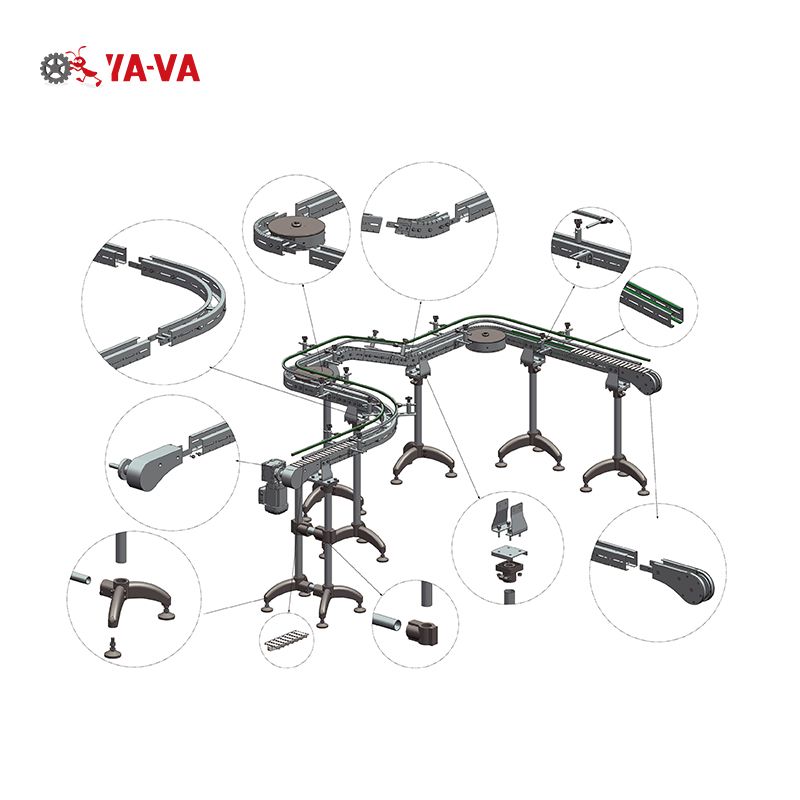
Stainless Steel Conveyors
Learn More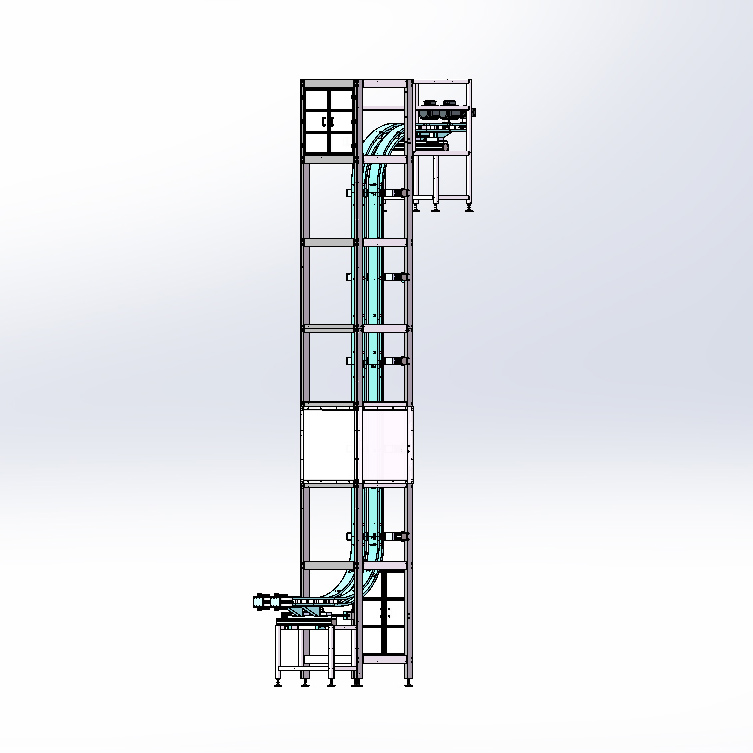
Elevating Lowering & Gripper System
Learn More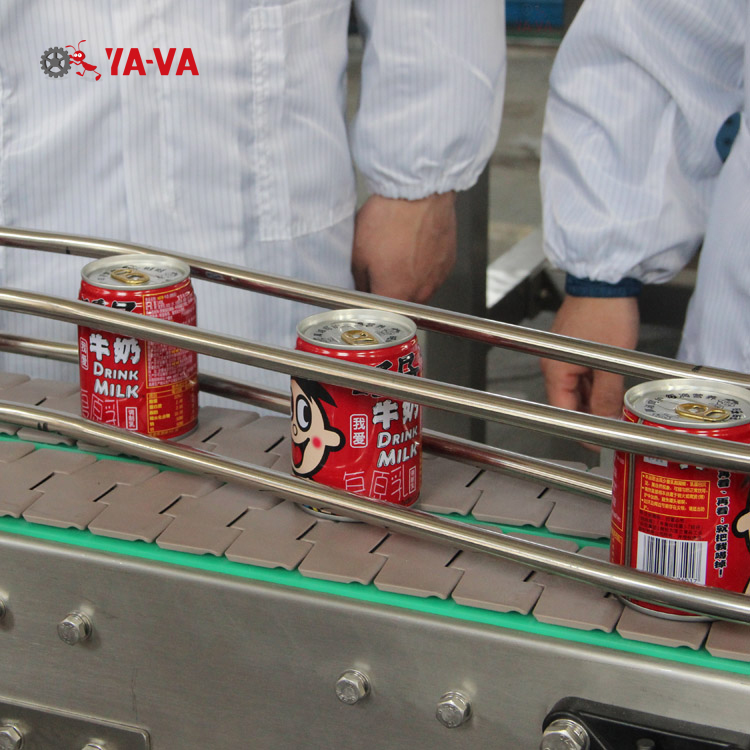
Table Flat Top Conveyor Chain
Learn More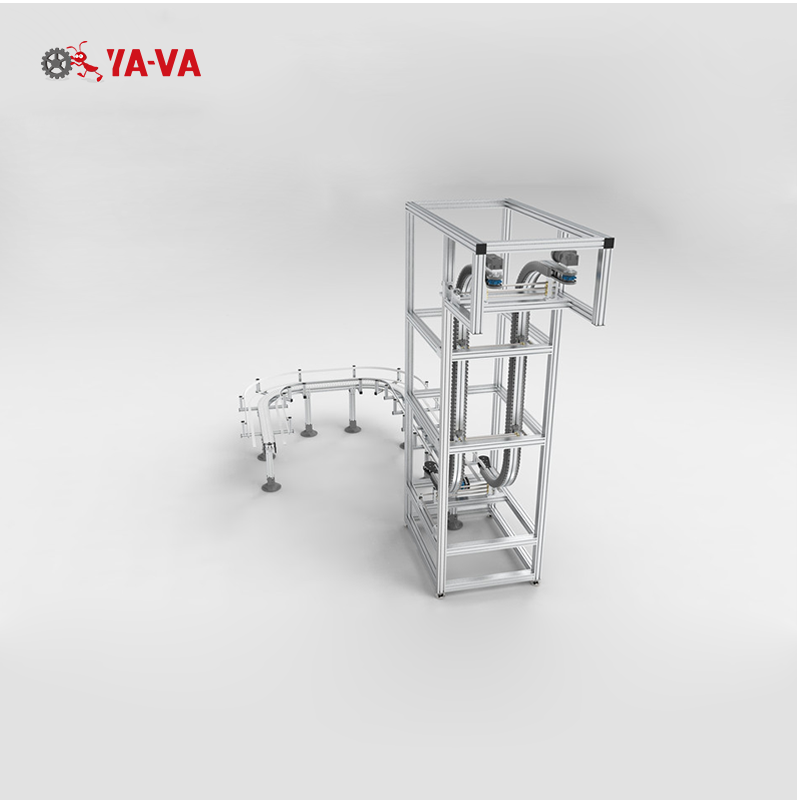
New Flexible Gripper Conveyors
Learn More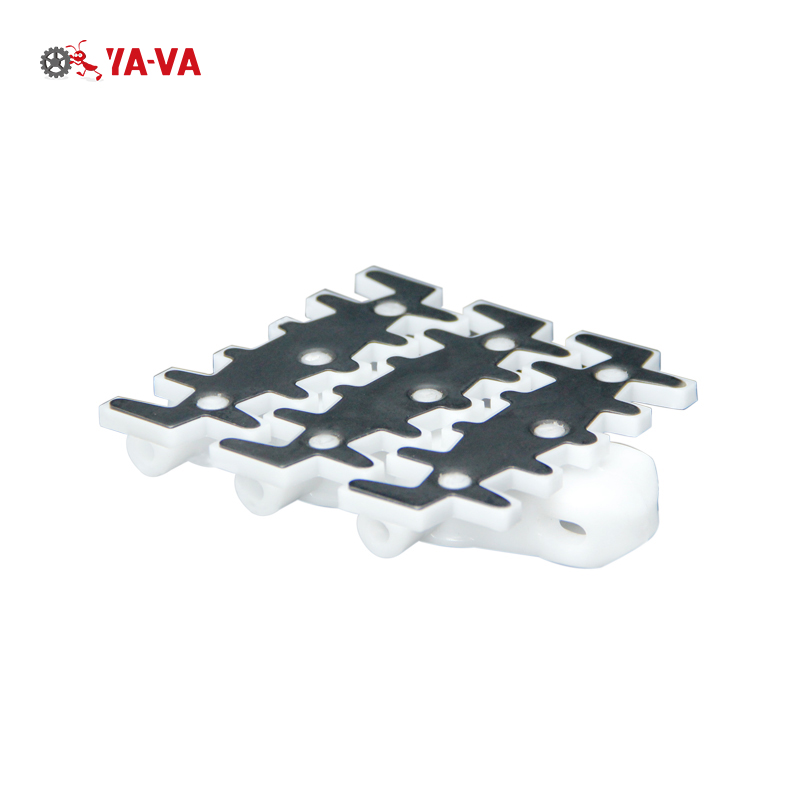
Flexible Conveyor Parts - 83 Wide Chain
Learn More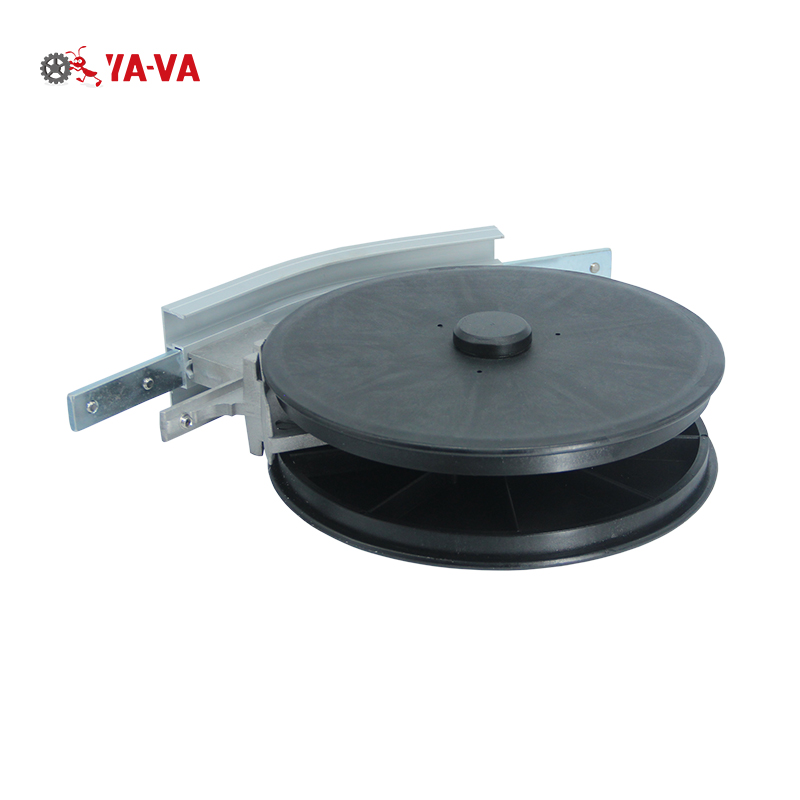
Aluminum Wheel Bend Transition System
Learn More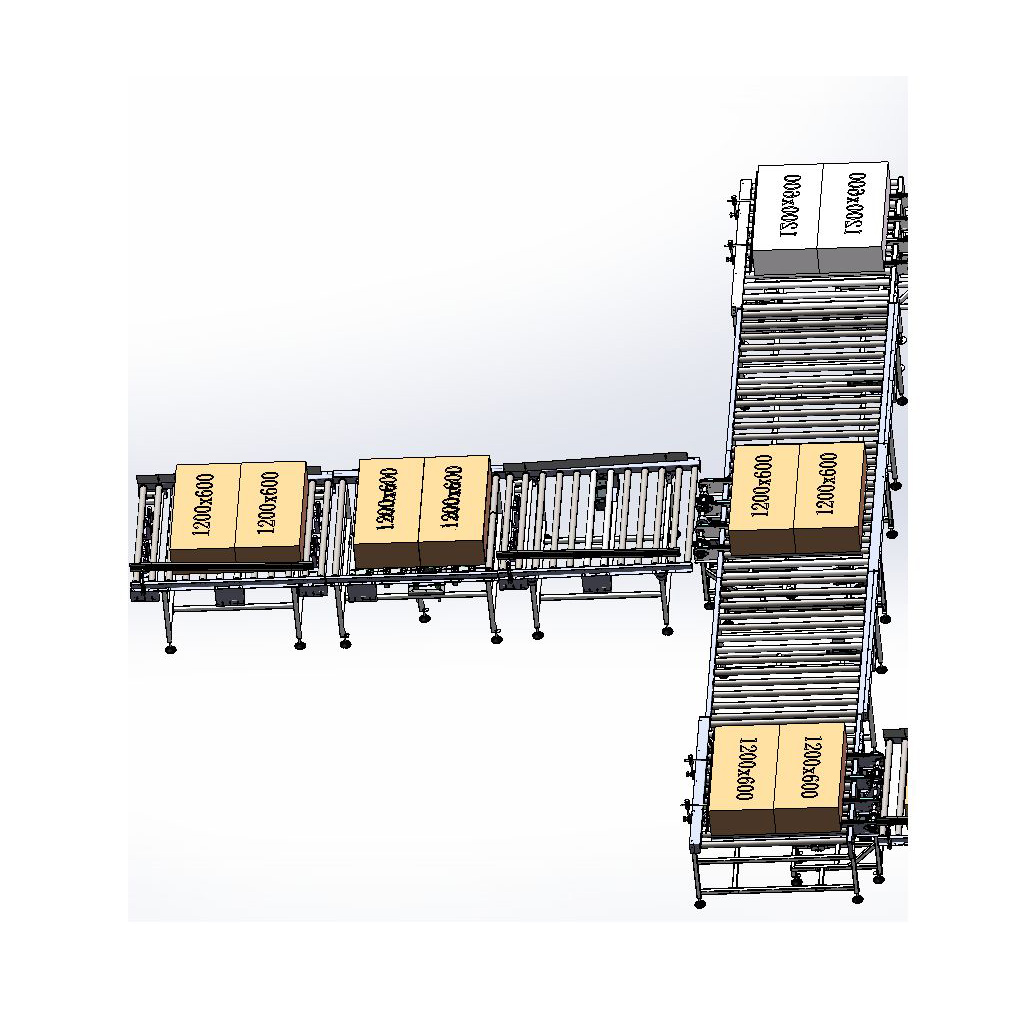
Straight Running Roller Conveyor
Learn More