- No.1068, Nanwan Rd, Kunshan city 215341, Jiangsu Province, P. R. China
- info@ya-va.com
- +86 18017127502
High-Performance Conveyance for Packaging Lines
The Evolution of Modular Conveyor Belts in Modern Packaging Lines
The global packaging sector is undergoing a massive transformation driven by automation, fast-moving consumer goods (FMCG) demands, and strict regulatory standards. Within this dynamic framework, modular conveyor belts for the packaging industry have shifted from being simple material transport mechanisms to becoming the core nervous system of automated production plants. By utilizing interconnected plastic links instead of traditional continuous fabric or rubber belts, modular systems offer unparalleled versatility, cleanliness, and structural resilience.
Modern packaging environments demand systems that can handle varied product geometries, sudden speed transitions, and complex sorting paths without causing product damage or line blockages. Modular conveyor belts address these challenges directly. Their positive drive mechanism eliminates slippage issues, while the segmented design allows operators to replace individual damaged modules rather than replacing an entire belt system. This drastically reduces operational downtime, ensuring that packaging lines run continuously to meet demanding supply chain schedules.
Key Market Insight: The shift towards high-mix, low-volume production requires packaging lines to adapt rapidly. Modular plastic belts facilitate rapid changeovers, allowing a single conveyor line to transition seamlessly between bottles, cartons, pouches, and heavy secondary boxes with minimal configuration adjustments.
Furthermore, the integration of smart sensors and variable frequency drives (VFDs) with modular conveyors has enabled precise sorting, accumulation, and merging processes. As the packaging industry pushes toward Industry 4.0, the role of modular belts has expanded to support predictive maintenance algorithms, where slight tension variations or speed discrepancies are monitored to detect potential wear before a system failure occurs.
Our Strength & Global Footprint
We are an independent company that has developed, produces and also maintains the conveyor system to ensure that our customers receive the most cost effective solutions available today. YA-VA is a leading high-tech company providing intelligent conveyor solutions.
Our structure consists of the Conveyor Components Business Unit, Conveyor Systems Business Unit, Overseas Business Unit (Shanghai Daoqin International Trading Co., Ltd.), and the YA-VA Foshan Factory, working in synergy to supply global markets with premium conveying hardware.
Read More About Us




Deep-Dive Application Scenarios in Packaging Operations
Modular conveyor belts are utilized across various stages of the packaging line, each presenting distinct environmental and mechanical challenges. Understanding these specific application scenarios highlights why modular plastic conveyor systems have become the preferred choice for engineers worldwide.
1. Primary Packaging & Direct Food Contact
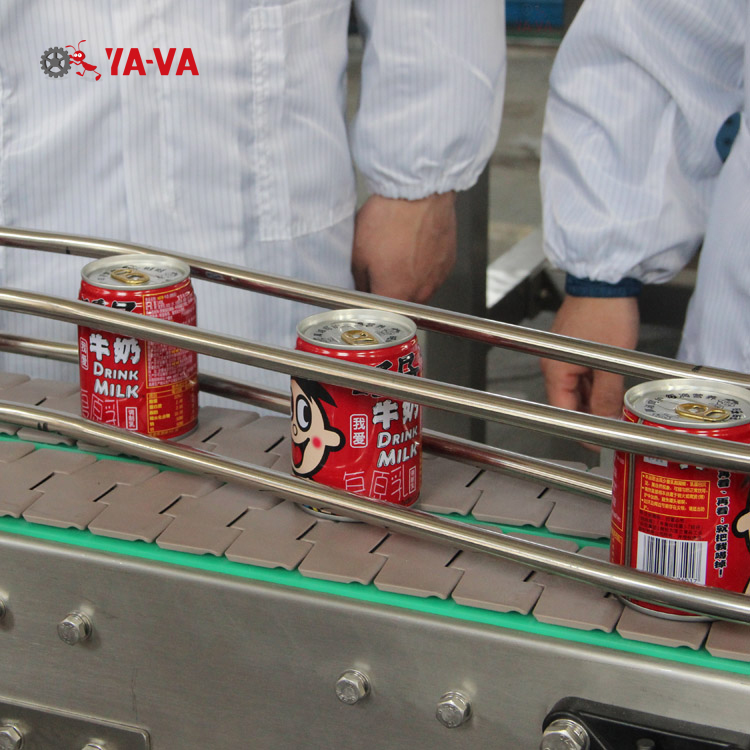
In food and beverage packaging, primary packaging lines demand the highest levels of sanitation. Modular belts made from food-grade materials (such as Polyethylene and Polypropylene) comply with stringent FDA and EU regulations. Unlike traditional fabric belts that can fray and harbor bacteria, modular belts feature easy-to-clean open hinge designs. They can withstand high-pressure washdowns, aggressive cleaning chemicals, and extreme temperatures, making them ideal for packaging fresh produce, meat, dairy, and confectionery products.
2. Secondary Packaging & Carton Handling
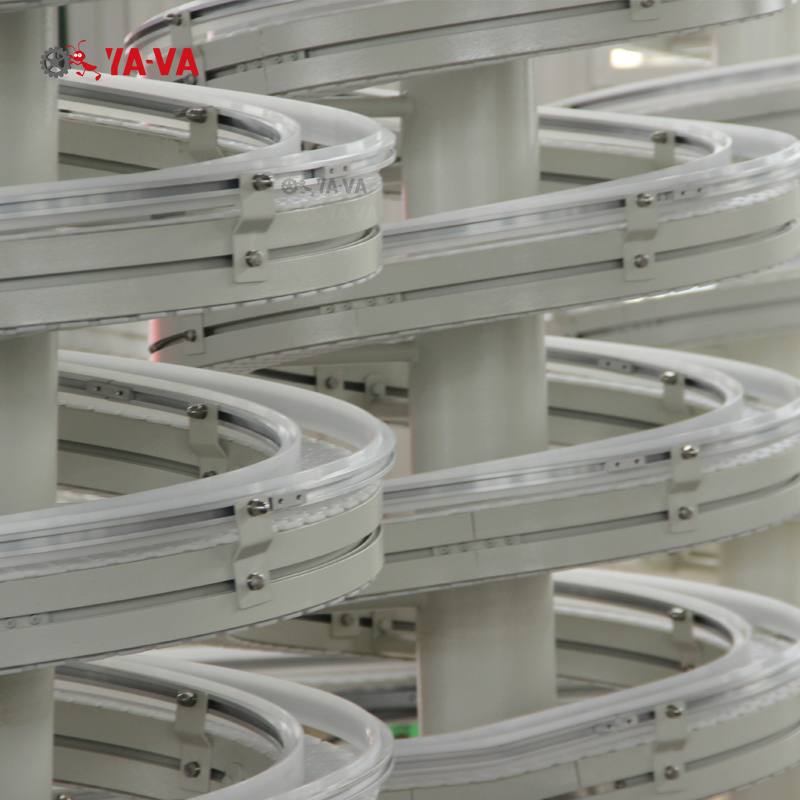
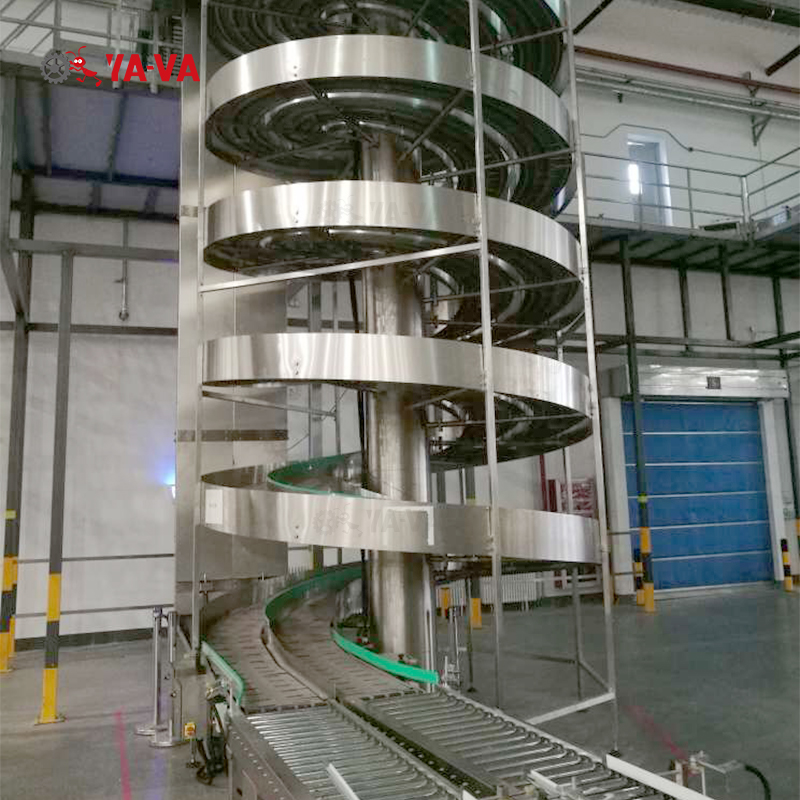
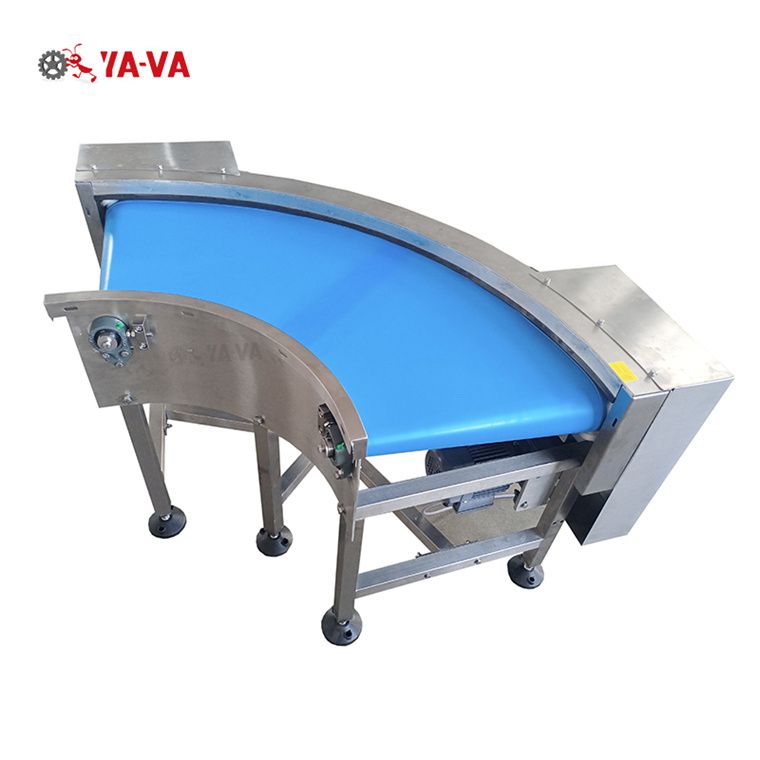
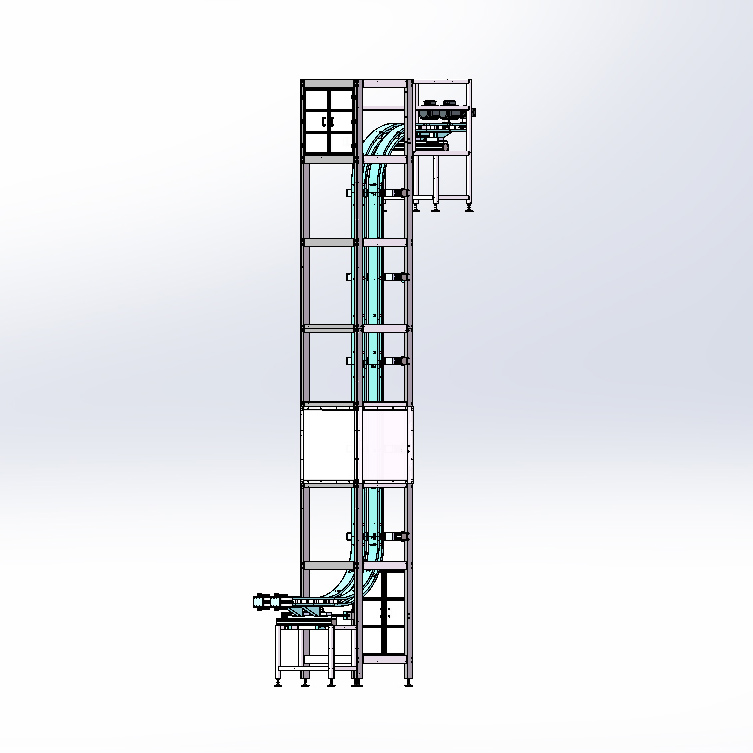
Once products are placed in their primary packaging, they move to secondary packaging stages, such as cartoning, shrink-wrapping, and case packing. Here, the focus shifts to speed, alignment, and smooth transitions. Low-friction plastic modular chains ensure that cartons slide smoothly during accumulation processes without scuffing or damaging the product packaging. Curved and spiral modular conveyors are frequently deployed in this stage to optimize floor space, transferring products between different elevation levels while maintaining orientation.
3. End-of-Line Palletizing & Heavy Load Conveyance
At the final stage of the packaging line, finished cases are grouped, stacked, and prepared for shipping. This requires heavy-duty modular belts capable of handling high load capacities. Modular plastic belts designed for palletizing feature high tensile strength and impact resistance. They provide a stable surface for automated robotic pick-and-place systems to stack boxes or crates securely, preventing tilting or misalignment during pallet building.
Featured Conveyor Systems & Components
More than 20 years focusing on transportation machinery R&D development and manufacturing. In the future, we aim to grow stronger and larger in industry scale and brand reputation.


Advanced Chain Conveyors
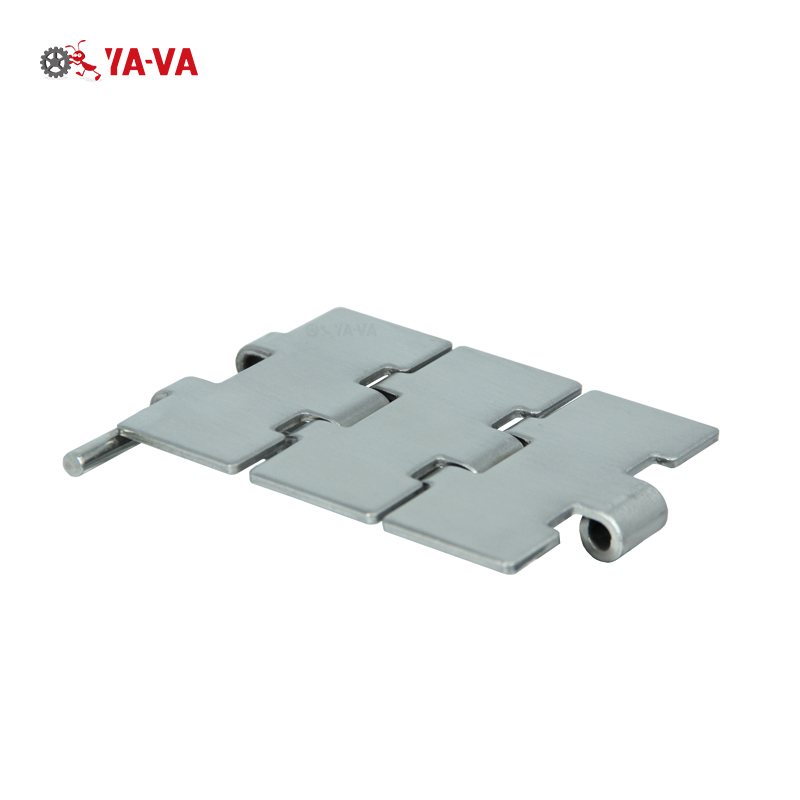
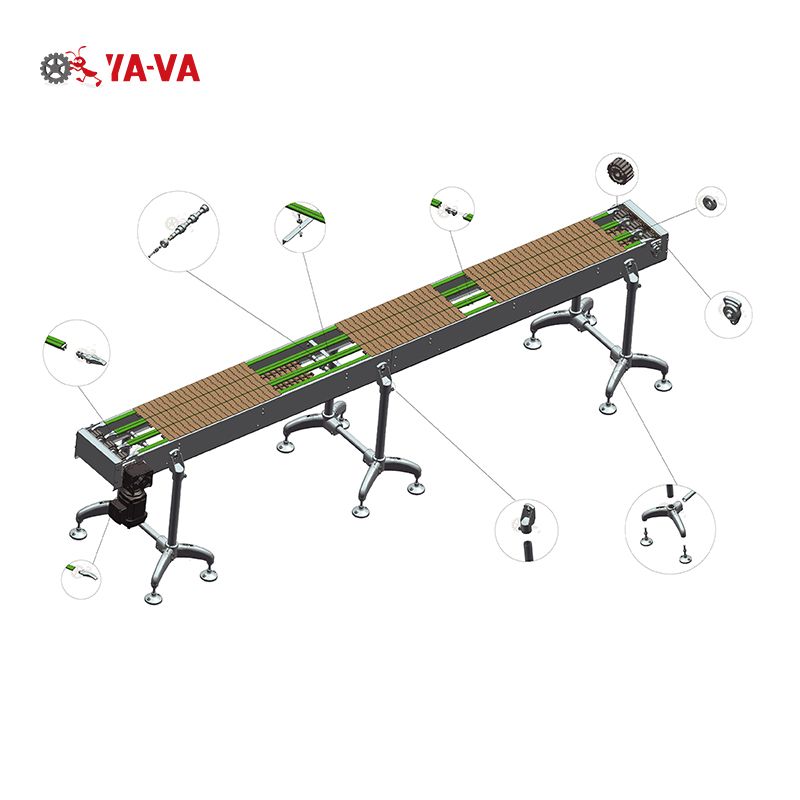
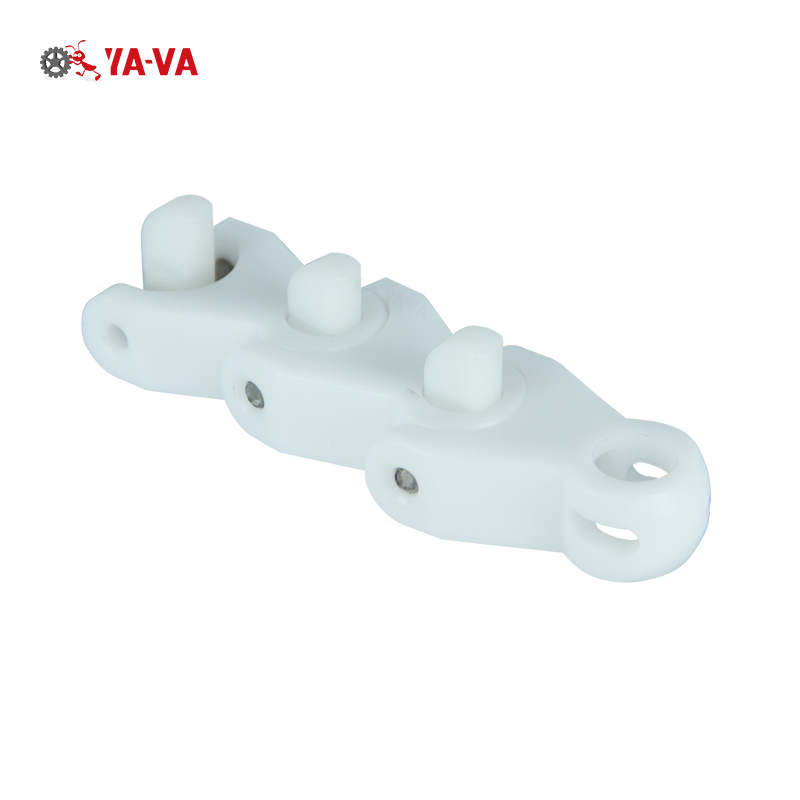
Flexible slat chain conveyor product lines cover a wide range of applications. These multiflexing conveyor systems use plastic chains in many configurations to navigate complex curves, inclines, and declines, ensuring smooth transfer of packaged goods across the factory floor.
Get in TouchTechnical Advantages of Modular Plastic Belts Over Traditional Belting
When designing or upgrading packaging systems, selecting the correct belting technology is critical to long-term performance. Modular plastic belts offer clear mechanical advantages over traditional flat PVC or fabric belts:
- ✔ Positive Drive Mechanics: Unlike flat belts that rely on friction and tension (which can lead to slipping and tracking issues), modular belts are driven by sprockets. This positive drive system eliminates slippage, maintains perfect tracking, and allows for lower belt tension, extending the lifespan of bearings and motors.
- ✔ Simplified Maintenance and Reduced Downtime: If a traditional belt tears, the entire roll must be replaced, resulting in hours of lost production. With modular belts, if a section is damaged, maintenance staff can quickly pop out the damaged module and insert a new one in minutes, keeping maintenance costs minimal.
- ✔ Outstanding Configuration Flexibility: Modular belts can be built in almost any width and length. Accessories such as side guards, flights (cleats), and friction modules can be integrated directly into the belt surface to facilitate steep inclines or product separation.
- ✔ Chemical and Wear Resistance: Constructed from engineering polymers like Acetal (POM), Polypropylene (PP), and Polyethylene (PE), these belts offer high resistance to oils, acids, cleaning agents, and physical impacts, ensuring a long operational life in challenging industrial environments.
Explore Our Complete Packaging Conveyor Lineup
Future Trends: Next-Gen Modular Conveyors and Industry 4.0
As manufacturing plants move towards fully autonomous operation, modular conveyor systems are incorporating advanced features to support smart factory environments. These developments are focused on enhancing control, improving energy efficiency, and reducing environmental impact.
1. Integration of Smart Sensors & Predictive Maintenance
Modern modular conveyor lines are increasingly equipped with embedded IoT sensors that monitor belt speed, load distribution, operating temperature, and motor vibration. By analyzing this data in real time, control systems can predict wear and schedule maintenance activities during planned shutdowns, avoiding unexpected production stoppages.
2. Energy-Efficient Drive Systems
Energy consumption is a key metric for modern manufacturing facilities. The combination of low-friction materials in modular plastic chains with direct-drive synchronous motors reduces the power required to operate conveyor lines. This lowers utility costs and helps companies meet their corporate sustainability targets.
3. High-Speed Sorting and Diverting Modules
The rise of e-commerce and customized packaging options requires sorting systems that can handle high throughput. Multi-directional roller-top modular belts allow packages to be diverted, aligned, or rotated on the fly without stopping the main conveyor line, facilitating rapid and accurate sorting processes.
Stay Updated with YA-VA Industry News
YA VA Looks Forward to Welcoming You in June 2026
We are preparing to showcase our latest innovations in modular conveying systems and automated packaging solutions at the upcoming international exhibition. Join us to explore next-generation material handling technologies.

YA-VA Thailand Bangkok PROPAC
The YA-VA Thailand Bangkok PROPACK exhibition concluded successfully. We express our sincere gratitude to all our valued customers for visiting our booth. Your support drives our progress. BOOTH NO: AY38. We invite you to stay connected for our next events.
Chain vs. Belt Conveyors: Key Differences Explained
What is the difference between chain and belt conveyors? Chain conveyors and belt conveyors are both used for material handling, but they differ in design, function, and applications. Chain conveyors utilize linked metal or plastic chains to handle heavy or high-friction loads, whereas belt conveyors use continuous loops of material, ideal for bulk materials or small items.
Cooperative Partners