- No.1068, Nanwan Rd, Kunshan city 215341, Jiangsu Province, P. R. China
- info@ya-va.com
- +86 18017127502
Key Conveyor Systems for Logistics and Warehousing
Highly adaptable, low-maintenance plastic belt and modular roller solutions designed for fast-paced logistics fulfillment centers.
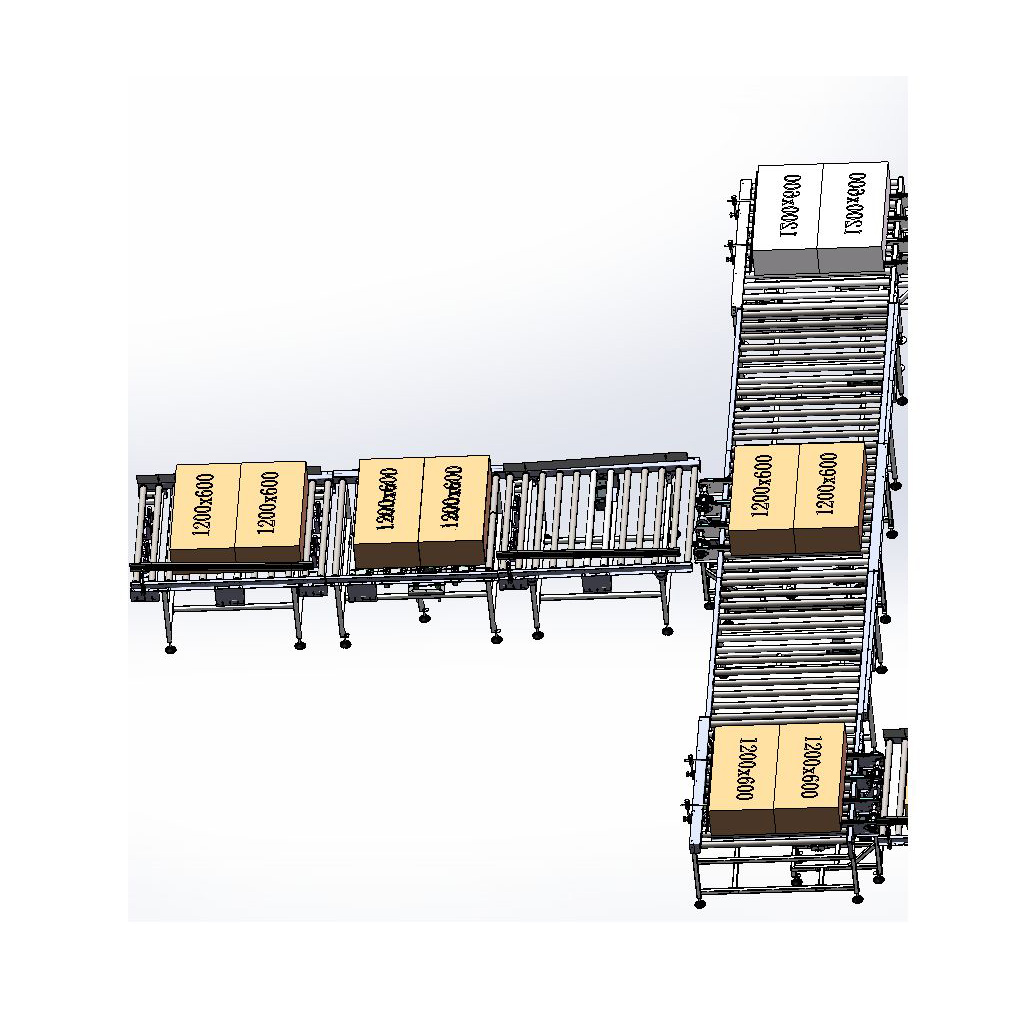
Straight running roller conveyor
Learn More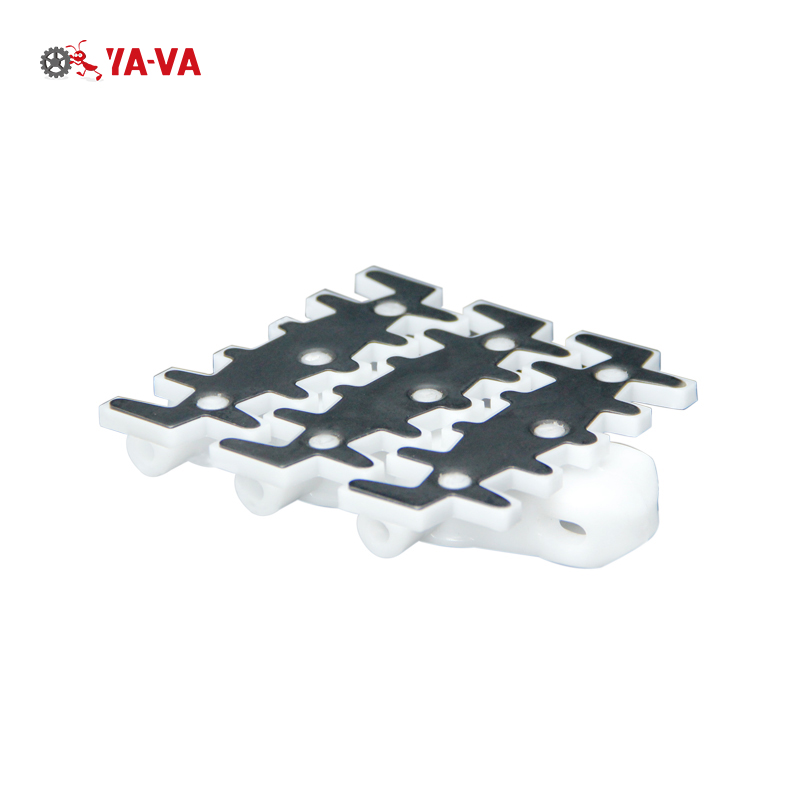
flexible conveyor parts--83 Wide Chain
Learn More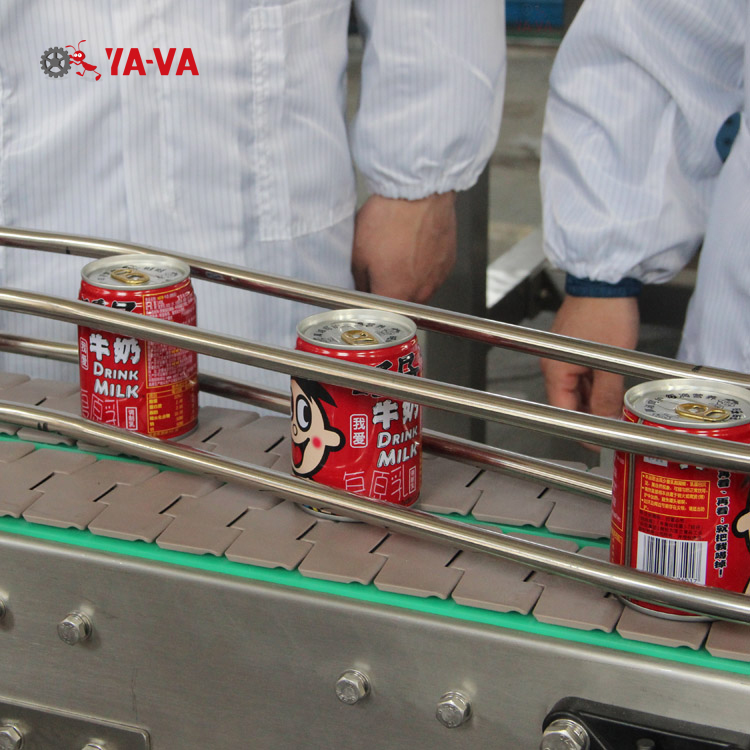
Table Flat Top Conveyor Chain
Learn More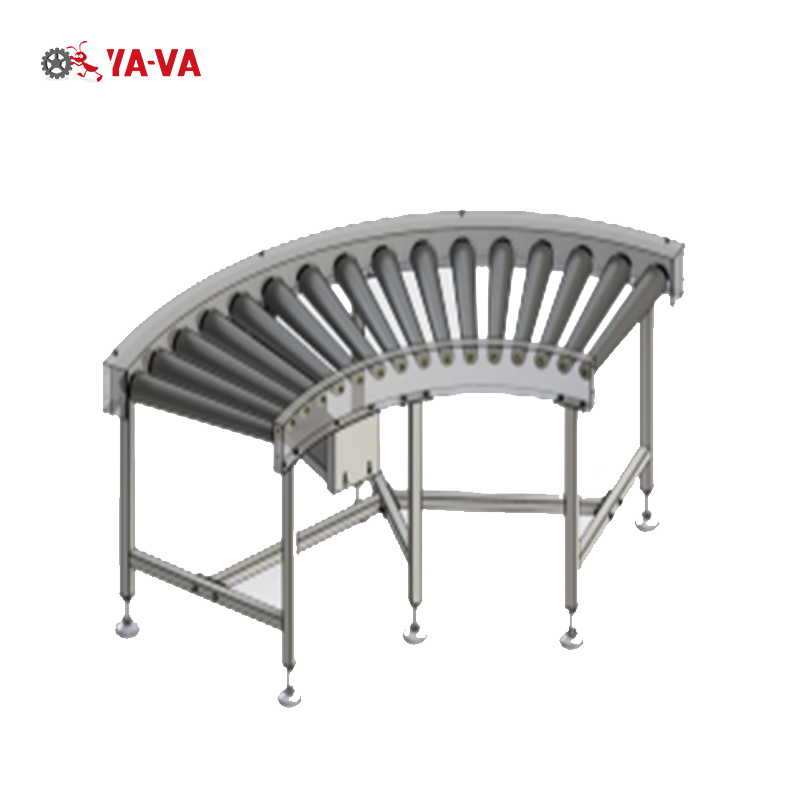
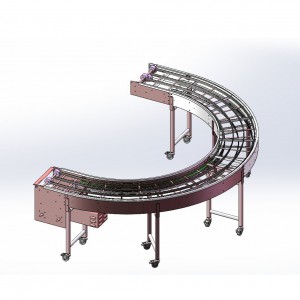
degree chain driven curved roller conveyor
Learn MoreThe Paradigm Shift in Intralogistics: Plastic Belt Conveyor Systems
The global logistics and warehousing sector is experiencing an unprecedented evolution. Fueled by the exponential rise of e-commerce, global supply chain complexities, and the urgent demand for rapid order fulfillment, modern warehouses are transitioning away from manual processes toward full-scale automation. Within this technological revolution, plastic belt conveyor systems have emerged as a cornerstone of high-efficiency intralogistics. Unlike traditional rubber belts or standard steel rollers, modular plastic conveyor belts offer a level of flexibility, resilience, and reliability that modern high-throughput environments demand.
In today's fast-paced distribution centers, downtime is the ultimate enemy. A single system failure can lead to backlogs, delayed deliveries, and significant financial losses. Industrial operators are increasingly replacing legacy conveyor systems with plastic modular alternatives due to their unique engineering advantages. Constructed from high-performance polymers such as Polypropylene (PP), Polyethylene (PE), and Polyoxymethylene (POM/Acetal), these systems are designed to withstand heavy loads, resist chemical exposures, and operate continuously under extreme thermal variations. This transition represents a major shift toward optimizing total cost of ownership (TCO) and maximizing operational uptime.
Modular Versatility
Individual interlocking links allow for quick repairs and custom configurations, significantly reducing system downtime.
Zero Slippage
Positive sprocket-driven mechanisms eliminate tracking issues and slippage, ensuring precise product positioning.
High Load Capacity
Engineered polymer structures handle heavy totes, boxes, and bulk items with minimal wear and tear over time.
Commercial and Industrial Status of Plastic Conveyor Belts
The industrial market for plastic belt conveyor systems has witnessed robust growth over the past decade. Industry analysts project that the market will continue to expand at a compound annual growth rate (CAGR) exceeding 6% through the next decade. This growth is predominantly driven by the modernization of sorting hubs, parcel distribution networks, and automated storage and retrieval systems (AS/RS). Companies are no longer viewing conveyors as simple transport mechanisms; instead, they are treated as critical data-integrated pipelines that dictate the speed and precision of the entire supply chain.
Furthermore, the integration of Smart Warehousing technologies has placed stricter demands on mechanical hardware. Modern plastic belts are designed to interface seamlessly with optical scanners, weight sensors, automated diverters, and robotic picking arms. The low-friction surfaces and stable flat-tops of polymer chains provide a vibration-free platform, which is essential for the accurate scanning of barcodes and RFID tags on packages moving at high speeds. Consequently, major logistics players such as DHL, FedEx, Amazon, and various global postal services have standardized modular plastic belts across their primary sorting facilities.
Deep-Dive into Plastic Belt Technology: Why Modular Rules
To fully appreciate the value of plastic belt conveyor systems, one must examine the engineering principles that distinguish them from traditional conveyor belts. Traditional conveyor systems utilize continuous loops of fabric, rubber, or PVC. While cost-effective initially, these belts are prone to tracking issues, stretching, tearing, and require high tension to prevent slippage. When a traditional belt is damaged, the entire loop must be replaced or spliced, resulting in hours of operational downtime.
In contrast, modular plastic belts consist of injection-molded plastic segments linked together by hinge pins. This design offers several transformative advantages:
- Positive Drive and Tracking: Modular belts are driven by sprockets rather than friction rollers. This positive engagement eliminates the need for high-tension tracking, prevents belt slippage, and ensures the belt runs straight regardless of load distribution or directional changes.
- Easy Maintenance and Rapid Repair: If a section of a modular plastic belt is damaged, maintenance personnel can quickly swap out only the affected links or modules. This repair can be completed in minutes using basic tools, drastically minimizing downtime.
- Diverse Surface Geometries: Plastic belts can be molded into various configurations, including flat top, flush grid (for air flow or drainage), friction top (for inclines), roller top (for multi-directional sorting), and perforated surfaces. This allows a single conveyor line to handle diverse product types, from small polybags to heavy wooden pallets.
- Chemical and Corrosion Resistance: Unlike metal chains or rubber belts that degrade when exposed to moisture, oils, greases, or cleaning chemicals, engineered plastics maintain their structural integrity. This is particularly crucial in cold chain logistics and food warehousing, where frequent washdowns are mandatory.
Engineering Insight: Material Selection for Logistics
Selecting the right polymer is critical for optimizing conveyor performance. Polypropylene (PP) is the standard choice for general-purpose warehousing due to its excellent chemical resistance and cost-efficiency. Polyoxymethylene (POM/Acetal) is chosen for high-load applications and long conveyor runs because of its high tensile strength and low coefficient of friction. For cold-storage warehouses, Polyethylene (PE) remains the material of choice, maintaining flexibility and impact resistance at temperatures as low as -70°C.
Deep Application Scenarios in Logistics & Warehousing
The adaptability of plastic belt conveyor systems makes them ideal for a wide range of specialized applications within modern fulfillment centers. Below is an in-depth analysis of how these systems are deployed across various zones of a logistics facility.
1. Multi-Directional Sorting and Merging Zones
In modern sorting hubs, packages arriving from different receiving docks must be consolidated, aligned, and routed to their respective shipping lanes. Plastic roller-top belts play a vital role here. By embedding small, free-spinning spheres or rollers directly into the modular plastic belt surface, engineers can create dynamic sorting tables. These rollers can be activated from below to push packages laterally or diagonally without stopping the main conveyor line. This enables high-speed, multi-directional sorting of varying package sizes, from flat envelopes to oversized boxes, with minimal risk of jams or product damage.
2. Incline and Decline Transport
Warehouses often utilize vertical space to maximize storage capacity, requiring products to be moved between different floor levels or mezzanine decks. Traditional belts struggle with steep inclines as packages tend to slide backward. Modular plastic belts solve this problem by incorporating molded-in flights, cleats, or high-friction rubber inserts (friction-top modules). These features securely grip the bottoms of totes and cartons, allowing for steep incline and decline angles of up to 45 degrees. This compact design saves valuable warehouse floor space and ensures smooth vertical transit.
3. Accumulation and Buffer Lines
During peak operational hours, bottlenecks can occur at packaging or labeling stations. To prevent system-wide shutdowns, warehouses utilize accumulation zones where products are temporarily held or "buffered" until the downstream processes catch up. Traditional conveyors build up friction and pressure when boxes accumulate, causing package damage or belt wear. Plastic modular belts designed for low back-pressure (LBP) feature integrated rollers that allow the belt to continue running smoothly beneath the accumulated packages, eliminating line pressure and protecting fragile contents.
Specialized Modular & Wedge Systems for Warehousing
High-performance vertical elevators, flexible curves, and specialized chains that optimize spatial layouts and handle complex directional shifts.
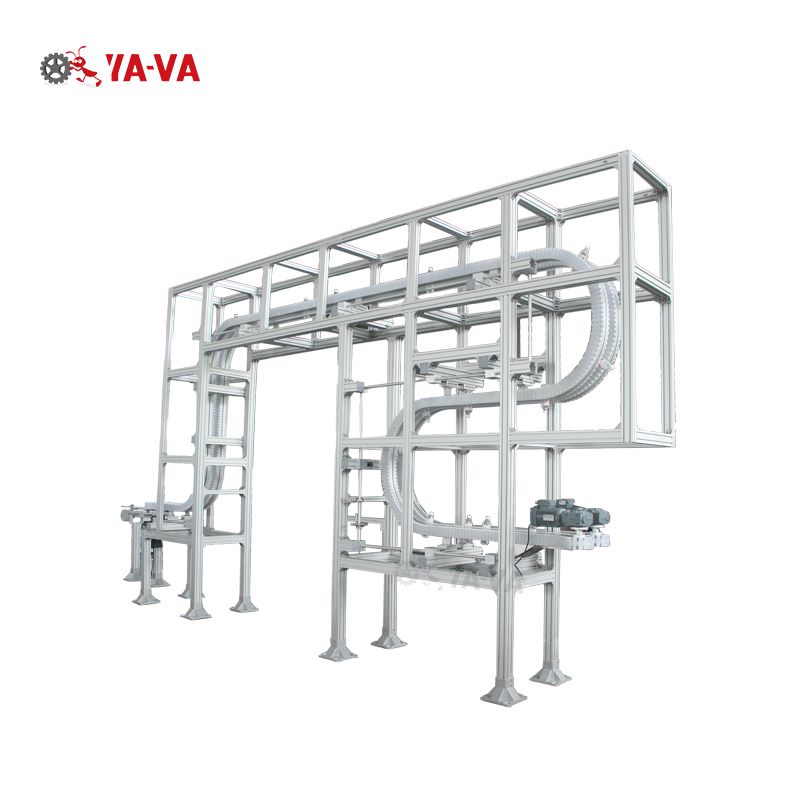
YA-VA wedge conveyor system——lift
Learn More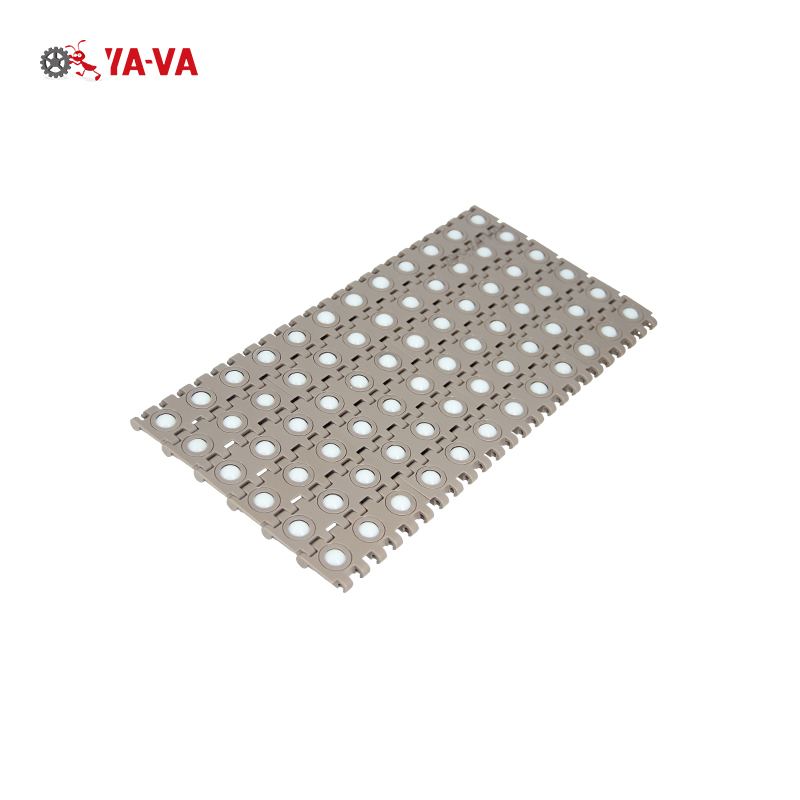
YA-VA YS300-7 Plastic Universal Ball Modular Belt
Learn More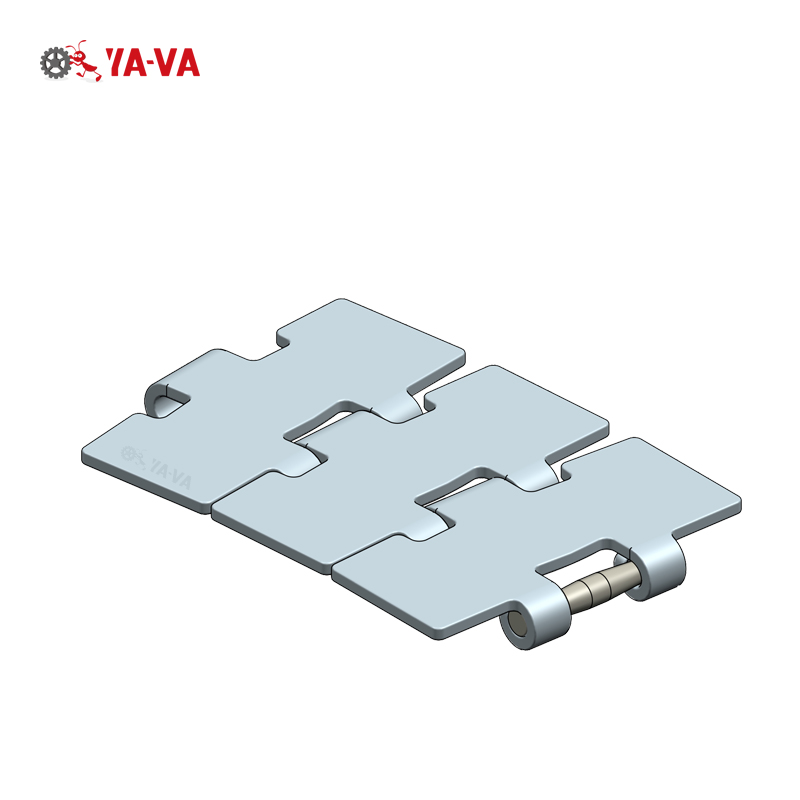
SC881 flat top chains for industry
Learn More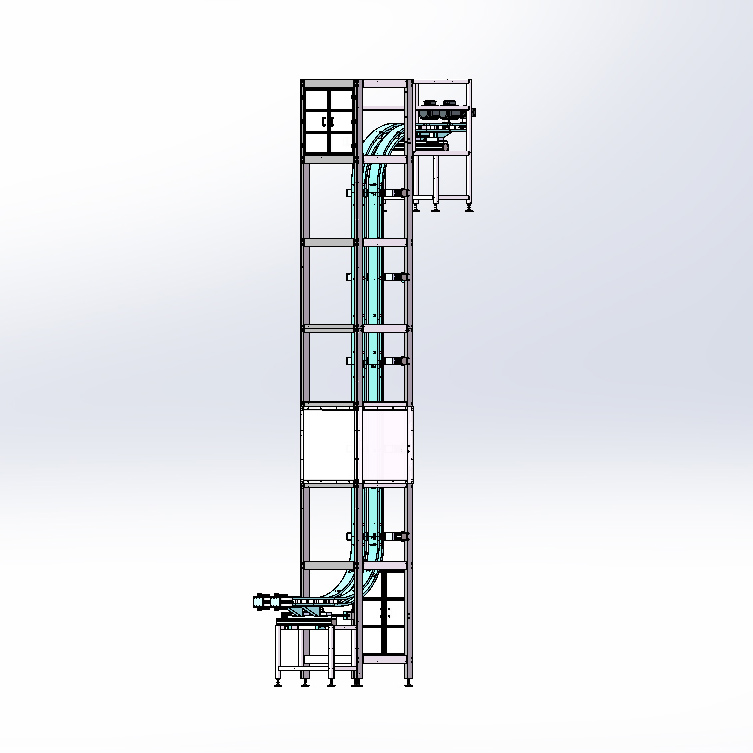
Elevating Lowering & Gripper Conveyor System
Learn MoreComparative Analysis: Modular Plastic vs. Traditional Conveyors
When selecting material handling systems, procurement managers must evaluate long-term operational costs alongside initial capital expenditure. Below is a comprehensive comparison detailing why modular plastic systems offer superior value compared to traditional continuous belts and non-powered rollers.
| Feature / Parameter | Modular Plastic Belts | Traditional PVC/Rubber Belts | Standard Steel Rollers |
|---|---|---|---|
| Drive Mechanism | Positive sprocket drive (no slip) | Friction-driven (prone to slip) | Motorized rollers or gravity-fed |
| Maintenance Time | Very Low (minutes to replace links) | High (requires splicing or full belt replacement) | Medium (bearing and motor replacements) |
| Operational Noise | Low (smooth polymer glide) | Low to Medium | High (metal contact and bearings) |
| Lifespan & Durability | Extremely High (wear-resistant polymers) | Medium (prone to cuts and stretching) | High (but susceptible to rust and dust) |
| System Versatility | Excellent (curves, inclines, merges) | Limited (primarily straight runs) | Good (curves and straights, no inclines) |
Sustainability and Energy Efficiency in Modern Warehousing
As corporations align their operations with global environmental standards, sustainability has become a key metric in warehouse design. Plastic modular conveyor systems contribute significantly to green initiatives. First, because modular belts are driven by low-friction sprockets, they require less torque and energy to operate than traditional friction-driven rubber belts. This reduces the carbon footprint of large distribution hubs that run thousands of conveyor meters 24/7.
Second, the materials used in modern plastic belts are fully recyclable. At the end of their long lifecycle, polymer modules can be ground down and re-molded into new industrial products. Additionally, because these systems do not require constant lubrication, they eliminate the risk of oil runoff and contamination, creating a cleaner, safer working environment for warehouse personnel. By integrating energy-efficient variable frequency drives (VFDs) with lightweight plastic modular belts, logistics facilities can reduce their electrical energy consumption by up to 30% compared to legacy setups.
Our Strength
We are an independent company that has developed, produces and also maintains the conveyor system to ensure that our customers receive the most cost effective solutions available today.

+300
Employees globally providing expert support

3
Advanced operating units driving innovation

+30
Countries represented for global reach

+1000
Successful projects delivered annually

CHAIN CONVEYORS
Flexible slat chain conveyor product lines cover a wide range of applications. These multiflexing conveyor systems use plastic chains in many configurations to adapt to complex warehouse layouts and tight routing constraints.
Get in touch
About Us
YA-VA is a leading high-tech company providing intelligent conveyor solutions. Our comprehensive portfolio is designed to meet the demands of modern high-speed logistics, food processing, packaging, and manufacturing industries.
Our organizational structure consists of specialized business units to ensure focused expertise: Conveyor Components Business Unit; Conveyor Systems Business Unit; Overseas Business Unit (Shanghai Daoqin International Trading Co., Ltd.) and the state-of-the-art YA-VA Foshan Factory.
News and Information
Stay updated with the latest technological developments, exhibition updates, and industry insights from YA-VA.
YA VA Looks Forward to Welcoming You in June 2026
Join us at the upcoming international logistics and packaging technology exhibition to explore our new modular belt configurations and smart sorting systems.

YA-VA Thailand Bangkok PROPAC
YA-VA Thailand Bangkok PROPACK exhibition concluded successfully. We would like to express our sincere gratitude to all our valued customers for visiting our booth. Your support is the driving force behind our progress. BOOTH NO: AY38.
What is the difference between chain and belt conveyor?
Chain conveyors and belt conveyors are both used for material handling, but they differ in design, function, and applications. Learn the structural and operational differences to select the right system for your facility.
Our Cooperative Partners






Custom Conveyor Engineering & Integration
With over 20 years of research and development in transportation machinery, YA-VA is dedicated to building robust systems that scale with your business. We provide custom-designed configurations, including vertical grippers and modular side-flexing systems, tailored to your warehouse layout.
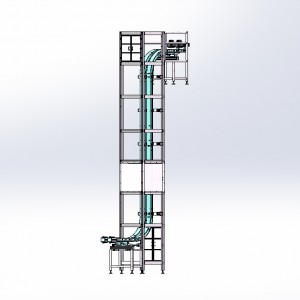
Elevating Lowering and Orientation gripper conveyor
View System Details →Featured Products Catalog
Explore our core product lineup, engineered for durability, low energy consumption, and high performance.

YA-VA Straight conveyor modular Belt Conveyor
View Details
Plastic Roller Curved Conveyor
View Details
degree chain driven curved roller conveyor
View Details
New Flexible Gripper Conveyors
View Details
Roller spiral conveyor——Gravity
View Details
Stainless Steel Conveyors
View Details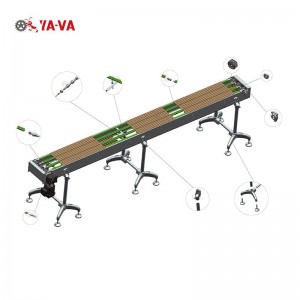
Plastic Curve Chain Conveyor Flat Top Chain Conveyor
View Details