- No.1068, Nanwan Rd, Kunshan city 215341, Jiangsu Province, P. R. China
- info@ya-va.com
- +86 18017127502
Automotive Conveyor Components
High-precision plastic conveyor parts specifically optimized for automotive assembly lines, component logistics, and smart factory applications.
Plastic Conveyor Parts in the Automotive Industry: A Deep Dive
The automotive manufacturing sector is undergoing one of the most significant transformations in its history. Driven by the rapid shift toward Electric Vehicles (EVs), autonomous driving technologies, and Industry 4.0 smart factories, automotive assembly plants require unprecedented levels of efficiency, precision, and reliability. At the heart of these complex production environments lies the conveyor system. While traditional heavy steel and metal conveyor components were once the industry norm, modern automotive manufacturing relies heavily on engineered plastic conveyor parts to meet contemporary production demands.
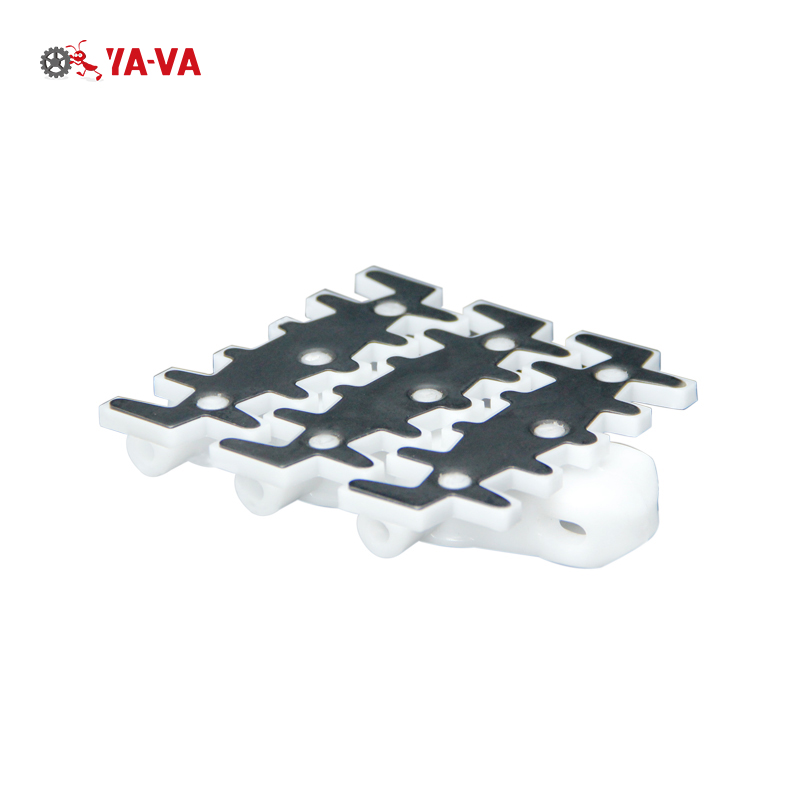
From stamping shops to final assembly lines, and especially within EV battery pack assembly, high-performance plastics like Polyacetal (POM), Polyamide (PA), Polypropylene (PP), and Polyethylene (PE) have replaced metal. These materials are engineered to offer low friction, high wear resistance, noise reduction, and chemical resilience. This transition is not merely a cost-saving measure; it is a critical technological upgrade that enhances the overall equipment effectiveness (OEE) of modern automotive plants.
Why Engineering Plastics are Replacing Metal in Automotive Conveying
Modern automotive plants operate 24/7. Metal-on-metal friction in traditional chains and rollers leads to rapid wear, high energy consumption, and the constant need for lubrication. External lubricants, however, can contaminate sensitive automotive parts—especially during the painting and coating phases. Engineered plastic components are self-lubricating, significantly lighter, and highly resistant to chemical exposure, eliminating the risk of product contamination.
Key Benefits of Plastic Conveyor Parts in Automotive Manufacturing
1. Noise Reduction & Ergonomic Workplaces: Modern occupational health and safety standards demand quieter working environments. Traditional steel chain conveyors produce high levels of decibel noise. High-performance plastic chains, rollers, and guides slide smoothly, reducing noise levels by up to 50%, which dramatically improves workplace ergonomics and safety.
2. Self-Lubrication & Zero Contamination: One of the biggest challenges in automotive assembly is maintaining a clean environment. In the paint shop or during the handling of delicate interior parts, any oil or grease droplet can ruin a vehicle's finish. Plastic conveyor parts require no external lubrication, eliminating grease contamination risks and ensuring a clean production line.
3. Low Friction and Energy Savings: High-performance polymers offer an exceptionally low coefficient of friction. This reduces the torque required to drive the conveyor system, allowing manufacturers to use smaller, more energy-efficient motors. Over a large-scale automotive assembly plant, this translates into substantial annual electricity savings.
4. Non-Marking and Surface Protection: Painted body panels, chrome trims, and delicate electronic sub-assemblies cannot afford to be scratched or marked during transport. Plastic modular belts and roller side guides provide gentle contact, ensuring that aesthetic and functional parts remain pristine throughout the assembly process.
Our Strength
We are an independent company that has developed, produces and also maintains the conveyor system to ensure that our customers receive the most cost effective solutions available today.

+300
Employees

3
Operating Units

+30
Countries Represented

+1000
Projects Per Year


About Us
YA-VA is a leading high-tech company providing intelligent conveyor solutions. Our comprehensive structure is designed to offer end-to-end support to global industrial clients.
The company consists of the Conveyor Components Business Unit, Conveyor Systems Business Unit, Overseas Business Unit (Shanghai Daoqin International Trading Co., Ltd.), and the state-of-the-art YA-VA Foshan Factory.
Deep-Dive Application Scenarios in Automotive Factories
An automotive manufacturing plant is divided into several highly specialized areas, each presenting unique environmental challenges. Plastic conveyor components are tailor-made to withstand the specific conditions of these individual zones.
1. Press Shop and Metal Stamping
The stamping shop is characterized by heavy shock loads, sharp metal edges, and the presence of drawing oils. In this harsh environment, conveyor belts must transport heavy steel and aluminum blanks as well as evacuate sharp metal scrap. Modular plastic belts made from high-impact, cut-resistant polymers are utilized. These belts prevent the metal sheets from slipping and are highly resistant to the lubricating oils used in the stamping presses. Unlike traditional steel belts, plastic modular belts do not rust, are easier to repair by replacing individual segments, and do not damage the edges of the freshly stamped body panels.
2. Body-in-White (BIW) Assembly
In the Body-in-White (BIW) stage, robotic welding systems assemble the structural frame of the vehicle. This environment involves high temperatures, weld spatter, and intense electromagnetic fields. Specialized high-temperature, flame-retardant plastic conveyor chains (often reinforced with glass fibers) are used here. These chains are designed to repel weld spatter, preventing it from adhering to the conveyor surface and causing jams. The non-conductive nature of engineering plastics also ensures that the automated welding robots' electrical systems are not disrupted by static or stray currents.
3. The Paint Shop: Silicone-Free and Chemical Resistant
The paint shop is perhaps the most demanding zone in an automotive plant. The vehicle bodies undergo electrodeposition (E-coat) dipping, chemical cleaning, and high-temperature baking. Any trace of silicone on a conveyor component can cause "cratering" or "fish-eyes" on the painted surface, requiring expensive manual rework. Plastic conveyor parts designed for paint shops are strictly certified 100% silicone-free. Materials like specialized Polypropylene (PP) and Polyacetal (POM) are selected for their high resistance to acids, alkalis, and solvents used in the pre-treatment baths, and they can withstand the elevated temperatures of curing ovens.
EV Battery Assembly: The Rise of Anti-Static (ESD) Plastics
With the global transition to Electric Vehicles, battery pack assembly has become a core focus. Lithium-ion battery cells are highly sensitive to electrostatic discharge (ESD), which can damage the cells or cause thermal runaway events. Conveyor systems in EV battery assembly lines must utilize specialized ESD-safe, conductive, or dissipative plastic chains and wear strips. These parts safely discharge static electricity to the ground, protecting both the workers and the sensitive battery electronics.
4. Final Assembly Lines
During final assembly, the vehicle is populated with its interior, engine, drivetrain, and electronics. Here, workers must frequently walk on the conveyor belt alongside the slowly moving vehicle. Large modular plastic belts with anti-slip surfaces are used. These belts are strong enough to support the weight of the vehicle and the assembly workers simultaneously. They provide a stable, slip-resistant platform that enhances operator safety while preventing damage to the tires or underbody of the vehicle.
Chain Conveyors
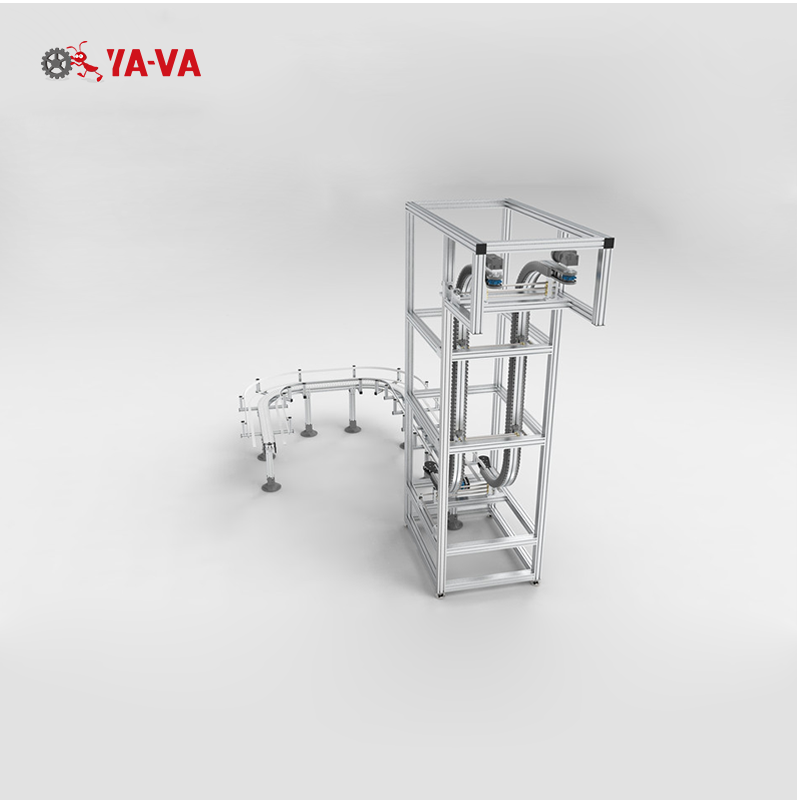
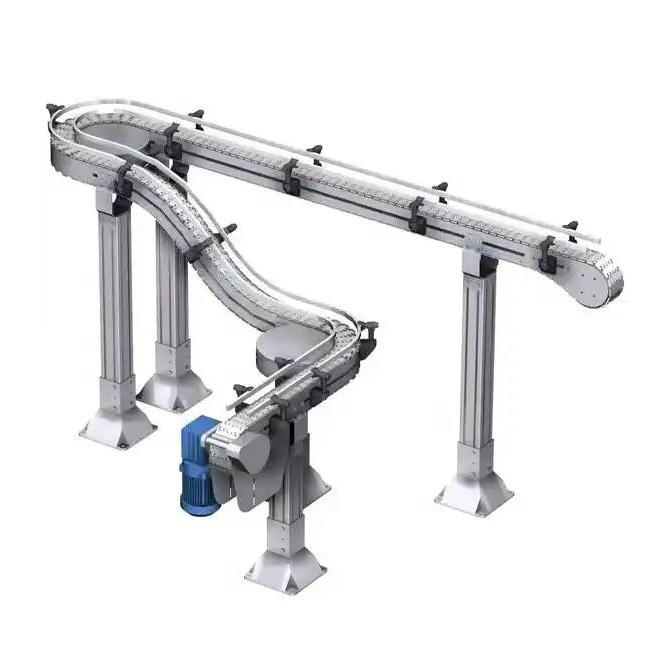
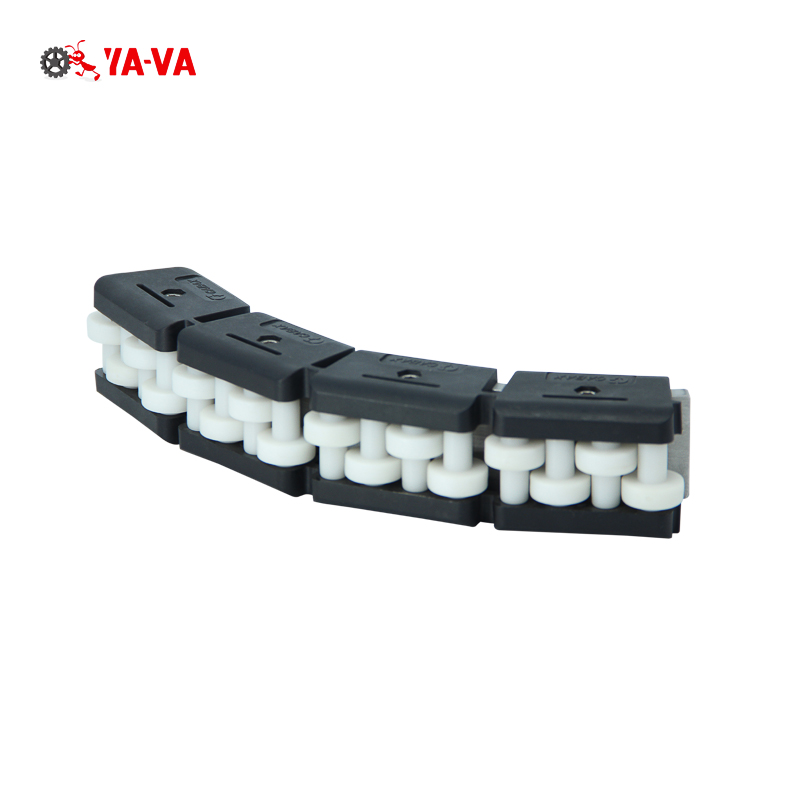
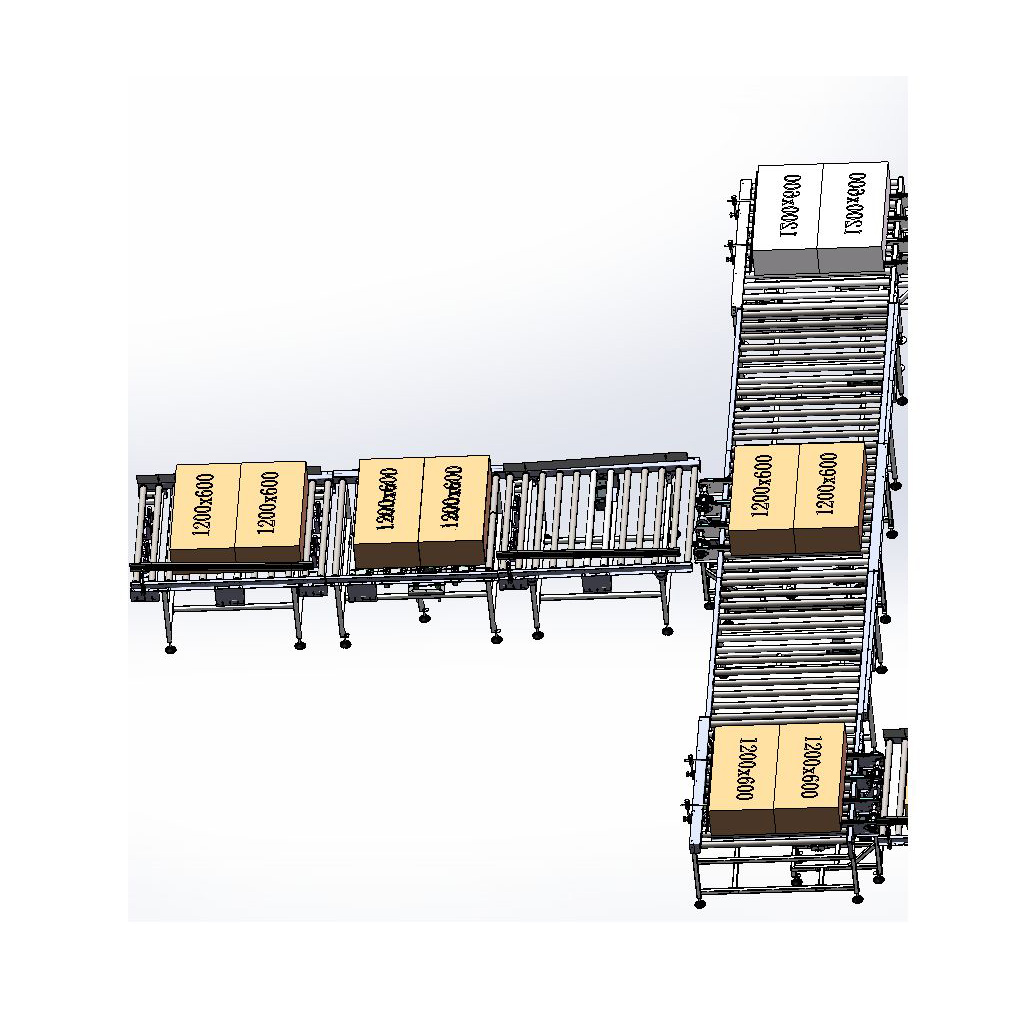
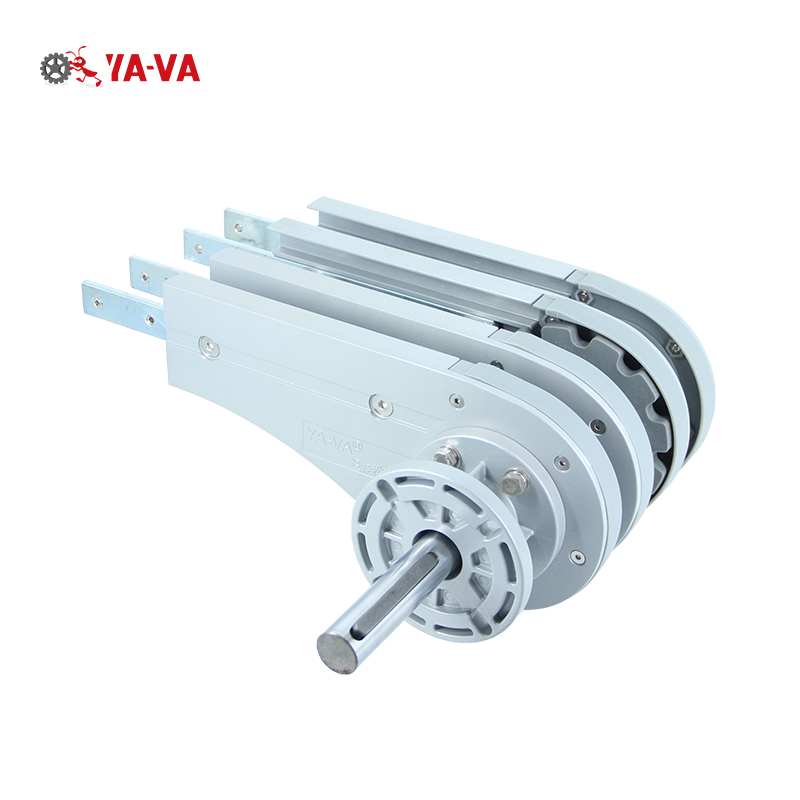
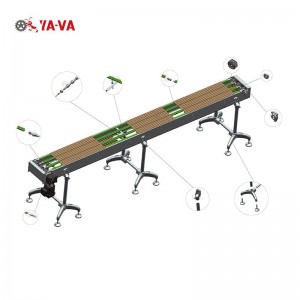
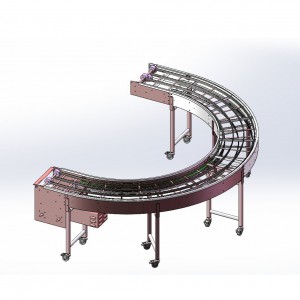
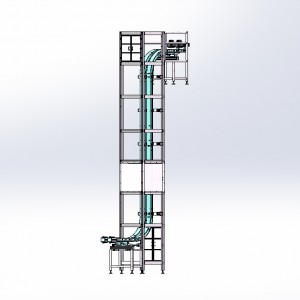
Flexible slat chain conveyor product lines cover a wide range of applications. These multiflexing conveyor systems use plastic chains in many configurations, providing versatile routing, tight curves, and vertical elevation changes to optimize floor space in crowded automotive plants.
Featured Conveyor Systems
Over 20 years focusing on transportation machinery R&D development and manufacturing. Shaping the future scale and brand of the conveying industry.


Material Science behind High-Performance Conveyor Components
The success of plastic conveyor parts in the automotive industry is rooted in advanced polymer chemistry. Different automotive environments require different chemical formulations to optimize performance and longevity.
Acetal (POM) - The Workhorse of Conveyor Chains
Polyacetal (POM), commonly known as Acetal, is the primary material used for plastic modular belts and conveyor chains. It exhibits high mechanical strength, stiffness, and excellent dimensional stability. Acetal has a very low coefficient of friction and superior wear resistance, making it ideal for high-speed, high-load applications. Its natural lubricity reduces the need for external grease, which is critical for maintaining clean automotive environments.
Polyamide (PA / Nylon) - For High Impact and Wear Resistance
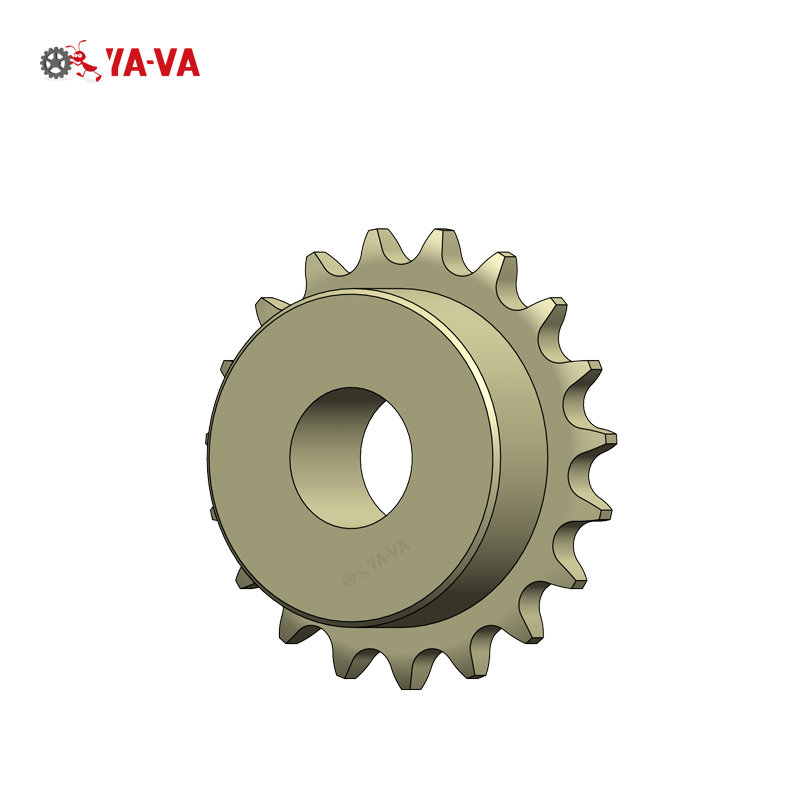
Nylon is widely used for wear strips, guide rails, and sprockets. It has outstanding resistance to abrasion and impact, allowing it to withstand the constant pounding of heavy components like engine blocks or transmission cases. When reinforced with glass fibers or solid lubricants, polyamide parts can perform reliably under extreme mechanical loads.
Polypropylene (PP) - Chemically Inert and Lightweight
Polypropylene is highly resistant to chemical attack, making it the material of choice for the automotive paint shop and pre-treatment areas. It is lighter than Acetal, which reduces the overall weight of the conveyor system. While it has lower mechanical strength than POM, its chemical resistance and thermal tolerance make it indispensable for liquid dipping and washing processes.
Polyethylene (PE / UHMW-PE) - Ultimate Sliding Properties
Ultra-High-Molecular-Weight Polyethylene (UHMW-PE) is used extensively for guide rails, wear strips, and curved tracks. It has the lowest coefficient of friction among all engineering plastics, coupled with excellent impact strength and zero moisture absorption. UHMW-PE ensures that conveyor chains slide smoothly around corners, reducing chain tension, motor load, and wear.
Future Trends in Automotive Conveying Technology
As automotive factories transition to Industry 4.0, conveyor systems are becoming smarter and more integrated. The future of plastic conveyor parts lies in the integration of smart technologies and sustainable materials.
Smart Conveyor Parts and Predictive Maintenance
Modern smart factories utilize sensors embedded within plastic conveyor rollers and wear strips to monitor temperature, friction levels, and belt wear in real time. This data is transmitted to central control systems, allowing automotive manufacturers to predict failures before they happen. Predictive maintenance prevents unplanned downtime, which can cost automotive plants tens of thousands of dollars per minute.
Furthermore, sustainability is a major goal for global automakers. In response, manufacturers are developing conveyor chains made from bio-based or recycled plastics that offer the same mechanical properties as virgin resins. By adopting these eco-friendly components, automotive manufacturers can reduce their Scope 3 carbon emissions without sacrificing the performance or reliability of their assembly lines.
News and Information
Stay updated with the latest news, exhibition announcements, and technical insights from YA-VA.
YA VA Looks Forward to Welcoming You in June 2026
We are preparing to showcase our latest intelligent conveyor components and systems at the upcoming international trade fairs in 2026. Stay tuned for details...

YA-VA Thailand Bangkok PROPAC
YA-VA Thailand Bangkok PROPACK exhibition concluded successfully. We would like to express our sincere gratitude to all our valued customers for visiting our booth. BOOTH NO:AY38...
What is the difference between chain and belt conveyor?
Chain conveyors and belt conveyors are both used for material handling, but they differ in design, function, and applications. Chain conveyors use links to pull parts directly...
Our Partners
We collaborate with leading automotive and industrial automation brands worldwide to deliver robust conveying solutions.






Get In Touch With Us
For inquiries about our products or pricelist, please leave your contact info and we will be in touch within 24 hours.
Subscribe / Contact UsAll Conveyor System Components
Explore our complete range of high-strength plastic parts, chains, guides, and rollers engineered for automotive applications.