- No.1068, Nanwan Rd, Kunshan city 215341, Jiangsu Province, P. R. China
- info@ya-va.com
- +86 18017127502
Key Conveying Solutions for Beverage Lines
Explore our top-performing plastic conveyor systems and parts designed to optimize speed, stability, and hygiene in beverage plants.
The Evolution and Status of Plastic Conveyor Parts in the Beverage Industry
In the fast-paced world of beverage manufacturing, efficiency, hygiene, and reliability are the cornerstones of successful production. From carbonated soft drinks, craft beers, and mineral waters to dairy products, juices, and spirits, the beverage industry operates under some of the most demanding conditions in the industrial sector. High-speed operations, continuous wet environments, frequent washdowns with harsh chemicals, and the need for gentle product handling present unique challenges to conveying systems. At the heart of these systems are plastic conveyor parts—critical components that dictate the throughput, safety, and longevity of the entire production line.
Historically, beverage conveying lines relied heavily on stainless steel and metal components. While strong, metal parts brought significant disadvantages: high friction, the necessity for external lubrication (which risks product contamination), high noise levels, and susceptibility to corrosion from acidic beverages or cleaning agents. The introduction of advanced engineering plastics has revolutionized the beverage packaging and processing landscape. Today, modern bottling and canning lines are dominated by high-performance plastic flat top chains, modular belts, guide rails, wear strips, and specialized handling components. These plastic parts are engineered to minimize friction, eliminate the need for wet lubricants, reduce energy consumption, and withstand rigorous Clean-in-Place (CIP) sanitation protocols.
Industry Insight: Modern beverage lines run at speeds of up to 60,000 to 80,000 bottles per hour. At these extreme velocities, even minor friction variances can lead to bottle instability, line jams, and costly downtime. Utilizing specialized low-friction polymers is no longer optional—it is a critical requirement for high-speed line efficiency.
Key Engineering Polymers Used in Beverage Conveying
Not all plastics are created equal. The beverage industry requires specific engineering polymers tailored to distinct environmental conditions:
- Polyacetal (POM): Known for its high mechanical strength, low coefficient of friction, and excellent wear resistance. It is the standard material for flat top chains and modular belts handling glass and PET bottles.
- Polypropylene (PP): Offers outstanding chemical resistance to acids and bases, making it ideal for packaging lines that undergo frequent washdowns. It is also widely used in warmers and pasteurizers where moderate heat resistance is required.
- Ultra-High-Molecular-Weight Polyethylene (UHMW-PE): Renowned for its extreme wear resistance and self-lubricating properties. It is the material of choice for guide rails, wear strips, and curved tracks, ensuring smooth sliding surfaces for chains and belts.
- Polyamide (PA / Nylon): Provides high strength and toughness, often used for sprockets, support brackets, and leveling feet where structural integrity under load is crucial.
Our Strength
We are an independent company that has developed, produces and also maintains the conveyor system to ensure that our customers receive the most cost effective solutions available today.




Deep Dive: Critical Application Scenarios in Beverage Production
To fully understand the importance of choosing the correct plastic conveyor parts, we must analyze the specific demands of different stages in the beverage production process. Each stage presents unique challenges regarding temperature, moisture, load, and sanitation.
1. High-Speed Bottling Lines (PET & Glass Bottles)
The primary challenge in bottling lines is maintaining product stability at high speeds. Empty PET bottles are extremely light and have a high center of gravity, making them prone to tipping. Glass bottles, while heavier, can break upon impact, causing dangerous line blockages and safety hazards.
Slat and Flat Top Chains: Precision-molded plastic flat top chains provide an ultra-smooth, continuous conveying surface. This minimizes vibration and ensures that bottles remain upright even during sudden starts and stops. Side-flexing chains allow the conveyor to navigate tight curves without transferring lateral forces to the bottles.
Pressureless Combiners: In areas where multiple lanes of bottles must merge into a single file for filling or labeling, pressureless combiners are utilized. These systems use multiple parallel lanes of plastic chains running at progressively faster speeds to smoothly guide the bottles. Low-friction plastic materials allow the bottles to slide against each other without scuffing, scratching, or creating high line pressure.
2. Canning Lines (Aluminum Cans)
Aluminum cans are highly susceptible to scratching and denting, particularly before they are filled and sealed.
Modular Belts for Tunnel Pasteurizers: In tunnel pasteurizers, filled cans travel slowly through zones of hot water spray. The conveyor belt must withstand high humidity and temperatures up to 80°C while maintaining dimensional stability. Polypropylene and specialized acetal modular belts are ideal here, as they resist heat and allow water to drain freely through open-grid designs.
Magnetic Conveyors: In canning lines, magnetic plastic chains are frequently used to stabilize steel or tinplate cans during vertical transport or inversion, preventing slippage and damage.
3. Carton, Pack, and Case Conveying
Once beverages are bottled or canned, they are grouped into multi-packs, shrink-wrapped, or packed into cardboard cartons.
Heavy-Duty Modular Belts: The weight of these packs requires high-strength plastic modular belts that can handle heavy loads while maintaining low friction. These belts allow for easy integration of transfers, 90-degree turns, and sorting mechanisms.
Spiral Conveyors: For continuous vertical transfer of packed cartons or crates, vertical spiral conveyors utilizing high-tensile plastic chains provide a compact, space-saving solution. The low-friction characteristics of the plastic chain reduce the motor power required to drive the spiral, leading to energy savings.

About Us
YA-VA is a leading high-tech company providing intelligent conveyor solutions.
Our comprehensive organization consists of the Conveyor Components Business Unit, Conveyor Systems Business Unit, Overseas Business Unit (Shanghai Daoqin International Trading Co., Ltd.), and the YA-VA Foshan Factory.
For more than 20 years, we have focused on transportation machinery R&D development and manufacturing. In the future, we aim to grow even stronger and bigger in industry scale and brand reputation, providing cutting-edge, cost-effective solutions for clients worldwide.
Read MoreFeatured Conveyor Systems for Beverage Lines
More than 20 years focusing on transportation machinery R&D development and manufacturing. In the future, we are committed to building stronger and larger industry scales and brands.

YA-VA Straight Modular Belt Conveyor for Beverage Lines
View Details
Plastic Roller Curved Conveyor for Beverage Cans
View Details
Chain Driven Curved Roller Conveyor for Beverage Crates
View Details
New Flexible Gripper Conveyors for Bottles
View Details
Gravity Roller Spiral Conveyor for Beverage Cases
View Details
Stainless Steel Conveyors for Beverage Processing
View Details
Plastic Curve Chain Flat Top Conveyor for Bottling Lines
View Details
Straight and Curved Modular Belt Conveyor for Pack Handling
View Details
Elevating Lowering and Orientation Gripper Conveyor for Bottles
View DetailsKey Technological Trends in Plastic Conveyor Parts
The beverage conveying sector is undergoing a technological evolution driven by automation, sustainability, and digitalization. To maintain competitiveness, manufacturers must adopt these emerging trends.
1. Dry-Running (Lubricant-Free) Conveying
Traditionally, soap and water mixtures or synthetic lubricants were sprayed onto conveyor lines to reduce friction between plastic chains and wear strips. However, wet lubrication creates several problems: high water consumption, slippery and unsafe working floors, high wastewater treatment costs, and a breeding ground for bacteria.
The industry is rapidly moving toward "dry-running" lines. This is achieved by using next-generation self-lubricating plastics. By embedding lubricating agents (such as solid lubricants or specialized oils) directly into the polymer matrix of the flat top chains and wear strips, manufacturers can operate lines completely dry. This drastically reduces water usage, improves hygiene, and lowers operating costs.
2. Intelligent and AI-Enabled Conveying
As factories transition to Industry 4.0, conveyor systems are becoming smarter. Sensors embedded in plastic conveyor components can monitor temperature, chain tension, wear rates, and line pressure in real-time. AI algorithms analyze this data to predict maintenance needs before a failure occurs, moving from reactive maintenance to predictive maintenance.
3. Sustainable and Eco-Friendly Materials
Environmental sustainability is a top priority for global beverage brands. Conveyor component manufacturers are responding by developing eco-friendly plastics. This includes utilizing recycled ocean plastics or bio-based polymers for non-critical conveyor wear components, as well as designing parts that are 100% recyclable at the end of their operational life.
4. Noise Reduction
High-speed bottling halls can be extremely noisy, posing health risks to workers. Metal-on-metal or even poorly designed plastic-on-metal interfaces generate significant high-frequency noise. Modern plastic conveyor chains are designed with optimized tooth profiles and noise-dampening geometries to ensure quiet operation, creating a safer and more pleasant factory environment.
CHAIN CONVEYORS
Flexible slat chain conveyor products lines cover a wide range of applications. These multiflexing conveyor systems use plastic chains in many configurations. The design allows for horizontal as well as vertical changes in direction, making them extremely versatile for complex beverage layouts.
With our engineered plastic chains, you can achieve smooth transfers, tight radius turns, and reliable elevation changes. This ensures that even the most delicate beverage containers are transported safely without damage or loss of throughput.
Get in Touch
News and Information
Stay updated with our latest corporate events, exhibitions, and technical insights regarding conveyor systems.
YA VA Looks Forward to Welcoming You in June 2026
Join us at the upcoming international packaging and beverage machinery exhibition. We will showcase our latest intelligent conveying technologies and dry-running plastic components.

YA-VA Thailand Bangkok PROPAC
YA-VA Thailand Bangkok PROPACK exhibition concluded successfully. We would like to express our sincere gratitude to all our valued customers for visiting our booth. Your support is the driving force behind our progress. BOOTH NO: AY38...
What is the difference between chain and belt conveyor? How many types of conveyor chains are there?
Chain conveyors and belt conveyors are both used for material handling, but they differ in design, function, and applications: 1. Basic Structure Feature Chain Conveyor Belt Conveyor Driving Mechanism...
Our Partners






Complete Range of Plastic Conveyor Parts for Beverage Industry
Browse our extensive portfolio of high-quality, food-grade plastic components designed to maximize your production efficiency.
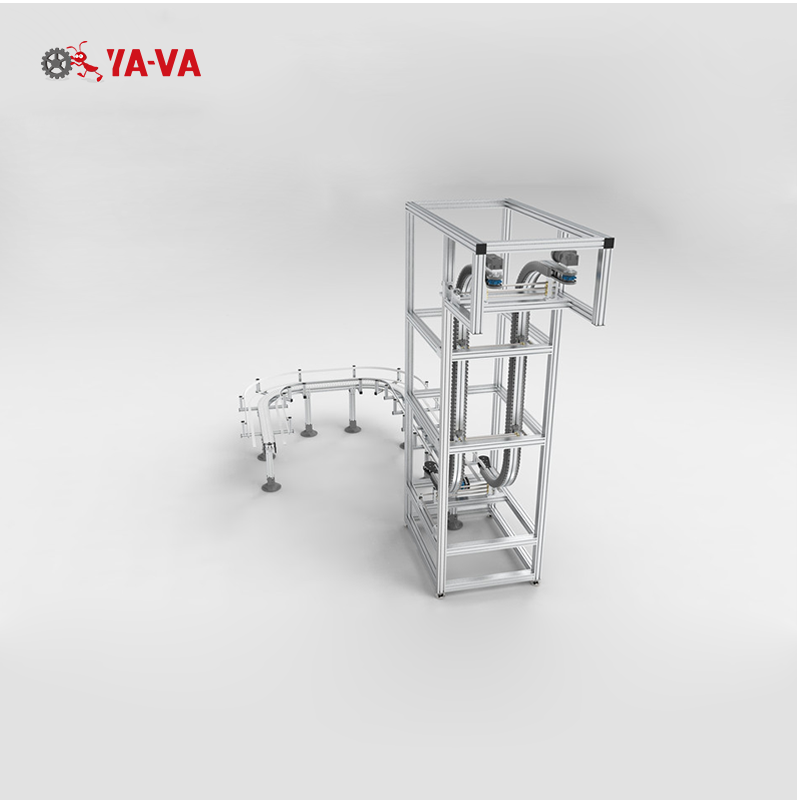
New Flexible Gripper Conveyors for Beverage Industry
Learn More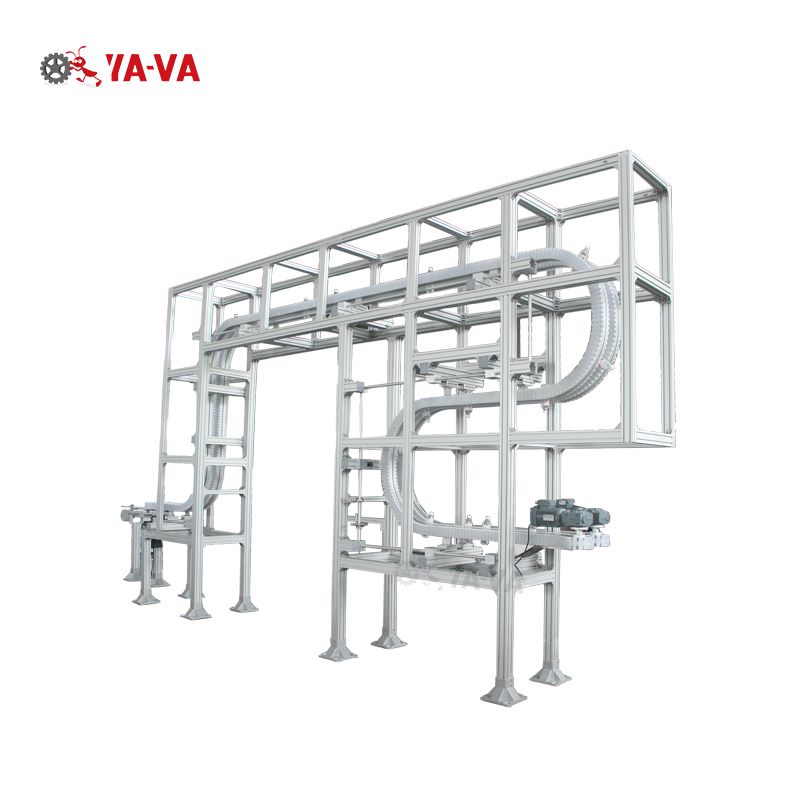
YA-VA Wedge Conveyor System - Vertical Beverage Lift
Learn More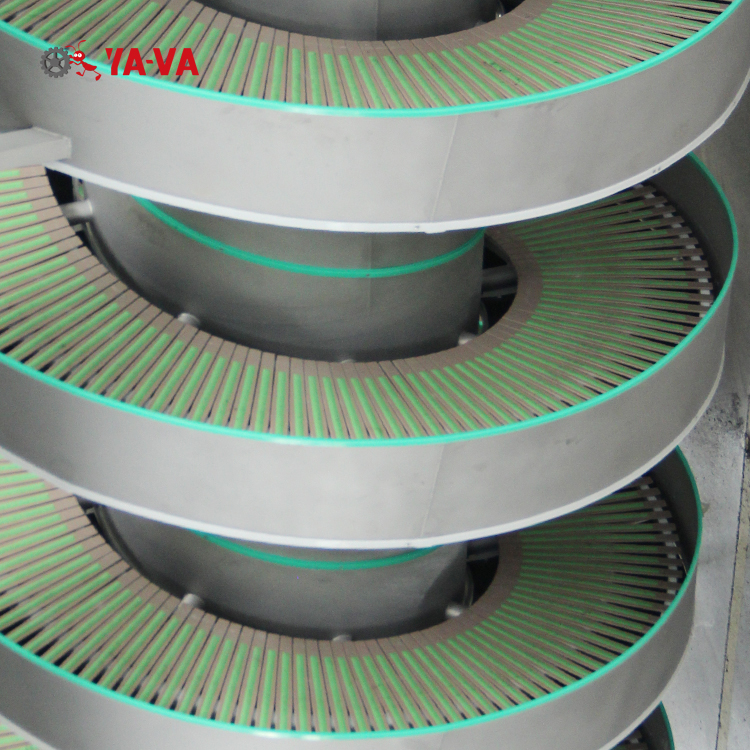
Chain Spiral Conveyor - Single Lane Beverage Elevating
Learn More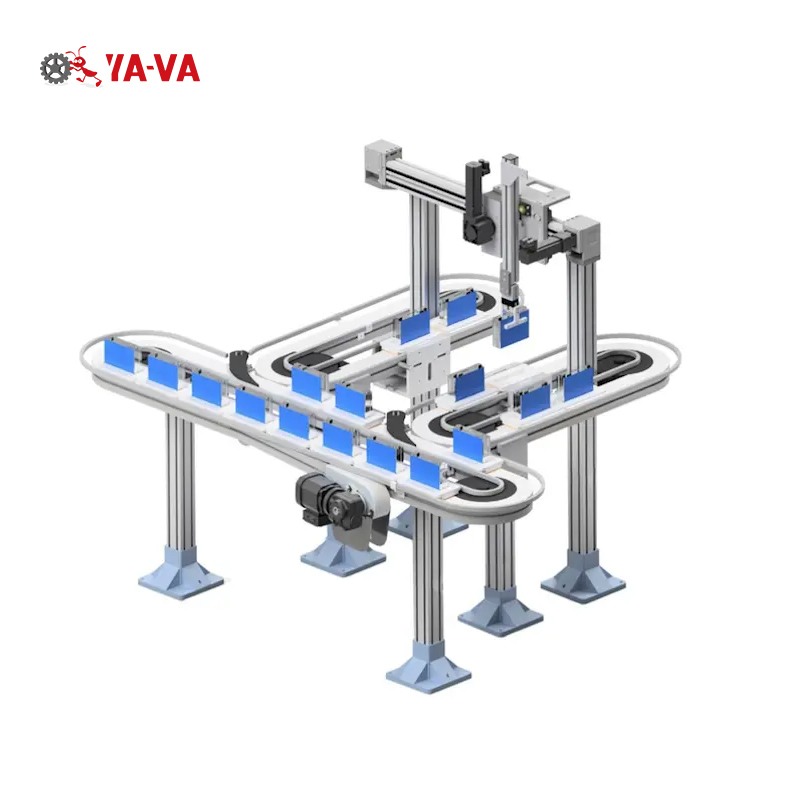
Factory Made Plastic Modular Design Beverage Industry Flexible Chain Conveyor
Learn More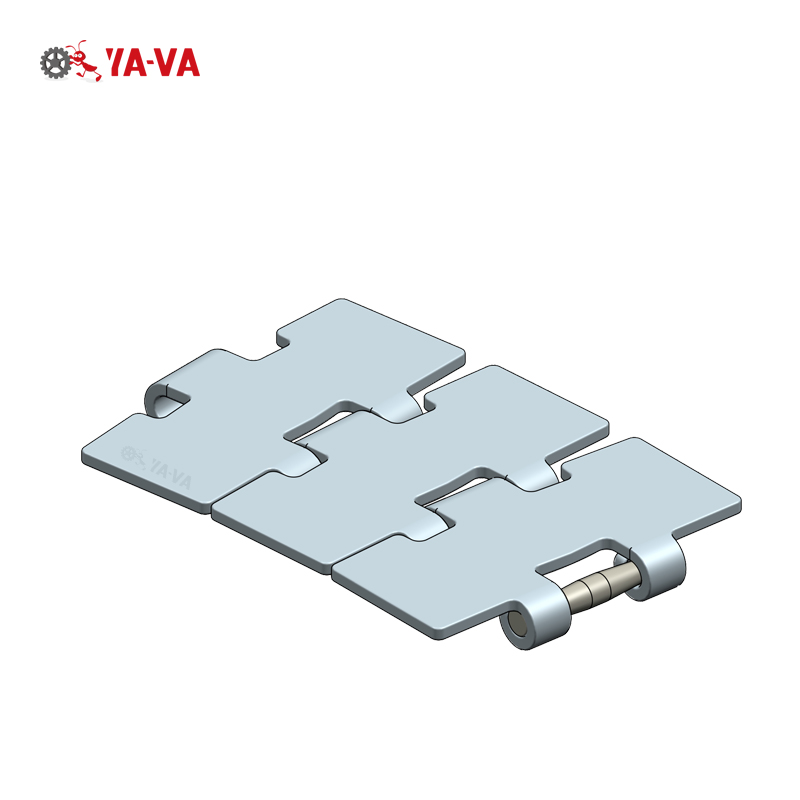
Factory Stock High Quality SC881 Flat Top Chains for Food and Beverage Industry
Learn More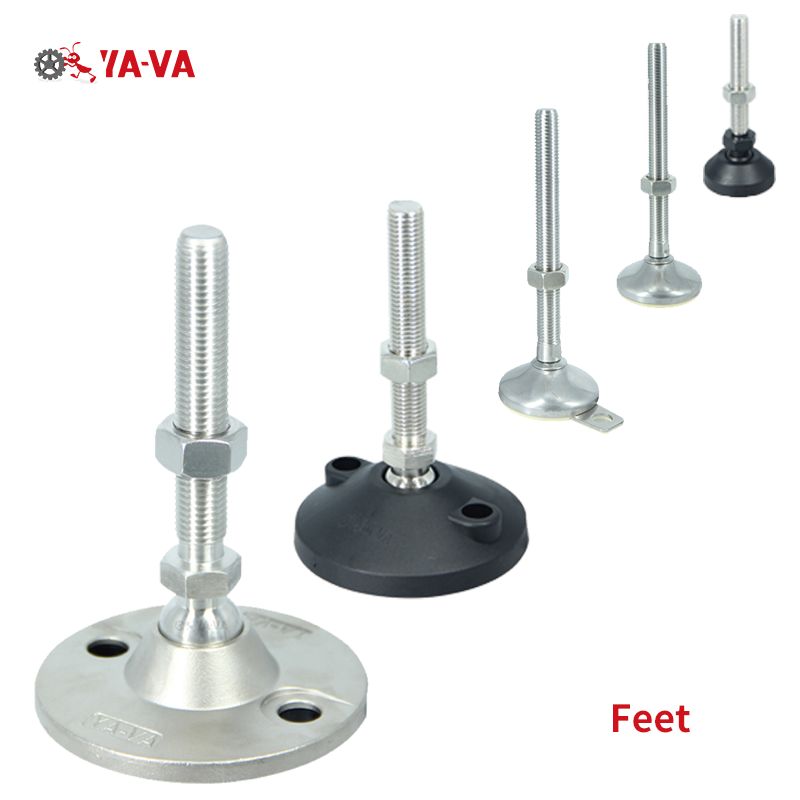
Wholesale Adjustable Leveling Feet for Beverage Equipment
Learn More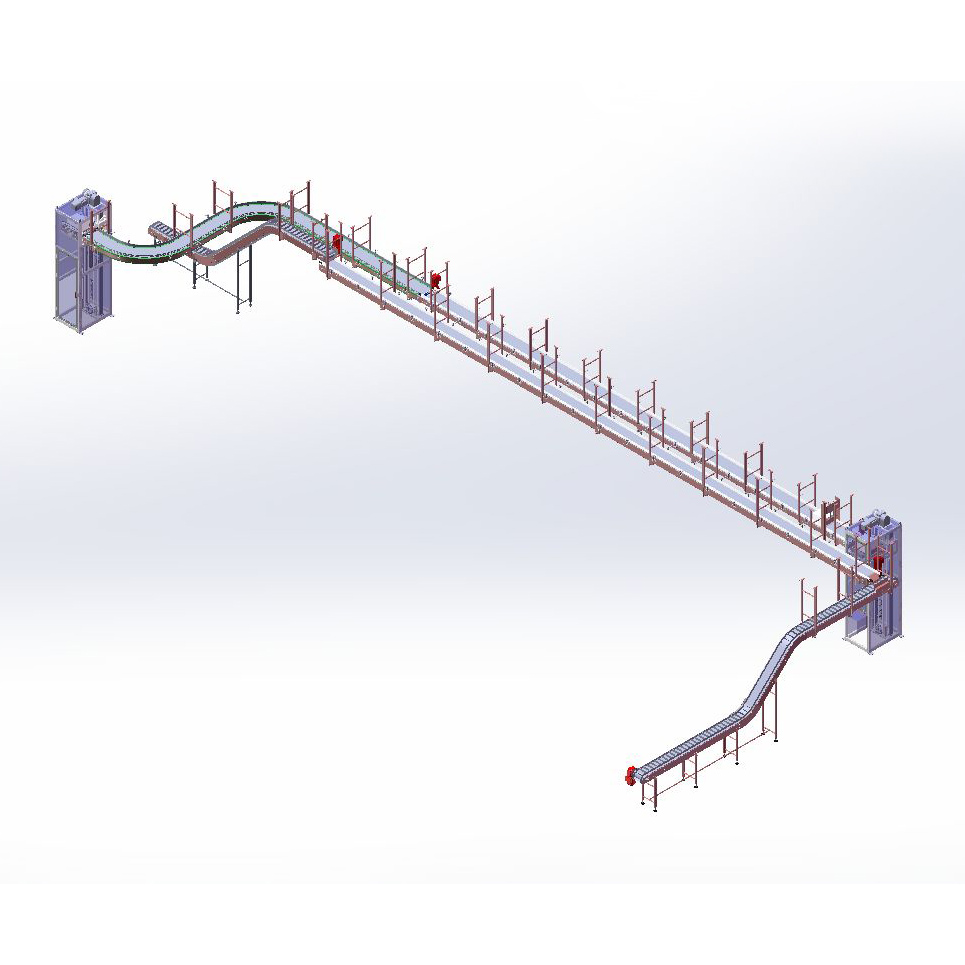
Continuous Vertical Conveyor Lift System for Beverage Cartons and Pallets
Learn More