- No.1068, Nanwan Rd, Kunshan city 215341, Jiangsu Province, P. R. China
- info@ya-va.com
- +86 18017127502
Featured Packaging Solutions
Explore our top modular conveyor belts and handling systems customized for the packaging industry.
1. Introduction: The Revolution of Packaging Automation
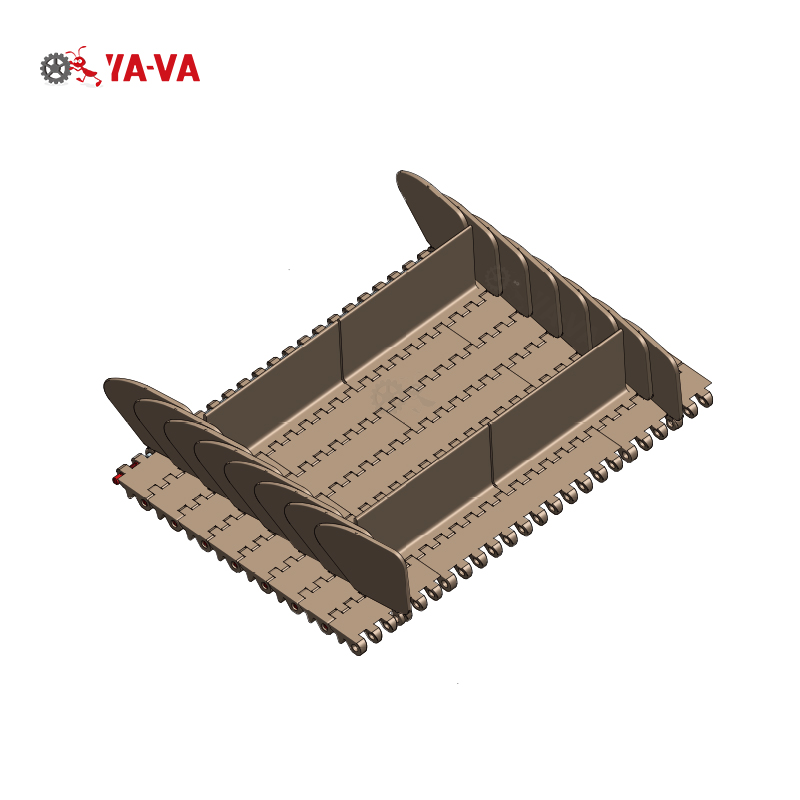
In the fast-paced world of industrial automation, the packaging sector stands as one of the most demanding environments. Modern packaging lines require high throughput, unparalleled reliability, extreme flexibility, and stringent hygiene standards. At the heart of these packaging operations lies the material handling system. Among all options, Plastic Modular Conveyors have emerged as the industry gold standard. These systems utilize interlocking plastic segments driven by sprockets, combining the best features of traditional belt conveyors and chain conveyors.
With the rise of smart manufacturing, packaging lines are transitioning from rigid, single-product layouts to highly dynamic, multi-SKU systems. Plastic modular conveyors provide the modularity needed to handle diverse packaging formats—from delicate primary pouches to heavy corrugated shipping cases. Their unique construction reduces downtime, minimizes maintenance, and ensures a smooth, continuous flow of products throughout the factory floor.
💡 Key Industrial Insight
According to recent industry research, packaging automation lines that transition from traditional PVC belts to plastic modular belts experience up to a 60% reduction in unscheduled maintenance downtime and a significant increase in overall equipment effectiveness (OEE).
2. Current Industrial Landscape & Business Dynamics
The global packaging industry is undergoing a massive transformation driven by e-commerce expansion, changing consumer preferences, and strict environmental regulations. Manufacturers are pressured to deliver products faster, in more sustainable packaging, and at lower costs. Consequently, the demand for intelligent conveying systems has surged.
Industrial plants are moving away from friction-driven flat belts due to common issues like belt slippage, mistracking, and the heavy tension required to run them. Plastic modular conveyors solve these issues through positive mechanical engagement. Because they are driven by sprockets rather than friction, they do not slip and require minimal tension, which translates to less wear and tear on motors and bearings. This shift is not just a technical upgrade; it is a strategic business decision that lowers the Total Cost of Ownership (TCO) for packaging facilities worldwide.
Furthermore, labor shortages in major manufacturing hubs have accelerated the adoption of robotic packaging, automated case packing, and high-speed palletizing. Plastic modular conveyors serve as the physical backbone connecting these automated islands, ensuring seamless transfers and precise product positioning without human intervention.
3. Deep-Dive Application Scenarios of Plastic Modular Conveyors in Packaging
3.1 Primary Packaging: Direct Product Handling & Filling
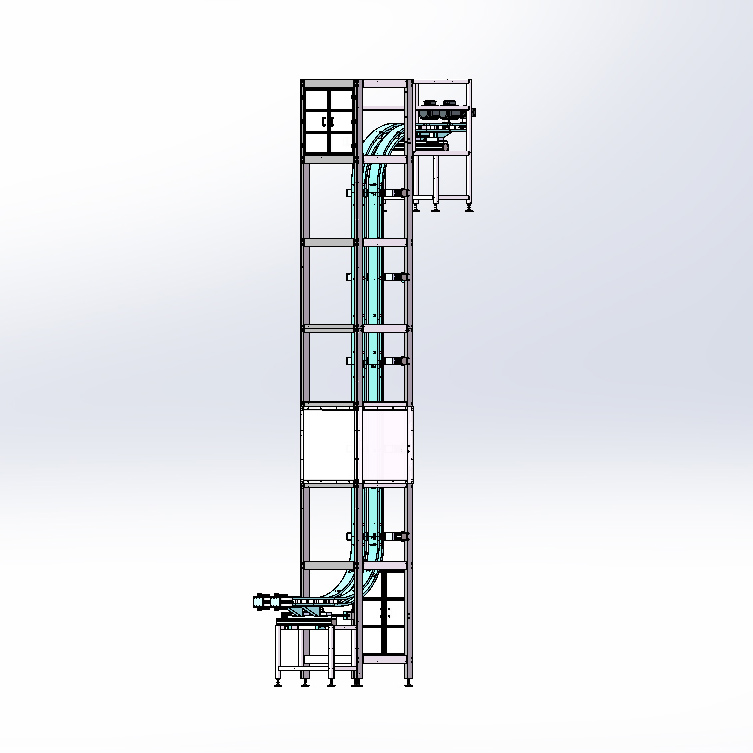
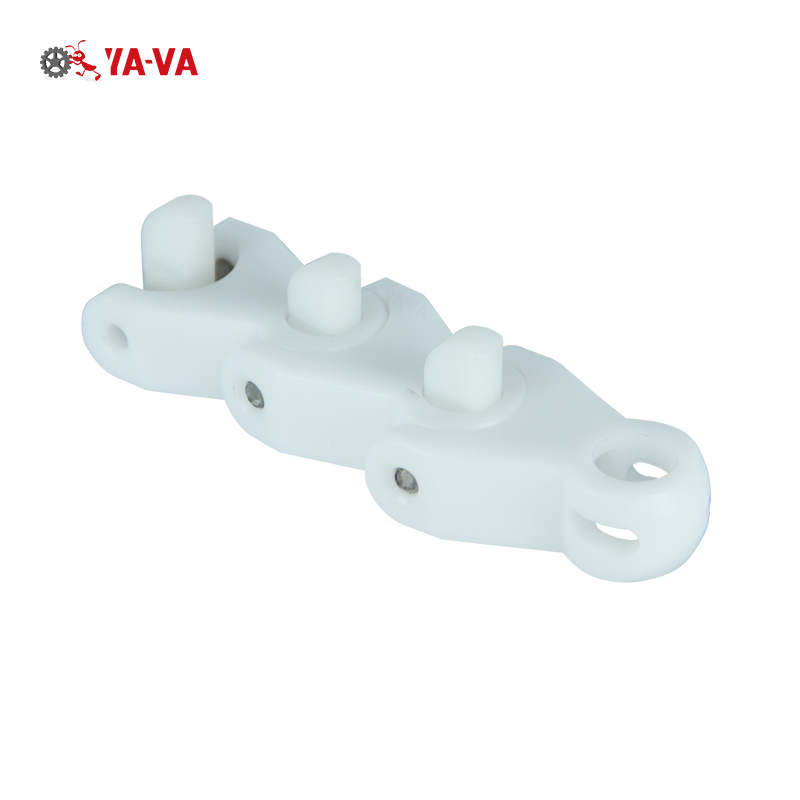
Primary packaging is the first layer of protection around a product (e.g., bottles, cans, pouches, or trays). Conveying in this zone requires high precision and hygiene. For instance, in beverage bottling lines, modular conveyors made of low-friction Polyoxymethylene (POM) are used to transport empty bottles to the filling machine. The low-friction surface prevents bottles from tipping over, while specialized gripper chains can elevate or lower bottles vertically to optimize floor space.
In food packaging, modular belts are frequently subjected to washdowns. Unlike fabric belts that absorb liquids and harbor bacteria, plastic modular belts are non-porous and easy to clean. They allow water and sanitizing agents to pass through easily, ensuring compliance with FDA and EU food safety standards.
3.2 Secondary Packaging: Cartoning, Wrapping & Shrink Tunneling
Once products are filled and sealed, they move to secondary packaging, where they are grouped into cartons, boxes, or shrink-wrapped trays. Here, conveyors must handle varying sizes and weights while maintaining precise spacing.
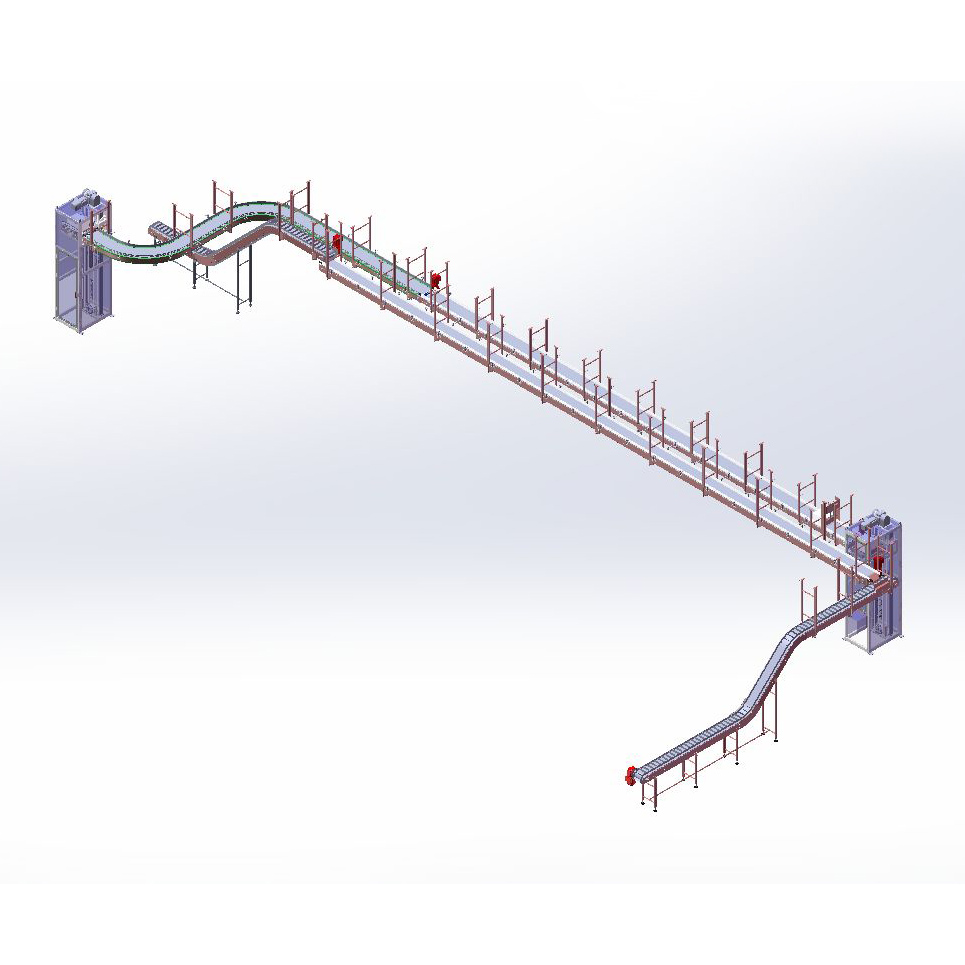
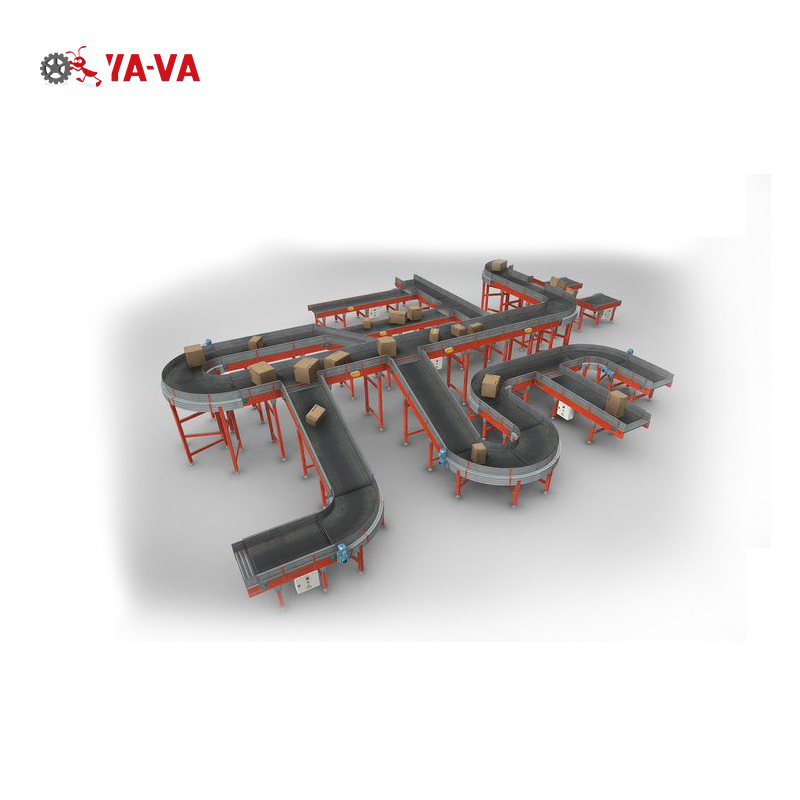
Modular belts with high-friction inserts or rubber tops are used to control the movement of cartons on inclines and declines. In shrink-wrap tunnels, heat-resistant plastic materials like Polypropylene (PP) or specialized high-temperature composites are used to withstand the ambient heat of the tunnel while carrying wrapped products smoothly. The ability to integrate curves, merges, and diverters into a single modular system makes it easy to route boxes to different cartoning stations.
3.3 Tertiary Packaging: Case Packing, Palletizing & Logistics
Tertiary packaging involves preparing bulk products for transport and shipping. Heavy loads, such as fully packed corrugated boxes and loaded pallets, are common in this stage.
Heavy-duty plastic modular conveyors replace traditional roller conveyors in this zone. Roller conveyors often suffer from "roller hesitation" or can damage the bottom of soft cardboard boxes. Modular belts provide a continuous, flat carrying surface that distributes the load evenly. This prevents box damage, reduces noise levels in the warehouse, and facilitates smooth transfers to robotic palletizing cells.
3.4 Space-Saving Accumulation & Buffer Systems
One of the greatest challenges in packaging lines is handling machine stoppages. If a labeling machine stops for a label roll change, the upstream filling machine should not have to stop. Accumulation tables and buffer systems solve this by temporarily storing products.
Plastic modular conveyors excel in accumulation applications. Low-back-pressure (LBP) modular belts feature integrated free-moving rollers on the belt surface. When products accumulate and block each other, the rollers spin underneath them, preventing product damage, reducing line pressure, and allowing the conveyor belt to keep running smoothly underneath the stationary products.
4. Material Science: POM, PP, and PE Options
The performance of a modular conveyor is heavily dependent on the plastic material selected. Engineers select materials based on temperature, chemical exposure, load requirements, and friction coefficients:
- Polyoxymethylene (POM / Acetal): Known for its high mechanical strength, stiffness, and low coefficient of friction. POM is the most popular material for packaging lines, especially for high-speed bottle conveying and heavy carton transport. It has excellent wear resistance but is sensitive to strong acids.
- Polypropylene (PP): Offers excellent chemical resistance to acids, bases, and organic solvents. It is lighter than POM and can withstand higher temperatures, making it ideal for hot-fill applications and shrink tunnels. However, it has lower impact strength at very low temperatures.
- Polyethylene (PE): Highly flexible and possesses outstanding impact resistance, even at temperatures as low as -70°C. This makes PE the material of choice for frozen food packaging lines and cold-storage logistics.
5. Key Technological Trends Shaping the Future
5.1 Smart Conveying & IoT Integration
The integration of the Internet of Things (IoT) is turning simple mechanical conveyors into smart transport networks. Modern modular conveyor systems are equipped with sensors that monitor belt speed, motor temperature, and belt tension in real-time. By analyzing this data, maintenance teams can predict when a sprocket or belt module is nearing the end of its lifespan and schedule maintenance before a breakdown occurs, moving closer to zero-downtime operations.
5.2 Eco-Friendly Materials and Energy Efficiency
Sustainability is a major driver in modern packaging. Conveyor manufacturers are now developing modular belts using bio-based plastics or recycled ocean plastics to reduce the carbon footprint of manufacturing facilities. Additionally, the low-friction properties of modern POM materials allow factories to run conveyors with smaller, energy-efficient motors, reducing overall electricity consumption.
5.3 High-Speed Sorting and Diverting
With the rise of customized packaging and smaller batch sizes, conveyors must sort products on the fly. Multi-directional modular belts (often featuring omnidirectional balls embedded in the modules) allow packages to be transferred, rotated, or sorted at high speeds without the need for mechanical pusher arms. This reduces product impact, increases sorting speed, and allows for highly flexible routing.
6. YA-VA's Commitment to Packaging Excellence
As a premier high-tech enterprise, YA-VA has been at the forefront of designing, manufacturing, and servicing intelligent conveyor systems for over two decades. Our comprehensive offerings span across conveyor components, complete conveying systems, and dedicated global support.
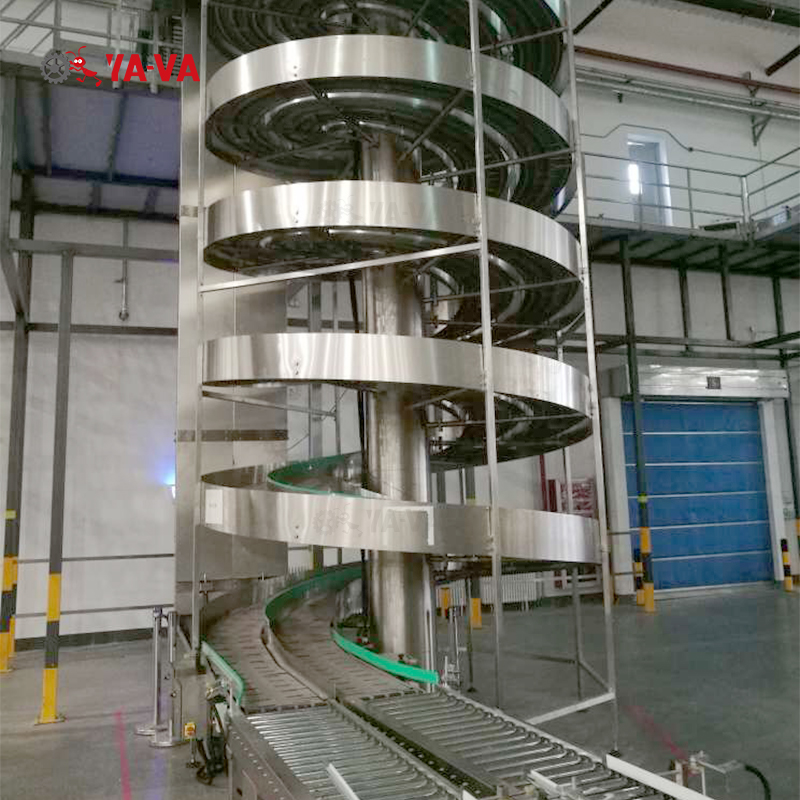
By leveraging advanced engineering practices and material sciences, we help packaging companies optimize their workflows, reduce maintenance overheads, and achieve higher throughput. Whether you require a simple straight run, a complex spiral elevator, or a customized bottle gripper system, YA-VA delivers robust, cost-effective solutions designed to meet the rigorous demands of today's packaging industry.
Our Strength & Capabilities
Why packaging facilities worldwide trust YA-VA for their material handling needs.





About YA-VA
YA-VA is a leading high-tech company providing intelligent conveyor solutions. We design, produce, and maintain advanced conveyor systems to ensure that our customers receive the most cost-effective and reliable solutions available today.
Our operations consist of the Conveyor Components Business Unit, Conveyor Systems Business Unit, Overseas Business Unit (Shanghai Daoqin International Trading Co., Ltd.), and the YA-VA Foshan Factory.
With over 20 years of research and development experience, we focus on driving innovation in transportation machinery, aiming to expand our scale and brand presence globally.
Read MoreSpecialized Chain Conveyor Systems
Explore our flexible slat chain conveyor lines designed for diverse industrial configurations.

Chain Conveyor Systems
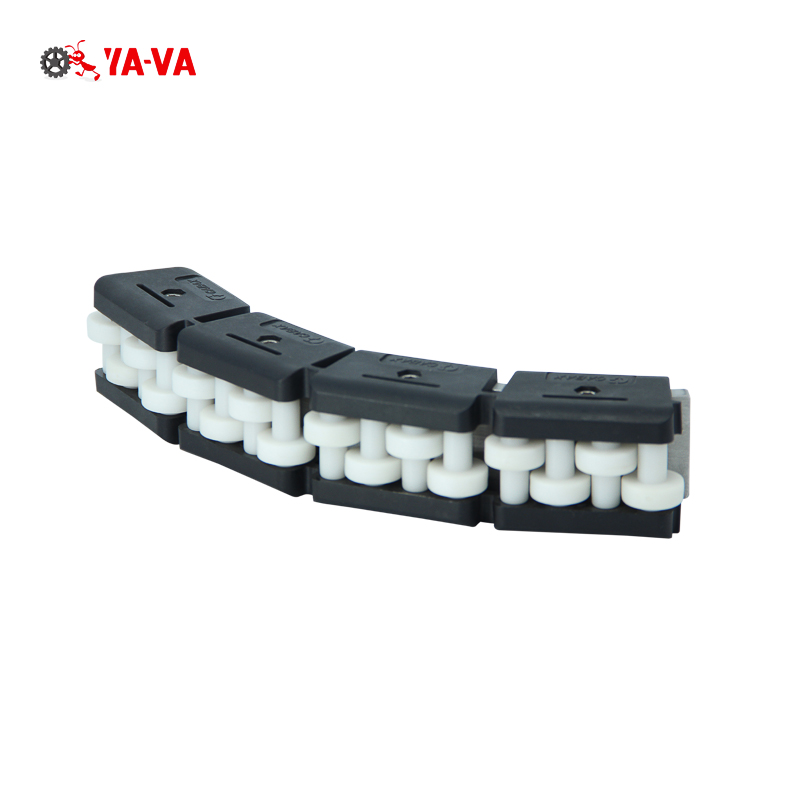
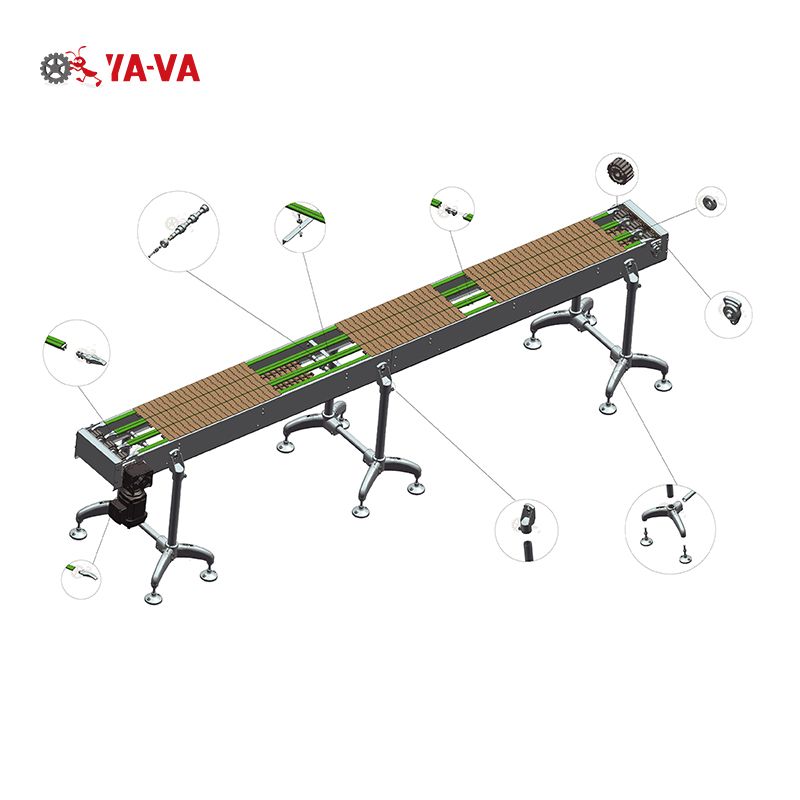
Flexible slat chain conveyor product lines cover a wide range of applications. These multiflexing conveyor systems use plastic chains in many configurations to handle diverse layouts, curves, and elevation changes seamlessly.
Get in touchInnovation in Motion
More than 20 years focusing on transportation machinery R&D development and manufacturing. In the future, we aim to grow stronger and bigger in the industry scale and brand, offering highly customized automated systems that reduce energy consumption and maximize throughput.


News & Information
Stay updated with our latest exhibition schedules, technical guides, and company news.
YA VA Looks Forward to Welcoming You in June 2026
Join us as we showcase our next-generation smart conveying systems, high-speed sorting technologies, and eco-friendly modular belts at the upcoming international packaging exhibition.

YA-VA Thailand Bangkok PROPAC
The exhibition concluded successfully. We express our sincere gratitude to all customers for visiting our booth. Your support is the driving force behind our progress. BOOTH NO: AY38.
Difference Between Chain and Belt Conveyor
Chain conveyors and belt conveyors are both used for material handling, but they differ in design, function, and applications. Learn which is best for your packaging line configuration.
Full Range of Modular Conveyor Components
Explore our comprehensive product catalog for automated packaging solutions.
Our Cooperative Partners
Trusted by industry leaders around the globe.