- No.1068, Nanwan Rd, Kunshan city 215341, Jiangsu Province, P. R. China
- info@ya-va.com
- +86 18017127502
Featured Vertical & Modular Conveying Solutions
High-performance conveying systems configured specifically to optimize production flow, cooling processes, and heavy-duty transport in the tire and rubber manufacturing sector.
Industrial Status & Evolution of the Tire & Rubber Manufacturing Sector
The tire and rubber manufacturing industry operates under some of the most demanding production environments in modern industrial automation. With the global automotive sector expanding rapidly and demanding high-performance tires for electric vehicles (EVs), agricultural machinery, and commercial transport, manufacturing plants must achieve unprecedented levels of throughput, precision, and efficiency. The fabrication of tires involves a highly complex, multi-stage process—including raw material mixing, compounding, extrusion, calendering, tire building, curing, and final inspection. Each stage presents unique material handling challenges, requiring the movement of sticky raw rubber compounds, delicate green tires, and hot, heavy finished tires.
Historically, tire manufacturing facilities relied on horizontal layouts, consuming vast amounts of factory floor space. Standard horizontal transport lines, combined with long incline conveyor belts, were standard. However, as land prices rise and factories seek to optimize their existing footprints, the vertical expansion of manufacturing space has become a critical strategic trend. This shift toward verticality requires advanced vertical conveying solutions that can move heavy, sticky, or delicate products between different floor levels or high-elevation cooling zones without causing bottlenecks. Among these technologies, spiral belt conveyors have emerged as the gold standard for continuous vertical transport, offering a compact footprint, high load capacities, and gentle handling characteristics.
Key Challenges in Tire & Rubber Material Handling
To design and implement an effective conveying system in a tire plant, one must address several harsh environmental and physical factors:

Extreme Temperatures
During extrusion and curing stages, rubber components are extremely hot, requiring conveyors that withstand continuous thermal stress.

Material Tackiness
Uncured rubber is naturally sticky. Conveyors must feature non-stick surfaces to prevent compound buildup and tracking issues.

Heavy Load Support
Tires and raw rubber batches exert massive localized weight, demanding high tensile strength chains and robust steel frames.

Green Tire Protection
Uncured (green) tires are highly delicate. Any excessive pressure or impact during vertical transit can cause permanent deformation.
Deep Dive: Application Scenarios of Spiral Belt Conveyors
1. Post-Extrusion Cooling and Batch-Off Lines
Immediately after rubber compounds are extruded into continuous sheets or specific tread profiles, they are extremely hot and vulnerable to deformation. Before these profiles can be cut and sent to the tire building machines, they must undergo a controlled cooling process to stabilize their physical and chemical properties. Spiral belt conveyors are highly effective in this application. By conveying the extruded rubber along a continuous, upward or downward spiral path, factories can achieve a long travel distance for air cooling within a minimal footprint. The open-mesh design of modular plastic belts allows maximum airflow around all surfaces of the rubber, ensuring uniform cooling and eliminating thermal hotspots that could compromise tire quality.
2. Delicate Green Tire Storage & Dynamic Buffering
The green tire (the assembled, uncured tire) is highly sensitive to external mechanical forces. If a green tire is dropped, bumped, or stored incorrectly, its internal steel belts and carcass cords can shift, leading to structural defects that only appear after the curing process is complete. Spiral conveyors provide a smooth, continuous vertical path that eliminates the jarring starts, stops, and drops associated with traditional reciprocating lifts. Furthermore, spiral systems can act as dynamic buffering zones. If curing presses are temporarily offline, green tires can be slowly buffered upward onto overhead spiral loops, maintaining continuous operation of the tire building machines without requiring manual handling or floor storage.
3. Curing Press Feeding and Hot Tire Take-away
The curing press is the heart of the tire production line, where heat and pressure are applied to vulcanize the rubber and form the tread pattern. Feeding green tires to these presses and removing hot, cured tires requires precise, synchronized transport. Spiral belt conveyors facilitate the continuous flow of tires to and from elevated overhead conveyor networks that feed the curing lines. By utilizing dual-lane or reversible spirals, plants can simultaneously elevate green tires and lower hot, cured tires, maximizing vertical space efficiency. The high thermal resistance of specialized modular belt materials ensures that the spiral conveyor can handle tires fresh out of the curing press (often exceeding 150°C) without belt degradation.
4. Final Inspection, Sorting, and Automated Warehousing
After curing, every tire must undergo rigorous quality inspections, including visual checks, X-ray scanning, and uniformity testing. Tires are then sorted by size, model, and specification before being sent to the warehouse. Spiral conveyors play a crucial role in transporting finished tires from the production floor to elevated sorting platforms, scanning stations, and automated storage and retrieval systems (ASRS). The continuous, high-speed capability of spiral conveyors ensures that the inspection lines are never starved of product, eliminating bottlenecks and maximizing daily output.
Technological Trends and Future Outlook
As Industry 4.0 continues to revolutionize global manufacturing, spiral belt conveyors are evolving into highly intelligent, connected systems. The integration of advanced sensors and IoT (Internet of Things) devices allows real-time monitoring of belt tension, motor temperature, and wear rates. This data enables predictive maintenance, allowing plant managers to schedule servicing before a component fails, thus avoiding costly unplanned downtime. Furthermore, the development of eco-friendly, low-friction modular plastic materials is reducing energy consumption, aligning with the sustainability initiatives of major tire manufacturers. The future will see even greater integration between spiral conveyors, autonomous mobile robots (AMRs), and artificial intelligence to create fully optimized, self-adjusting vertical material handling ecosystems.
Our Strength
We are an independent company that has developed, produces and also maintains the conveyor system to ensure that our customers receive the most cost effective solutions available today.

About Us
YA-VA is a leading high-tech company providing intelligent conveyor solutions. And it consists of Conveyor Components Business Unit;Conveyor Systems Business Unit; Overseas Business Unit (Shanghai Daoqin International Trading Co., Ltd.) and YA-VA Foshan Factory.
Read More
Feature Products
More than 20 years focusing on transportation machinery R&D development and manufacturing. In the future, stronger and bigger in the industry scale and brand.


News and Information
Stay updated with the latest technological developments, exhibition schedules, and material handling insights from YA-VA.
YA VA Looks Forward to Welcoming You in June 2026
Join us at the next global industrial exhibition where YA-VA will showcase its latest high-performance vertical and modular conveyor designs.

YA-VA Thailand Bangkok PROPAC
YA-VA Thailand Bangkok PROPACK exhibition concluded successfully. We would like to express our sincere gratitude to all our valued customers for visiting our booth. Your support is the driving force behind our progress.
What is the difference between chain and belt conveyor? How many types of conveyor chains are there?
Chain conveyors and belt conveyors are both used for material handling, but they differ in design, function, and applications. Learn the structural features and driving mechanisms of each system.
Our Partners
Trusted by leading enterprises globally to deliver robust, intelligent conveying systems.






Comprehensive Product Range for the Tire & Rubber Industry
Explore our complete vertical and modular belt conveyor solutions designed to enhance manufacturing efficiency.
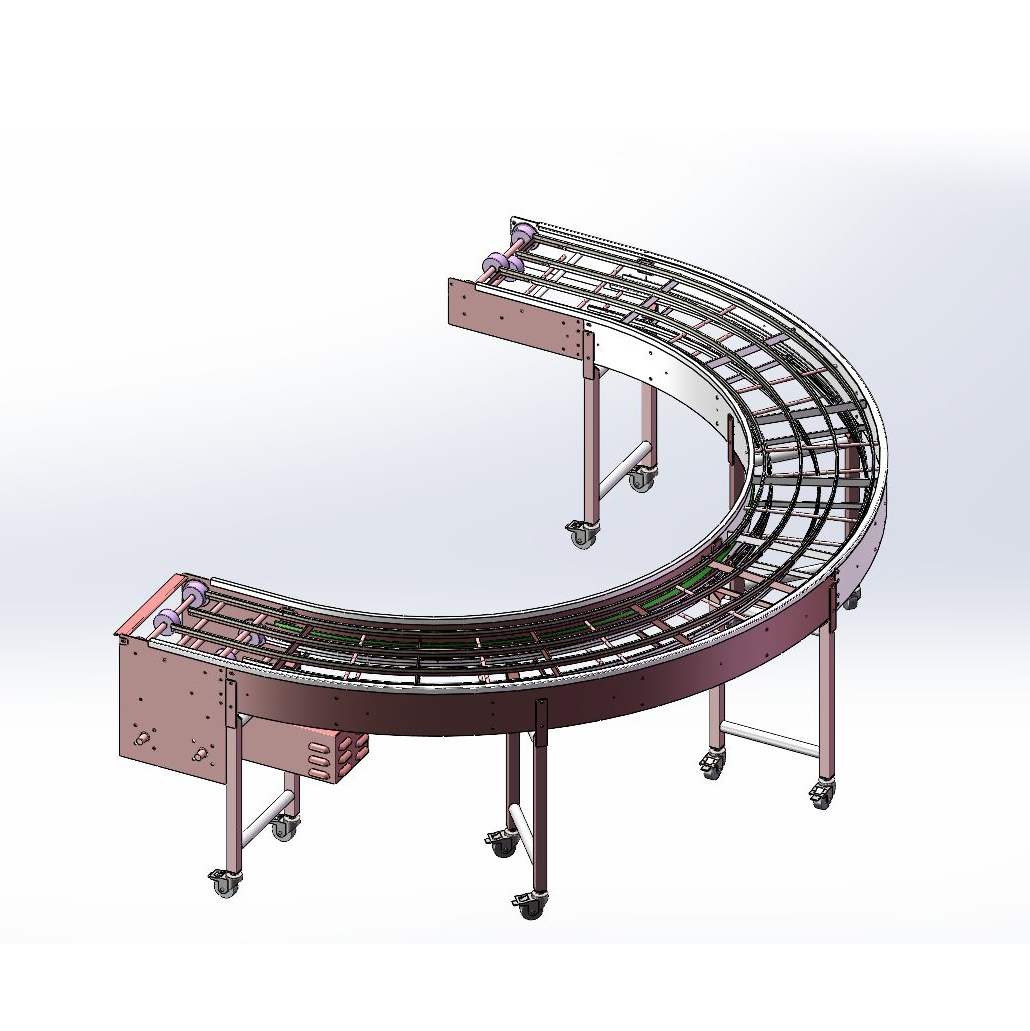
Straight and Curved Modular Belt Conveyor for Tire Cooling Lines
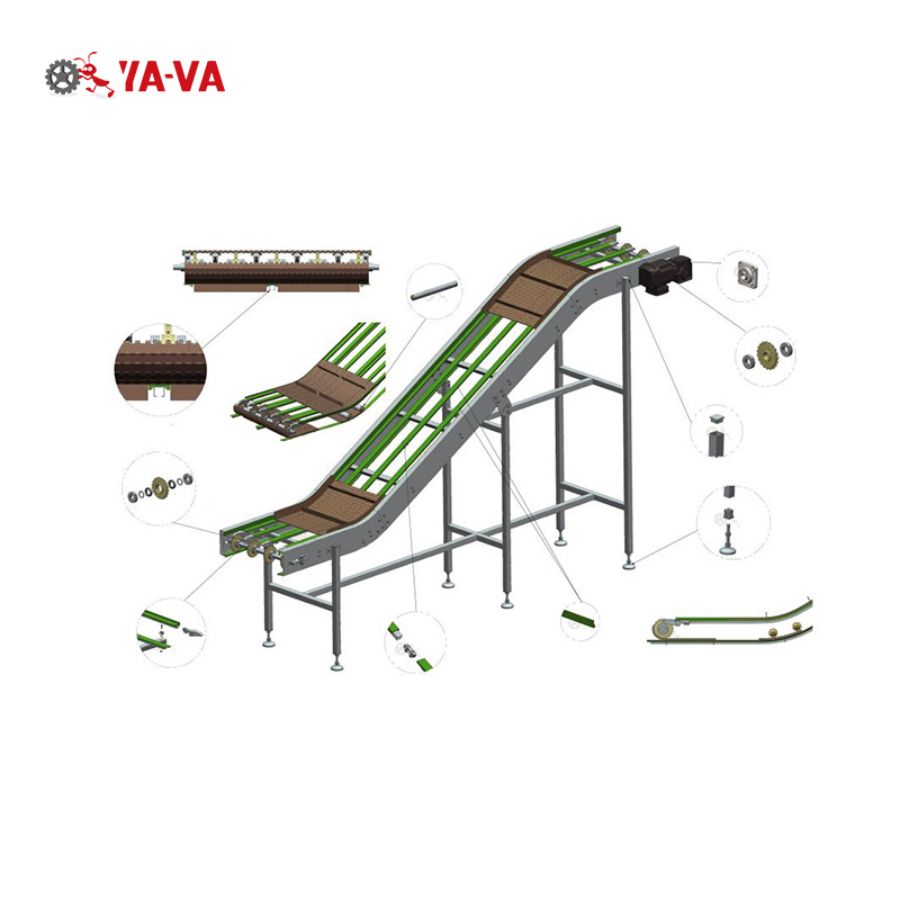
Heavy-Duty Modular Belts for Raw Rubber Compound Transport
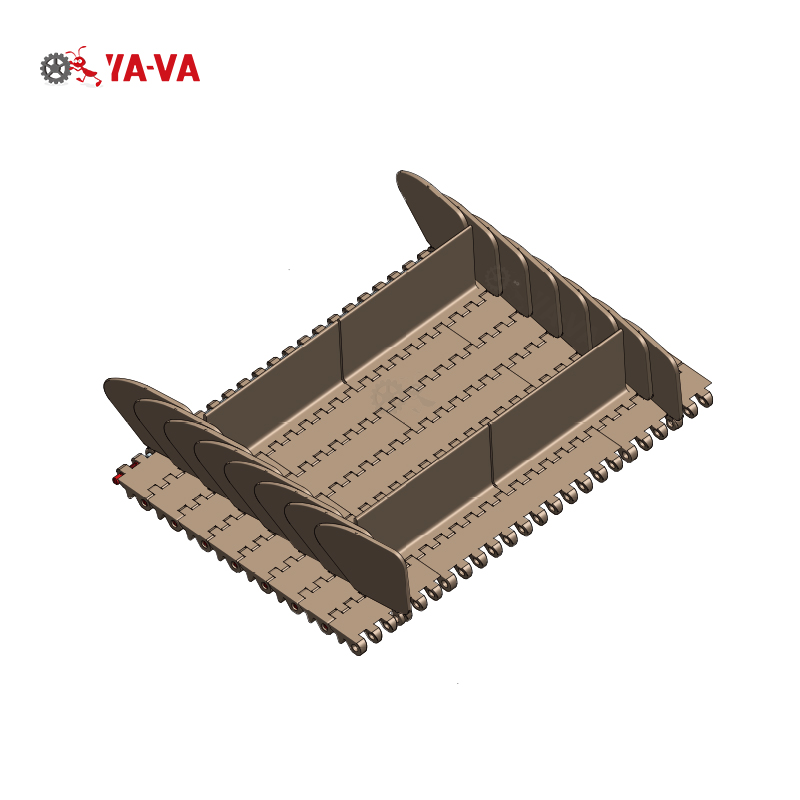
High-Incline POM Modular Conveyor Belt with Flight and Side Walls
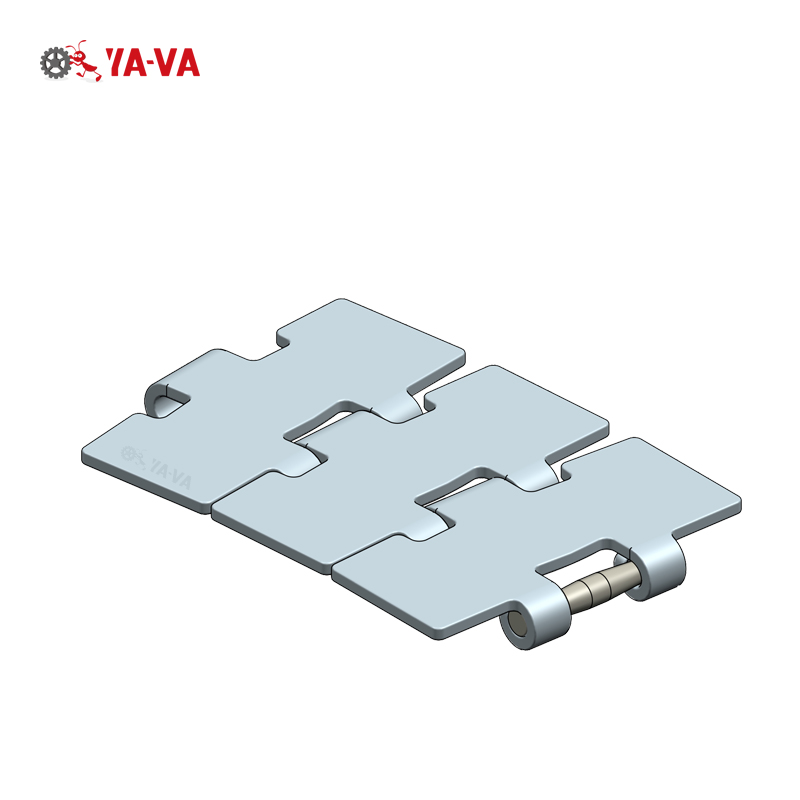
High-Strength SC881 Flat Top Chains for Tire Assembly Lines
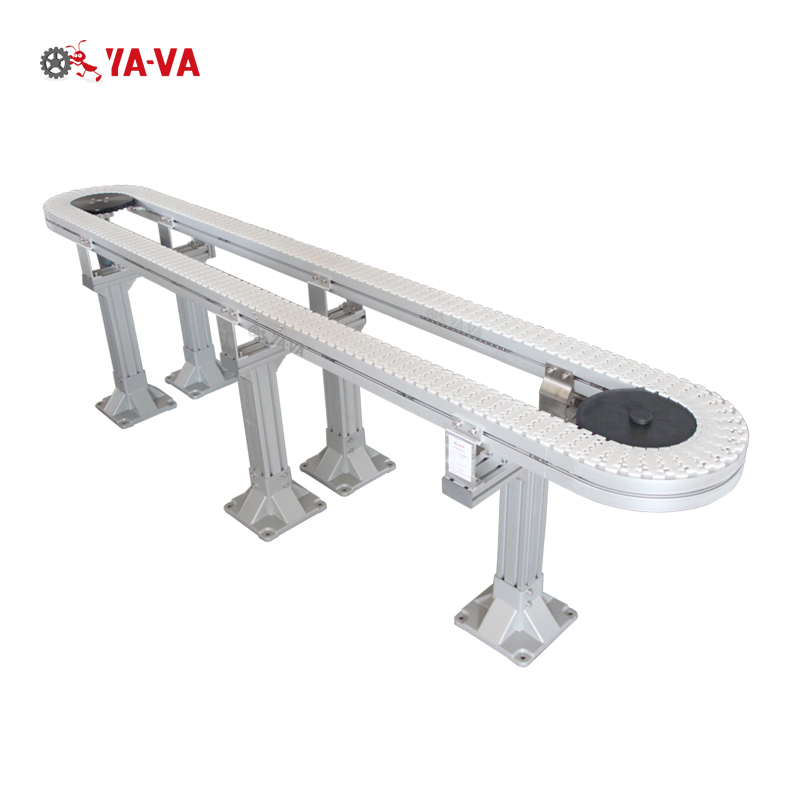
Flexible Modular Plant Chain Conveyor System for Tire Assembly
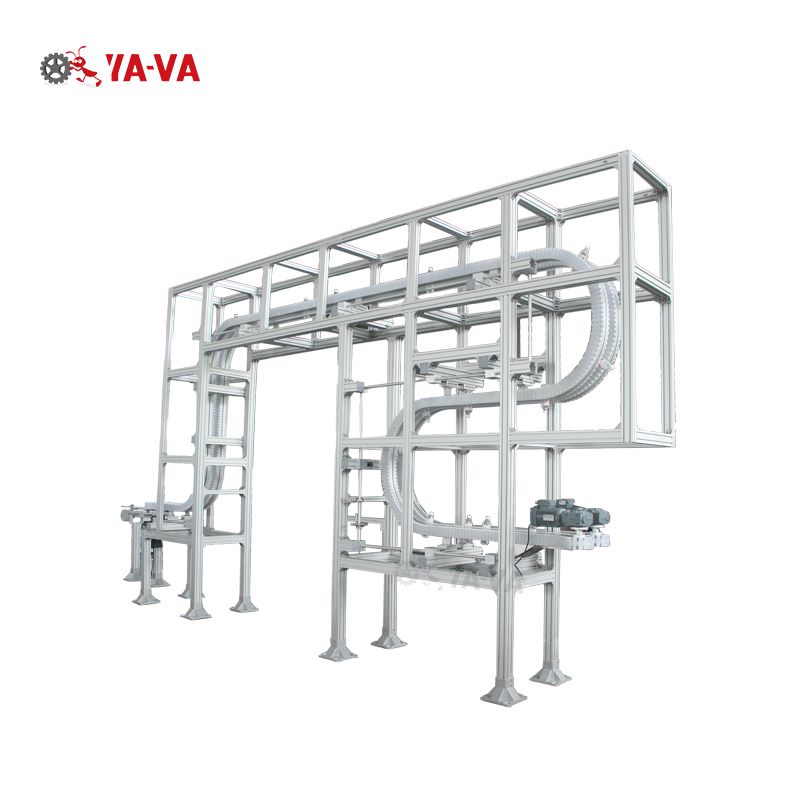
YA-VA Vertical Wedge Conveyor System for Green Tire Elevating
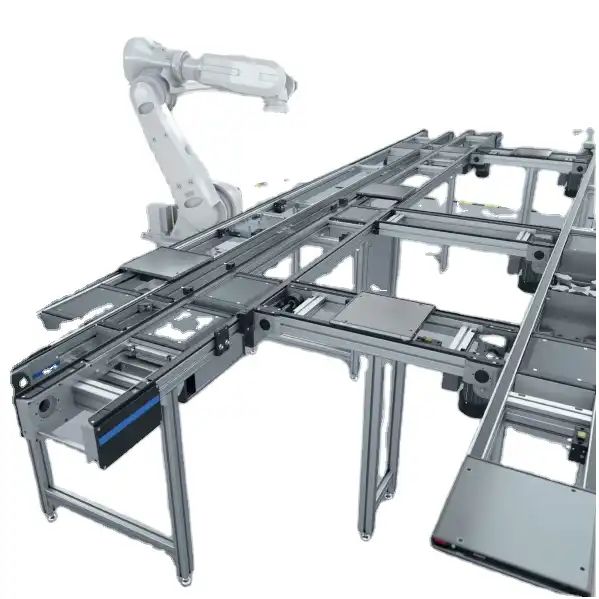
YA-VA Pallet Conveyor System Components for Heavy Duty Tire Molds