- No.1068, Nanwan Rd, Kunshan city 215341, Jiangsu Province, P. R. China
- info@ya-va.com
- +86 18017127502
Primary Conveying Systems for Tissue & Hygiene Lines
Highly adaptable, low-friction modular conveying solutions designed to streamline your vertical and horizontal production flows.
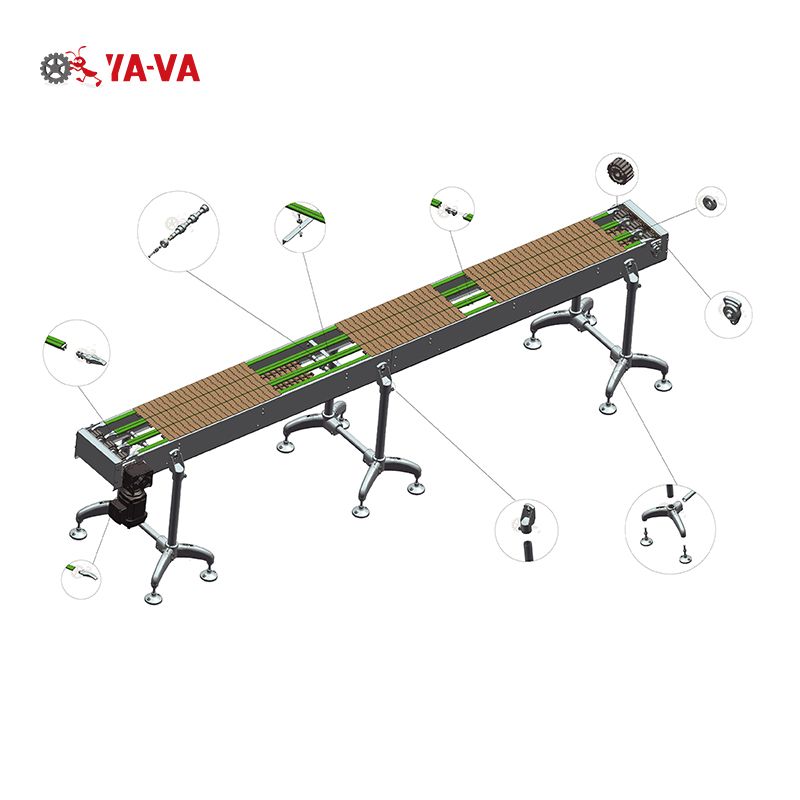
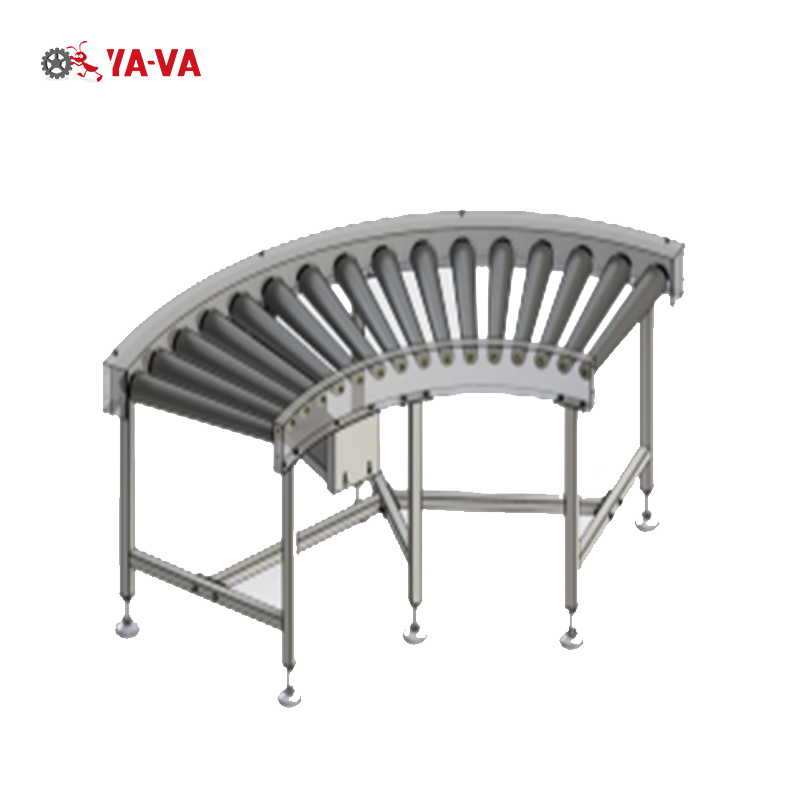
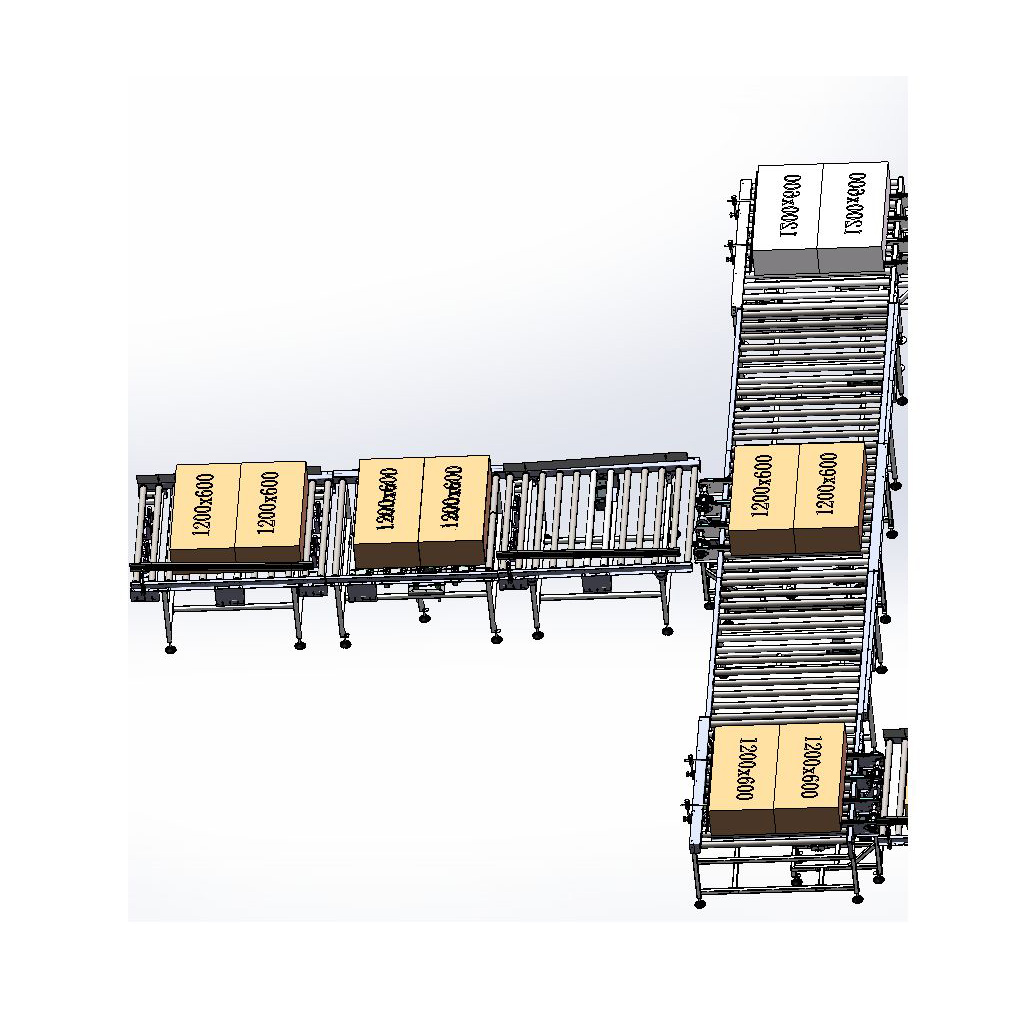
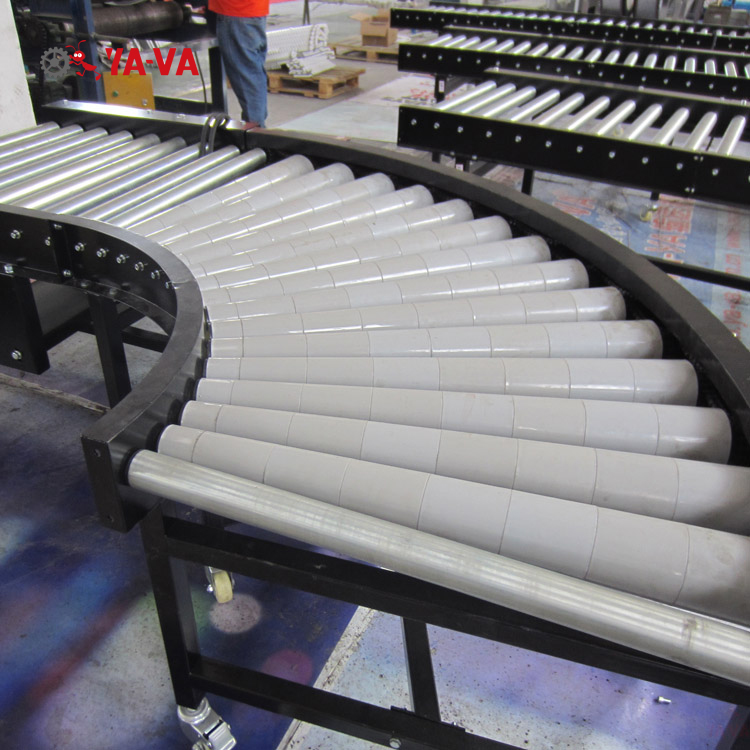
Industrial Landscape of Tissue & Hygiene Manufacturing
In the contemporary fast-moving consumer goods (FMCG) sector, the tissue and hygiene industry represents one of the most dynamic and rapidly expanding segments. From facial tissues and toilet rolls to feminine care products and baby diapers, the global demand for hygiene goods is experiencing unprecedented growth. This shift is driven by rising disposable incomes, urban expansion, and an heightened worldwide awareness of personal health and sanitation. To meet these demands, manufacturers are continuously scaling up their production capacities, transitioning from manual operations to fully automated, high-speed production plants.
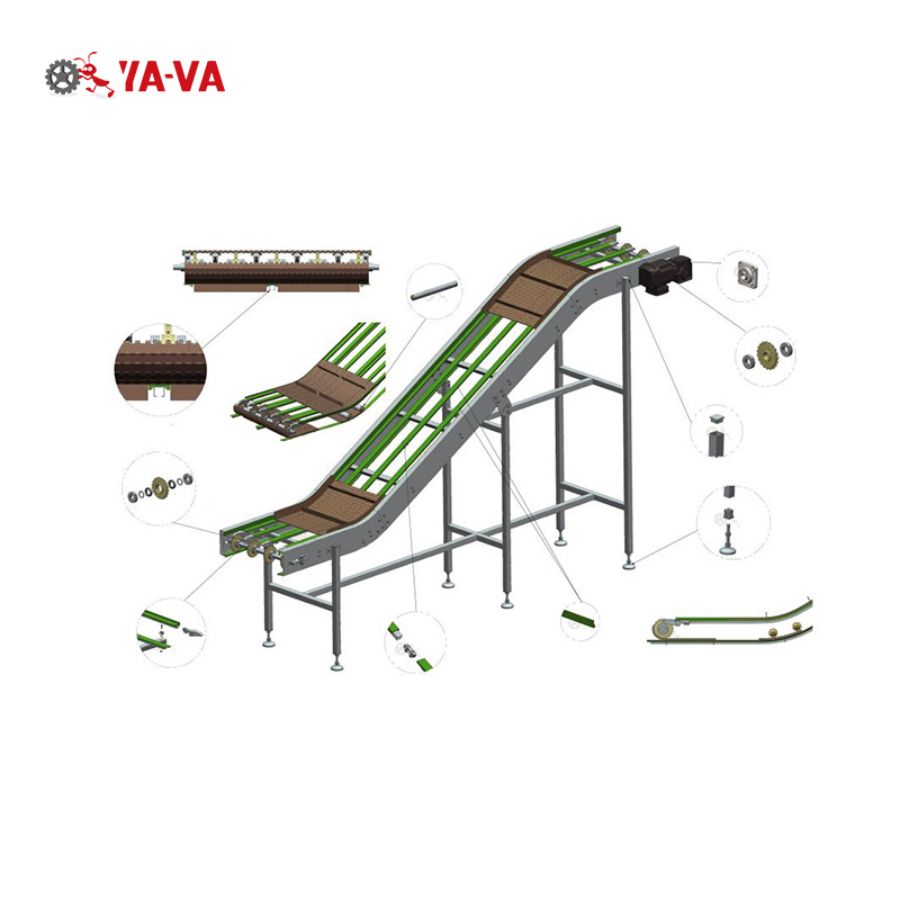
However, scaling up production introduces severe spatial and efficiency constraints. Modern packaging and converting machines operate at speeds exceeding 1,000 products per minute. Connecting these high-speed machines requires conveying systems that are not only fast but exceptionally gentle, hygienic, and space-efficient. Traditional horizontal conveyors consume massive amounts of floor space, leading to congested layouts that limit access for maintenance and secondary operations. This is where Spiral Conveyor Belts for Tissue & Hygiene play a transformative role, offering vertical transport solutions that optimize factory layouts by utilizing overhead space.
Why Spiral Conveyors Are Critical for Hygiene Production Lines
The structural characteristics of tissue and hygiene products present unique conveying challenges. Tissues are lightweight, soft, and easily deformed under pressure. Diapers and sanitary napkins feature complex adhesive strips, soft elastic bands, and delicate non-woven fabrics that can catch, tear, or become contaminated if handled improperly. Traditional incline belt conveyors often cause product slippage or misalignment, resulting in downstream jams and costly downtime.
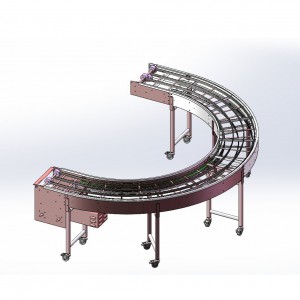
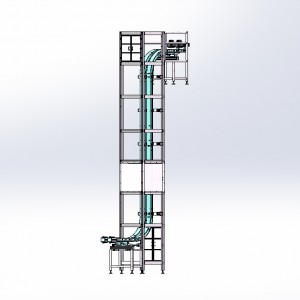
Spiral conveyor belts resolve these issues by providing a continuous, smooth, and controlled vertical incline or decline. The continuous helical path ensures that products remain stable and oriented throughout the elevation change. By utilizing a single continuous belt, spiral systems eliminate transition points where products could otherwise pivot or stall. This level of control is crucial for maintaining the integrity of lightweight paper and hygiene products as they move between primary packaging, bundling, and final case packing.
Our Strength
We are an independent company that has developed, produces and also maintains the conveyor system to ensure that our customers receive the most cost effective solutions available today.

+300 Employees

3 Operating Units

+30 Countries

+1000 Projects/Yr

About Us
YA-VA is a leading high-tech company providing intelligent conveyor solutions. Our comprehensive setup consists of the Conveyor Components Business Unit, Conveyor Systems Business Unit, Overseas Business Unit (Shanghai Daoqin International Trading Co., Ltd.), and the YA-VA Foshan Factory.
Read More →Deep-Dive: Application Scenarios of Spiral Conveyors in Hygiene Lines
1. Multi-Tier Buffering and Accumulation
In high-speed tissue converting lines, downstream packaging machines (such as wrappers and bundlers) occasionally require brief stops for film roll replacements or adjustments. If the upstream log saw or folder stops, it disrupts the thermal stability of the machinery and reduces overall efficiency. Spiral conveyor belts can be configured as vertical accumulation towers. By moving products upward along a helical path during downstream stops, they store minutes of production without stopping the upstream line. Once downstream operations resume, the spiral system gently discharges the accumulated products back into the main stream.
2. Overhead Crossings and Clear Walkways
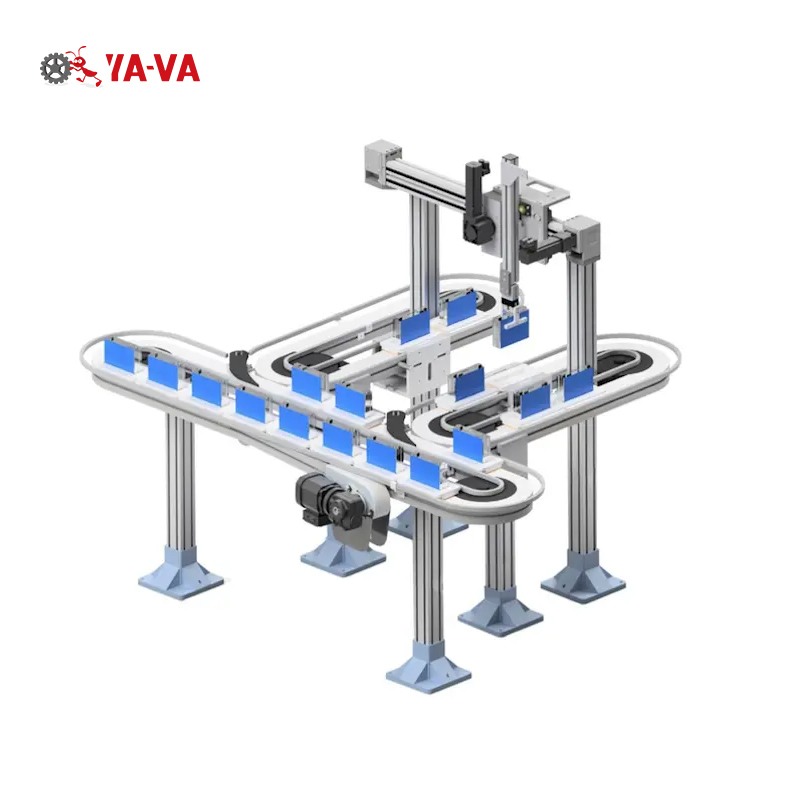
Floor space is a premium asset in modern hygiene plants. Running long horizontal conveyors across a facility creates physical barriers for operators and forklifts. By integrating spiral conveyors, manufacturers can elevate products to an overhead level, route them across walkways, and lower them back down to the target packaging stations. This design maintains clear pedestrian and logistics pathways, improves safety, and maximizes the usability of the manufacturing floor.
3. Diaper and Sanitary Napkin Elevation
Baby diapers, adult incontinence products, and feminine sanitary napkins are highly sensitive to contamination. YA-VA's spiral conveyors for these lines utilize FDA-compliant, food-grade plastic modular belts. The open-grid design of the modular belts allows dust, loose fibers, and small debris to fall through, preventing buildup that could compromise product cleanliness. Furthermore, the low-friction materials prevent static electricity buildup, which is essential when handling dry, non-woven materials at high velocities.
4. Gentle Incline for Wrapped Bundles and Cases
After tissue rolls are packed into multi-packs or loaded into corrugated cases, they must be transported to palletizing areas, which are often located in a separate zone or mezzanine. Spiral conveyors provide a space-efficient solution for elevating heavy cases and bundles. Compared to traditional cargo lifts, spiral systems offer continuous product flow, eliminating the cycle times and maintenance overhead associated with reciprocating elevators.

CHAIN CONVEYORS
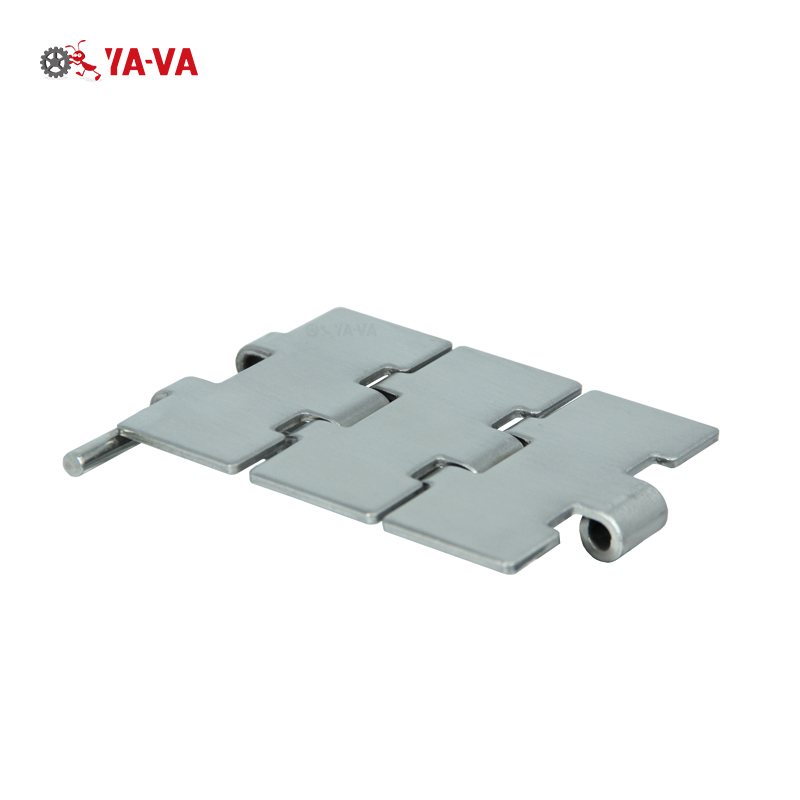
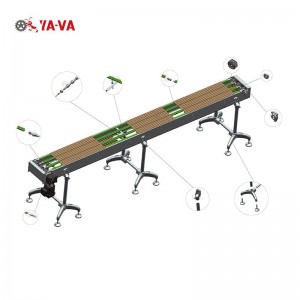
Flexible slat chain conveyor product lines cover a wide range of applications. These multiflexing conveyor systems use plastic chains in many configurations to handle diverse products smoothly and efficiently.
Get in touchFeature Products
More than 20 years focusing on transportation machinery R&D development and manufacturing. In the future, we aim to grow stronger and larger in industry scale and brand value.


Commercial Trends and Technical Innovations in Vertical Conveying
1. Transition to High-Performance Materials
Historically, vertical conveying systems relied heavily on metal chains or heavy rubber belts. In the modern tissue and hygiene industry, these materials are increasingly replaced by high-performance engineering plastics. Materials like Polyoxymethylene (POM) and Polypropylene (PP) offer exceptionally low coefficients of friction, high tensile strength, and superior resistance to chemical cleaning agents. These properties are critical for maintaining the high sanitary standards required in personal care manufacturing. Additionally, plastic modular belts are significantly lighter than their metal counterparts, leading to reduced motor loads, lower energy consumption, and quieter operation, which contributes to a safer and more comfortable working environment.
2. Modular Design and Rapid Maintenance
In high-volume manufacturing, unexpected downtime can cost thousands of dollars per hour. Traditional conveyor systems often require hours or even days of labor to replace damaged belts. Modern spiral conveyor designs address this vulnerability through modular construction. If a section of a plastic modular belt is damaged, maintenance technicians can quickly replace the specific damaged modules without replacing the entire belt. This modularity reduces maintenance times to minutes, ensuring that production lines maintain high operational equipment effectiveness (OEE).
3. Smart Conveying and IoT Integration
As factories transition toward Industry 4.0, conveying systems are no longer passive mechanical tracks; they are becoming active data nodes. Modern spiral conveyors are increasingly equipped with integrated sensors that monitor belt tension, motor temperature, vibration, and operational speeds in real time. This data is fed into centralized control systems, enabling predictive maintenance. For instance, an automated alert can notify maintenance teams of abnormal wear or tension issues before a failure occurs. Furthermore, variable frequency drives (VFDs) allow the spiral conveyor's speed to synchronize dynamically with upstream converting machines and downstream packaging systems, minimizing product collisions and ensuring a smooth, continuous flow.
4. Energy Efficiency and Sustainability
Sustainability has become a core corporate objective for major hygiene brands worldwide. Reducing carbon footprints requires optimizing energy consumption across all manufacturing stages. Modern spiral conveyors contribute to this goal by utilizing highly efficient gear motors and low-friction wear strips. By optimizing the path design and reducing friction points, a single motor can drive a spiral conveyor that elevates products several meters, replacing multiple traditional inclined conveyors that would each require their own drive systems. This reduction in power requirements helps manufacturers lower their total energy consumption and achieve their sustainability targets.
News and Information
Stay updated with YA-VA's latest exhibitions, product launches, and technical insights from the conveying industry.
YA-VA Looks Forward to Welcoming You in June 2026
We are preparing to showcase our latest high-speed vertical conveying innovations at the upcoming international packaging and processing trade show. Join us to experience live demonstrations of our smart spiral conveyor systems.

YA-VA Thailand Bangkok PROPAC Exhibition
The PROPAK exhibition concluded successfully. We would like to express our sincere gratitude to all our valued customers for visiting our booth (AY38). Your support drives our continuous progress in providing advanced conveyor systems.
Difference Between Chain and Belt Conveyor Systems
Understanding the structural and functional differences between chain and belt conveyors is crucial for selecting the right system. Learn about driving mechanisms, application scenarios, and how to optimize your handling processes.
Our Partners
Collaborating with global industry leaders to deliver world-class conveying systems.






Complete Spiral & Curve Conveying Solutions
Explore our full catalog of high-precision, low-wear conveying components and custom systems designed for tissue, packaging, and hygiene manufacturing.