- No.1068, Nanwan Rd, Kunshan city 215341, Jiangsu Province, P. R. China
- info@ya-va.com
- +86 18017127502
Featured Conveyor Lineup
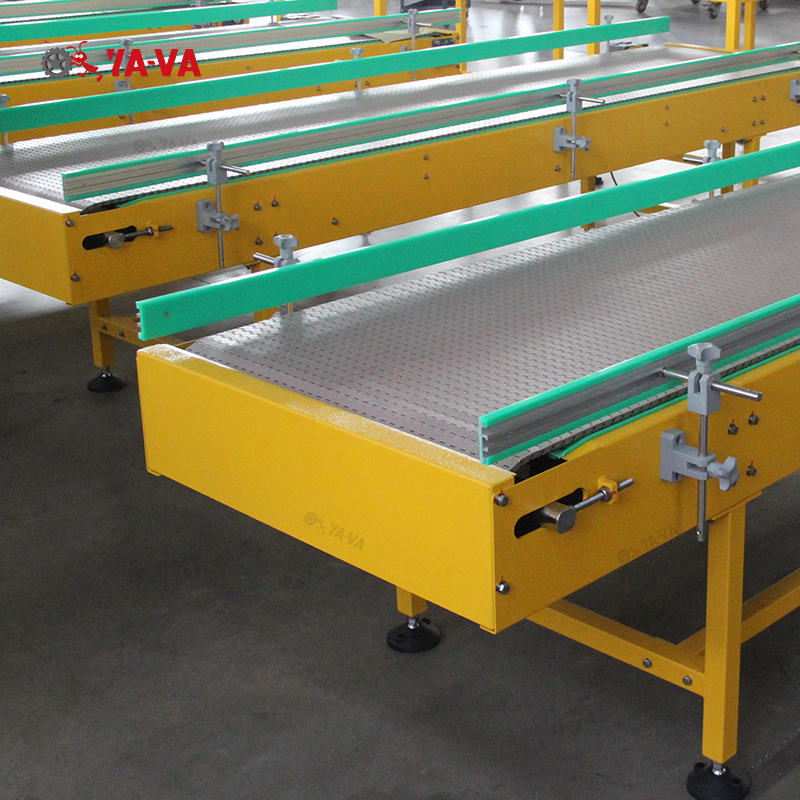
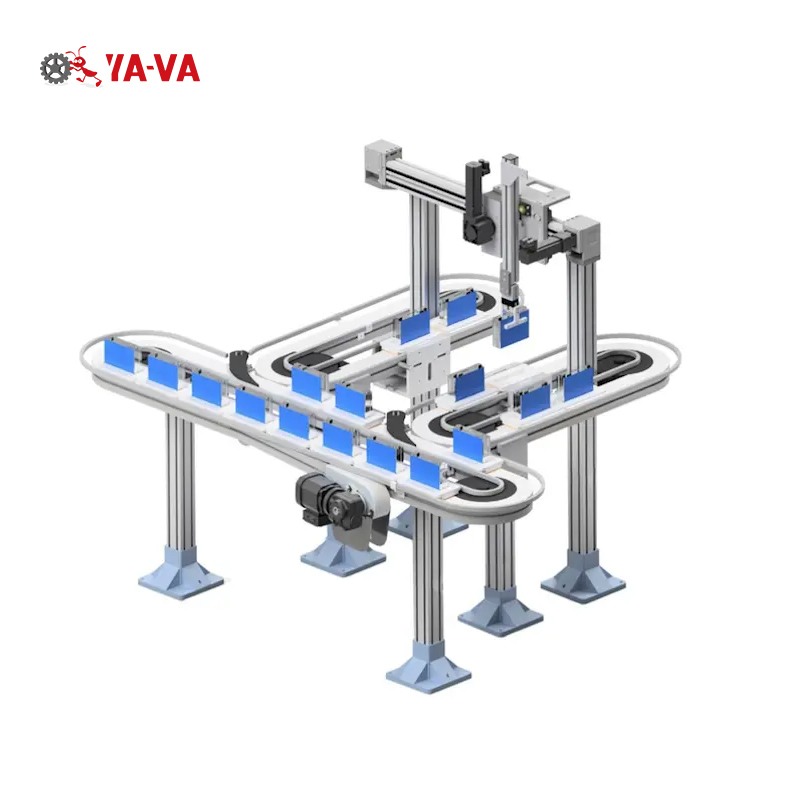
Highly integrated modular belt systems designed to optimize material flow across modern distribution centers.
Industrial Status & Trends of Sprockets in Modern Logistics
In the era of rapid e-commerce expansion and globalized supply chains, logistics and warehousing facilities have transitioned from simple transit hubs into highly automated, high-speed centers of efficiency. The backbone of this transition is the modern conveyor system. Specifically, plastic modular belt conveyors have emerged as the industry standard due to their versatility, ease of maintenance, and robust load-carrying capabilities. However, the performance of any modular belt conveyor is fundamentally governed by its drive mechanism: the sprockets.
Sprockets for plastic modular belts represent a critical intersection of mechanical engineering and polymer science. In logistics applications, these components must endure continuous 24/7 operations, rapid acceleration and deceleration cycles, and varying load profiles ranging from light polybags to heavy palletized goods. Historically, drive systems relied on friction-driven flat belts, which suffered from tracking issues, slippage, and high tension requirements. The adoption of positive-drive plastic modular belts, coupled with precisely matched sprockets, has eliminated tracking problems and significantly reduced energy consumption across distribution networks.
Unlike friction-driven systems, sprockets engage directly with the internal structure of the plastic modular belt. This positive mechanical engagement ensures zero slippage, precise positioning (crucial for barcode scanning and sorting), and allows for much lower belt tension, which extends the operational lifespan of both the belt and the conveyor bearings.
Technical Anatomy: Materials, Profiles, and Configuration
Choosing the right sprocket configuration involves analyzing several technical parameters to ensure compatibility with the specific warehousing environment:
- Material Selection: Standard sprockets are injection-molded from high-performance polymers such as Polyacetal (POM), Polyamide (Nylon), or Polypropylene (PP). For demanding warehousing environments, glass-reinforced nylon or sprockets with metallic inserts (such as stainless steel or brass hubs) are utilized to handle high torque without keyway deformation.
- Tooth Profiles: The design of the sprocket teeth must perfectly match the hinge and pocket geometry of the modular belt. Advanced tooth profiles are engineered to minimize chordal action (the pulsating movement of the belt as it wraps around the sprocket), which reduces vibration and noise at high speeds.
- Bore Types: Square bores (typically 40mm or 60mm) are highly favored in logistics applications because they transmit torque across the flat faces of the shaft without requiring keyways, reducing stress concentration and simplifying installation. Round bores with keyways remain standard for smaller, specialized conveyor modules.
- Split vs. Solid Designs: Split sprockets can be disassembled and removed from the drive shaft without dismantling the entire conveyor frame, saving hours of downtime during routine maintenance cycles.
Deep Application Scenarios in Automated Warehousing
To fully appreciate the impact of optimized sprockets, we must examine their deployment across specific warehousing zones:
1. High-Speed Sorting and Merging Zones
In sorting areas, conveyors must accelerate packages rapidly to align them for diverters or shoe sorters. Sprockets in these zones experience high dynamic loads. If the sprocket-to-belt engagement is not perfectly synchronized, the belt can jump teeth, causing sorting errors, damage to packages, or catastrophic belt failure. Specialized sprockets with optimized tooth geometries ensure smooth engagement even under sudden speed changes.
2. Incline and Decline Transport
Moving goods between different mezzanine levels requires reliable grip and consistent belt tension. Sprockets driving incline modular belts must handle the gravitational load of multiple packages simultaneously. High-torque sprockets with metal-reinforced hubs are essential here to prevent shaft slippage and ensure a constant, safe throughput rate.
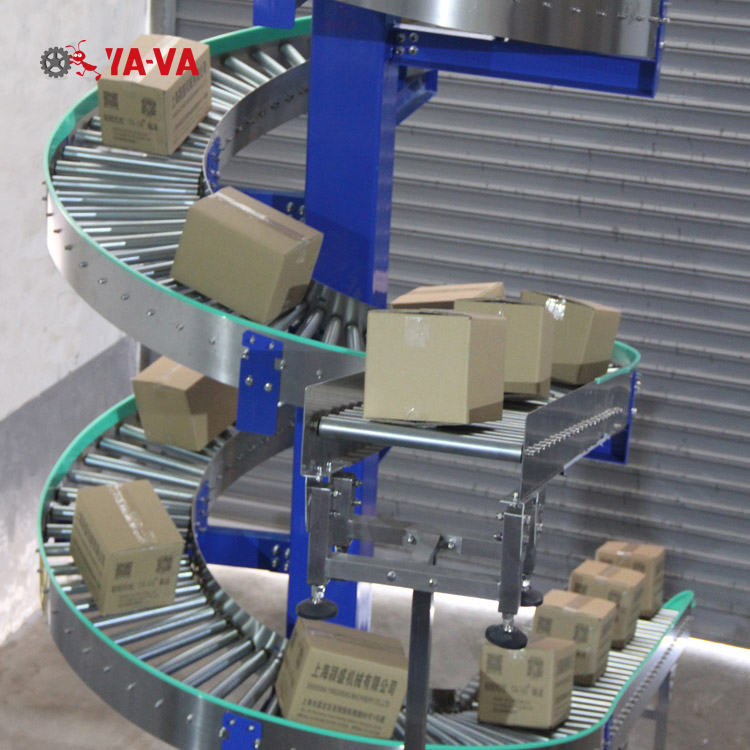
3. Spiral and Curved Conveying
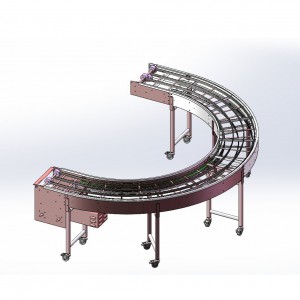
Space optimization is a key trend in modern warehouse design. Spiral conveyors utilize side-flexing modular belts to transport goods vertically within a compact footprint. The sprockets in spiral systems are subjected to complex multi-directional forces, requiring precise lateral tracking guides and robust materials to withstand the continuous friction along the inner radius.
Our Strength
We are an independent company that has developed, produces and also maintains the conveyor system to ensure that our customers receive the most cost effective solutions available today.





Chain Conveyors
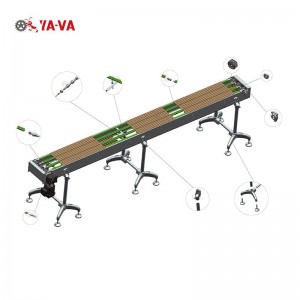
Flexible slat chain conveyor products lines cover a wide range of applications. These multiflexing conveyor systems use plastic chains in many configurations...
Get in touch →
About Us
YA-VA is a leading high-tech company providing intelligent conveyor solutions.
And it consists of Conveyor Components Business Unit; Conveyor Systems Business Unit; Overseas Business Unit (Shanghai Daoqin International Trading Co., Ltd.) and YA-VA Foshan Factory.
Read MoreFuture Trends in Sprocket Engineering & Warehousing Automation
As logistics facilities continue to push the boundaries of speed and automation, sprocket design is evolving to meet these new challenges. The future of conveyor drive systems lies in smart integration and material science innovations:
1. Smart Sprockets & Predictive Maintenance
Industry 4.0 is introducing sensors directly into conveyor components. Smart sprockets embedded with RFID tags or wear sensors can communicate their structural integrity to a central warehouse management system (WMS). This allows operators to predict sprocket wear and schedule maintenance during planned shutdowns, preventing costly unplanned downtime during peak shipping seasons.
2. Noise Reduction Technologies
With distribution centers operating in close proximity to urban residential areas, and to comply with occupational safety standards, noise reduction has become a priority. Modern sprockets utilize elastomeric inserts or specialized tooth cushioning to absorb the impact of the belt hinge, reducing acoustic output by up to 10 decibels in high-speed sorting facilities.
3. Eco-friendly and Self-lubricating Materials
Sustainability initiatives are driving the development of sprockets made from bio-based polymers or recycled plastics without compromising tensile strength. Furthermore, advanced self-lubricating compounds reduce friction between the sprocket teeth and the belt, resulting in lower power draw from drive motors and reduced carbon footprints for large-scale logistics operations.
Feature Products
More than 20 years focusing on transportation machinery R&D development and manufacturing. In the future, stronger and bigger in the industry scale and brand.


News and Information
Stay updated with our latest exhibition schedules, technical posts, and company announcements.
YA VA Looks Forward to Welcoming You in June 2026
Join us at the upcoming global logistics and material handling expo where we will showcase our latest advancements in modular belt and sprocket designs.

YA-VA Thailand Bangkok PROPAC
YA-VA Thailand Bangkok PROPACK exhibition concluded successfully. We would like to express our sincere gratitude to all our valued customers for visiting our booth. Your support is the driving force behind our progress. BOOTH NO: AY38...
What is the difference between chain and belt conveyor? How many types of conveyor chains are there?
Chain conveyors and belt conveyors are both used for material handling, but they differ in design, function, and applications. Chain conveyors use linked paths driven by sprockets while belt conveyors rely on continuous flat materials...
Cooperative Partners