- No.1068, Nanwan Rd, Kunshan city 215341, Jiangsu Province, P. R. China
- info@ya-va.com
- +86 18017127502
Key Products for Automotive Leveling Applications
Engineered components designed to support and level high-capacity automotive assembly conveyor lines.
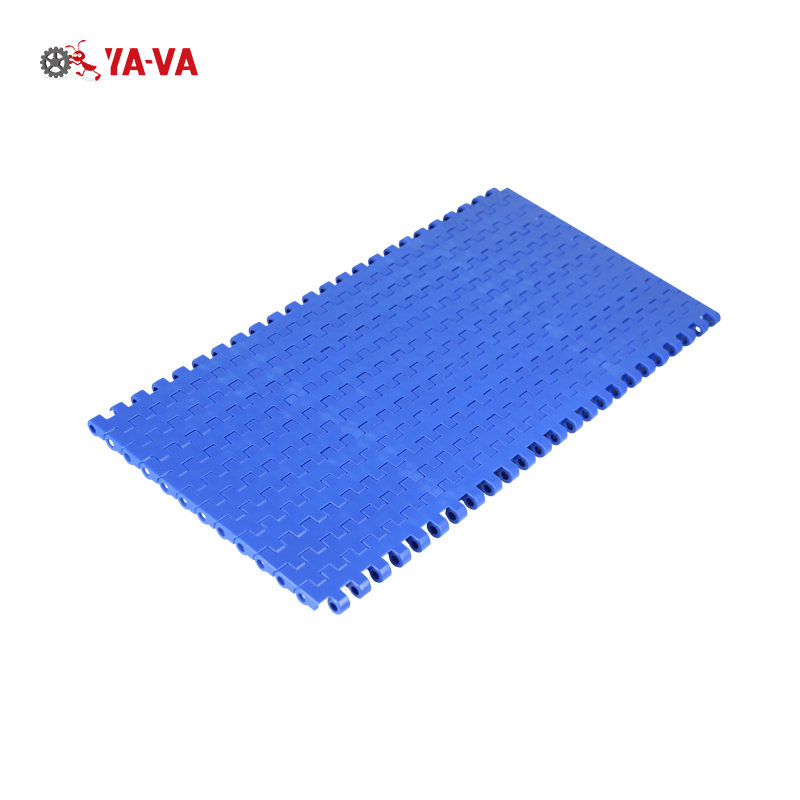
YA-VA Automotive Cleated Conveyor with Adjustable Leveling Base
View System Details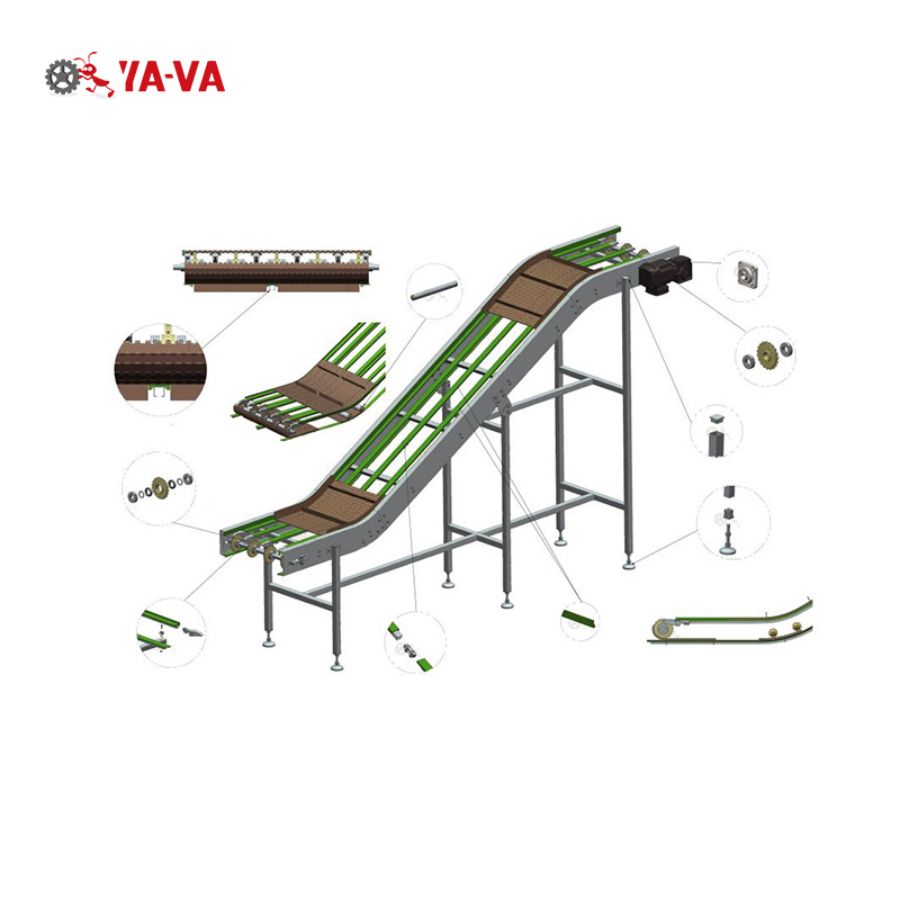
Heavy-Duty Modular Assembly Belt with Stainless Support Feet
View System Details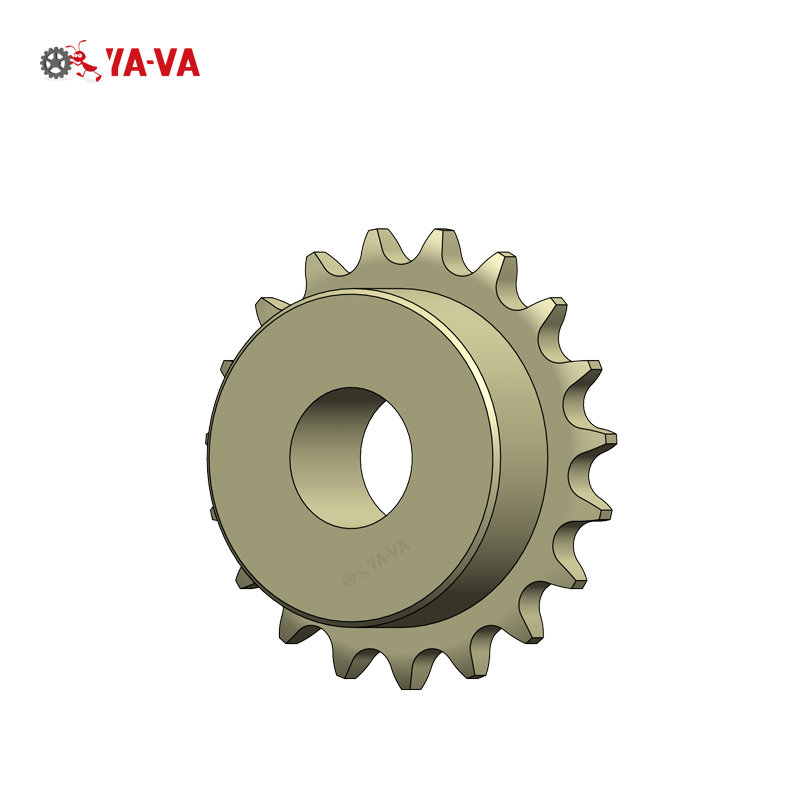
Precision Sprockets & Leveling Components for Auto Chains
View System Details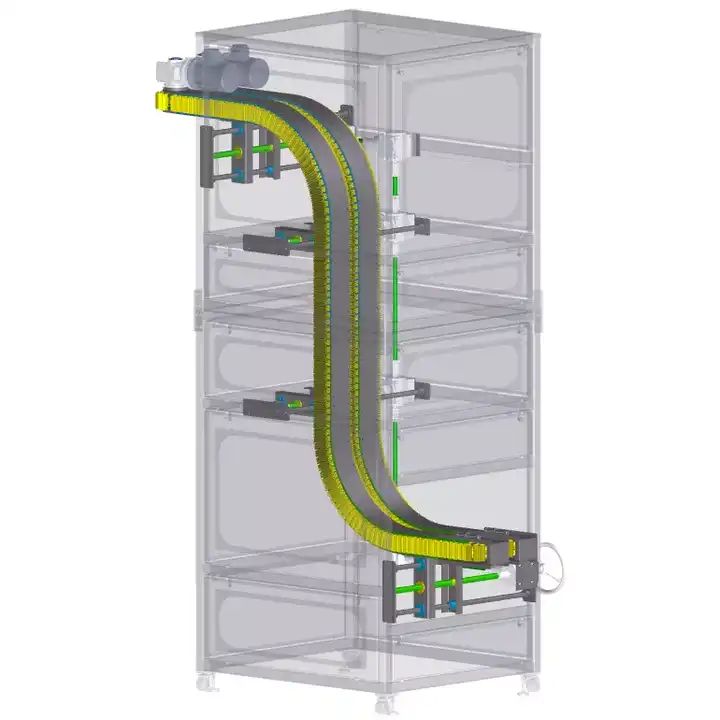
Automotive Part Gripper Conveyor with Adjustable Leveling Feet
View System DetailsThe Critical Importance of Stainless Steel Adjustable Leveling Feet in the Automotive Industry
In modern automotive manufacturing plants, precision and stability are not merely operational goals—they are absolute prerequisites for safety, efficiency, and product quality. The assembly of a modern automobile involves a complex orchestration of robotic welding, high-tolerance machining, heavy-duty logistics, and automated inspection systems. At the foundation of all these advanced mechanical layouts lie stainless steel adjustable leveling feet. These seemingly simple components are critical engineering elements that support heavy machinery, absorb structural vibrations, and allow for micro-adjustments in height and alignment across uneven factory floors.
Without precise leveling, robotic arms cannot achieve the millimeter-level accuracy required for spot welding, and conveyor belts transporting massive engine blocks or electric vehicle (EV) battery packs would experience uneven wear, leading to premature failure. Stainless steel, particularly grades such as AISI 304 and AISI 316, has become the industry standard for these leveling elements due to its exceptional mechanical strength, resistance to chemical corrosion (from lubricants, cutting fluids, and washdown agents), and long-term durability.
Commercial and Industrial Status of Automotive Production Lines
The global automotive manufacturing landscape is undergoing a massive transformation, driven by the transition to Electric Vehicles (EVs) and the integration of Industry 4.0 automation technologies. Today's automotive factories are characterized by high-speed production cycles, heavier payloads (primarily due to heavy EV battery packs), and a push toward zero-downtime operations. This environment places unprecedented mechanical stress on factory infrastructure.
Historically, standard carbon steel or zinc-plated leveling mounts were common. However, the modern automotive plant environment, with its exposure to welding sparks, aggressive cooling fluids, moisture, and heavy dynamic loading, demands a much more resilient solution. Stainless steel adjustable leveling feet have emerged as the dominant choice. Their ability to withstand continuous load cycles without structural fatigue or oxidation directly translates to a lower Total Cost of Ownership (TCO) for automotive OEMs and tier-one suppliers.
Deep Dive: Material Science & Design Benefits of Stainless Steel
Understanding why stainless steel adjustable leveling feet are preferred requires a look at their material properties and engineering designs:
- High Tensile and Yield Strength: Heavy automotive machinery, such as stamping presses and robotic cells, exerts immense static and dynamic forces. Stainless steel leveling feet can support loads ranging from 10,000 N to upwards of 100,000 N per foot without deformation.
- Superior Corrosion Resistance: Automotive paint shops, washdown zones, and machining centers expose equipment to harsh chemicals, water, and solvents. Stainless steel forms a passive chromium oxide layer that prevents rust and corrosion.
- Vibration Damping Integration: Many advanced leveling feet feature vulcanized elastomer pads (such as NBR or polyurethane) bonded to the stainless steel base. This combination dampens high-frequency vibrations generated by rotating machinery, protecting delicate robotic sensors and ensuring a quieter working environment.
- Articulation and Angular Adjustability: Factory floors are rarely perfectly flat. Leveling feet with ball-joint connections allow the threaded spindle to pivot up to 15 degrees, ensuring full surface contact of the base pad even on sloped or uneven surfaces.
Key Application Scenarios in Automotive Manufacturing Plants
To appreciate the versatility of these components, let us analyze their specific deployment across different zones of an automotive production facility:
1. Robotic Welding and Assembly Cells
Modern automotive assembly relies heavily on multi-axis robotic arms for welding, gluing, and body panel placement. These robots operate at high speeds and require a rock-solid, perfectly level base. Any structural sway or tilt can throw off the robot's coordinate system, leading to defective welds or misaligned panels. Stainless steel leveling feet with locking nuts secure the heavy steel mounting plates, ensuring the robot remains perfectly calibrated during rapid accelerations and decelerations.
2. EV Battery Pack Assembly & Conveying
The rise of electric vehicles has introduced a new challenge: handling extremely heavy battery packs. Battery assembly conveyor lines must support massive loads while maintaining cleanroom-like conditions to prevent electrical short-circuits. Stainless steel leveling feet support these heavy modular conveyors, offering the high weight capacity required while preventing any particle shedding or rust that could contaminate the sensitive battery cells.
3. Paint Booths and Surface Treatment Lines
The painting process involves chemical pre-treatments, electro-coating baths, and high-temperature curing ovens. Leveling feet used in these areas must withstand extreme humidity, chemical overspray, and temperatures exceeding 200°C. High-grade AISI 316 stainless steel leveling feet are uniquely suited for these environments, resisting chemical degradation and maintaining structural integrity over decades of operation.
4. AGV and AMR Docking Stations
Automated Guided Vehicles (AGVs) and Autonomous Mobile Robots (AMRs) are widely used to transport parts between stations. When an AGV docks with a stationary conveyor to transfer a payload, the height alignment must be precise to within a few millimeters. Adjustable leveling feet allow engineers to fine-tune the height of the docking station frames to match the AGV's transfer height perfectly, preventing jams and ensuring smooth material flow.
Future Trends: Smart Leveling and Industry 4.0 Integration
As automotive factories transition into fully connected "smart factories," even passive components like leveling feet are evolving. The industry is beginning to see the introduction of smart leveling feet equipped with integrated load cells and vibration sensors. These smart components can continuously monitor the weight distribution of a conveyor system or machine. If a bearing begins to fail or a load becomes unbalanced, the sensor detects the change in force or vibration and alerts maintenance teams before a breakdown occurs. This predictive maintenance capability represents the next frontier in minimizing downtime and optimizing automotive factory efficiency.
Our Strength
We are an independent company that has developed, produces and also maintains the conveyor system to ensure that our customers receive the most cost effective solutions available today.





About Us
YA-VA is a leading high-tech company providing intelligent conveyor solutions. Our comprehensive approach ensures that we remain at the forefront of material handling technology, supplying components and systems that meet the rigorous demands of modern automated industries.
Our organization consists of the Conveyor Components Business Unit, Conveyor Systems Business Unit, Overseas Business Unit (Shanghai Daoqin International Trading Co., Ltd.), and the YA-VA Foshan Factory. This structure allows us to deliver seamless support and customized solutions globally.
Chain Conveyors
Flexible slat chain conveyor product lines cover a wide range of applications. These multiflexing conveyor systems use plastic chains in many configurations to handle complex routing, elevations, and tight curves, making them ideal for modern automotive parts transport.
Designed for reliability and low maintenance, our chain conveyor systems integrate perfectly with our heavy-duty leveling components to ensure stable, vibration-free operation under demanding factory conditions.

Feature Products
More than 20 years focusing on transportation machinery R&D development and manufacturing. In the future, we strive to grow stronger and bigger in industry scale and brand presence.

YA-VA Straight conveyor modular Belt Conveyor

Plastic Roller Curved Conveyor

Degree Chain Driven Curved Roller Conveyor

New Flexible Gripper Conveyors

Roller Spiral Conveyor — Gravity

Stainless Steel Conveyors
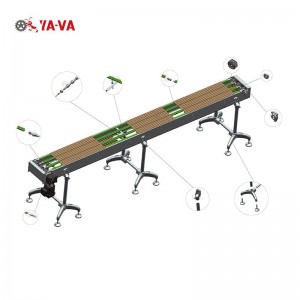
Plastic Curve Chain Conveyor Flat Top Chain Conveyor
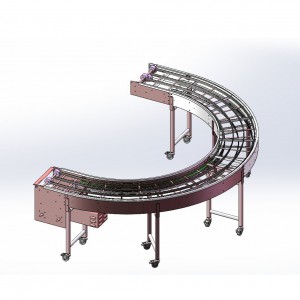
Straight and Curved Conveyor Modular Belt Conveyor
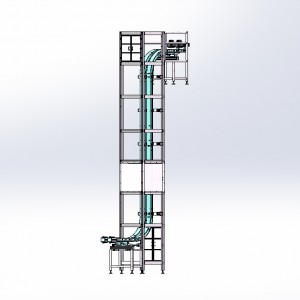
Elevating Lowering and Orientation Gripper Conveyor System
News and Information
Stay updated with the latest news, industry insights, and exhibition announcements from YA-VA.
YA VA Looks Forward to Welcoming You in June 2026
Join us at our upcoming major industrial exhibition in June 2026. We will be showcasing our latest breakthroughs in conveyor systems, components, and smart leveling technologies designed for high-performance automotive assembly lines.

YA-VA Thailand Bangkok PROPAC
YA-VA Thailand Bangkok PROPACK exhibition concluded successfully. We would like to express our sincere gratitude to all our valued customers for visiting our booth. Your support is the driving force behind our progress. BOOTH NO: AY38.
What is the difference between chain and belt conveyor? How many types of conveyor chains are there?
Chain conveyors and belt conveyors are both used for material handling, but they differ in design, function, and applications. Chain conveyors use links to drive heavy loads directly, while belt conveyors utilize continuous loops of material ideal for bulk transport.
Complete Automotive Leveling & Conveying Catalog
Explore our full line of products designed to establish stable, adjustable foundations for modern manufacturing.
YA-VA Automotive Cleated Conveyor with Adjustable Leveling Base
View Details
Heavy-Duty Modular Assembly Belt with Stainless Support Feet
View Details
Precision Sprockets & Leveling Components for Auto Chains
View Details
Automotive Part Gripper Conveyor with Adjustable Leveling Feet
View Details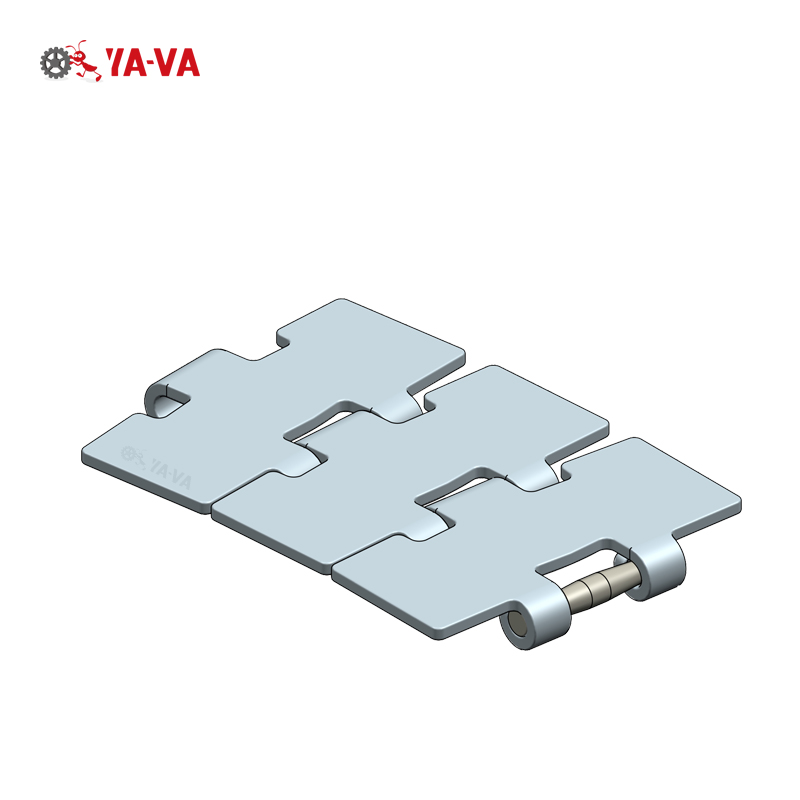
SC881 Flat Top Chains with Heavy-Duty Leveling Supports
View Details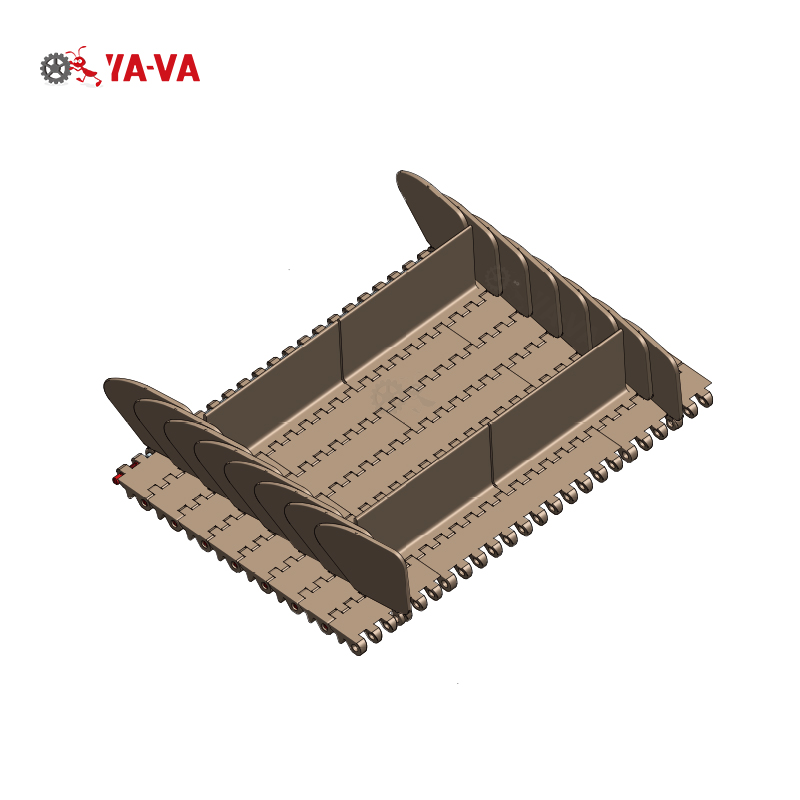
POM Modular Conveyor Belt with Stainless Leveling Mounts
View Details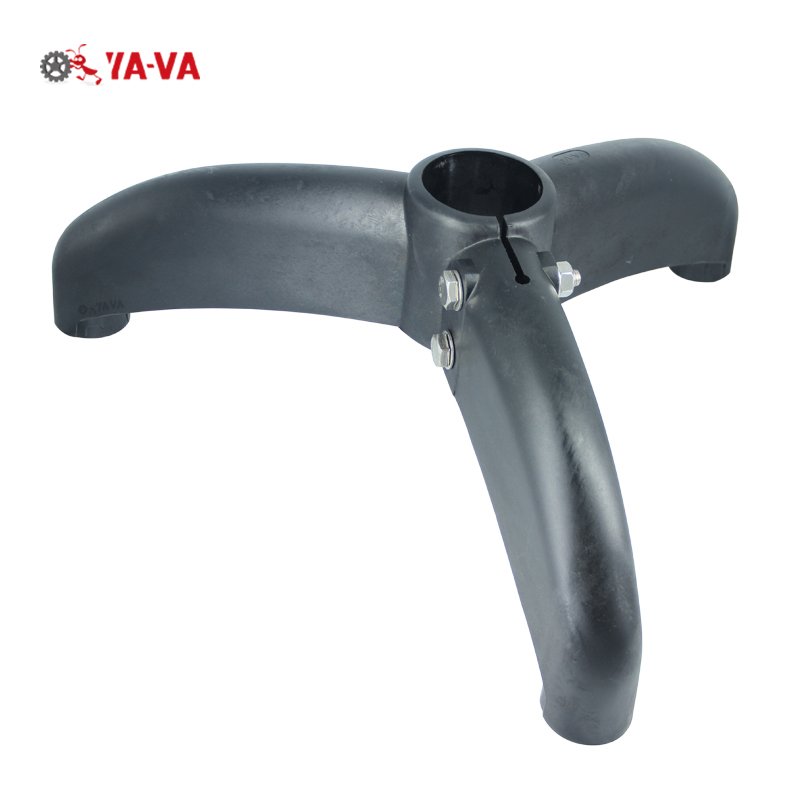
Adjustable Support Base Bipod for Automotive Conveyor Lines
View Details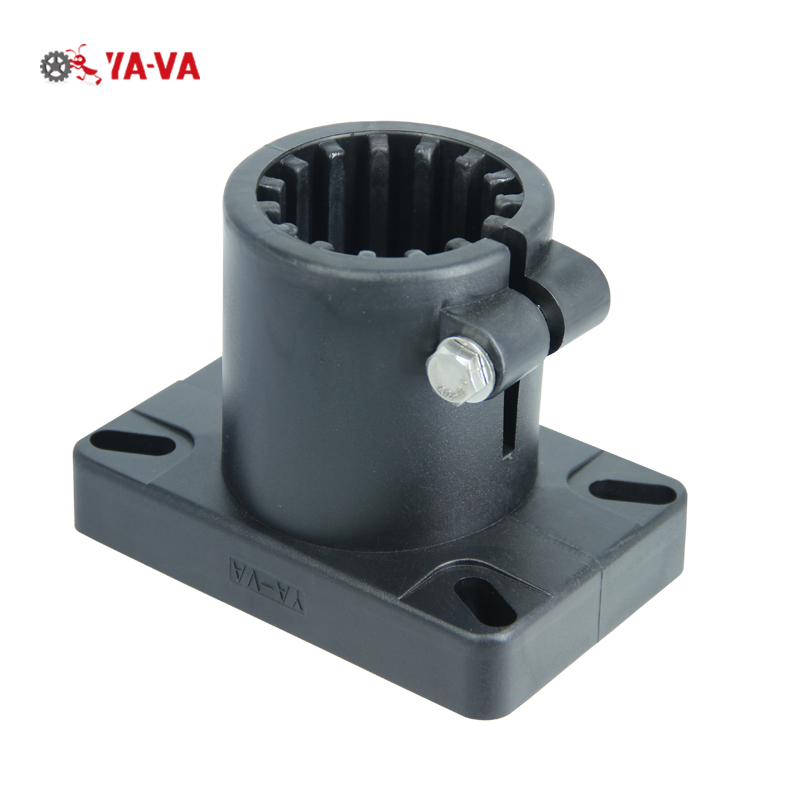
Conveyor Frame Bearing Head with Integrated Leveling Adjusters
View DetailsOur Partners
Trusted by leading enterprises and industrial manufacturers worldwide.