- No.1068, Nanwan Rd, Kunshan city 215341, Jiangsu Province, P. R. China
- info@ya-va.com
- +86 18017127502
Key Transport Solutions for New Energy
Explore our specialized conveying systems designed to handle sensitive battery materials, electrodes, and pack assemblies under rigorous cleanroom standards.
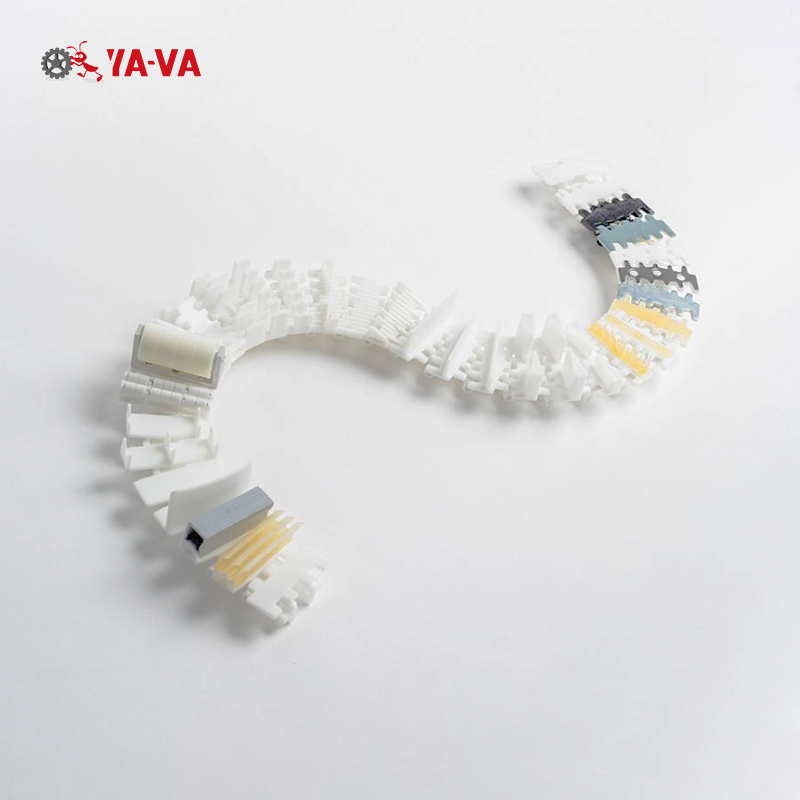
Lithium Battery Cell Conveying Belts and Chains
View Details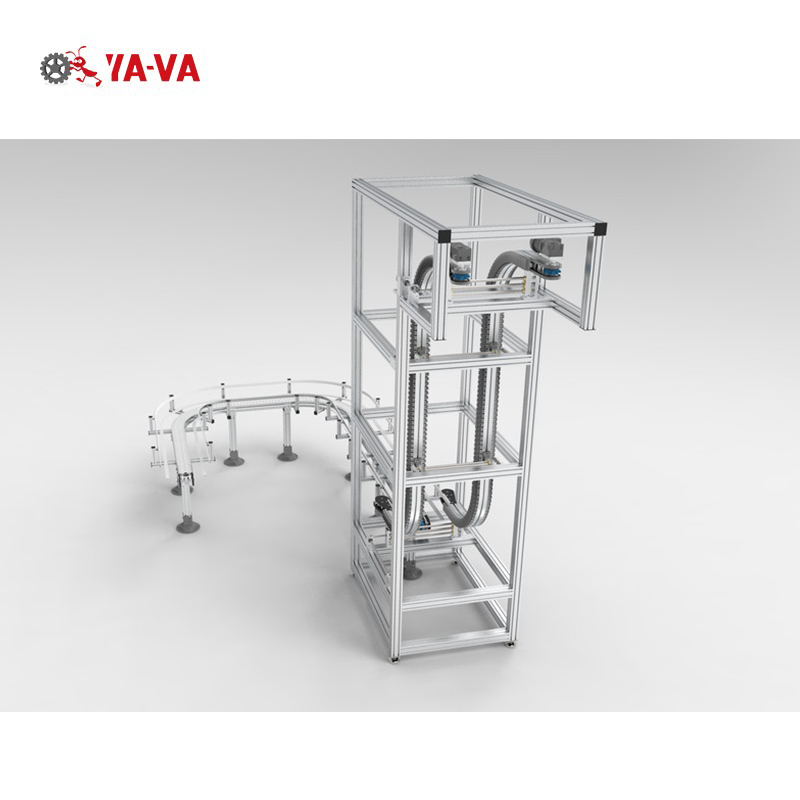
New Energy Battery Pack Vertical Wedge Conveyors
View Details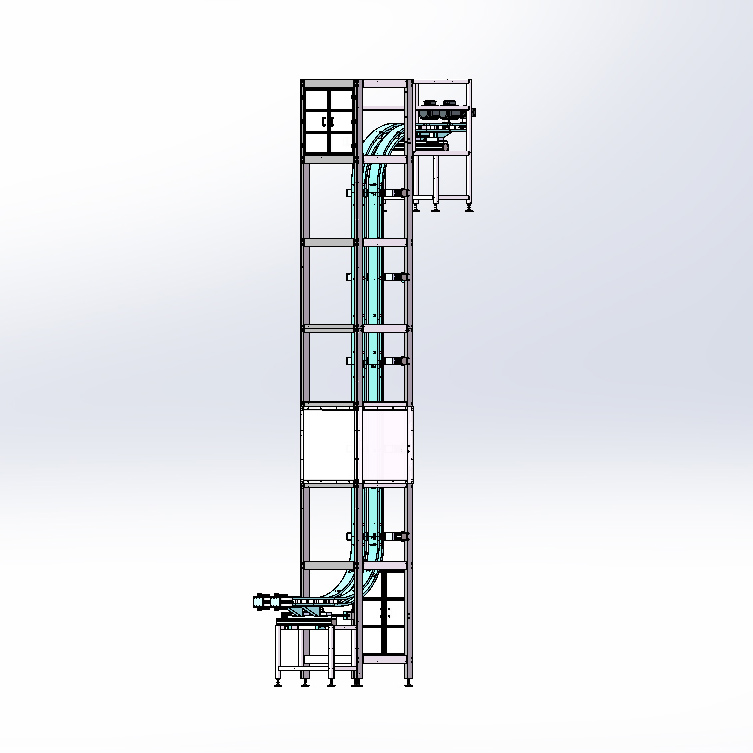
Battery Cell Elevating Lowering and Orientation Gripper Conveyor System
View Details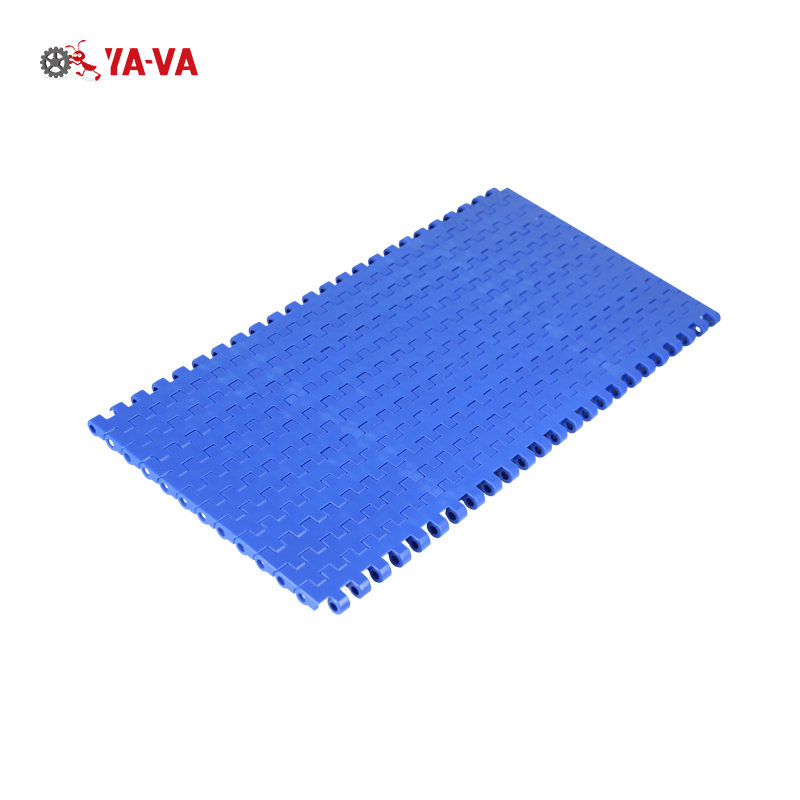
YA-VA Cleated Modular Conveyor Belt for Battery Raw Materials
View DetailsThe Crucial Role of Stainless Steel Conveyors in Battery & New Energy Manufacturing
The global transition toward sustainable energy has triggered an unprecedented surge in the demand for lithium-ion batteries, solid-state batteries, hydrogen fuel cells, and solar panels. As gigafactories scale up globally to meet the electric vehicle (EV) and grid storage boom, the manufacturing processes underlying these technologies face rigorous quality, safety, and efficiency benchmarks. In this highly automated environment, material handling systems are not merely transport mechanisms; they are critical components that directly influence yield rates, safety protocols, and operational uptime.
Stainless steel conveyor systems have emerged as the industry gold standard for battery and new energy production lines. Unlike conventional carbon steel or standard plastic conveyors, stainless steel conveyors offer the structural integrity, chemical resistance, and cleanliness required to navigate the harsh, sensitive, and dry environments typical of battery cell manufacturing.
Key Industry Insight
Battery manufacturing demands extreme environmental control. In dry rooms where relative humidity is kept below 1%, material handling equipment must operate flawlessly without generating dust, outgassing, or static electricity. Stainless steel's inherent material properties eliminate these risks, ensuring high-yield production.
Industrial Status: The Rise of Gigafactories and Automation
Today's battery manufacturing landscape is characterized by massive scale and rapid technological evolution. Gigafactories operate 24/7, processing volatile raw chemical powders, delicate electrode sheets, and heavy finished battery packs. To minimize human error and contamination, these factories aim for near-100% automation. This shift has placed immense pressure on conveyor manufacturers to deliver systems that can handle high speeds, heavy loads, and complex routing with zero downtime.
Furthermore, the integration of Industry 4.0 technology is reshaping how conveyors operate. Modern stainless steel conveyor lines in battery factories are equipped with smart sensors, RFID tracking systems, and integrated vision inspection modules. This allows for real-time tracking of individual battery cells or modules as they progress through assembly, aging, and testing phases, ensuring complete traceability and immediate quality control.
Deep Application Scenarios in Battery Production
1. Raw Material Processing & Slurry Preparation
The journey of a battery begins with raw materials like lithium, cobalt, nickel, and graphite. During the mixing phase, these materials are processed into a highly viscous slurry. Conveyor systems in this zone must resist chemical corrosion from solvents like NMP (N-Methyl-2-pyrrolidone) and prevent metal contamination. Stainless steel (specifically SUS304 and SUS316) is highly resistant to chemical attack and does not shed metal particles that could compromise the purity of the active materials, preventing internal short circuits in the finished cells.
2. Electrode Coating, Drying, and Calendering
Once the slurry is prepared, it is coated onto thin copper or aluminum foils and passed through drying ovens. The conveying systems here must withstand high temperatures and maintain extreme tension control to prevent tearing or wrinkling the ultra-thin foils. Stainless steel mesh and modular belt conveyors are ideal for these high-temperature environments, ensuring stable tracking and heat dissipation.
3. Cell Assembly (Winding/Stacking, Electrolyte Filling, and Sealing)
During cell assembly, individual electrodes are either wound or stacked. This process occurs in ultra-dry rooms with dew points ranging from -40°C to -60°C. Standard materials can become brittle and release particles under such dry conditions. Stainless steel conveyors are immune to dry-room brittleness. Moreover, during the electrolyte filling process, the conveyor is exposed to corrosive organic solvents and lithium salts. Stainless steel's chemical inertness prevents corrosion, ensuring the line remains clean and operational.
4. Formation, Aging, and Testing
After sealing, the cells undergo formation (initial charging/discharging) and aging. This process takes days or even weeks, during which cells are stored in massive high-density racking systems. Specialized vertical elevators, wedge conveyors, and flexible chain conveyors made of stainless steel transport thousands of cells continuously. Anti-static (ESD) properties are critical here to prevent electrostatic discharges that could damage the cell's internal chemistry or trigger thermal runaway.
5. Module & Pack Assembly (M&P)
In the final stages, individual cells are grouped into modules, which are then integrated into large battery packs. These packs, destined for electric vehicles or energy storage systems, are extremely heavy and bulky. Heavy-duty stainless steel roller conveyors and modular wide-belt systems are utilized to support loads exceeding 500kg while integrating with robotic assembly arms and automated guided vehicles (AGVs).
Development Trends: Cleanliness, ESD Safety, and Sustainability
As battery technology transitions toward solid-state chemistries and higher energy densities, the tolerance for contamination drops even further. The future of conveyor systems in this sector lies in advanced surface treatments and modular, easy-to-clean designs. Electropolished stainless steel surfaces are increasingly sought after to achieve ultra-low particle emission rates, meeting ISO Class 5 cleanroom standards.
Additionally, sustainability is driving conveyor design. Manufacturers are focusing on energy-efficient drive units, recyclable materials, and dry-running (lubrication-free) chains. Reducing energy consumption on the conveyor lines directly supports the carbon-neutral goals of modern gigafactories.
Featured Battery Manufacturing Conveyor Systems
Over 20 years of R&D development and manufacturing excellence, delivering robust and brand-trusted transport machinery worldwide.

YA-VA Straight modular Belt Conveyor for Battery Packs
Get in touch
Battery Module Plastic Roller Curved Conveyor
Get in touch
Chain Driven Curved Roller Conveyor for Battery Trays
Get in touch
Flexible Gripper Conveyors for Cylindrical Cells
Get in touch
Gravity Roller Spiral Conveyor for New Energy Production
Get in touch
Stainless Steel Conveyors for Battery Assembly Lines
Get in touch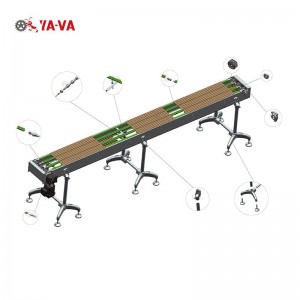
Plastic Curve Chain Flat Top Conveyor for Cells
Get in touch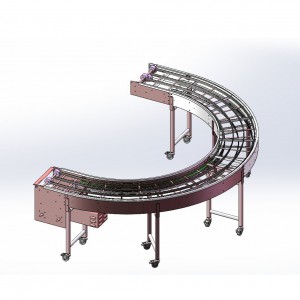
Straight and Curved Modular Belt Conveyor
Get in touchOur Strength
We are an independent company that has developed, produces and also maintains the conveyor system to ensure that our customers receive the most cost effective solutions available today.

+300 employees
Skilled professionals & engineers

3 operating units
Advanced manufacturing facilities

Represented in +30 countries
Global service and support network

+1000 projects per year
Successful worldwide deployments

About Us
YA-VA is a leading high-tech company providing intelligent conveyor solutions.
And it consists of Conveyor Components Business Unit;Conveyor Systems Business Unit; Overseas Business Unit (Shanghai Daoqin International Trading Co., Ltd.) and YA-VA Foshan Factory.
Read MoreNews and Information
Stay updated with our latest exhibition schedules, product releases, and technical insights regarding industrial conveyor systems.
YA VA Looks Forward to Welcoming You in June 2026
Join us at the upcoming international packaging and material handling exhibitions to explore the latest advancements in cleanroom-compliant conveyors.

YA-VA Thailand Bangkok PROPAC
YA-VA Thailand Bangkok PROPACK exhibition concluded successfully two days ago. We would like to express our sincere gratitude to all our valued customers for visiting our booth. Your support is the driving force behind our progress. BOOTH NO:AY38 We sincerely inv...
What is the difference between chain and belt conveyor? How many types of conveyor chains are there?
What is the difference between chain and belt conveyor? Chain conveyors and belt conveyors are both used for material handling, but they differ in design, function, and applications: 1. Basic Structure Feature Chain Conveyor Belt Conveyor Driving Mechanism Uses...
Cooperative Partners
Trusted by leading enterprises globally across automotive, food, packaging, and new energy sectors.






Comprehensive Product Range
Discover our full spectrum of conveyor components, modules, and accessories optimized for high-performance industrial applications.
Lithium Battery Cell Conveying Belts and Chains
View Details
New Energy Battery Pack Vertical Wedge Conveyors
View Details
Battery Cell Elevating Lowering and Orientation Gripper Conveyor System
View Details
YA-VA Cleated Modular Conveyor Belt for Battery Raw Materials
View Details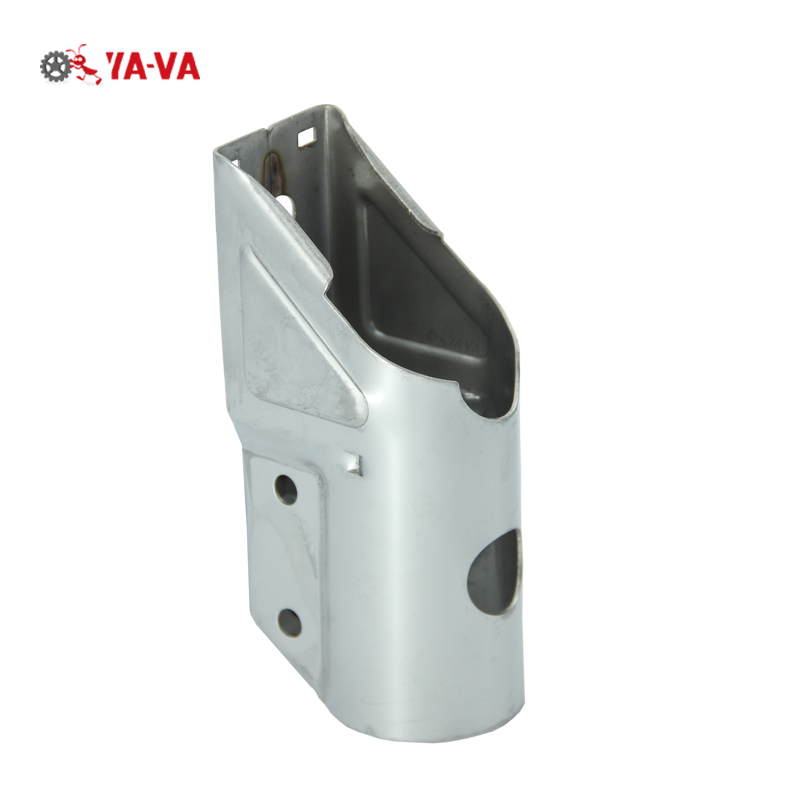
New Energy Conveyor Parts & Metal Side Backed Brackets
View Details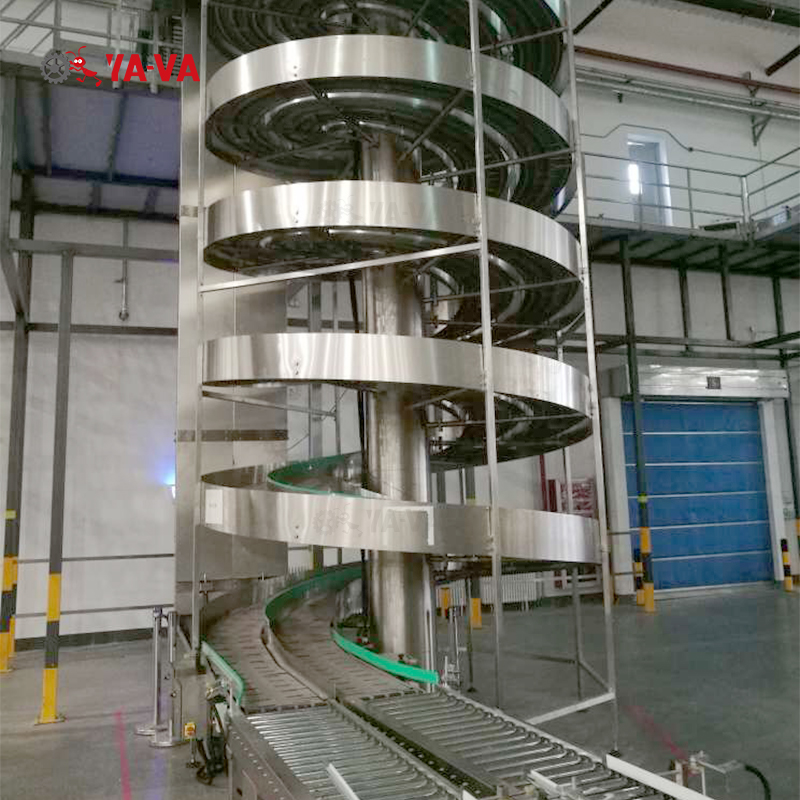
Double Lane Chain Spiral Conveyor for Battery Cell Aging
View Details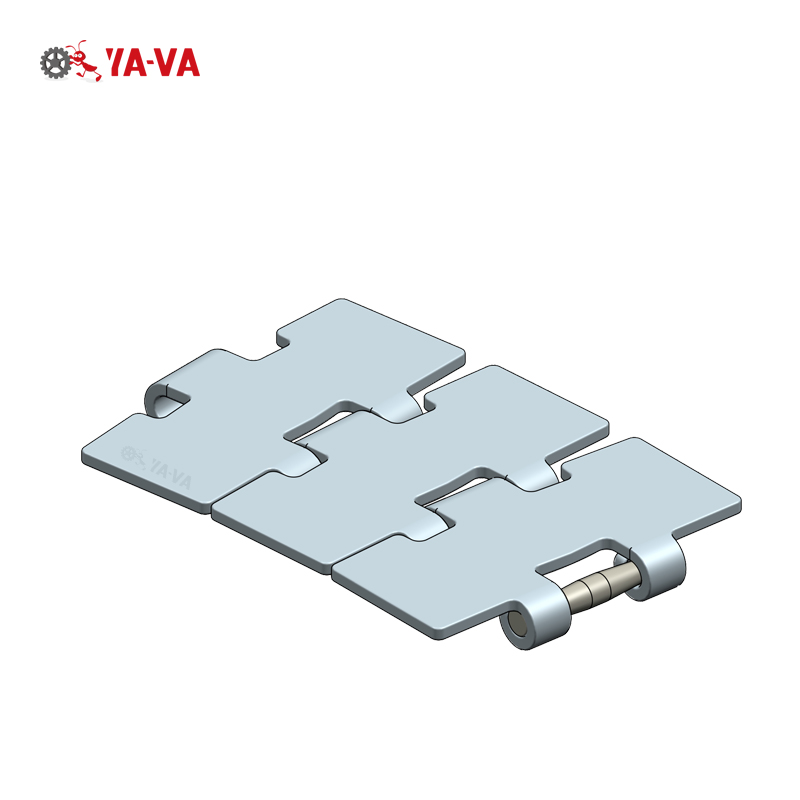
High Quality SC881 Flat Top Chains for Battery Assembly Lines
View Details