- No.1068, Nanwan Rd, Kunshan city 215341, Jiangsu Province, P. R. China
- info@ya-va.com
- +86 18017127502
Featured Food Industry Conveying Systems
Engineered with high-grade stainless steel to meet the strictest sanitation and efficiency requirements of modern food processing environments.
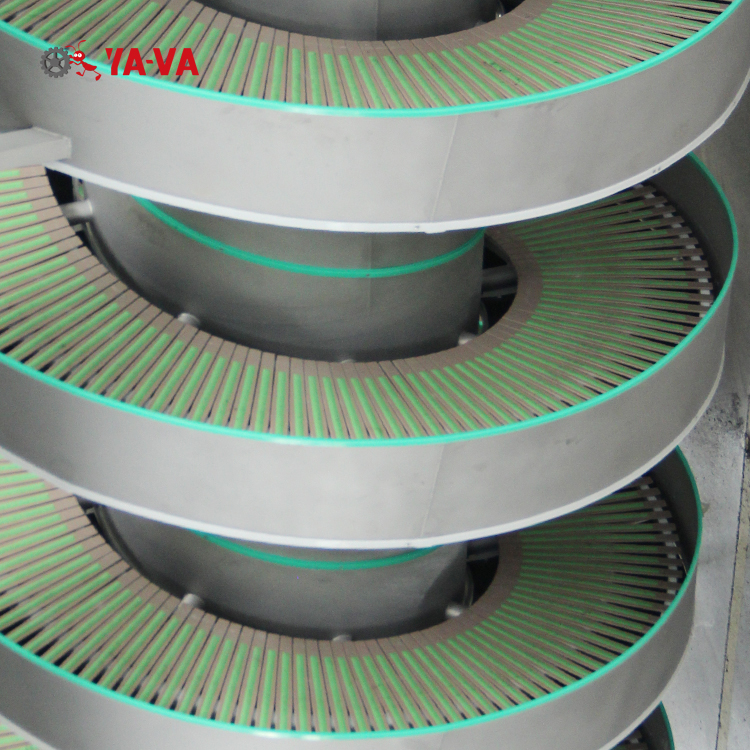
Hygienic Chain Spiral Conveyor for Vertical Bakery Cooling
View Details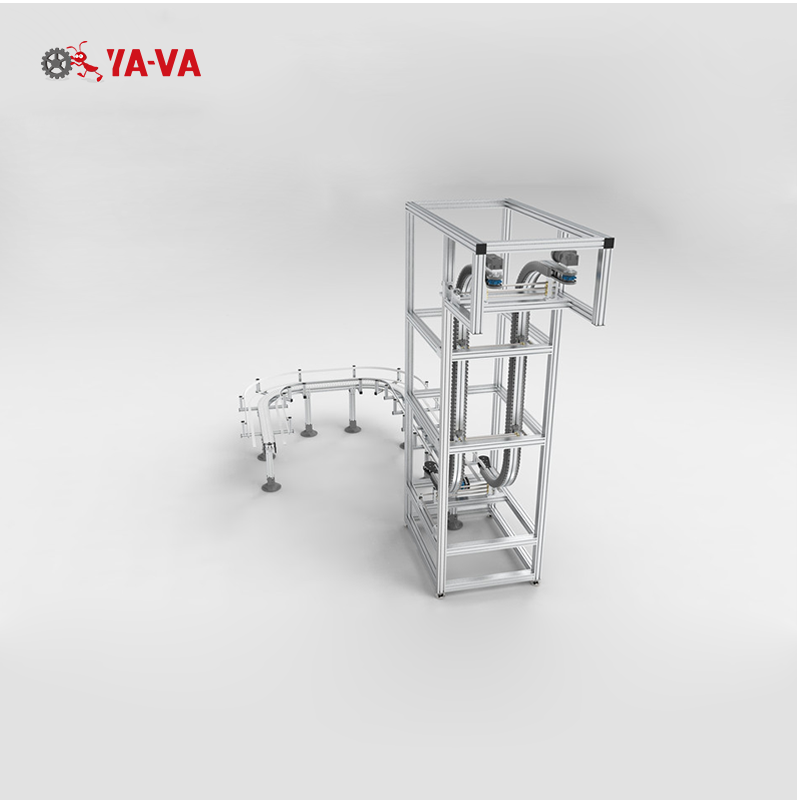
High-Speed Flexible Gripper Conveyor for Beverage Bottling Lines
View Details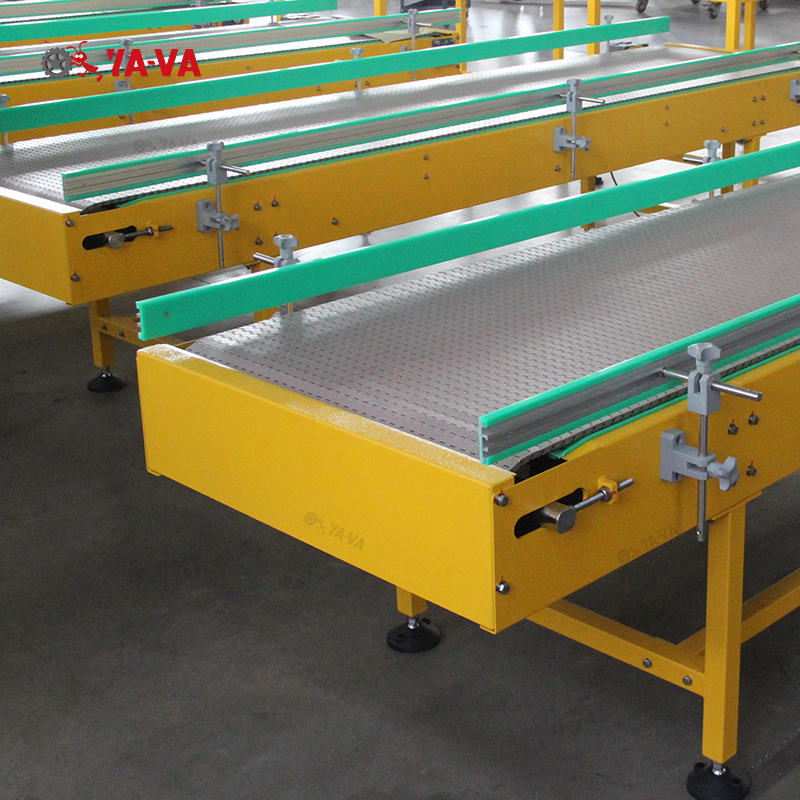
Stainless Steel Straight Modular Belt Conveyor for Meat Processing
View Details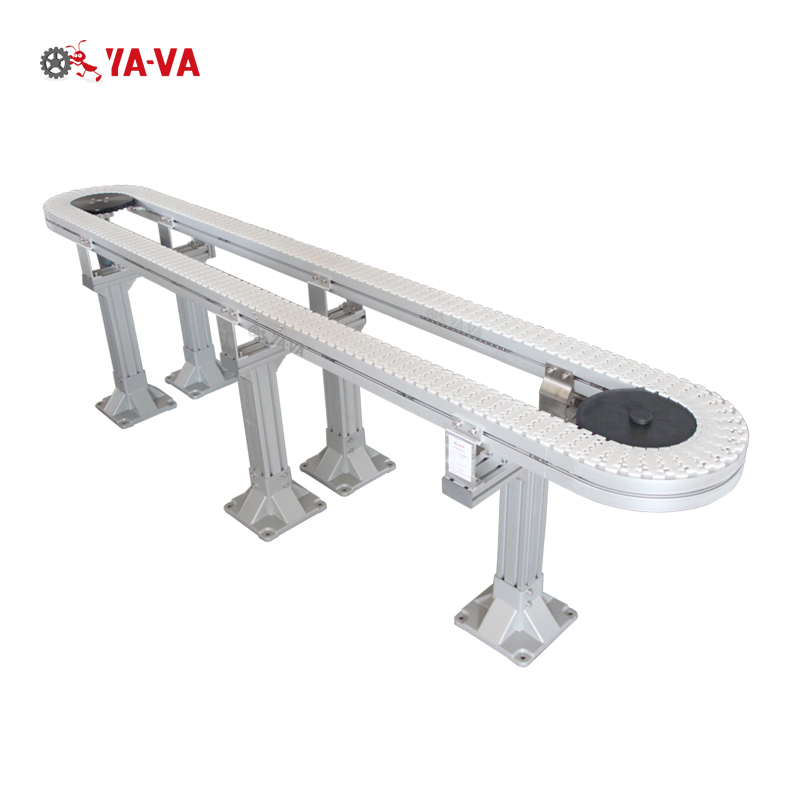
Flexible Slat Chain Conveyor System for Dairy Packaging
View DetailsThe Critical Importance of Stainless Steel Conveyors in Modern Food Processing
Why material selection and hygienic engineering define the success, safety, and compliance of global food production facilities.
In the contemporary industrial food production landscape, automation has transitioned from a competitive advantage to a fundamental operational necessity. At the heart of this automated revolution lies the conveyor system. However, conveying food products is drastically different from transporting industrial parts or consumer goods. The strict demands of hygiene, regulatory compliance, and biological safety require specialized equipment. This is where the stainless steel conveyor for the food industry steps in as an indispensable asset.
Stainless steel, particularly grades like SUS304 and SUS316L, is globally recognized as the gold standard for food contact surfaces. Unlike carbon steel or standard aluminum, stainless steel offers unparalleled resistance to corrosion, chemical sanitizers, and physical wear. In food processing, equipment is subjected to harsh washdown protocols involving high-pressure water, steam, and aggressive chemical cleaners. A conveyor system constructed from inferior materials would quickly rust, degrade, and become a breeding ground for harmful pathogens such as Listeria, Salmonella, and E. coli.
Uncompromising Hygiene and Regulatory Compliance
Food safety regulations worldwide, including the US Food and Drug Administration (FDA) guidelines, the European Hygienic Engineering & Design Group (EHEDG) standards, and the Hazard Analysis Critical Control Point (HACCP) protocols, place immense responsibility on food manufacturers to prevent contamination. Stainless steel conveyors are engineered specifically to comply with these rigorous standards. Their non-porous surfaces prevent organic materials and bacteria from embedding themselves in the structure. Furthermore, professional food-grade conveyors feature specialized designs with minimal crevices, open-frame profiles, and self-draining surfaces to ensure that no stagnant water or food residue remains after washdown cycles.
Operational Durability in Extreme Environments
The food industry operates across a vast thermal spectrum. From cryogenic blast freezers operating at -40°C to industrial baking ovens exceeding 200°C, conveyor components must maintain structural integrity and operational precision. Stainless steel exhibits minimal thermal expansion and contraction compared to plastics and other metals, ensuring that belts and chains remain aligned under volatile temperature shifts. This thermal resilience, combined with mechanical strength, ensures a long service life, drastically reducing the Total Cost of Ownership (TCO) for food processing companies.
Corrosion Resistance
Withstands aggressive chemical washdowns, high-pressure sanitization, and acidic/saline food ingredients without degrading.
Sanitary Engineering
Features open-frame profiles, continuous welds, and self-draining surfaces to eliminate bacterial harboring points.
High Adaptability
Capable of operating flawlessly in extreme environments, from deep-freeze tunnels to high-heat baking ovens.
Our Strength & Global Footprint
We are an independent company that has developed, produces and also maintains the conveyor system to ensure that our customers receive the most cost effective solutions available today.




Deep-Dive Application Scenarios in Food Processing
Analyzing how stainless steel conveyors optimize operations across diverse food sectors, from raw handling to final packaging.
1. Meat, Poultry, and Seafood Processing
The processing of raw meat and seafood presents some of the most intense sanitary challenges in the industrial world. Raw proteins carry high microbial loads and release fats, blood, and moisture that easily adhere to machinery. In these environments, stainless steel modular belt conveyors are critical. They allow for complete washdown, and the modular plastic belts can be easily cleaned or replaced in sections. The conveyor frame is constructed from polished SUS304 or SUS316L stainless steel, featuring an open design that allows sanitizing sprays to reach every internal component, ensuring no organic residue is left behind.
2. Bakery and Confectionery Production
Bakery lines require gentle product handling, cooling, and transport through high-temperature ovens. Vertical spiral conveyors made of stainless steel are highly favored in bakery plants for cooling freshly baked bread, pastries, or cookies. The spiral design maximizes vertical space, allowing products to cool naturally over a long travel distance within a compact footprint. Stainless steel is essential here because it does not absorb oils or fats from the baked goods and can withstand the heat radiating from the oven discharge points without warping.
3. Dairy and Beverage Bottling
In dairy and beverage plants, high-speed throughput and wet environments are standard. Liquid filling lines require conveyors that can handle constant spills, humidity, and acidic fruit juices or dairy proteins. Flexible gripper conveyors and slat chain conveyors are widely utilized to transport bottles, cartons, and cans through rinsing, filling, labeling, and packaging phases. The stainless steel construction prevents rust from constant exposure to liquids, while the flexible chain systems allow for tight turns and elevation changes, optimizing floor space in high-density bottling plants.
4. Frozen Foods and Ready-to-Eat (RTE) Meals
Ready-to-eat meals require extreme care to prevent post-processing contamination. The conveyors transporting cooked ingredients to packaging stations must be meticulously sanitized. Furthermore, for frozen foods, the conveyor must transition seamlessly from ambient preparation rooms into blast freezing tunnels. Stainless steel maintains its structural integrity and flexibility at sub-zero temperatures, ensuring that modular belts do not freeze, crack, or lose tension during continuous operation.
Our Featured Conveyor Solutions
More than 20 years focusing on transportation machinery R&D development and manufacturing. In the future, stronger and bigger in the industry scale and brand.

YA-VA Straight modular Belt Conveyor for Packaged Foods
Learn More
Plastic Roller Curved Conveyor for Food Carton Sorting
Learn More
Degree Chain Driven Curved Roller Conveyor for Logistics
Learn More
New Flexible Gripper Conveyors for Food Bottle Rinsing
Learn More
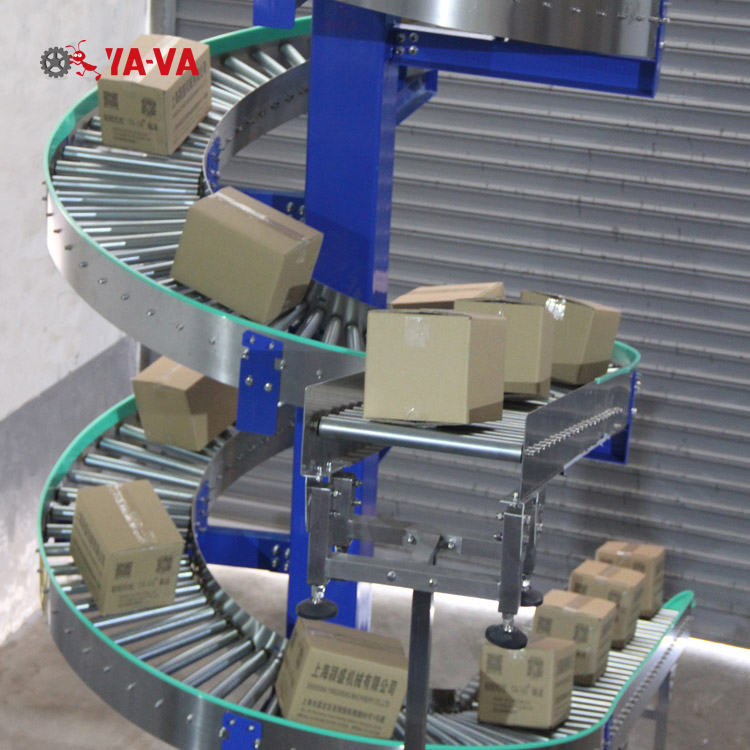
Roller Spiral Conveyor (Gravity) for Packed Food Cases
Learn More
Heavy-Duty Stainless Steel Conveyors for Raw Food Processing
Learn More
Plastic Curve Chain Conveyor Flat Top Chain Conveyor
Learn More
Straight and Curved Modular Belt Conveyor for Canning Lines
Learn More
Elevating Lowering and Orientation Gripper Conveyor System
Learn MoreTechnological Evolution & Future Trends in Food Conveying
How AI, IoT, and advanced material science are shaping the next generation of food-grade conveyor systems.
The food industry is undergoing a massive digital transformation, commonly referred to as Food Industry 4.0. Conveyors are no longer passive mechanical tracks; they are becoming intelligent, data-generating nodes within a fully connected smart factory. The integration of advanced sensors, artificial intelligence (AI), and the Internet of Things (IoT) is redefining how food manufacturers manage their production lines.
AI-Driven Automation and Smart Sorting
Modern food processing plants utilize AI-powered vision systems paired with modular belt conveyors to perform high-speed sorting and quality control. As food items pass along a stainless steel conveyor, high-resolution cameras scan each item for defects in size, color, or shape. AI algorithms process this visual data in real-time, instructing pneumatic sorting mechanisms or robotic arms to remove defective items instantly. This level of automation ensures consistency, minimizes waste, and drastically reduces the dependency on manual inspection.
Predictive Maintenance via IoT Sensors
Equipment downtime in the food industry is exceptionally costly, particularly when dealing with perishable goods. IoT sensors integrated directly into the bearings, motors, and drives of stainless steel conveyors monitor temperature, vibration, and power consumption. By analyzing these data points, predictive maintenance software can detect signs of wear before a mechanical failure occurs. Maintenance teams are alerted to schedule repairs during planned sanitation windows, preventing catastrophic, unscheduled shutdowns during peak production hours.
Sustainability and Energy Efficiency
As global environmental regulations tighten, reducing carbon footprints is a primary goal for food manufacturers. Modern conveyor designs focus heavily on energy efficiency. This includes using high-efficiency gearboxes, low-friction plastic chains, and lightweight yet structurally rigid stainless steel frame designs. Additionally, water-saving Clean-in-Place (CIP) systems are integrated directly into the conveyor frame, utilizing targeted spray nozzles that sanitize the belt using minimal water and chemical agents, supporting both environmental and operational efficiency goals.

About YA-VA
YA-VA is a leading high-tech company providing intelligent conveyor solutions. We focus on designing, manufacturing, and implementing state-of-the-art conveying systems that optimize efficiency and maintain the highest hygienic standards for global industries.
Our organization consists of several specialized business divisions to serve our clients comprehensively: Conveyor Components Business Unit; Conveyor Systems Business Unit; Overseas Business Unit (Shanghai Daoqin International Trading Co., Ltd.) and the YA-VA Foshan Factory. This structured synergy allows us to deliver end-to-end solutions, from individual spare parts to fully integrated automated production lines.
Read More About UsNews & Information
Stay updated with the latest industry insights, technological advancements, and exhibition updates from YA-VA.
YA VA Looks Forward to Welcoming You in June 2026
Join us at our upcoming global exhibitions where we will showcase our latest range of intelligent, food-grade stainless steel conveyor systems and modular components.
View Details →
YA-VA Thailand Bangkok PROPAC
YA-VA Thailand Bangkok PROPACK exhibition concluded successfully. We express our sincere gratitude to all our valued customers for visiting our booth (BOOTH NO: AY38). Your support is our driving force.
View Details →What is the difference between chain and belt conveyor?
Chain conveyors and belt conveyors are both widely used for material handling, but they differ significantly in design, function, and application scenarios. Learn which one fits your food processing line best.
View Details →Our Cooperative Partners
Trusted by leading enterprises globally to deliver reliable, efficient, and hygienic material handling operations.






Food Grade Stainless Steel Conveyor Series
Explore our complete range of high-sanitation conveying systems and modular components designed specifically for the food industry.
Hygienic Chain Spiral Conveyor for Vertical Bakery Cooling
View Details
High-Speed Flexible Gripper Conveyor for Beverage Bottling Lines
View Details
Stainless Steel Straight Modular Belt Conveyor for Meat Processing
View Details
Flexible Slat Chain Conveyor System for Dairy Packaging
View Details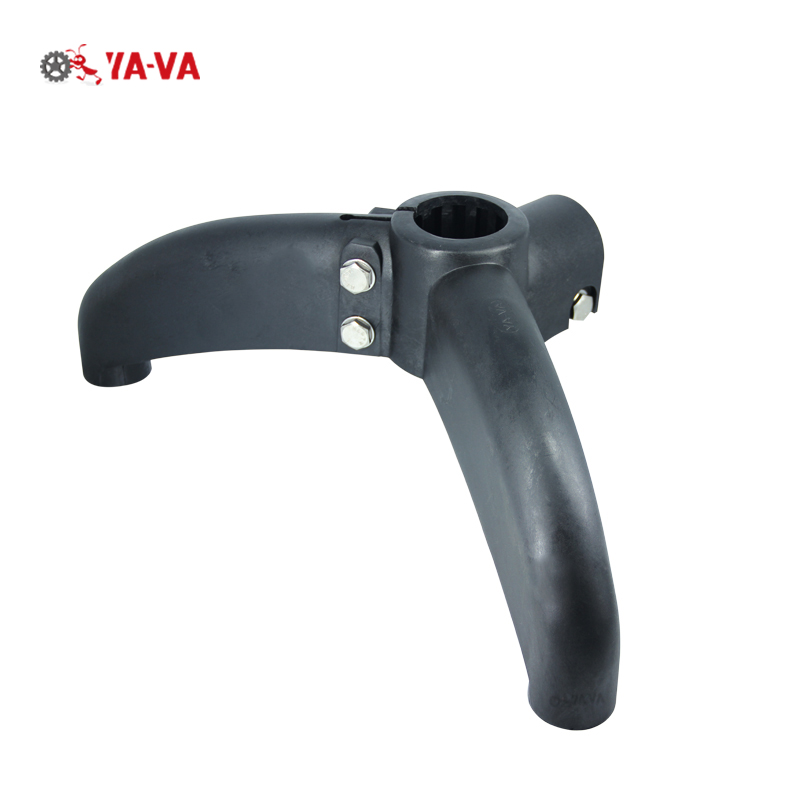
Corrosion-Resistant Conveyor Bipod Base for Washdown Environments
View Details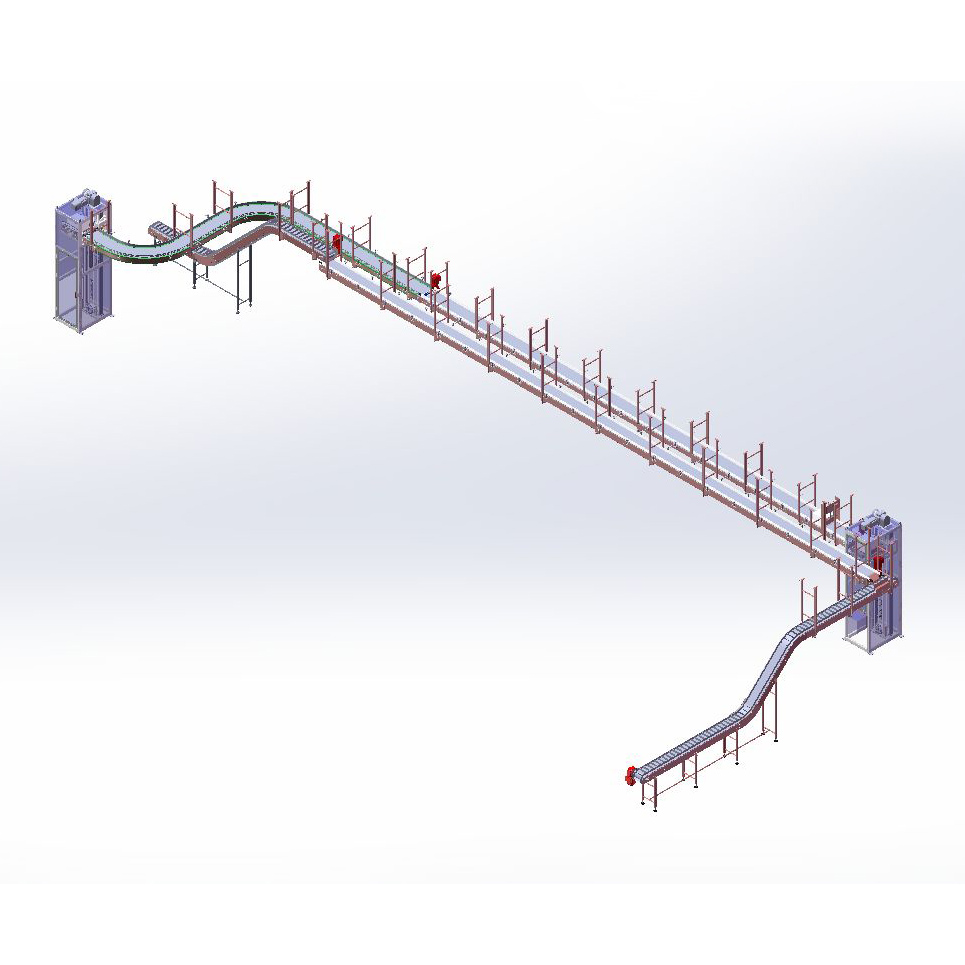
Continuous Vertical Lift Conveyor for Food Carton & Bag Handling
View Details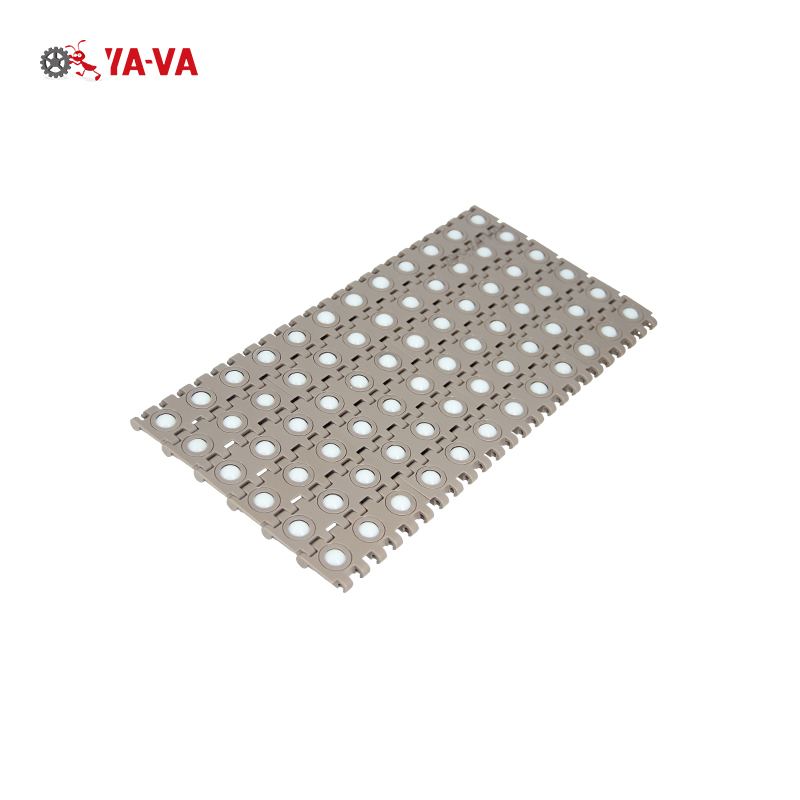
Universal Ball Modular Belt Conveyor for Food Package Sorting
View Details