- No.1068, Nanwan Rd, Kunshan city 215341, Jiangsu Province, P. R. China
- info@ya-va.com
- +86 18017127502
Featured Sanitary Conveying Solutions
Precision-engineered systems designed to meet the rigorous hygiene and safety standards of pharmaceutical manufacturing lines.
The Critical Role of Stainless Steel Conveyors in Modern Pharmaceutical Manufacturing
In the highly regulated and precision-driven landscape of pharmaceutical manufacturing, maintaining product integrity, ensuring sterile conditions, and optimizing throughput are paramount. The choice of material handling equipment plays a central role in achieving these objectives. A Stainless Steel Conveyor For Pharmaceutical Industry application is not merely a utility; it is a critical, engineered system designed to meet the most stringent sanitation standards while facilitating seamless automated production. From bulk active pharmaceutical ingredients (APIs) to finished vials, syringes, blister packs, and cartons, modern pharmaceutical facilities rely heavily on high-grade stainless steel conveyor systems to transport delicate products safely through various stages of processing, inspection, and packaging.
Why Stainless Steel is the Gold Standard in Pharmaceutical Conveying
Why has stainless steel become the undisputed gold standard for pharmaceutical conveying systems? The answer lies in its unique material properties and its ability to withstand the harsh environments typical of pharmaceutical cleanrooms and washdown areas. Unlike carbon steels or standard plastics, stainless steel—specifically AISI 304 and AISI 316L grades—offers exceptional resistance to corrosion, chemical sanitizers, and high-temperature cleaning procedures.
In pharmaceutical manufacturing, equipment must undergo frequent, aggressive Clean-in-Place (CIP) and Sterilize-in-Place (SIP) protocols. The chemical agents used, including chlorine-based sanitizers, hydrogen peroxide, and strong acids or bases, would rapidly degrade lesser materials. AISI 316L, with its addition of molybdenum, provides superior resistance to pitting and crevice corrosion, making it the preferred choice for direct-contact parts or environments with high humidity and chemical exposure.
Furthermore, the surface finish of the stainless steel is carefully controlled. Standard pharmaceutical specifications require a surface roughness (Ra) of less than 0.8 micrometers (often achieved through mechanical polishing or electropolishing). This ultra-smooth finish minimizes microscopic crevices where bacteria, mold, or product residues could accumulate, ensuring that the conveyor frame and components remain sterile and easy to sanitize.
Deep Dive into Application Scenarios in Pharmaceutical Production
To appreciate the versatility and necessity of stainless steel conveyors in this industry, we must examine their specific application scenarios across the production lifecycle:
1. Processing and Formulation of Active Ingredients
In the early stages of pharmaceutical production, raw materials, powders, and granules are processed into final dosage forms like tablets or capsules. Stainless steel conveyors equipped with specialized food-grade or pharmaceutical-grade belts transport bulk materials to tablet presses, capsule filling machines, and granulators. These systems must prevent cross-contamination and dust accumulation. Closed-frame designs and integrated dust extraction ports ensure a clean operating environment.
2. Primary Packaging Lines (Sterile and Non-Sterile)
Once the medicine is formed, it enters the primary packaging phase, where it comes into direct contact with its packaging material (e.g., vials, ampoules, syringes, or blister cards). Conveyors in this zone must operate within cleanrooms (often ISO Class 5 to ISO Class 8). YA-VA's stainless steel conveyors are engineered with non-sloughing materials, low-friction components, and minimal moving parts to eliminate particle generation that could contaminate sterile products. They handle fragile glass containers with extreme precision, utilizing gentle side guides and smooth transitions to prevent breakage or cosmetic damage.
3. Secondary and Tertiary Packaging
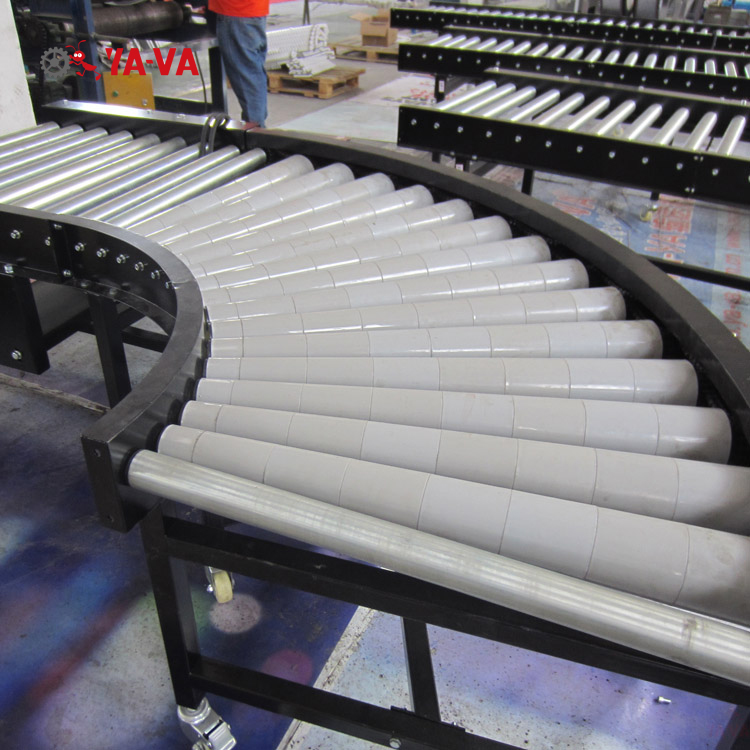
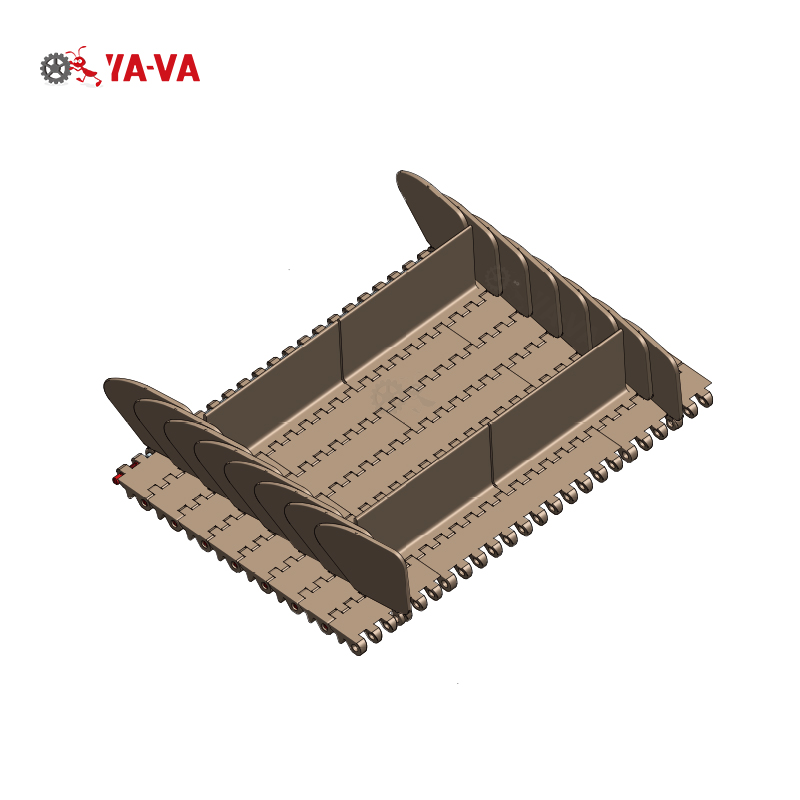
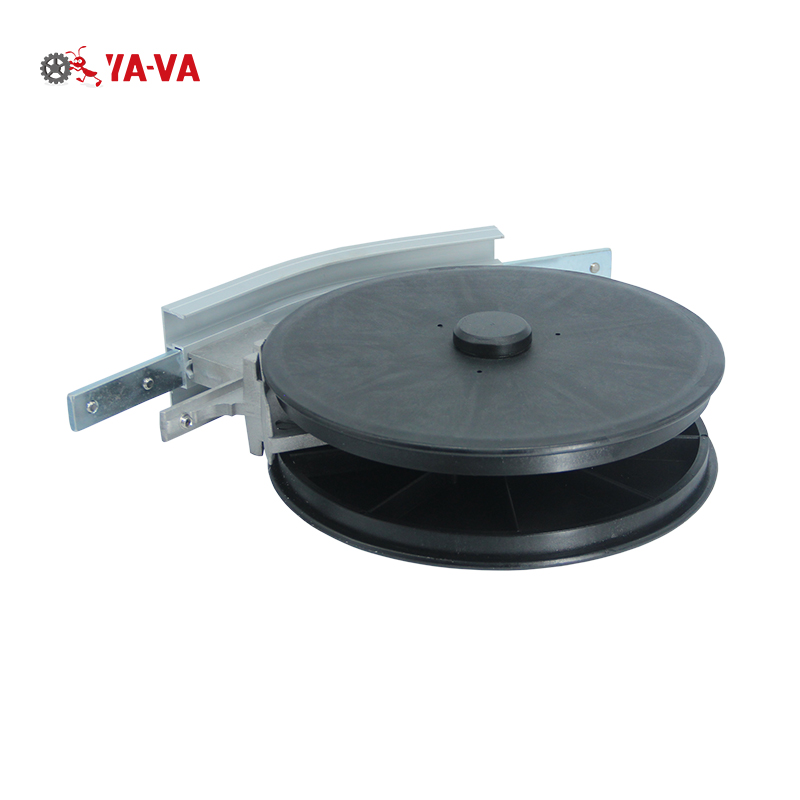
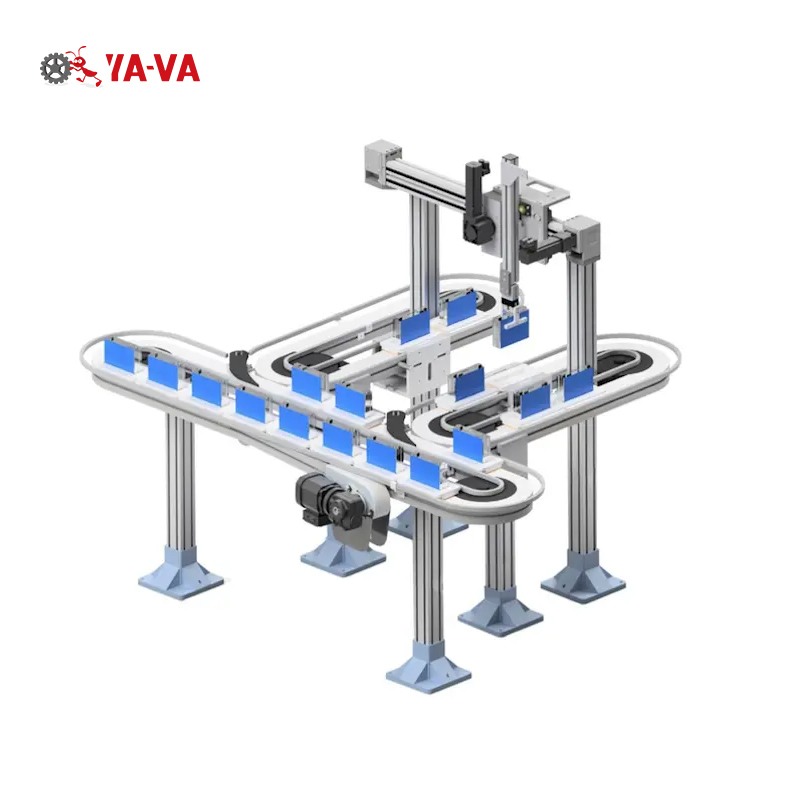
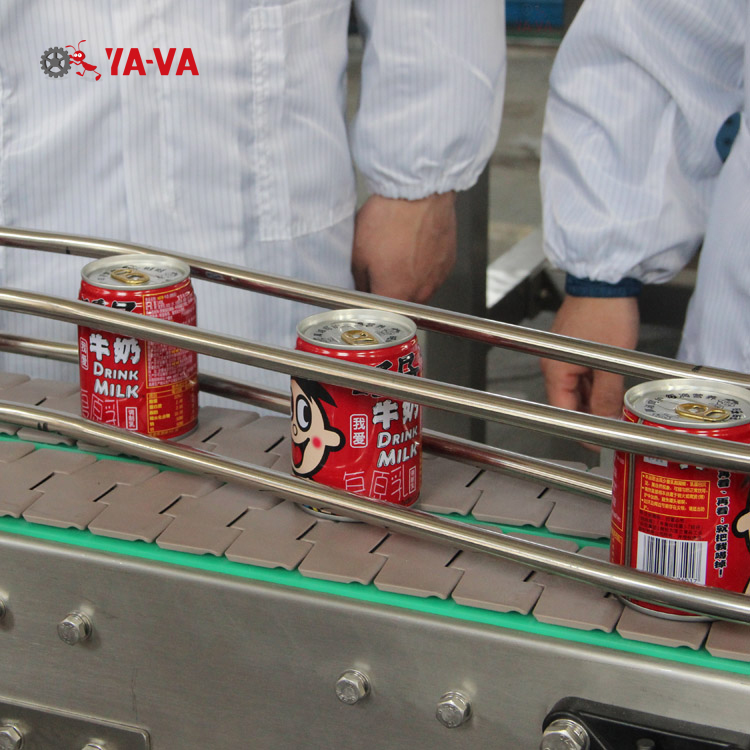
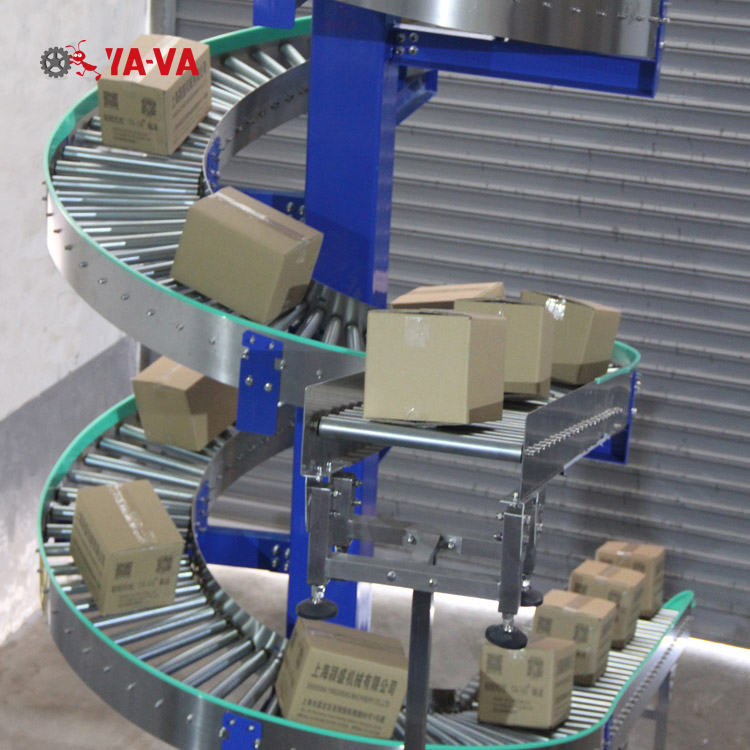
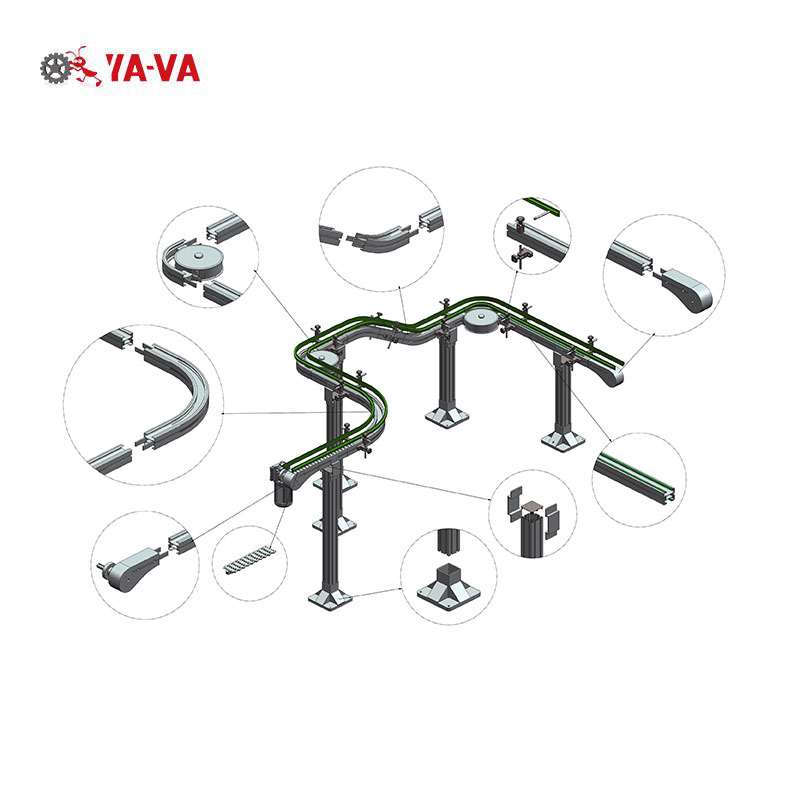
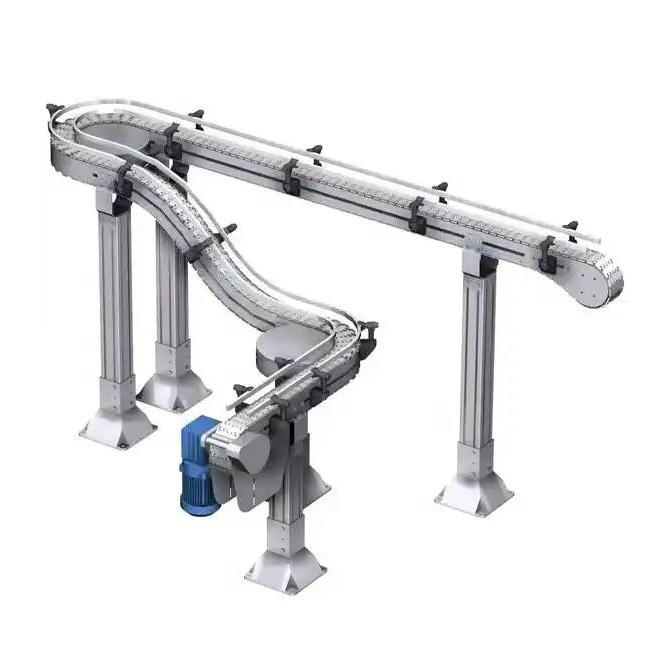
After the medicine is sealed inside its primary container, it moves to secondary packaging, where it is cartoned, labeled, and bundled. Here, high-speed throughput and reliability are key. Stainless steel modular belt and flexible chain conveyors, such as the YA-VA Flex Chain Conveyor System, are used to route products through cartoning machines, checkweighers, metal detectors, and labeling systems. The flexibility of these systems allows for tight turns, elevation changes, and precise positioning, maximizing floor space utilization.
4. Serialization and Track-and-Trace
Global regulatory bodies mandate strict serialization and track-and-trace capabilities to combat counterfeit drugs. Conveyor systems must integrate seamlessly with vision systems, barcode scanners, and rejection mechanisms. Stainless steel conveyors provide the rigid, vibration-free platform necessary for high-speed cameras to capture clean images of 2D data matrix codes on individual packages. If a code is unreadable or incorrect, the conveyor's pneumatic reject arm or air-blast system immediately diverts the product from the main line without interrupting the flow.
Our Strength
We are an independent company that has developed, produces and also maintains the conveyor system to ensure that our customers receive the most cost effective solutions available today.





About Us
YA-VA is a leading high-tech company providing intelligent conveyor solutions.
And it consists of Conveyor Components Business Unit; Conveyor Systems Business Unit; Overseas Business Unit (Shanghai Daoqin International Trading Co., Ltd.) and YA-VA Foshan Factory.
Read MoreIndustrial Trends & Technological Advancements in Pharmaceutical Conveying
The pharmaceutical conveying landscape is undergoing a rapid transformation driven by technological innovation and shifting market demands. As pharmaceutical companies strive for greater agility, efficiency, and compliance, conveyor systems have evolved from simple transport mechanisms into sophisticated, data-driven automation assets.
AI-Powered Predictive Maintenance and IoT
Modern pharmaceutical facilities are embracing Industry 4.0. Conveyor systems are no longer passive mechanical devices; they are smart, connected assets. By embedding sensors into critical points of the stainless steel conveyor—such as bearings, motors, and drive units—manufacturers can monitor temperature, vibration, and belt tension in real-time. AI algorithms analyze this data to predict component failures before they occur, allowing maintenance teams to schedule repairs during planned shutdowns rather than facing costly unscheduled downtime.
Modular and Tool-less Designs for Rapid Changeovers
The rise of personalized medicine and orphan drugs has led to smaller batch sizes and more frequent product changeovers. To maintain high efficiency, pharmaceutical companies require highly flexible conveyor systems. Modern stainless steel conveyors feature modular designs with quick-release mechanisms, allowing operators to adjust guide rails, change belts, or reconfigure the line layout within minutes without the need for specialized tools. This drastically reduces downtime and prevents cross-contamination between different product runs.
Key Design Considerations for Cleanroom Integration
Designing a stainless steel conveyor for the pharmaceutical industry requires a deep understanding of sanitary engineering principles. Every detail, from the selection of fasteners to the geometry of the frame, must be optimized to prevent bacterial growth and facilitate cleaning.
- Elimination of Horizontal Surfaces: Horizontal surfaces can collect water, dust, and product debris. Pharmaceutical conveyors feature sloped frames and round tubing to ensure that water drains off completely during washdowns, preventing pooling and subsequent microbial growth.
- Avoidance of Hollow Tubing and Crevices: Hollow structures can harbor bacteria if moisture penetrates them. Therefore, high-quality pharmaceutical conveyors utilize solid stainless steel bars or fully sealed, continuous-welded hollow sections. Threaded fasteners are minimized, and where they are necessary, hygienic dome nuts and sealing washers are used to eliminate exposed threads.
- FDA-Compliant Wear Strips and Belts: All plastic and elastomeric materials used in the conveyor—such as wear strips, guide rails, and modular belts—must be FDA-compliant, USP Class VI certified, and resistant to chemical degradation from sanitizers.
Feature Products
More than 20 years focusing on transportation machinery R&D development and manufacturing, In the future Stronger and bigger in the industry scale and brand.

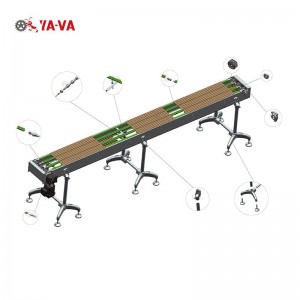
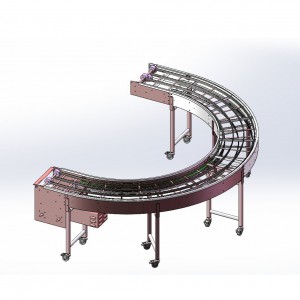
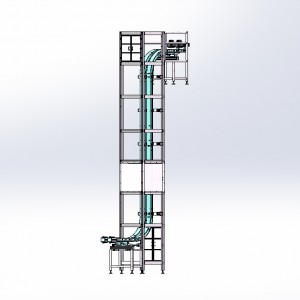
Hygienic Chain Conveyors for Pharmaceutical Lines
Flexible slat chain conveyor products lines cover a wide range of applications. These multiflexing conveyor systems use plastic chains in many configurations...
Get in touch


News and Information
Stay updated with the latest trends, exhibitions, and technical insights from the conveying industry.
YA VA Looks Forward to Welcoming You in June 2026
Join us at our upcoming global showcase where we present our latest advancements in AI-driven material handling and cleanroom-compliant stainless steel conveyor systems.

YA-VA Thailand Bangkok PROPAC
YA-VA Thailand Bangkok PROPACK exhibition concluded successfully. We would like to express our sincere gratitude to all our valued customers for visiting our booth. Your support is the driving force behind our progress.
What is the difference between chain and belt conveyor? How many types of conveyor chains are there?
Chain conveyors and belt conveyors are both used for material handling, but they differ in design, function, and applications. Chain conveyors use linked chains to drive materials directly, making them ideal for heavy or high-temperature items, while belt conveyors use a continuous loop of flexible material...
Our Partners






Complete Sanitary Conveyor Product Range
Explore our full line of FDA-compliant, washdown-ready stainless steel conveyors and components designed specifically for the pharmaceutical and biotech industries.