- No.1068, Nanwan Rd, Kunshan city 215341, Jiangsu Province, P. R. China
- info@ya-va.com
- +86 18017127502
Specialized Pharmaceutical Conveying Components
The Crucial Role of Plastic Conveyor Chains in Modern Pharmaceutical Production
In the highly regulated environment of pharmaceutical manufacturing, every piece of machinery must conform to strict standards of hygiene, precision, and reliability. Among these components, the choice of conveying systems is vital to ensuring efficient operations. Historically, stainless steel chains dominated the market. However, the modern era has witnessed a significant shift toward **Plastic Conveyor Chains for the Pharmaceutical Industry**. Engineering polymers like Polyoxymethylene (POM), Polypropylene (PP), and Polyethylene (PE) have replaced traditional metals because they meet cleanroom requirements, reduce contamination risks, and maintain the integrity of delicate pharmaceutical products.
Whether conveying small glass vials, ampoules, heavy boxes of packaged medication, or delicate pre-filled syringes, plastic conveyor chains offer the flexibility, chemical resistance, and low-noise properties required to keep pharmaceutical lines running smoothly. YA-VA, a leader in intelligent conveyor solutions, has engineered specialized plastic chain systems that address the unique challenges of the pharmaceutical sector, ensuring compliance with global regulatory standards such as the FDA and EU Annex 1.
Why Hygiene and Contamination Control Dictate Conveyor Design
In pharmaceutical manufacturing, contamination can lead to catastrophic product recalls and compromise patient safety. The revised EU Annex 1 guidelines place strict limits on particulate contamination in sterile environments. Traditional metal chains generate microscopic steel dust due to metal-on-metal friction. Plastic conveyor chains eliminate this risk entirely. They operate without external lubrication, preventing oil mist or grease from coming into contact with medicine containers, thus preserving product purity.
Commercial and Industrial Status of Pharmaceutical Conveying Systems
The global pharmaceutical market is expanding, driven by the rise of biopharmaceuticals, personalized medicine, and global vaccination campaigns. To meet this demand, manufacturers must scale up production while keeping operational costs down. This commercial pressure has accelerated the adoption of automated, high-speed conveying systems.
Industrial statistics indicate that the market for cleanroom-compatible conveying components is growing at a compound annual growth rate (CAGR) of over 6.5%. Plant managers and engineering firms now specify modular plastic conveyor chains as the standard for new installations. This shift is driven by the need for quick changeovers, reduced downtime, and lower total cost of ownership (TCO). Unlike metal chains that require extensive maintenance and are prone to rust when exposed to chemical washdowns, plastic chains offer long-term durability and resistance to aggressive cleaning agents.
Furthermore, the integration of smart manufacturing—or Industry 4.0—has reshaped the commercial landscape. Modern pharmaceutical facilities require conveyors that do not just transport products, but also communicate with central control systems. Plastic chains, with their non-magnetic properties and compatibility with various sensors, serve as the physical backbone for these smart, connected production lines.
Key Material Advantages of Plastic Conveyor Chains
The performance of a conveyor system in a pharmaceutical plant depends heavily on the materials used. YA-VA utilizes high-performance, medical-grade plastics designed to withstand the harsh conditions of pharmaceutical manufacturing:
- FDA and GMP Compliance: All plastics used in our conveyor chains are certified for direct contact with food and drugs, ensuring that no harmful chemicals leach into the products.
- Chemical Resistance: Pharmaceutical lines undergo frequent Clean-in-Place (CIP) and Sterilization-in-Place (SIP) procedures. Our chains resist aggressive sanitizing agents, including Vaporized Hydrogen Peroxide (VHP), chlorine solutions, and alcohol-based disinfectants.
- Low Friction and Self-Lubricating Properties: Engineering plastics like POM contain built-in lubricants. This allows the chain to slide smoothly over wear strips without external oil or grease, minimizing wear and extending service life.
- Noise Reduction: High-speed metal conveyors can generate noise levels exceeding 80 dB, which is hazardous to operators. Plastic chains damp vibrations, keeping noise levels well below 60 dB to create a safer work environment.
- Electrostatic Discharge (ESD) Protection: For lines handling dry powders or sensitive electronic drug delivery devices, static electricity can cause dust accumulation or product defects. YA-VA offers antistatic plastic chains that safely dissipate electrical charges.
In-Depth Application Scenarios in Pharmaceutical Production
Plastic conveyor chains are versatile and can be configured for various stages of the pharmaceutical manufacturing process. Below are the primary application scenarios where these systems excel:
1. Sterile Vial and Ampoule Filling Lines
During the liquid filling process, small glass vials and ampoules must travel at high speeds without tipping over or colliding. Tipping causes line stoppages and expensive product loss. Micro-pitch plastic flat top chains provide an ultra-flat, continuous surface that minimizes the gap between links, ensuring smooth transitions even for small 2ml vials. The low-vibration movement of these chains prevents glass-on-glass impact, reducing the risk of micro-cracks that could compromise sterility.
2. Pre-Filled Syringe Assembly and Cartridge Processing
Pre-filled syringes are delicate and highly susceptible to scratching or cosmetic damage. Side-flexing gripper chains gently hold the syringe barrels, elevating or lowering them between assembly stages without applying excessive pressure. This soft-handling capability prevents micro-cracks in the glass or plastic barrels, maintaining the integrity of the sterile barrier.
3. Blister Packaging and Secondary Cartoning Automation
Once tablets or capsules are sealed into blister packs, they must be rapidly grouped, oriented, and fed into cartoning machines. Modular plastic belt conveyors with integrated rollers or friction pads allow for accumulation, sorting, and high-speed indexing. The flexibility of plastic chains allows for complex multi-flexing layouts, enabling lines to bend around structural pillars and maximize floor space.
4. Cleanroom Optical Inspection Systems
Modern pharmaceutical quality control relies heavily on automated camera inspection systems that scan for particulates inside liquid vials. Vibration during transport can interfere with camera focus and cause false rejects. Precision-molded plastic chains offer extremely stable movement, eliminating vibrations and ensuring high-accuracy inspection results.
Unlocking Space Efficiency with Multi-Flexing Layouts
Pharmaceutical cleanrooms are expensive to build and maintain, making floor space highly valuable. Plastic conveyor chains can bend horizontally and vertically in tight spaces. This flexibility allows engineers to design compact, multi-tier conveying paths, such as alpine accumulation systems or vertical wedge elevators, without sacrificing cleanroom space.
Development Trends in Pharmaceutical Conveyor Technology
As the pharmaceutical industry embraces digitalization and sustainability, conveyor technology is evolving to meet new requirements:
Smart Conveyors and Predictive Maintenance
The integration of IoT (Internet of Things) sensors into plastic conveyor chains is a growing trend. Sensors embedded in the chain links or wear strips monitor chain tension, temperature, and wear rates in real-time. This data is transmitted to a centralized PLC, enabling predictive maintenance. Operators can replace worn links during scheduled maintenance windows, avoiding unexpected downtime that could disrupt production schedules.
Modular Reconfigurability for Small-Batch Production
The rise of personalized medicine, such as CAR-T cell therapies, means factories must handle smaller batches with frequent product changeovers. Modular conveyor systems allow operators to quickly adjust guide rails, width, and routing without tools. This reduces changeover times from hours to minutes, helping manufacturers remain agile.
Sustainability and Eco-Friendly Materials
Many pharmaceutical companies have set ambitious carbon reduction goals. In response, manufacturers are developing conveyor chains made from bio-based or recycled engineering plastics. These eco-friendly materials must still meet cleanroom compliance and mechanical strength requirements, offering a sustainable alternative for modern facilities.
Conclusion: Partnering with YA-VA for Intelligent Conveying
Selecting the right conveyor system is critical for maintaining high efficiency, product quality, and regulatory compliance in pharmaceutical manufacturing. Plastic conveyor chains have proven to be a reliable and hygienic choice for cleanroom environments. With over 20 years of R&D experience, YA-VA provides intelligent, customized conveyor solutions designed specifically for the pharmaceutical industry. By partnering with YA-VA, manufacturers can optimize their production lines, minimize downtime, and ensure compliance with global standards.
Our Strength
We are an independent company that has developed, produces and also maintains the conveyor system to ensure that our customers receive the most cost effective solutions available today.

+300 employees

3 operating units

Represented in +30 countries

+1000 projects per year

About Us
YA-VA is a leading high-tech company providing intelligent conveyor solutions.
And it consists of Conveyor Components Business Unit;Conveyor Systems Business Unit; Overseas Business Unit (Shanghai Daoqin International Trading Co., Ltd.) and YA-VA Foshan Factory.

CHAIN CONVEYORS
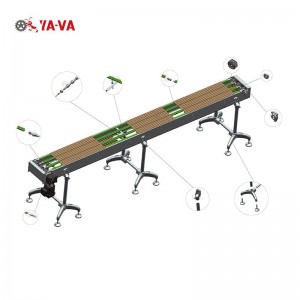
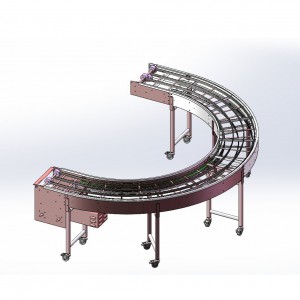
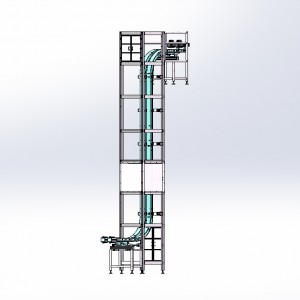
Flexible slat chain conveyor products lines cover a wide range of applications. These multiflexing conveyor systems use plastic chains in many configurations....
Get in touchFeature Products
More than 20 years focusing on transportation machinery R&D development and manufacturing, In the future Stronger and bigger in the industry scale and brand


News and Information
YA VA Looks Forward to Welcoming You in June 2026
Stay tuned for our upcoming industry exhibitions and advanced pharmaceutical conveying technology launches.
View Details
YA-VA Thailand Bangkok PROPAC
YA-VA Thailand Bangkok PROPACK exhibition concluded successfully two days ago. We would like to express our sincere gratitude to all our valued customers for visiting our booth. Your support is the driving force behind our progress. BOOTH NO:AY38 We sincerely inv...
View DetailsWhat is the difference between chain and belt conveyor? How many types of conveyor chains are there?
What is the difference between chain and belt conveyor? Chain conveyors and belt conveyors are both used for material handling, but they differ in design, function, and applications: 1. Basic Structure Feature Chain Conveyor Belt Conveyor Driving Mechanism Uses...
View Details





Complete Range of Pharmaceutical Plastic Conveyor Chains & Accessories
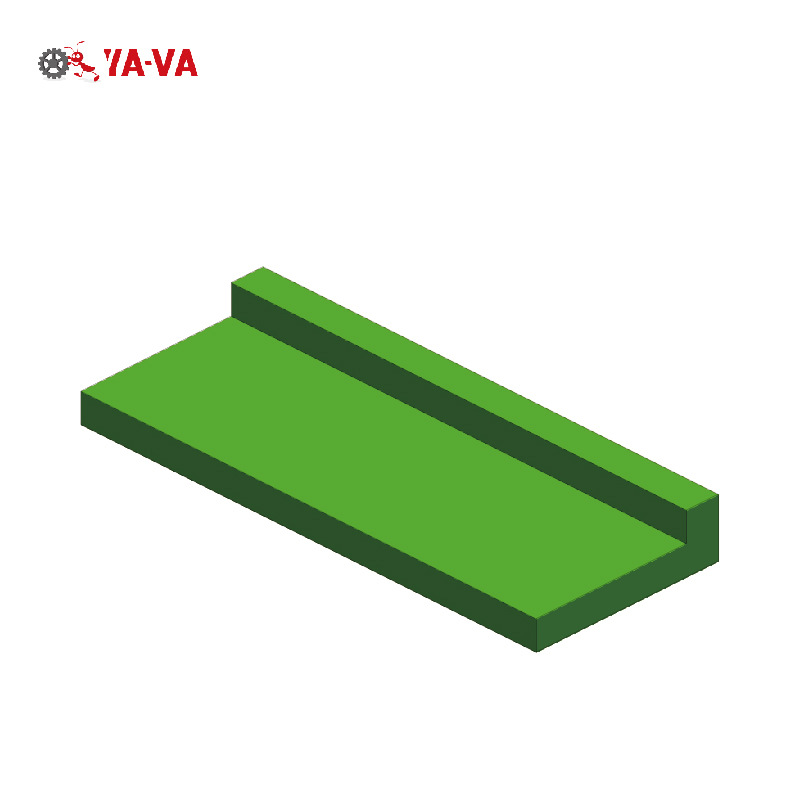
Ultra-Low Friction Chain Guide Profile for Pharmaceutical Vial Lines
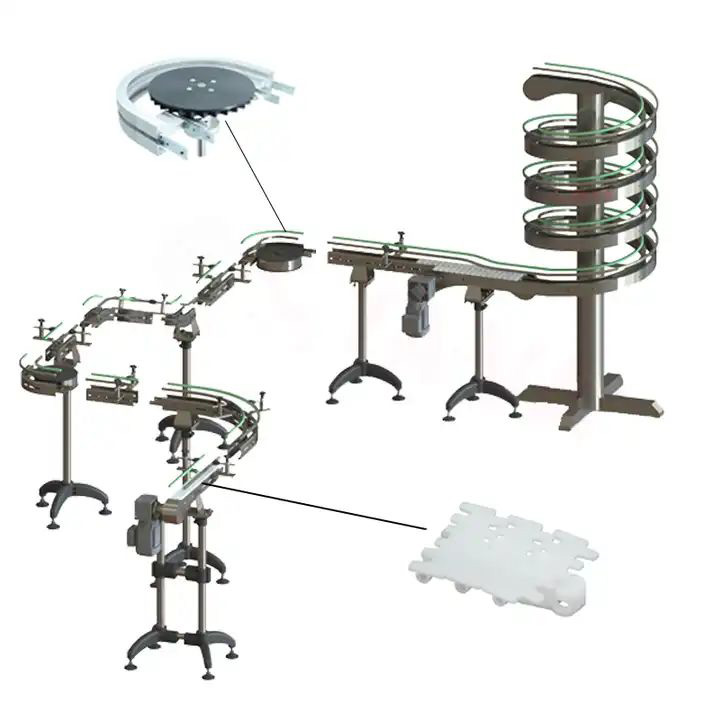
GMP-Compliant Pharmaceutical Conveyor System Components
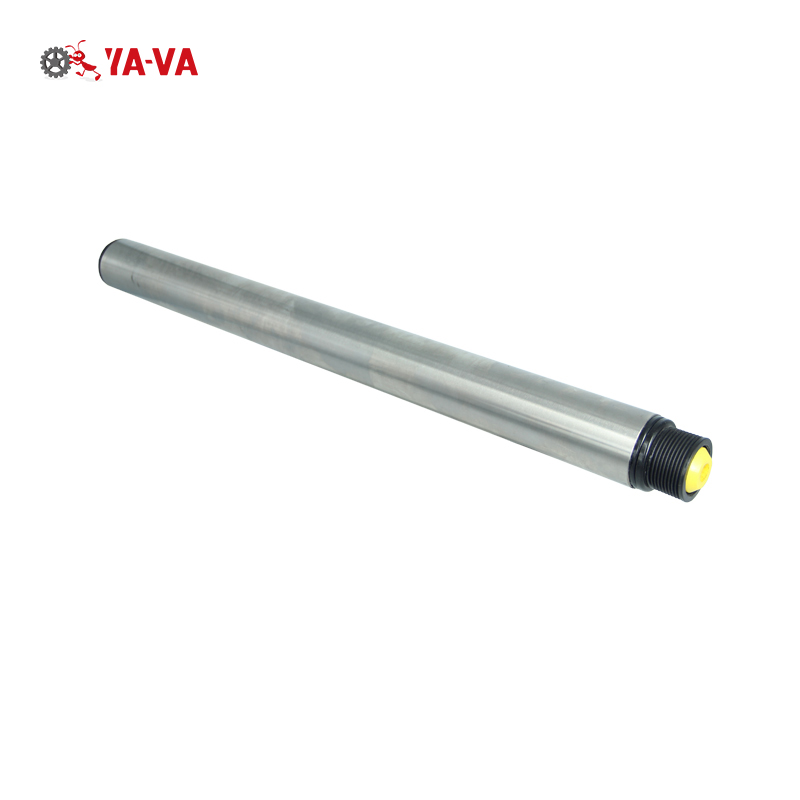
Precision Cleanroom Conveyor Roller for Medicine Box Transport
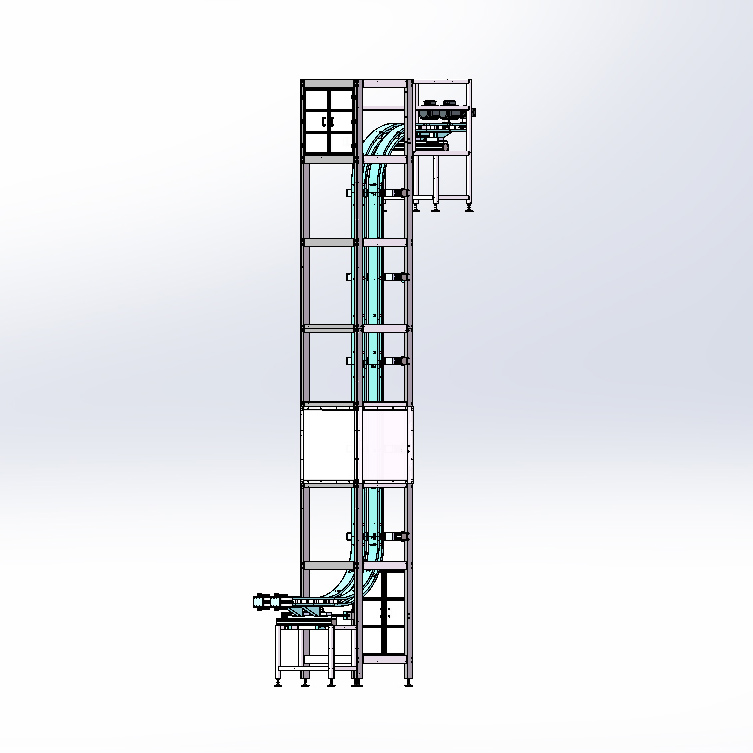
Pharmaceutical Bottle Elevating & Orientation Gripper Conveyor System
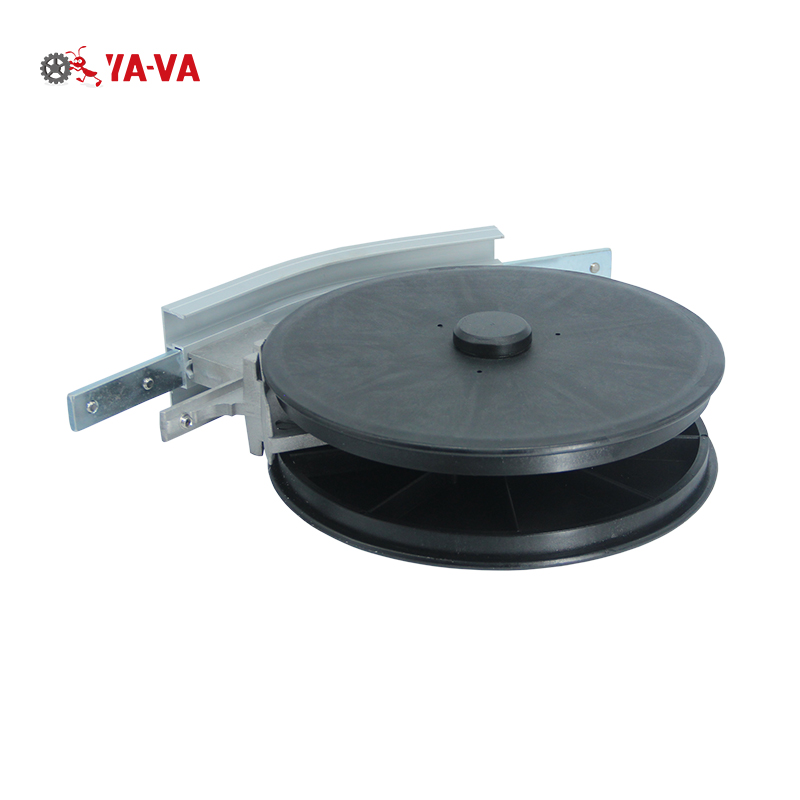
High-Flexibility Aluminum Wheel Bend for Pharmaceutical Transition Systems
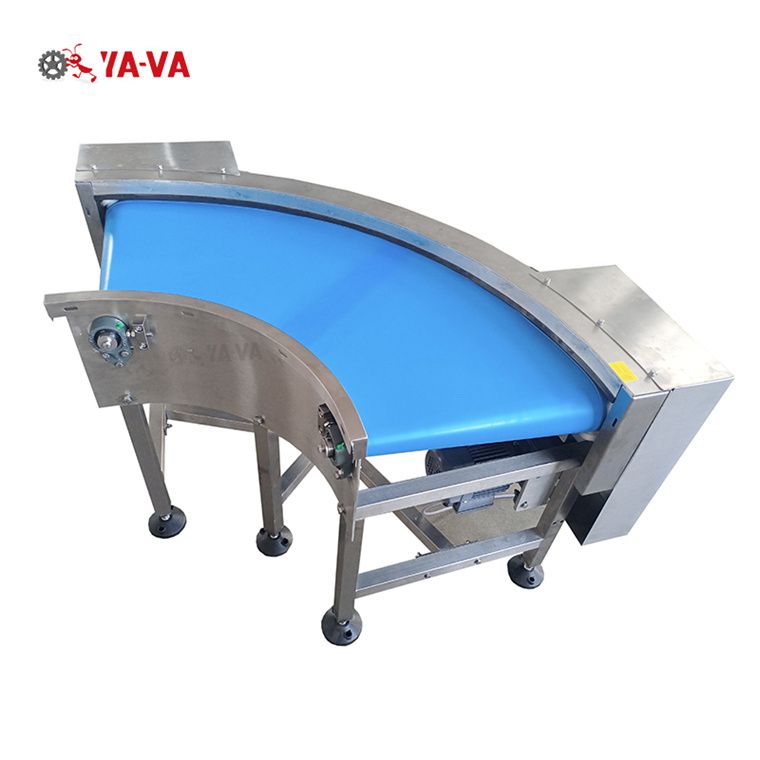
Hygienic Curved Belt Conveyor for Vaccine Packaging Lines
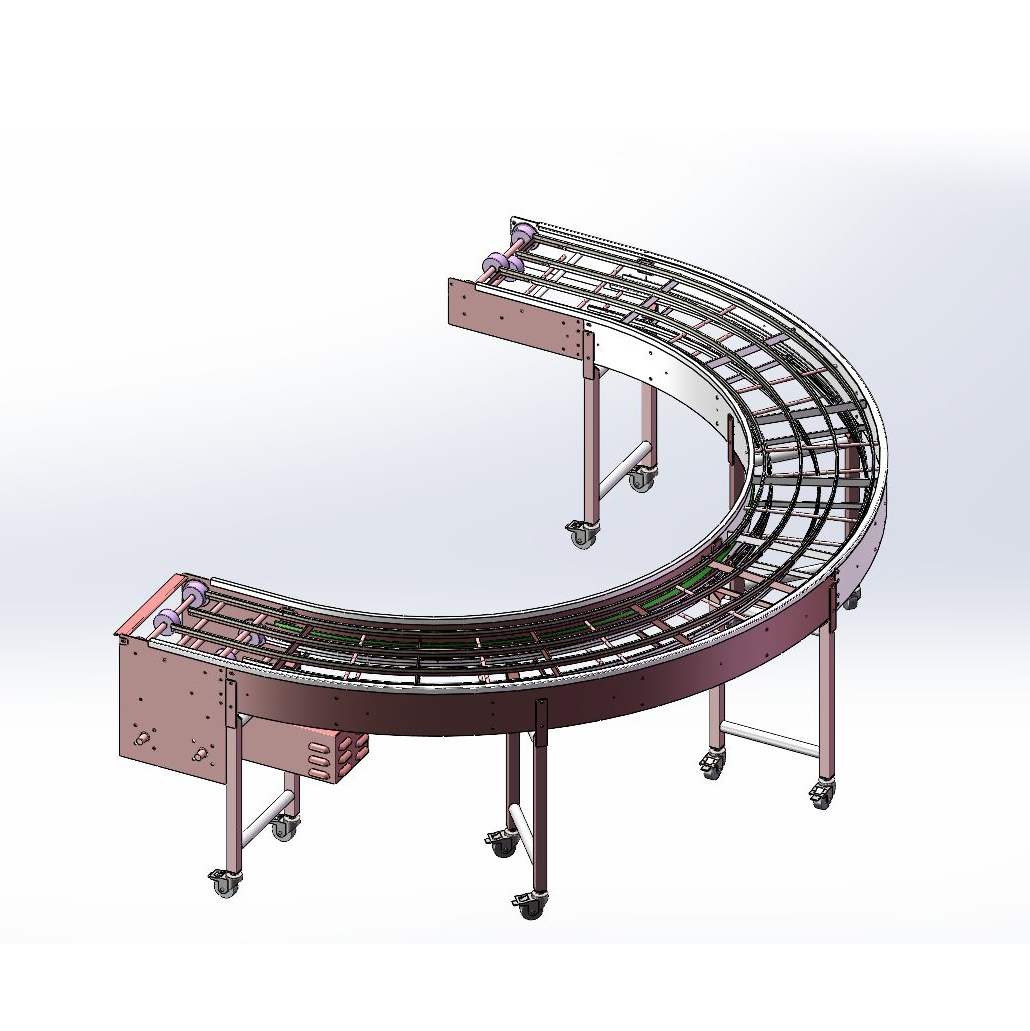
Modular Belt Conveyor for Sterile Pharmaceutical Containers
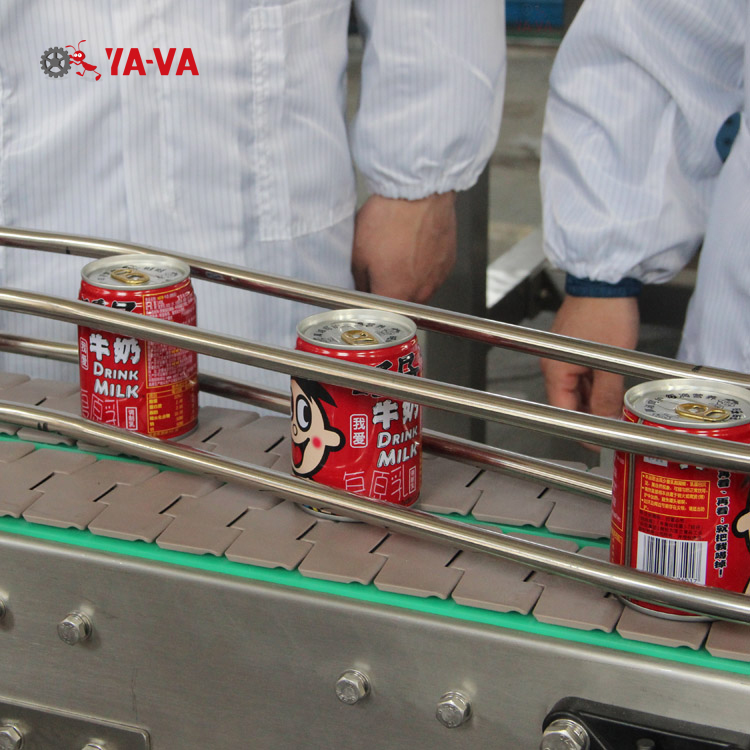
Flat Top Plastic Conveyor Chain for Liquid Medicine Filling Lines
For inquires about our products or pricelist, please leave to us and we will be in touch within 24 hours.
Subscribe


